Tapichalaca Reserve – Casa Simpson

Home to Half of the Jocotoco Antpitta Population

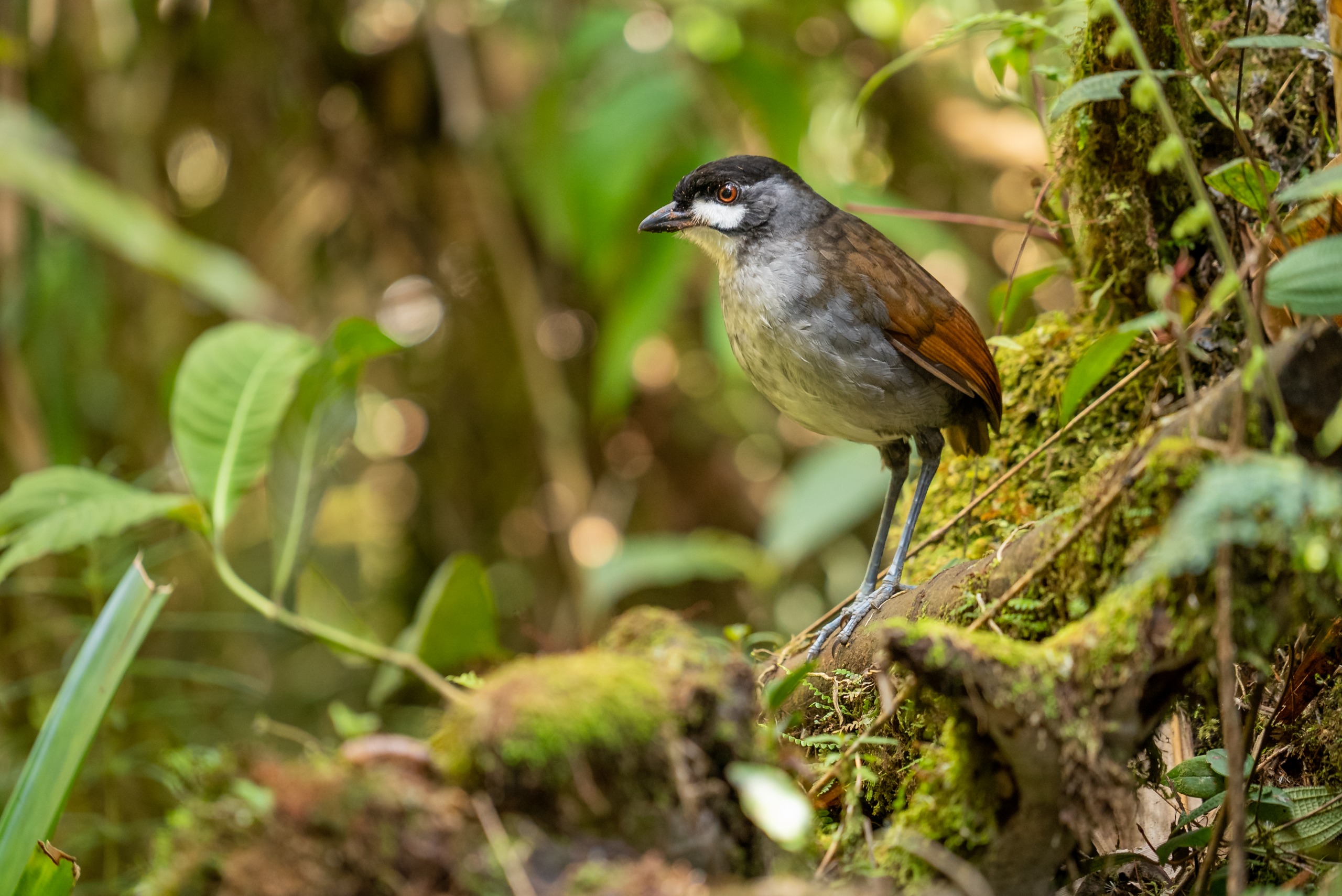
In 1997, ornithologist Robert Ridgely, along with a team of researchers, discovered a new bird species on the slopes of Tapichalaca: the Jocotoco Antpitta (Grallaria ridgelyi). To protect it, they decided to acquire the forest where it lived, giving rise to our Tapichalaca Reserve, the first created by Fundación Jocotoco, named after this unique bird.

This natural area is home to more than half of the global population of this species. In 2004, the reserve expanded beyond Cerro Tapichalaca, covering the western side of the Valladolid-Tapichalaca river basin.

General information

  • icono_ubicacion
    Province: Zamora Chinchipe
  • icon_fecha_creacion
    Creation date: 1998
  • icon_area1
    Area: Approx. 16124 acres
  • icon_temperatura
    Temperature: 10 – 20 °C
  • icono_ecosistema-
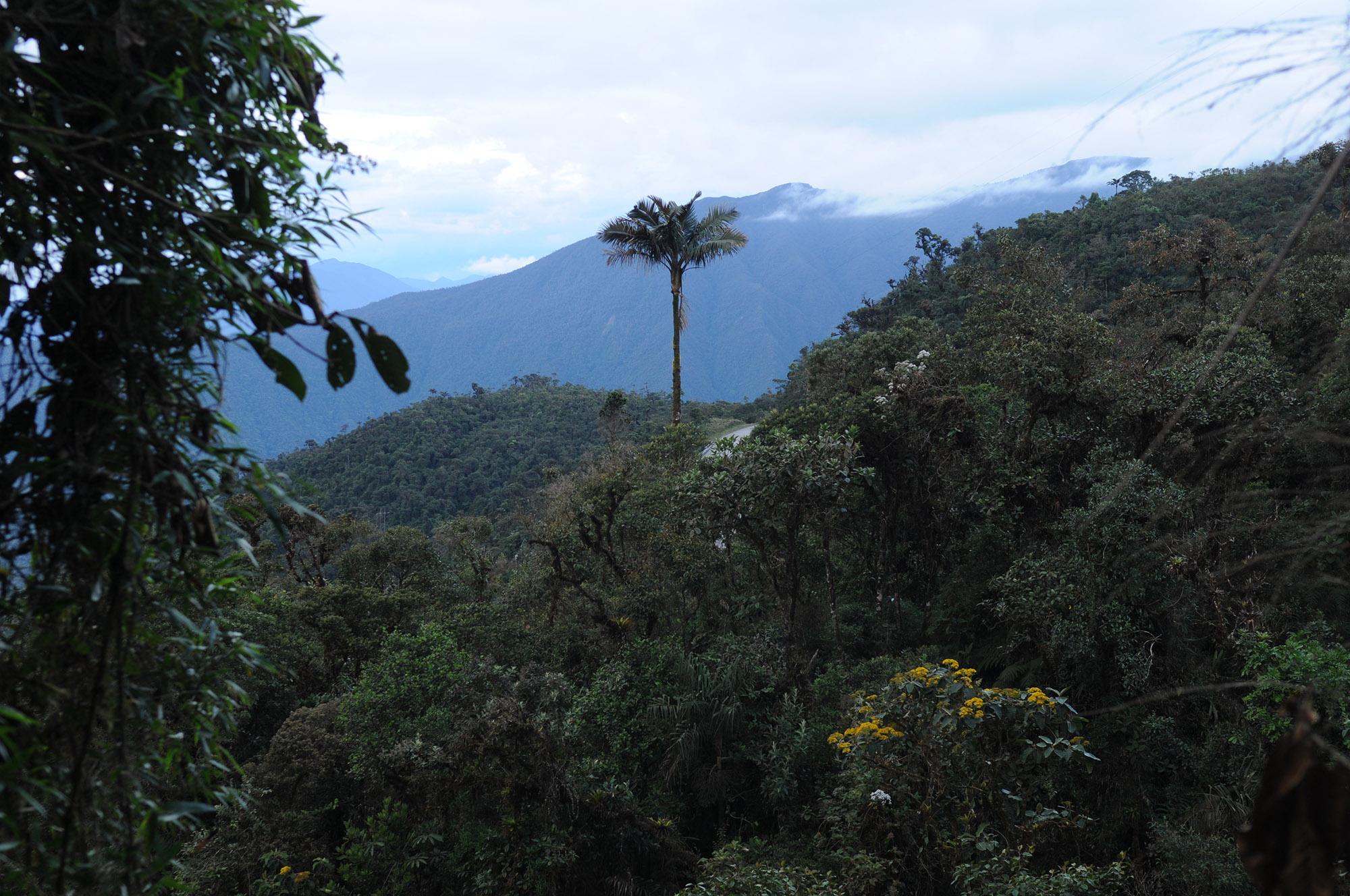
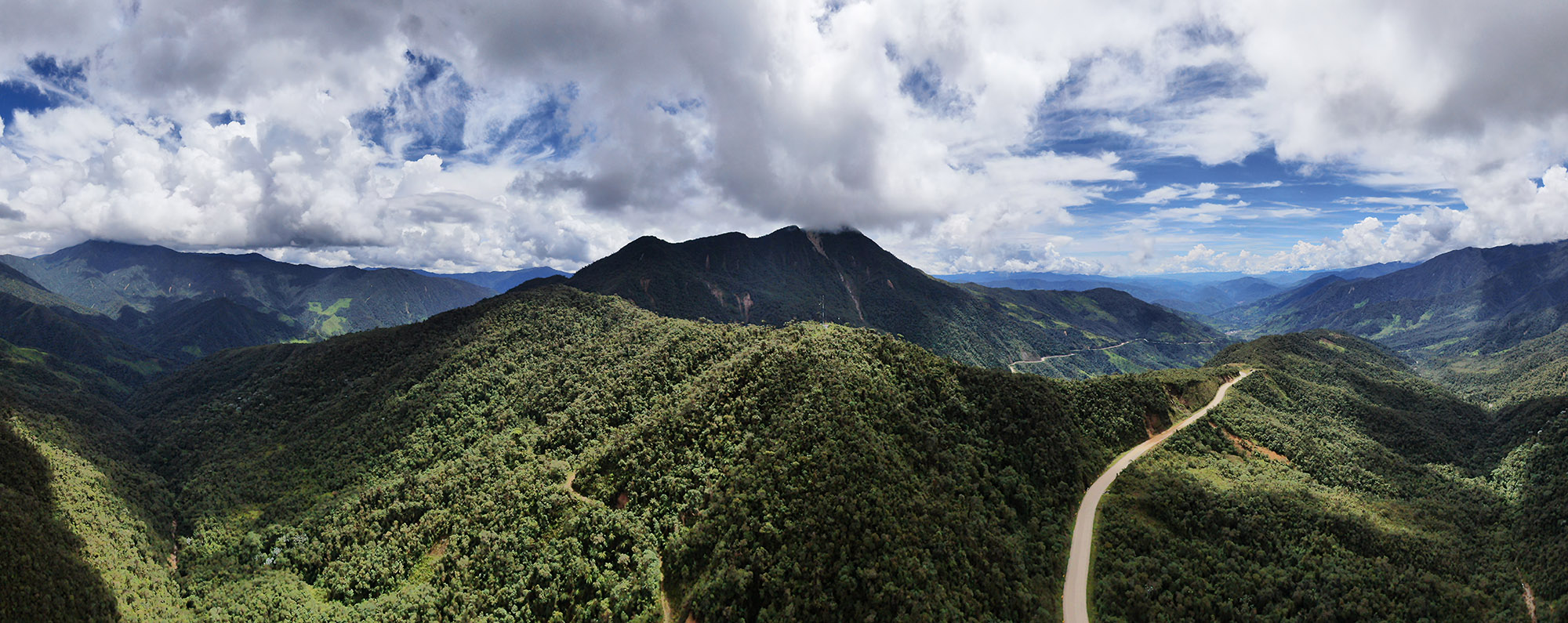
    Ecosystem: Cloud forest, paramo grassland
  • icon_clima
    Climate: Cold and humid
  • icon_altitud
    Altitude range: 1800 – 3400 meters above sea level
  • Facility: Casa Simpson

Facilities and services

iconos-jocotours-Photography-

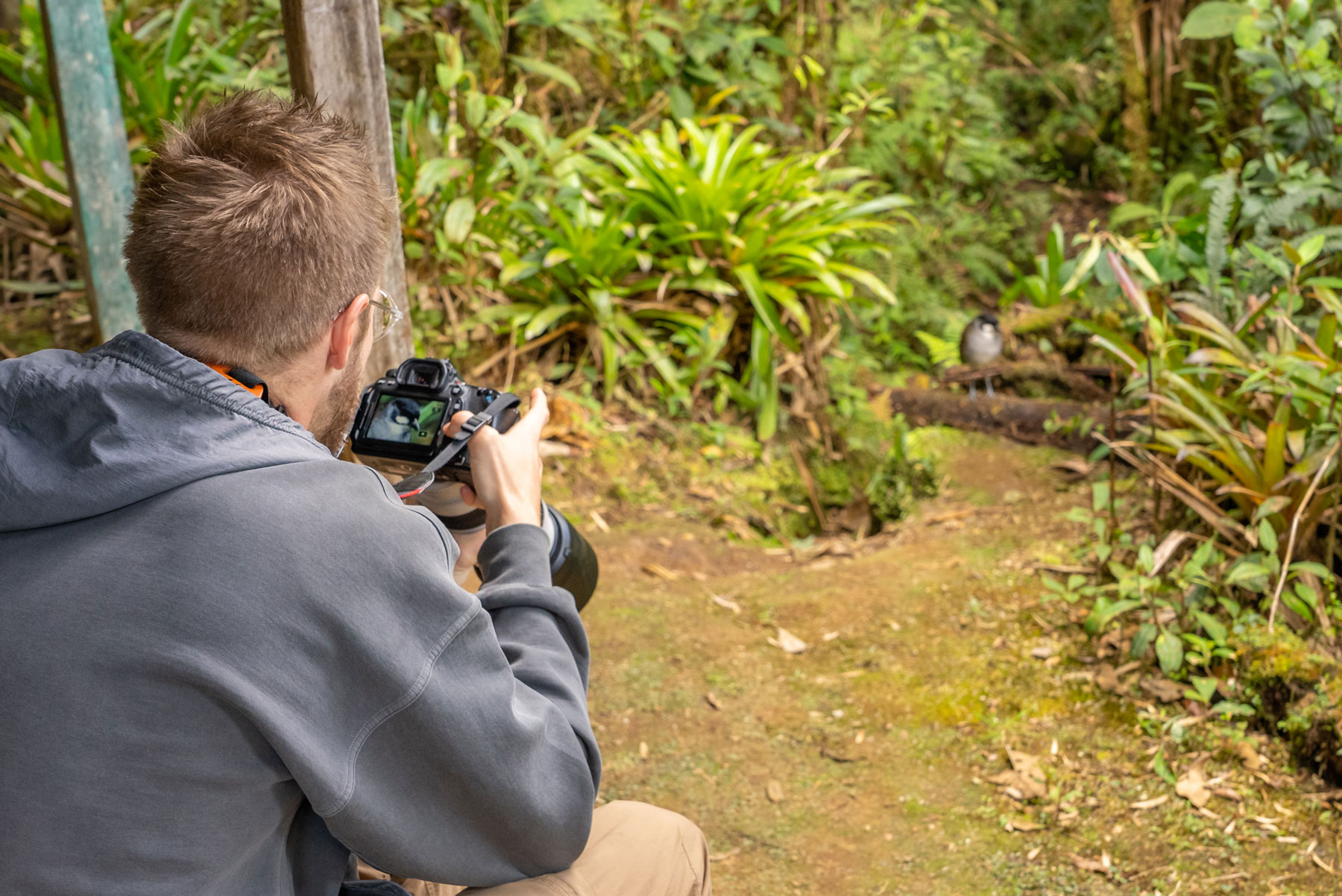
Jocotoco Antpitta photography site

iconos-jocotours-Self-guided trails

Eight trails of varying difficulty

iconos-jocotours-orchidarium

Orchidarium

iconos-jocotours-accomodation-1

Accommodation at Casa Simpson

iconos-jocotours-Park ranger escort available

Park ranger escort available

iconos-jocotours-Parking lot

Parking lot

Biological importance

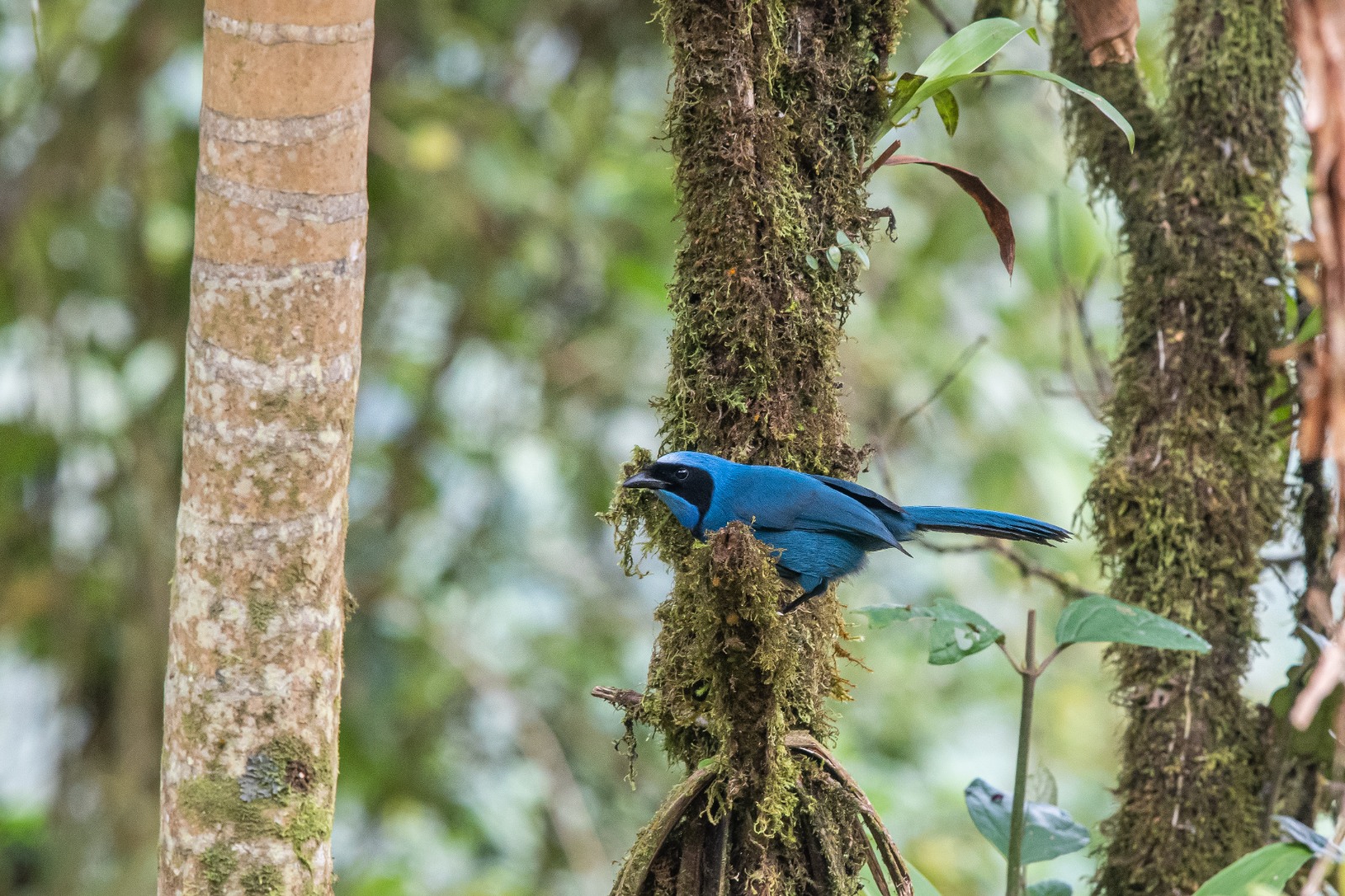
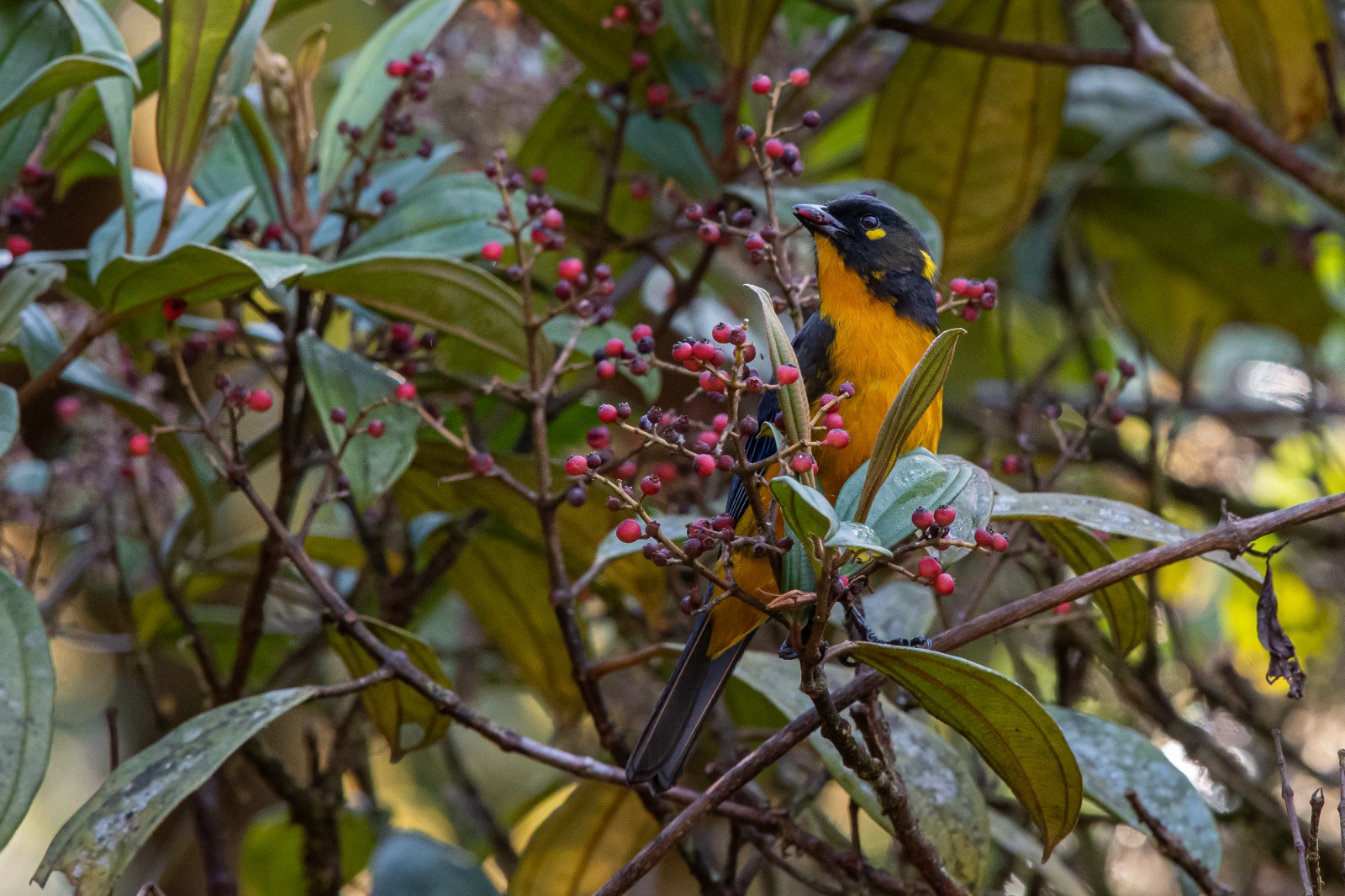
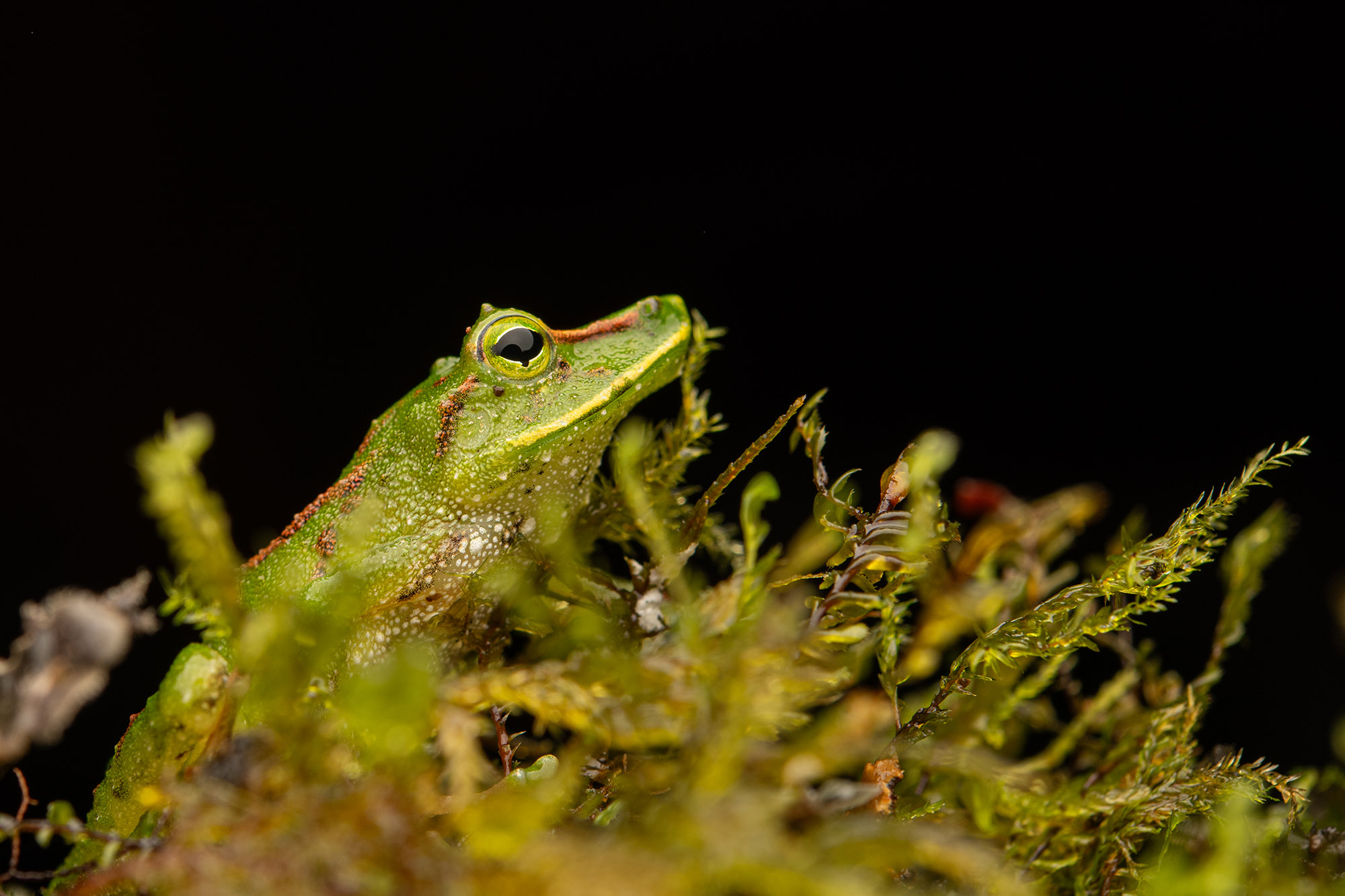
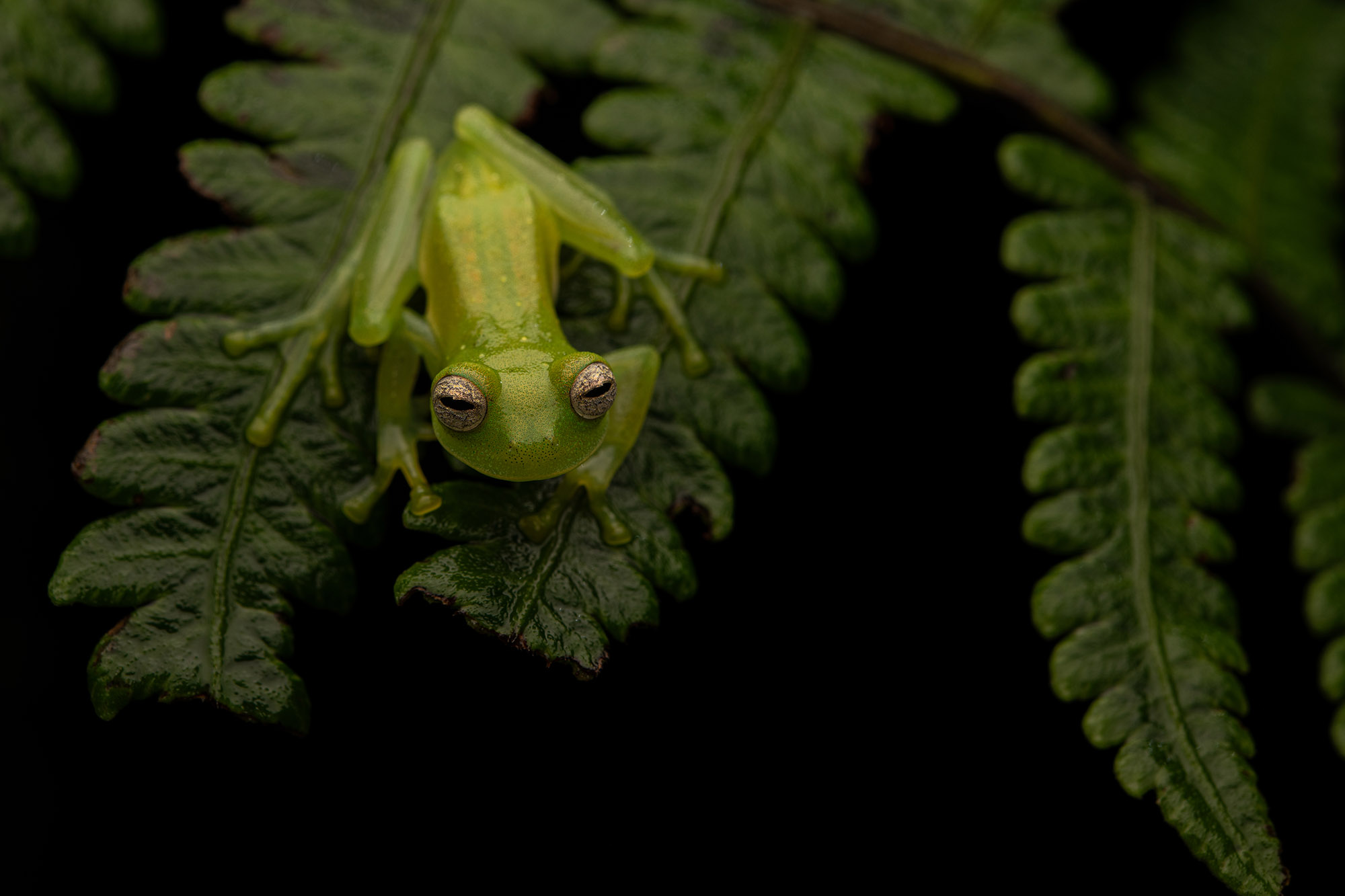
The Tapichalaca Reserve is home to an extraordinary diversity of mammals, birds, reptiles, amphibians, and plants. Notable is the Tapichalaca treefrog (Hyloscirtus tapichalaca), which is found only here. The biological richness is especially focused on birds, with over 300 species recorded both in the reserve and the surrounding areas.

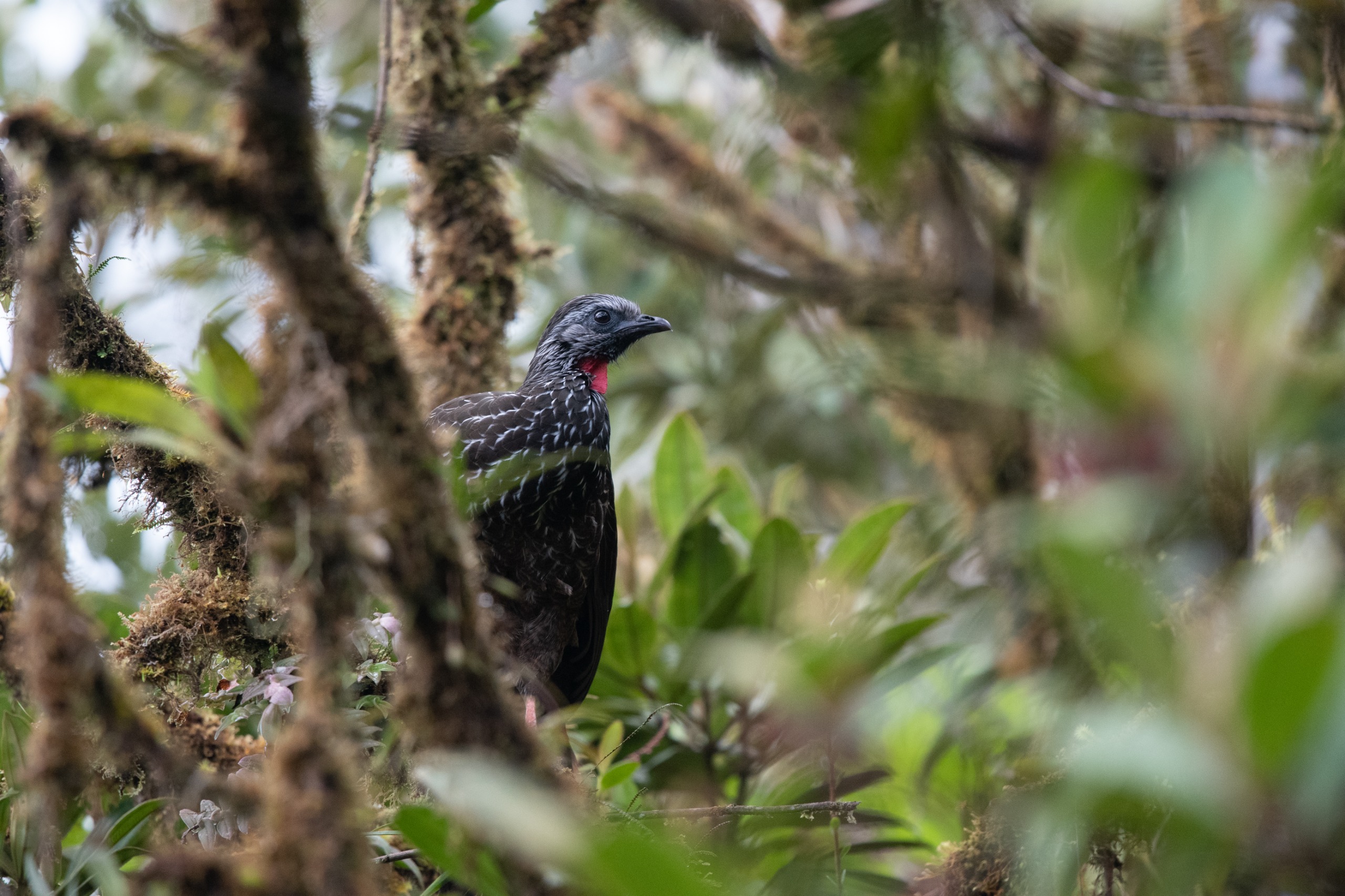
It is home to globally threatened birds such as the Jocotoco Antpitta (Grallaria ridgelyi), the Golden-cheeked Parakeet (Leptosittaca branickii),  the White-necked Parakeet (Pyrrhura albipectus), the Bearded Guan (Penelope barbata), the Coppery-chested Jacamar (Galbula pastazae), and the Masked Mountain Tanager (Buthraupis wetmorei). It also protects near-threatened birds, such as the Imperial Snipe (Gallinago imperialis),  the Gray-breasted Mountain Toucan (Andigena hypoglauca), the Brown-billed Scythebill (Campylorhamphus pusillus), the Neblina Metaltail (Metallura odomae), the Orange-banded Flycatcher (Nephelomyias lintoni), and the Masked Saltator (Saltator cinctus).

The reserve is part of a strategic biological corridor that connects the Podocarpus and Yacuri National Parks, providing protection for iconic species such as the Andean Tapir (Tapirus pinchaque), the Spectacled Bear (Tremarctos ornatus), the Puma (Puma concolor), the Mountain Paca (Cuniculus taczanowskii), the Northern Pudu (Pudu mephistophiles), the Little Red Brocket (Mazama rufina), and the South American Coati (Nasua nasua).

The flora of the reserve includes more than 130 plant species endemic to Ecuador, of which 114 are listed as threatened according to the Red Book of Plants. Of these, approximately 50 are exclusive to the region. Hundreds of orchids have been recorded, 30 of which are local, and the vine Bomarea longipes was rediscovered.

Additionally, the reserve has a mini-laboratory for the study and propagation of threatened and endemic plant species.


Sites near the reserve

Santa Ana-La Florida Archaeological Center of the Mayo-Chinchipe-Marañón culture, located in the Palanda canton.

How to get there?

From Loja: Take the main road south, which leads to the city of Zumba and the Peruvian border. This road passes through the parishes of Malacatos, Vilcabamba, Yangana, and Valladolid. From Vilcabamba, 40 km away, you will see signs indicating you are leaving Podocarpus National Park and entering the Tapichalaca Reserve. After crossing the “Quebrada de los Muertos”, 10 km further, you will notice a small chapel called «Cruz del Soldado.» Continue for 200 more meters, and you will reach the Tapichalaca Reserve and its lodge, Casa Simpson, located on the left side of the road.

Hours of Operation

Every day: 7:00 AM – 3:00 PM

Last entry of visitors: 1:00 PM

Entrance Fee

Rates are in US dollars

Type of visitors

Rate (per person)

Foreign

$15

National*

$5

Older adults and children**

$2.50

* Special rates for national visitors, residents, and the Andean community.

** Children from 5 to 11 years old

Tips for your visit
  • Bring waterproof clothing, as rain is frequent.
  • To observe the Jocotoco Antpitta, bring a camera and binoculars.
  • The trails are steep, so wear sturdy footwear for comfort and safety.
  • The climate is cold and damp, so we recommend wearing layered clothing to better adapt to the conditions.
  • Please take all the trash you generate with you. With your help, we keep the reserve clean. Thank you for your cooperation!
General Guidelines
  • Please refrain from bringing pets — this helps protect the native wildlife and plants.
  • Do not touch or feed wild animals — this is the best way to protect them and respect their natural habitat.
  • Always follow the instructions of our park rangers — they are here to ensure your safety and the protection of the reserve.

Fill out the form and we’ll get in touch