Narupa Reserve

Protecting lower montane evergreen forests

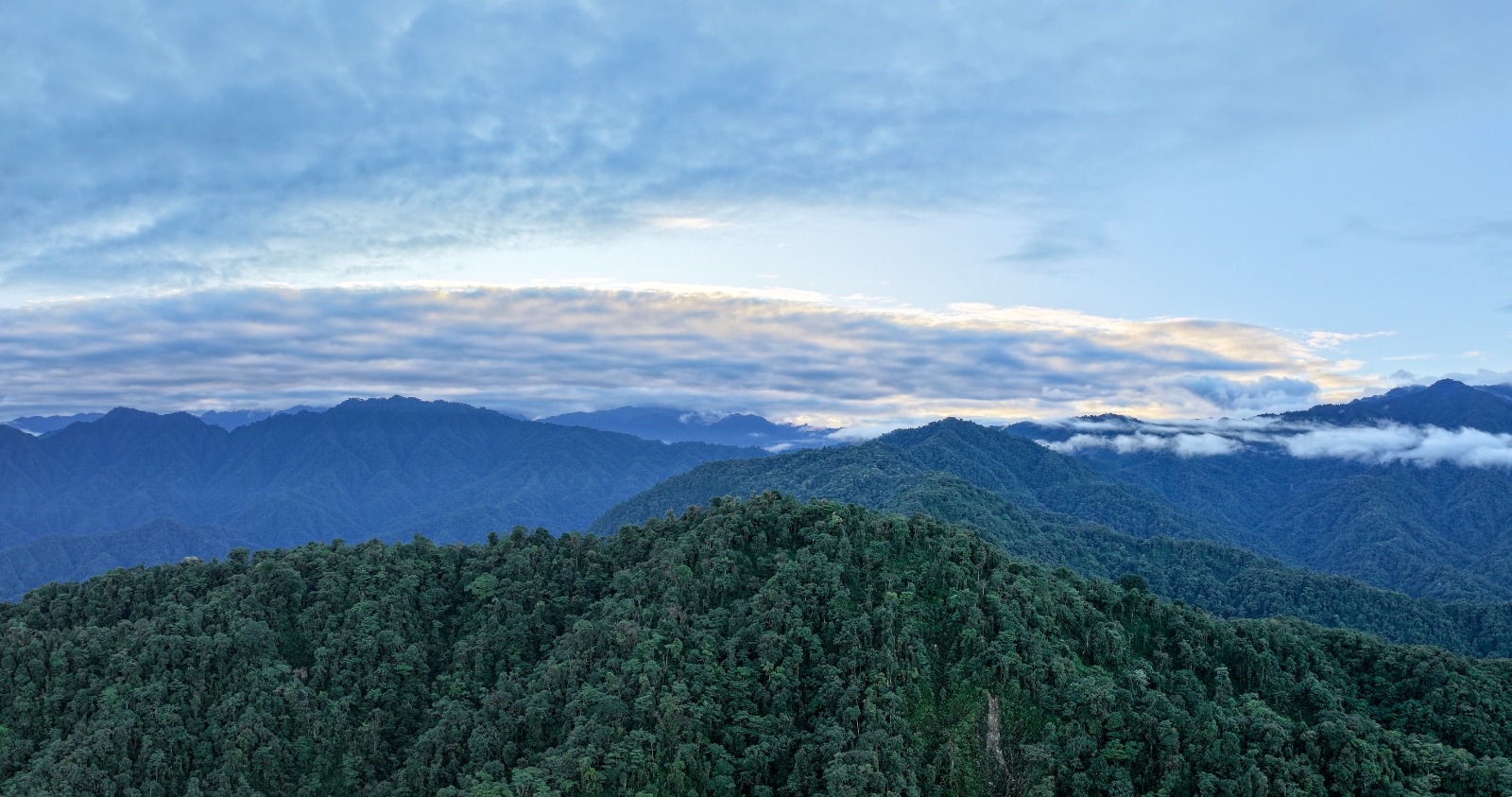
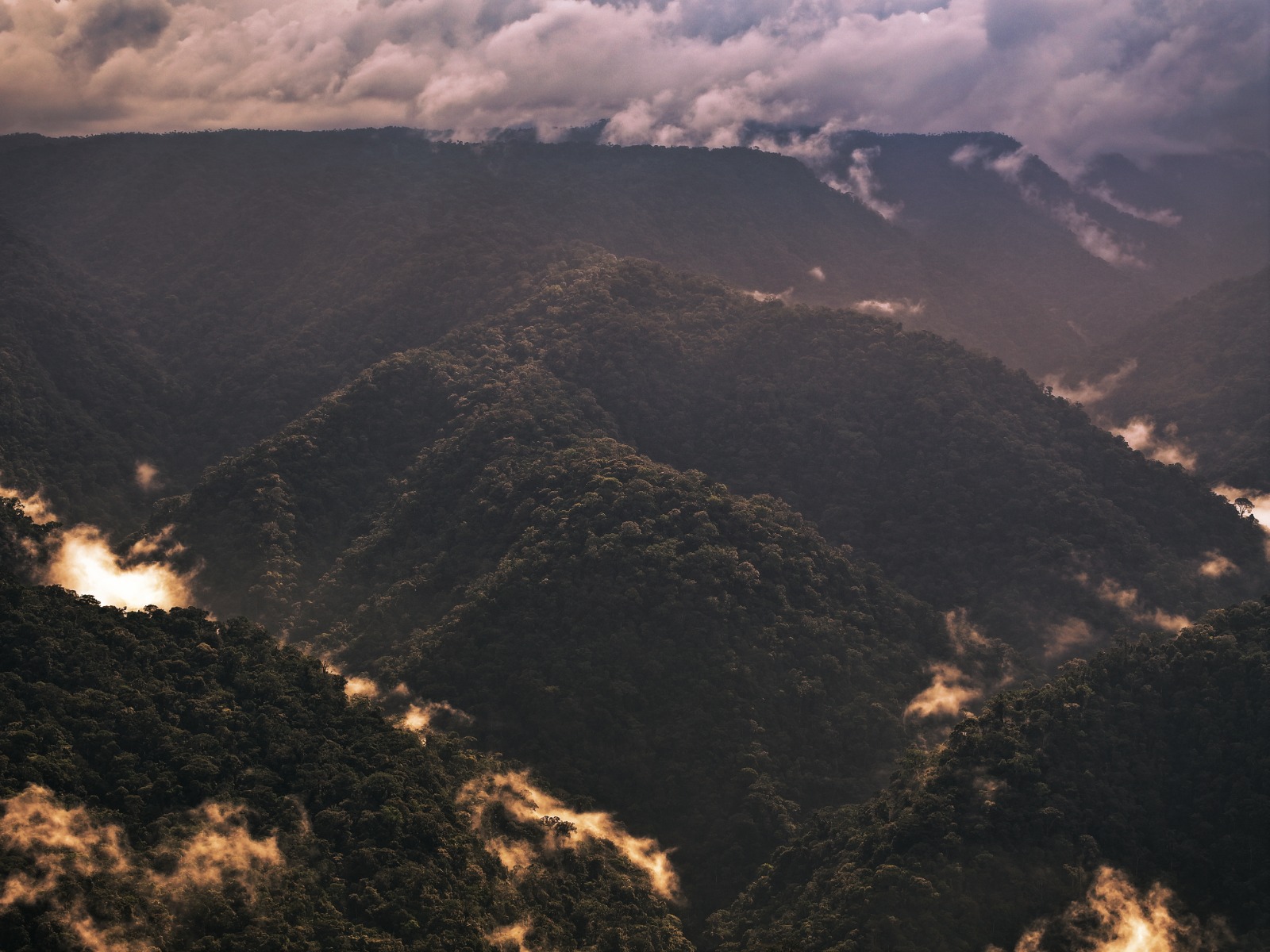
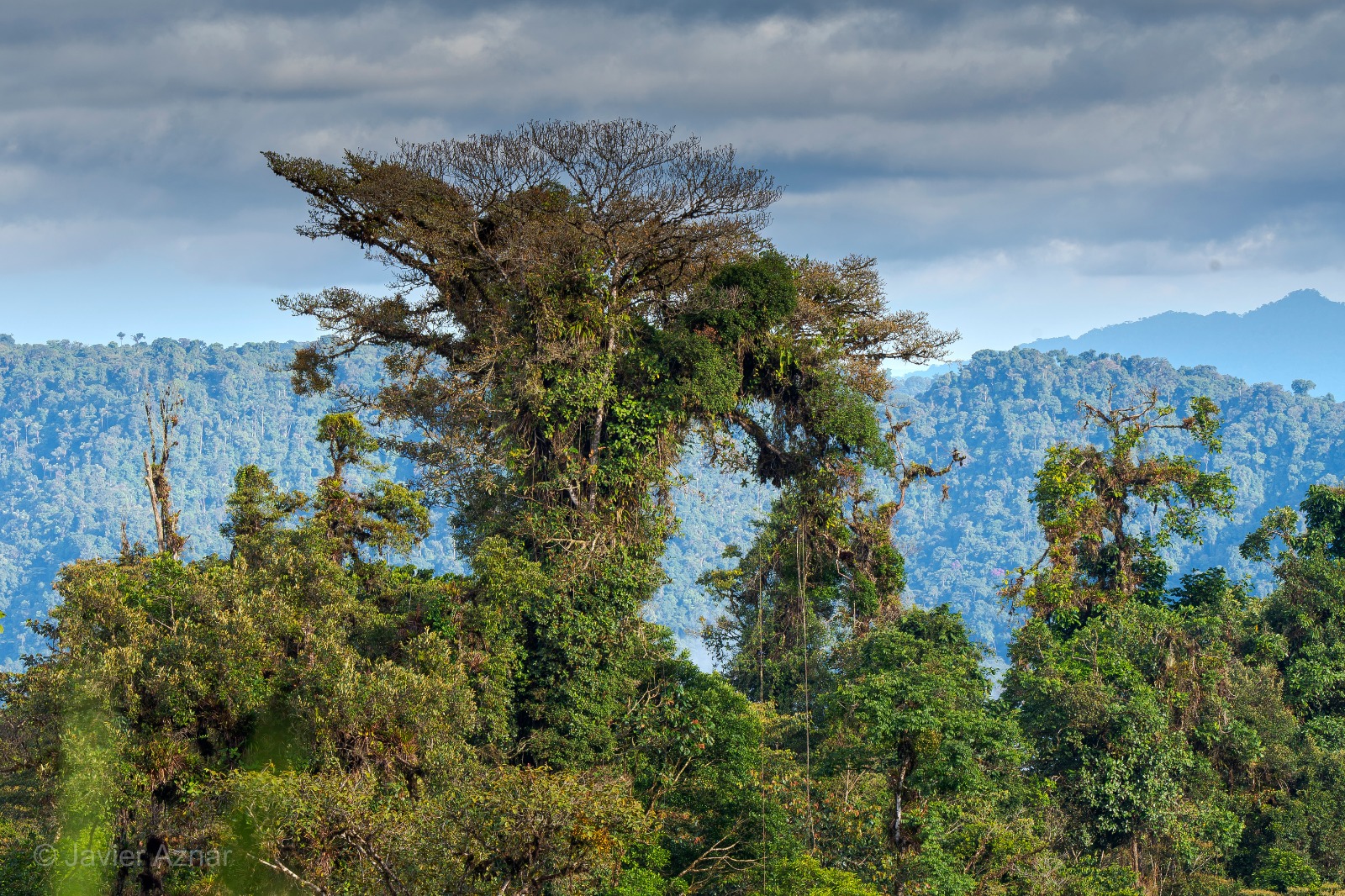
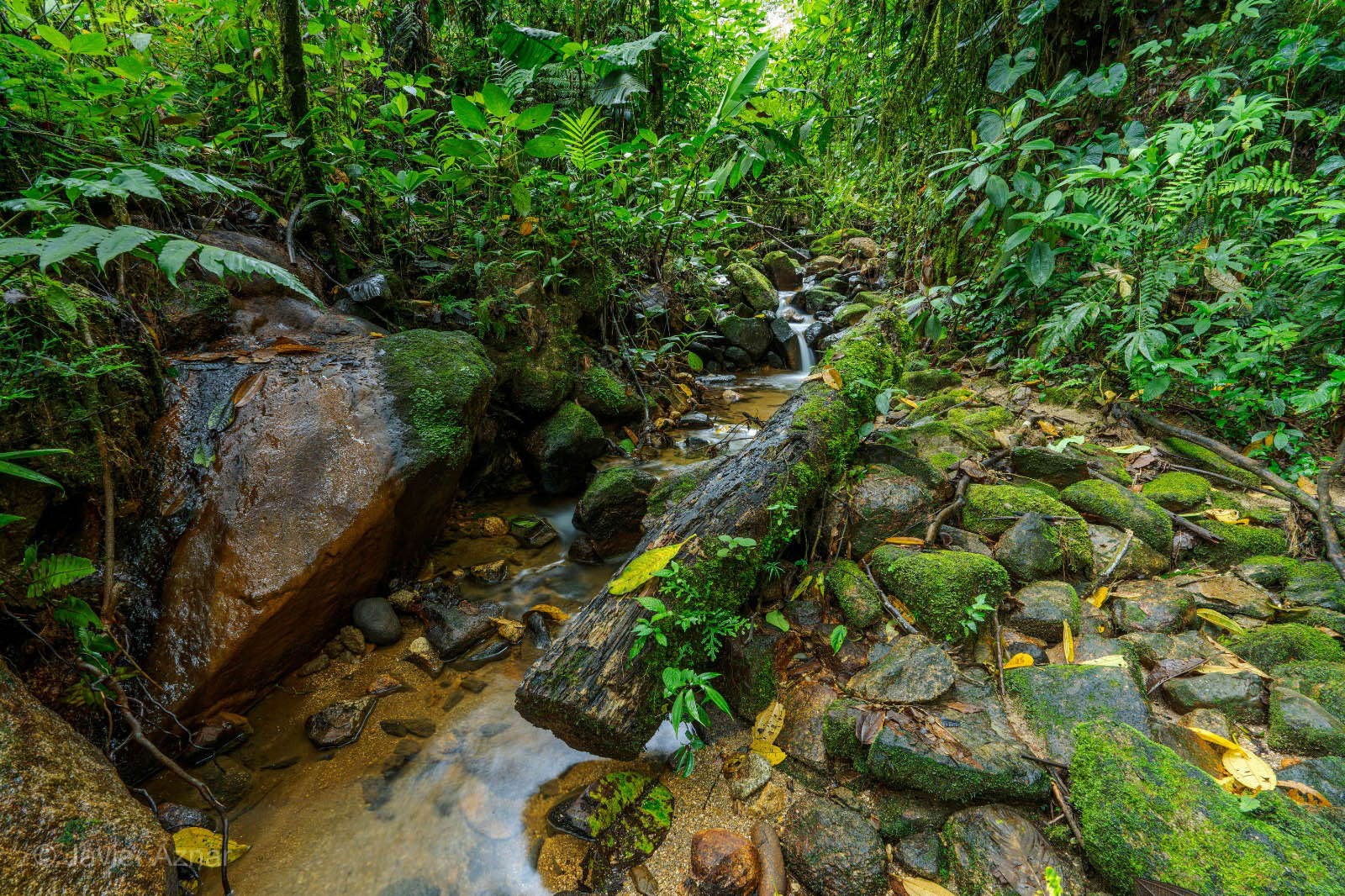
The reserve is named Narupa after a species of palm found in the eastern province of Napo. It was established to protect a large remnant of lower montane evergreen forest, as these forests are under threat from deforestation for agricultural purposes.

General information

  • icono_ubicacion
    Province: Napo
  • icon_fecha_creacion
    Creation date: 2006
  • icon_area1
    Area: Approx. 6946 acres
  • icon_temperatura
    Temperature: 25 °C
  • icono_ecosistema-
    Ecosystem: Amazonian foothill forest
  • icon_clima
    Climate: Rainy and temperate
  • icon_altitud
    Altitude range: 1000 – 1580 meters above sea level

Facilities and services

iconos-jocotours-Camping area

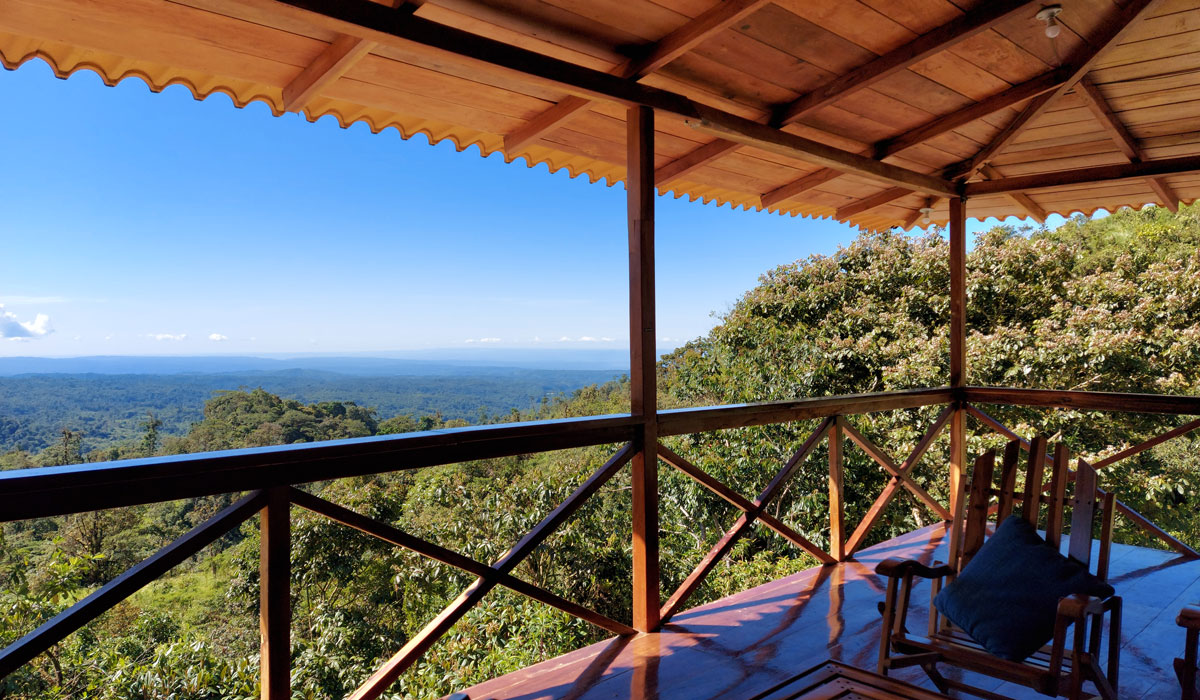
Scenic Balcony – Stunning views of the reserve

iconos-jocotours-trails

Hollín River Trail – 800m path along the river

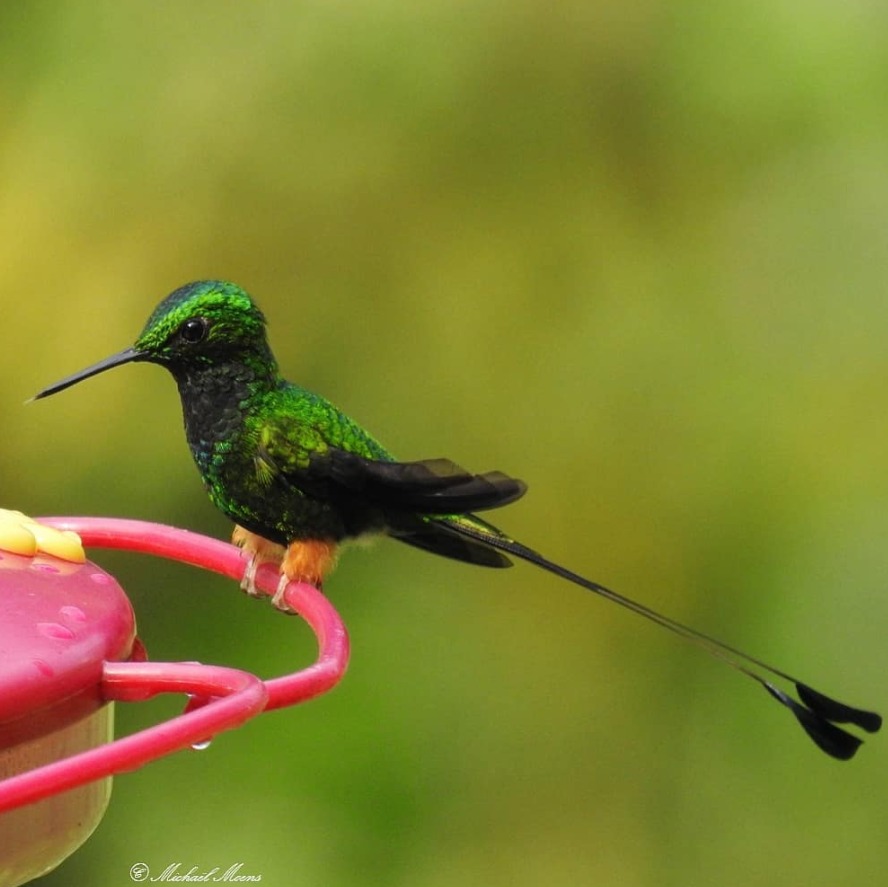
iconos-jocotours-Hummingbird Garden

Hummingbird Garden

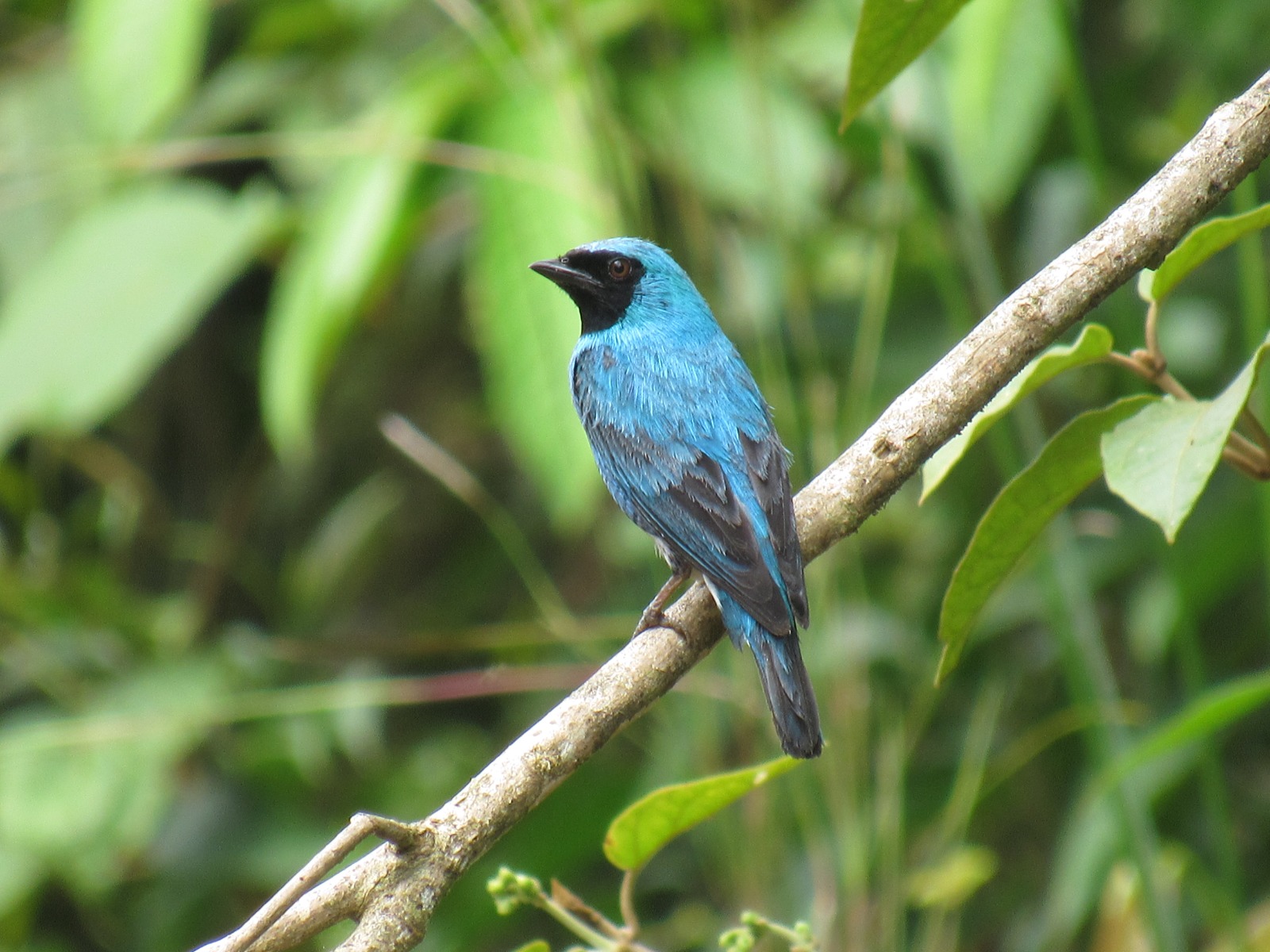
iconos-jocotours-Bird feeders

Tanager Feeder

iconos-jocotours-Self-guided trails

Two Medium-Difficulty Trails

iconos-jocotours-Camping area

Camp Platform – Located at the reserve’s lower section

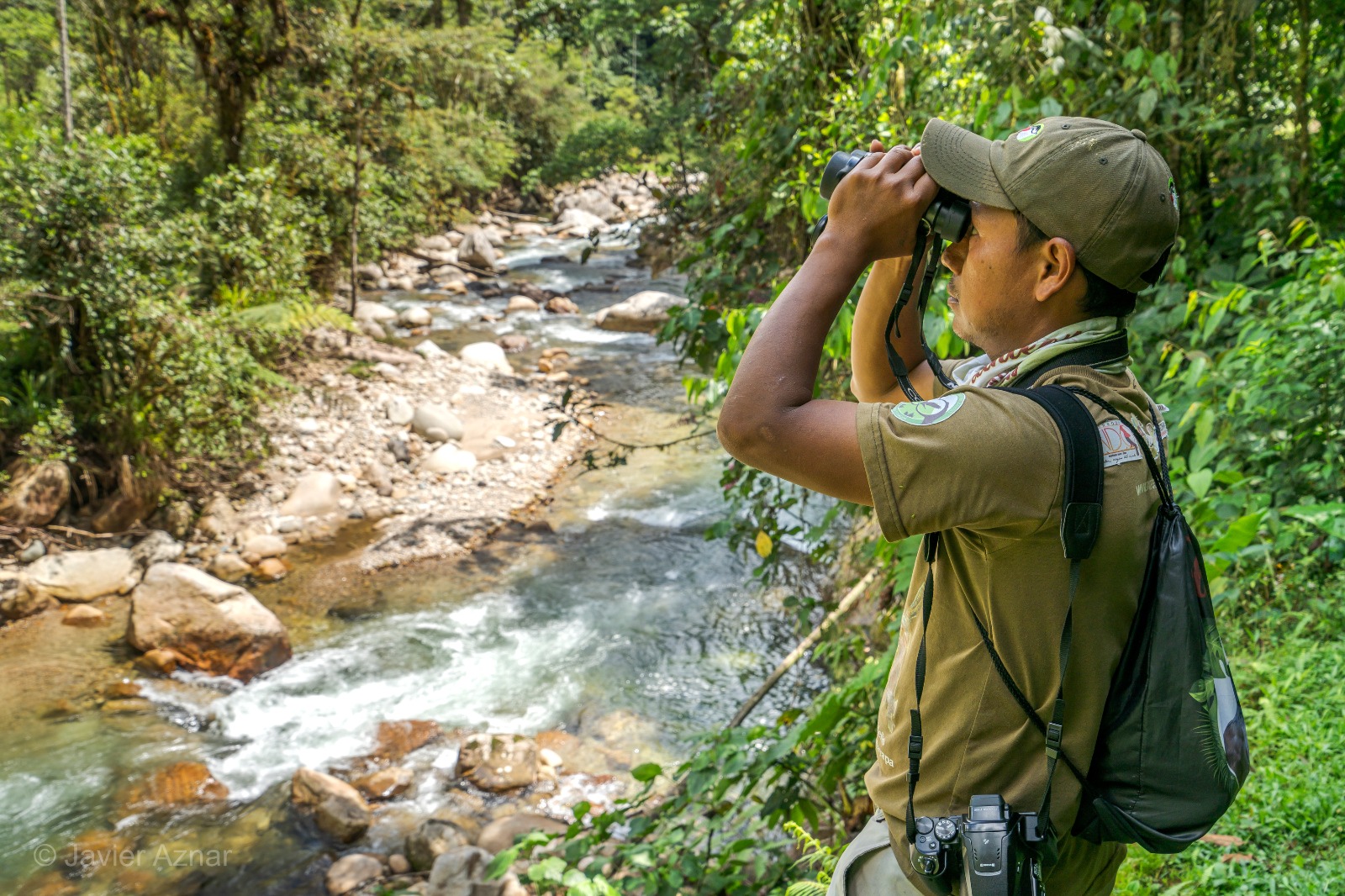
iconos-jocotours-Park ranger escort available

Park ranger escort available

iconos-jocotours-Parking lot

Parking lot

Biological importance

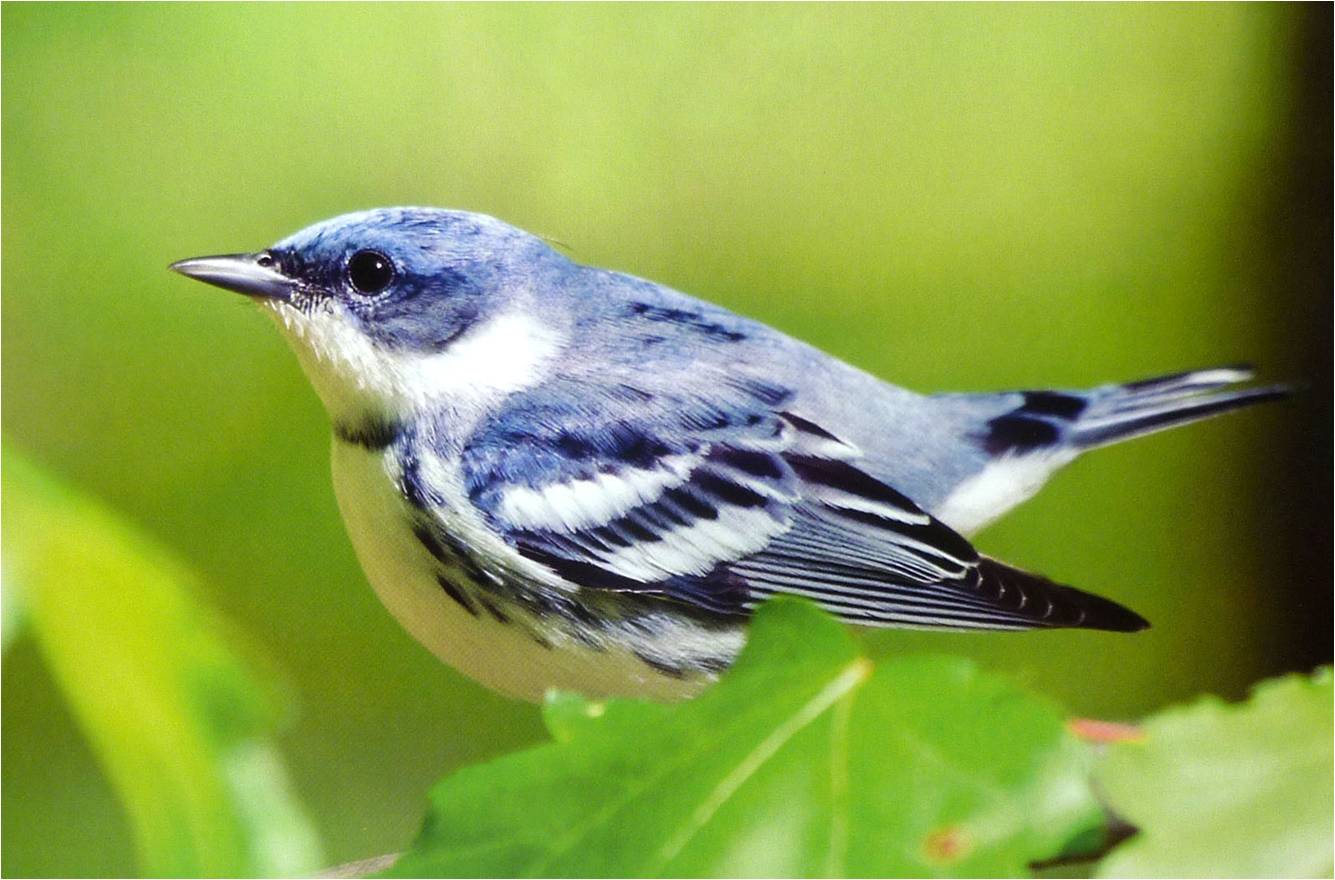
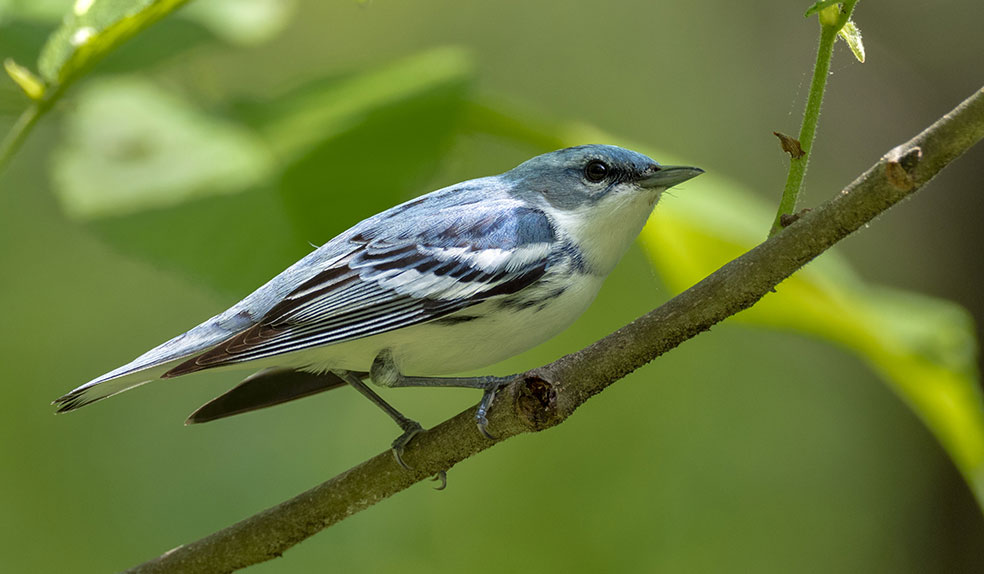
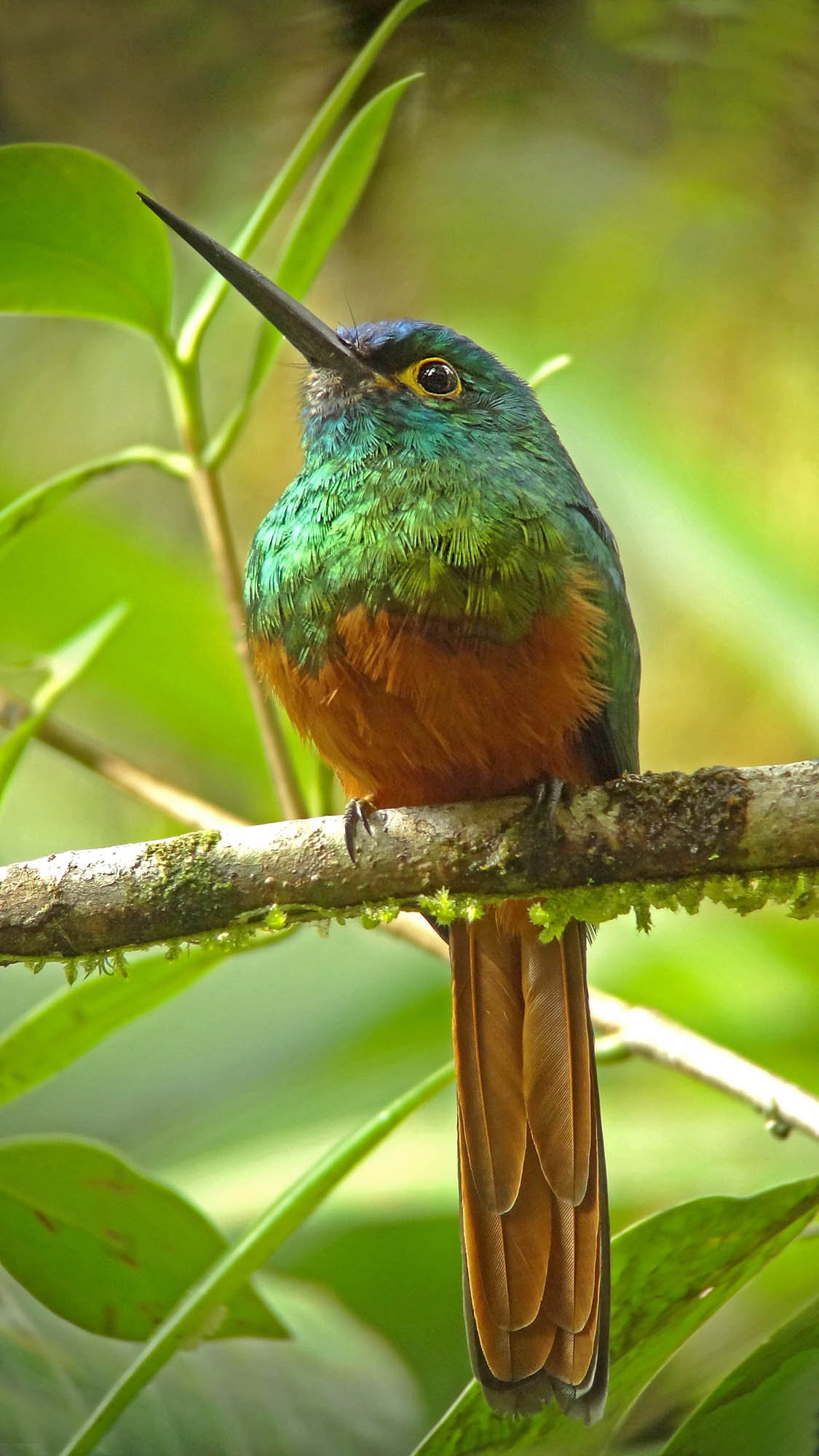
The presence of migratory birds such as the Cerulean Warbler (Setophaga cerulea), Canada Warbler (Cardellina canadensis), and Swainson’s Thrush (Catharus ustulatus) has been recorded. The reserve also protects globally threatened bird species, including the Black Tinamou (Tinamus osgoodi), Military Macaw (Ara militaris), Coppery-chested Jacamar (Galbula pastazae), and the Foothill Elaenia (Myiopagis olallai).

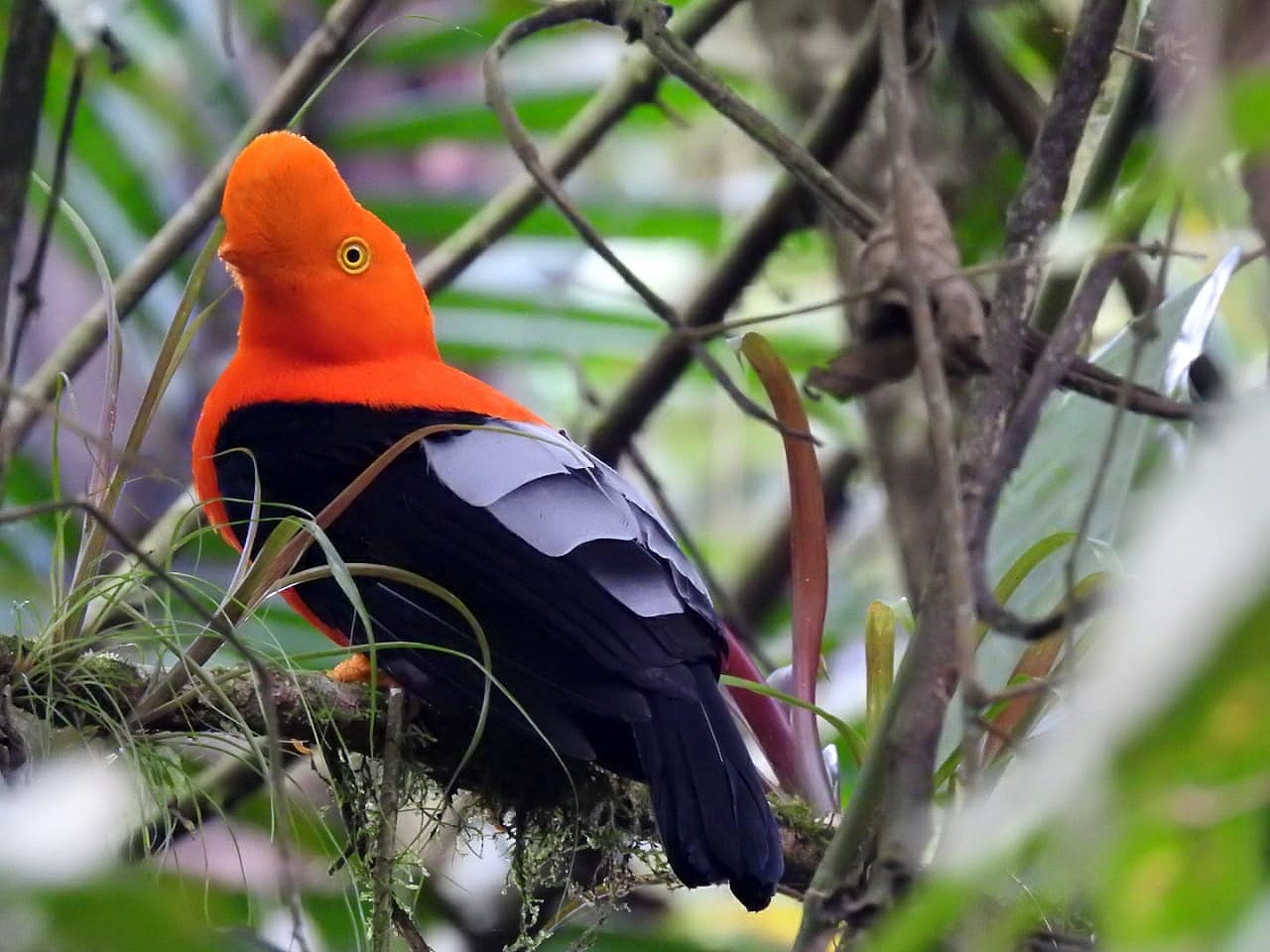
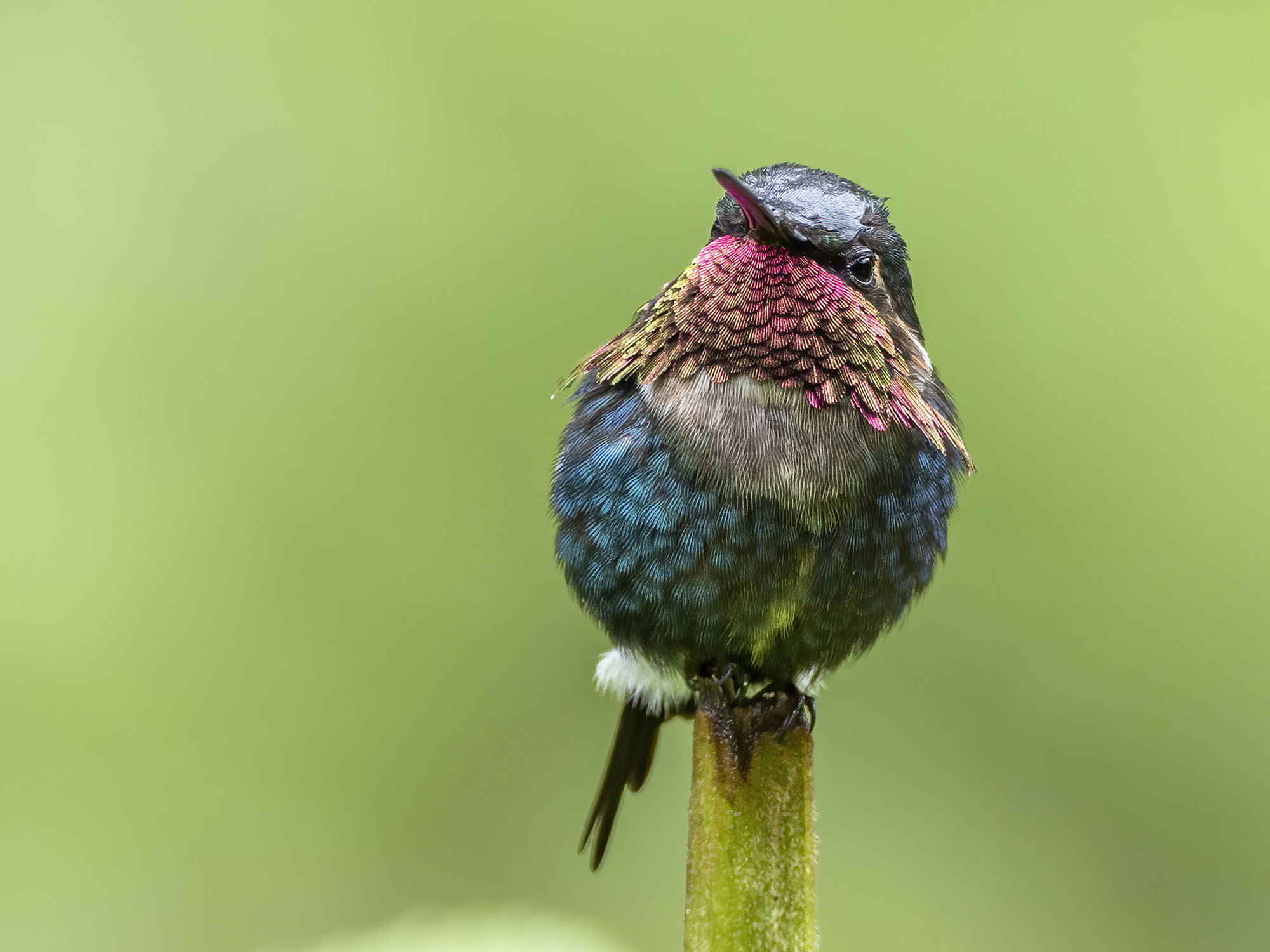
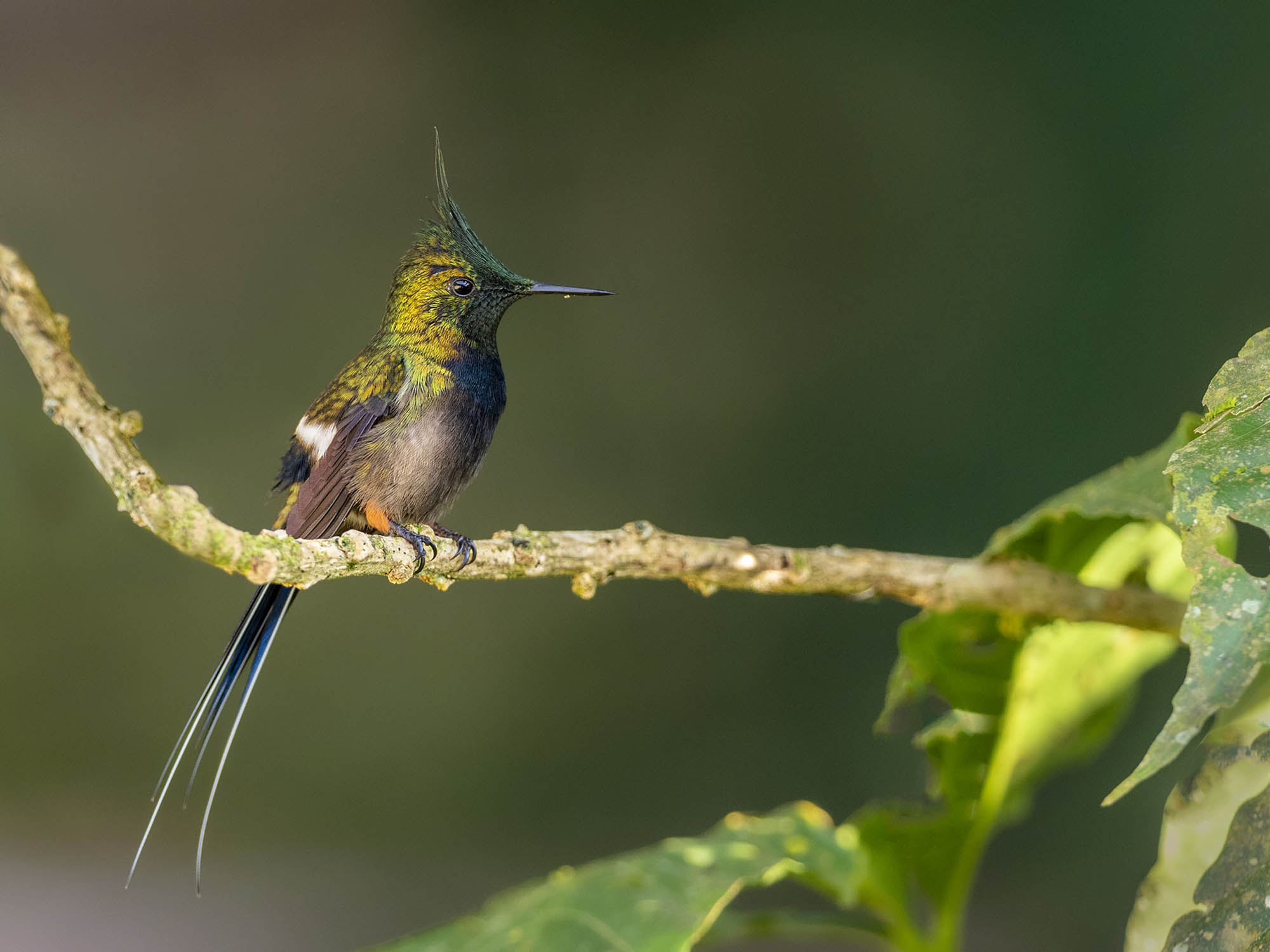
At the bird feeders, visitors can observe various species of tanagers, flycatchers, and hummingbirds. A pair of Orange-breasted Falcons (Falco deiroleucus) has nested for several years on a cliff adjacent to the reserve. This is the only known nesting site for this endangered species in Ecuador.

Camera traps have revealed the presence of large mammals, including Puma (Puma concolor), Ocelot (Leopardus pardalis), and  Lowland Tapir (Tapirus terrestris).

Our goal is to establish ecological connectivity with Sumaco–Napo-Galeras National Park and the Antisana Ecological Reserve, expanding protection on a regional scale. The eastern Andean foothills are facing pressure from the expansion of the agricultural frontier, leading to habitat loss and fragmentation. This connectivity plan will contribute to the conservation of habitats for globally threatened species.


How to get there?

The reserve is approximately 3 hours from Quito. Take the Papallacta-Baeza-Cosanga route, passing through the Guacamayos mountain range until you reach the Cocodrilos community. Our lodge is about 1 km from the bus station in this community, located on the left side of the road.

Hours of Operation

Every day: 7:00 AM – 3:00 PM

Last entry of visitors: 1:00 PM

Entrance Fee

Rates are in US dollars

Type of visitors

Rate (per person)

Foreign

$15

National*

$5

Older adults and children**

$2.50

* Special rates for national visitors, residents, and the Andean community.

** Children from 5 to 11 years old


Tips for your visit
  • Bring insect repellent, as the climate is hot and humid.
  • Trails can be slippery, so wear rubber boots with good grip.
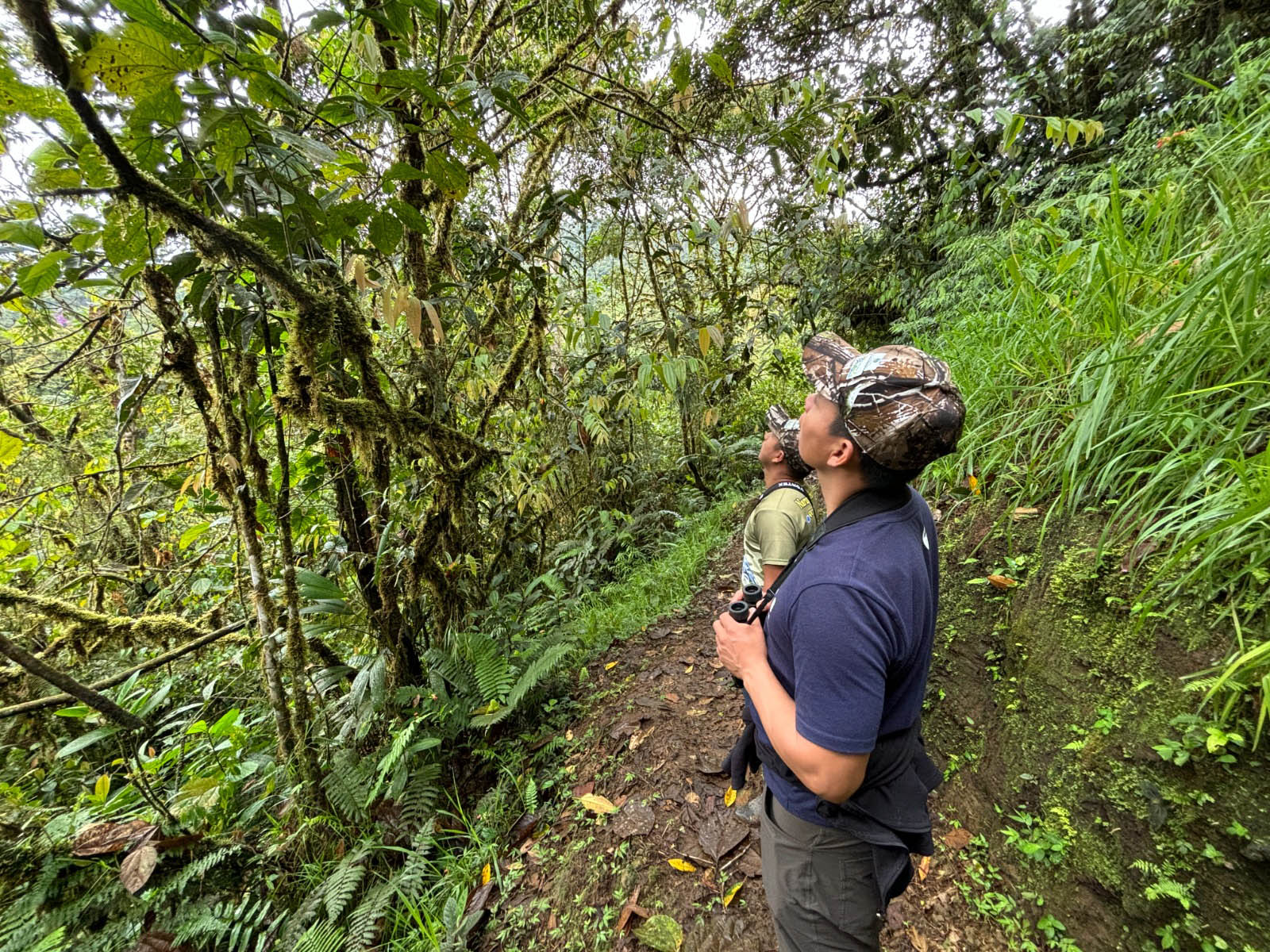
  • It’s a fantastic spot for birdwatching, with an abundance of Amazonian species.
  • For your safety, stay on the marked trails.
  • Please take all your trash with you. With your help, we keep the reserve clean. Thank you for your cooperation!
General Guidelines
  • Please refrain from bringing pets — this helps protect the native wildlife and plants.
  • Do not touch or feed wild animals — this is the best way to protect them and respect their natural habitat.
  • Always follow the instructions of our park rangers — they are here to ensure your safety and the protection of the reserve.

Fill out the form and we’ll get in touch