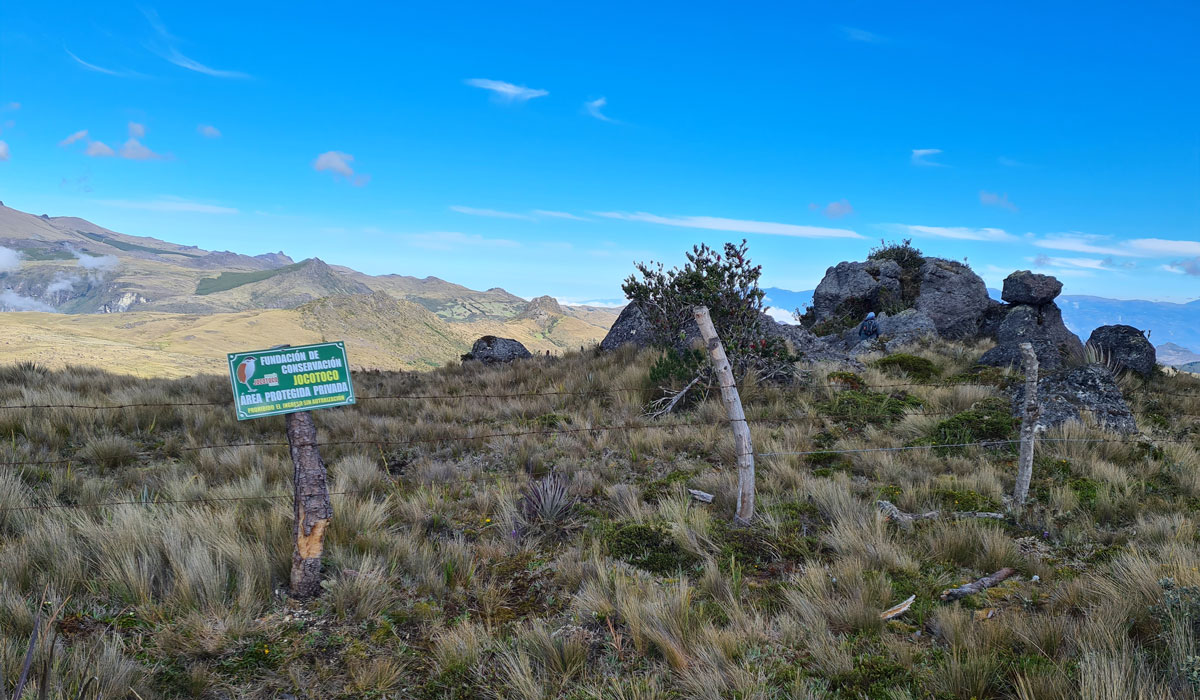
Cerro de Arcos Reserve

Protecting Páramo Ecosystems for the Blue-throated Hillstar

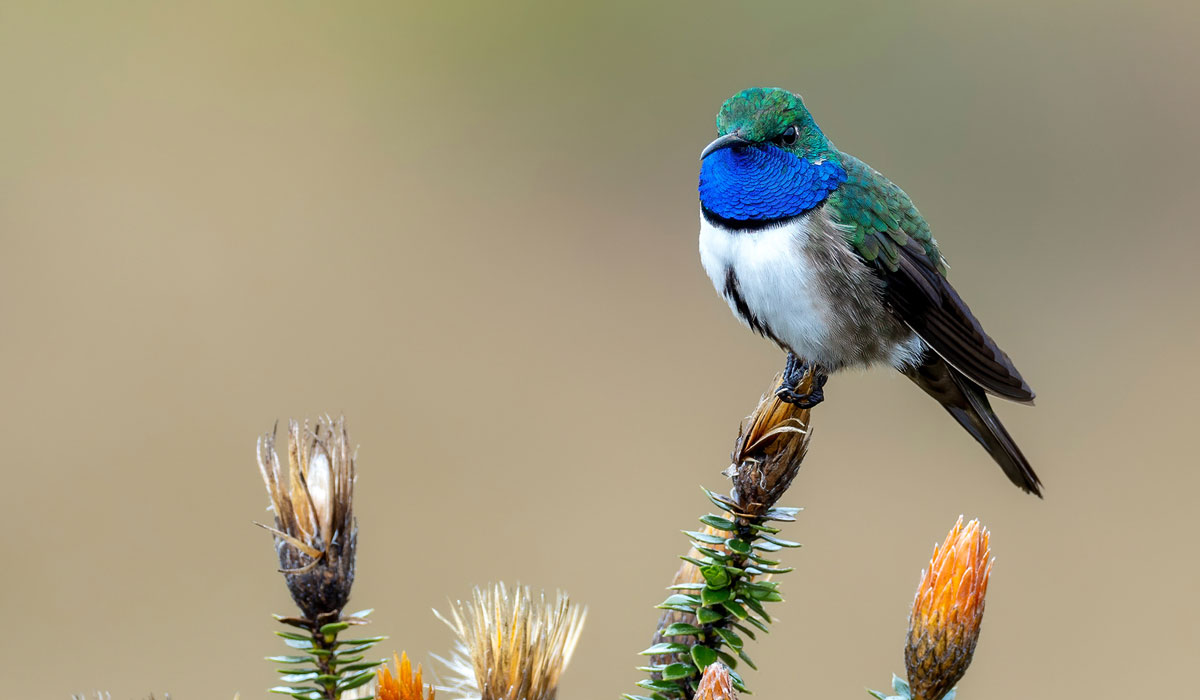
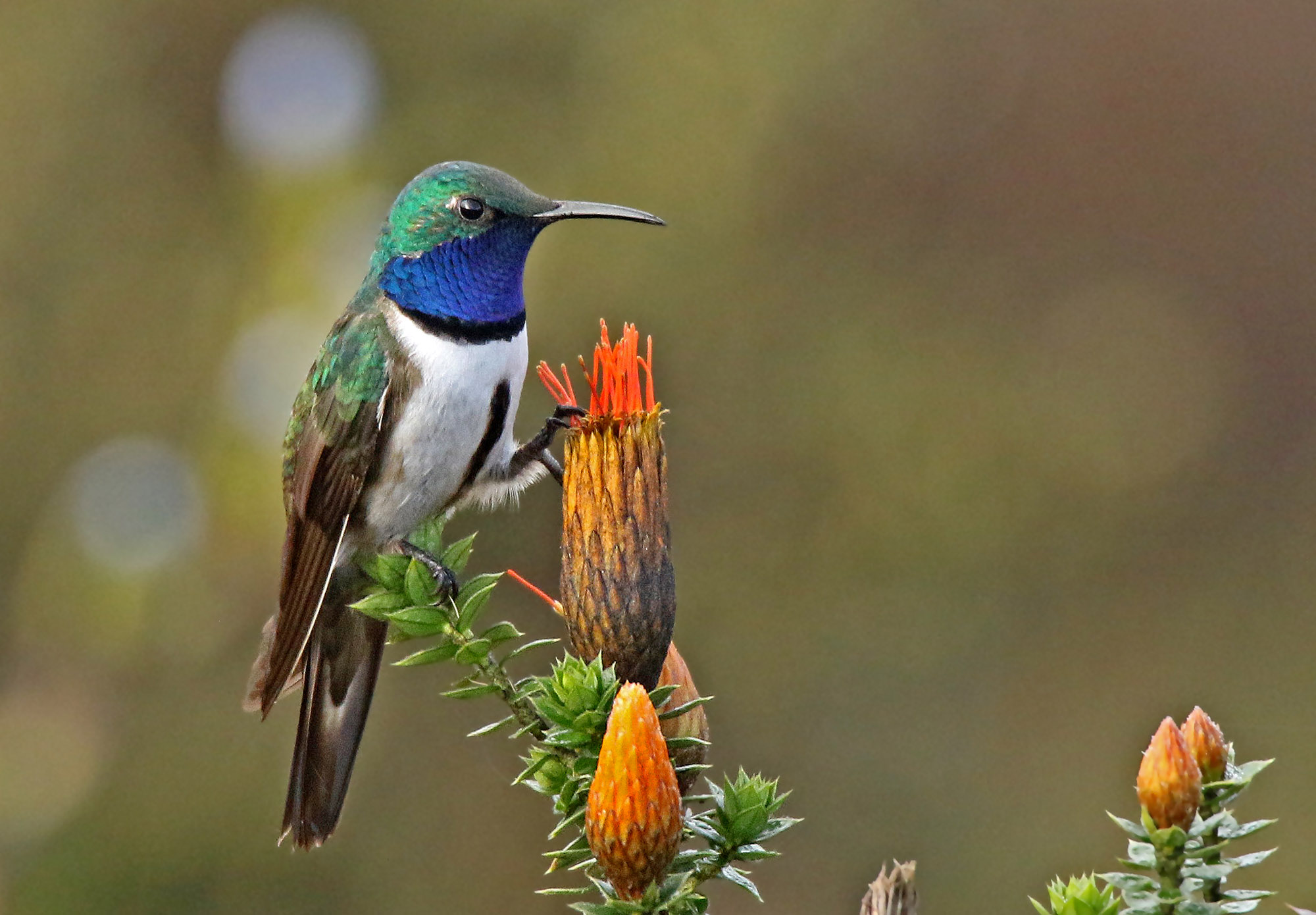
It was established to protect Andean páramo ecosystems, which are vital for the survival of the Blue-throated Hillstar (Oreotrochilus cyanolaemus), a hummingbird formally described as new to science in 2018. Known for its striking iridescent blue throat, this species has been classified as Critically Endangered by the International Union for Conservation of Nature (IUCN).

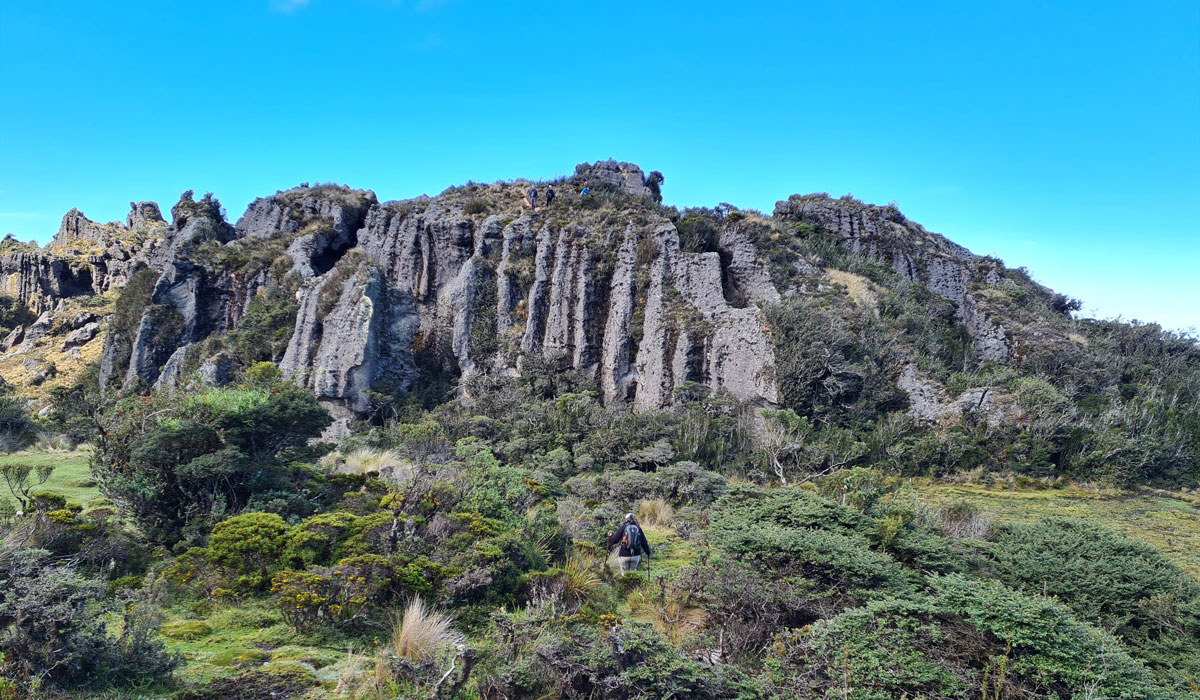
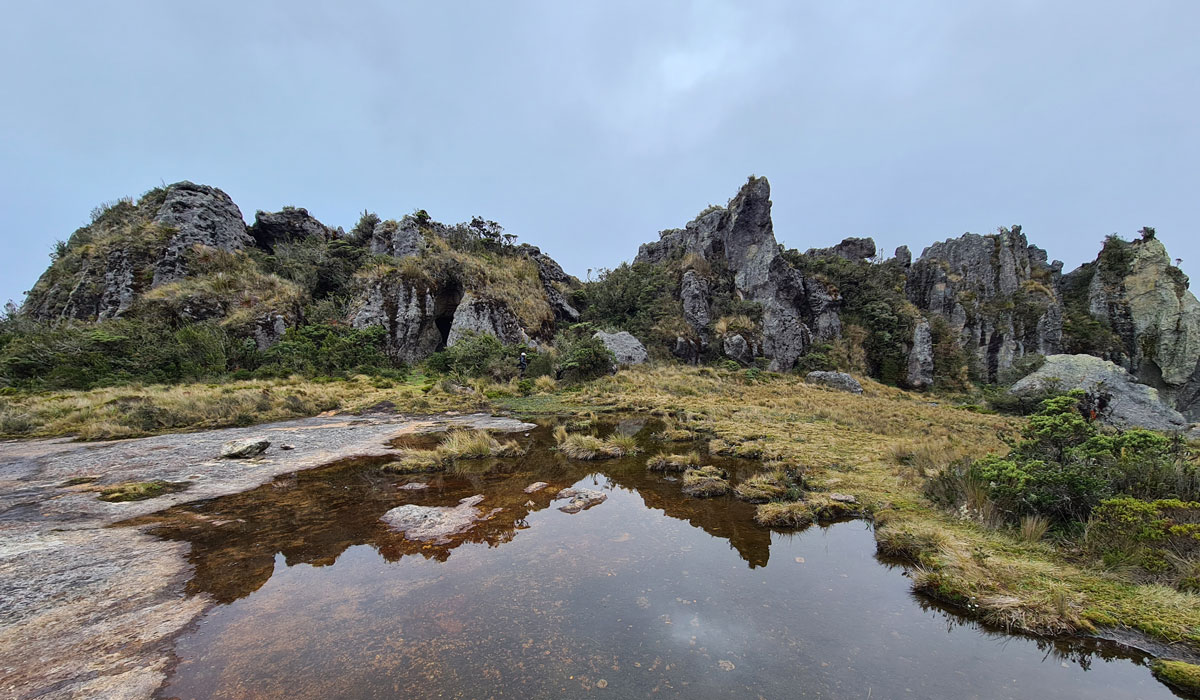
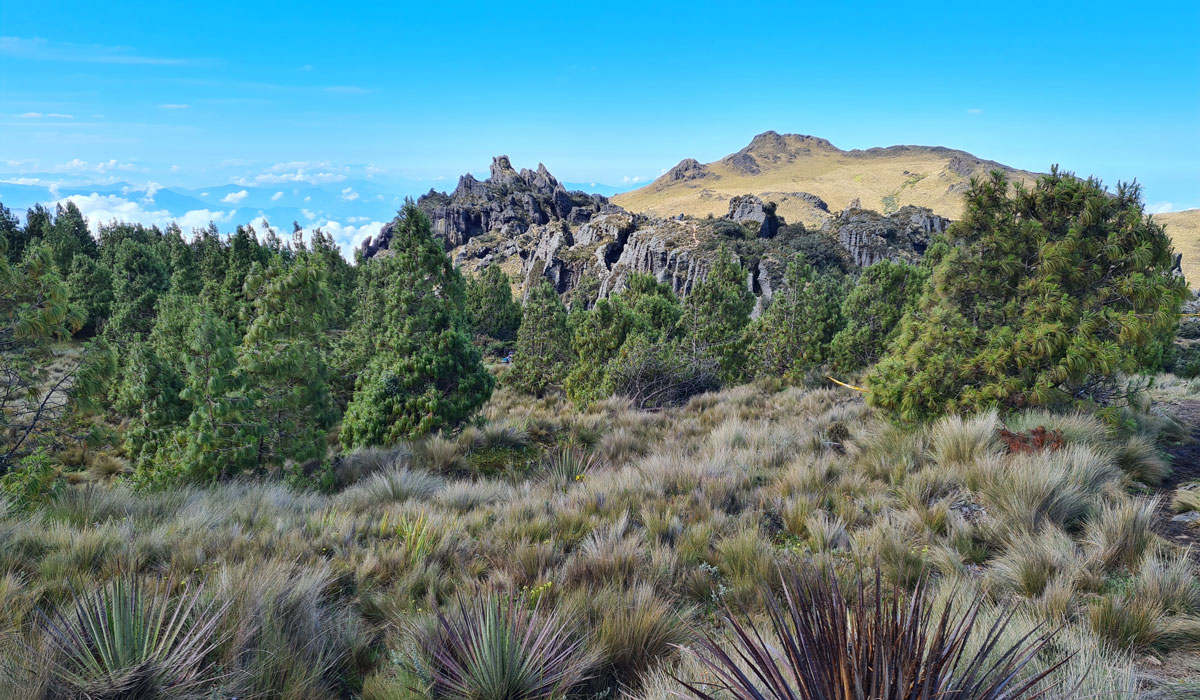
Rock formations in the reserve have naturally formed striking arches—impressive structures shaped over time by geological forces and erosion. These formations are a key feature of the landscape, offering a glimpse into the region’s ancient natural history.

General information

  • icono_ubicacion
    Province: Loja
  • icon_fecha_creacion
    Creation date: 2020
  • icon_area1
    Area: Approx. 1520 acres
  • icon_temperatura
    Temperature: 5 – 12 °C
  • icono_ecosistema-
    Ecosystem: Paramo
  • icon_clima
    Climate: Cold and windy
  • icon_altitud
    Altitude range: 3440 – 3650 meters above sea level

Facilities and services

iconos-jocotours-Birding

Birdwatching and nature tours

iconos-jocotours-Photography-

Excellent photo opportunities

iconos-jocotours-Park ranger escort available

Park ranger escort available

Biological importance

The Blue-throated Hillstar (Oreotrochilus cyanolaemus) is a range-restricted species, with an estimated population of only 80 to 110 mature individuals. It is found exclusively in this high-altitude region of southern Ecuador, at elevations above 3,000 meters. Expanding the Cerro de Arcos Reserve is essential to protect the species from ongoing threats such as páramo burning, livestock grazing, and the spread of pine plantations.

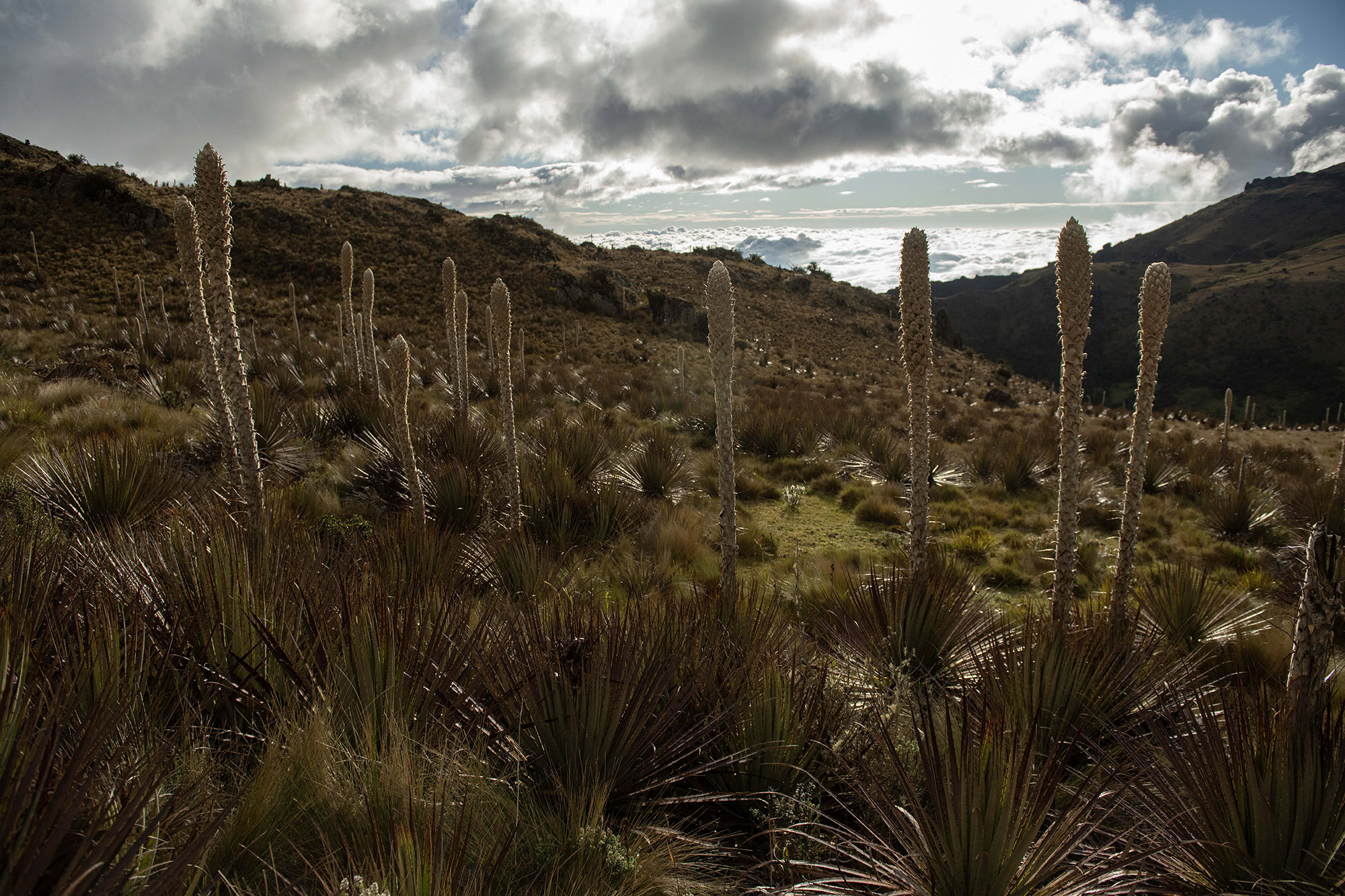
The reserve’s ecosystem is characterized by extensive highland grasslands and native plants such as the achupalla (Puya hamata)—a striking bromeliad capable of surviving fire—and the chuquiragua (Chuquiragua jussieui), known locally as the «Flower of the Andes» for its vibrant orange hue. These plants are the primary nectar sources for the hummingbird. We are also conducting a study of native plant species to guide our habitat restoration actions and ensure a mix of plants that will provide the Blue-throated Hillstar with year-round food availability.

Our conservation efforts are focused on helping this species move from Critically Endangered to Endangered on the IUCN Red List within the next five years.


How to get there?

From Saraguro, take the Saraguro–Manú road, passing through picturesque villages like Tenta, Celén, and Selva Alegre until you reach the Bellavista neighborhood. From there, take a detour through Valle Hermoso until you reach the Río Negro. The road crosses the river and about 500 meters further, a right turn leads you up the mountain to Cerro de Arcos.


Hours of Operation

Every day: Visits by reservation only.

Entrance Fee

Rates are in US dollars

Type of visitors

Rate (per person)

Foreign

$15

National*

$5

Older adults and children**

$2.50

* Special rates for national visitors, residents, and the Andean community.

** Children from 5 to 11 years old

Tips for your visit
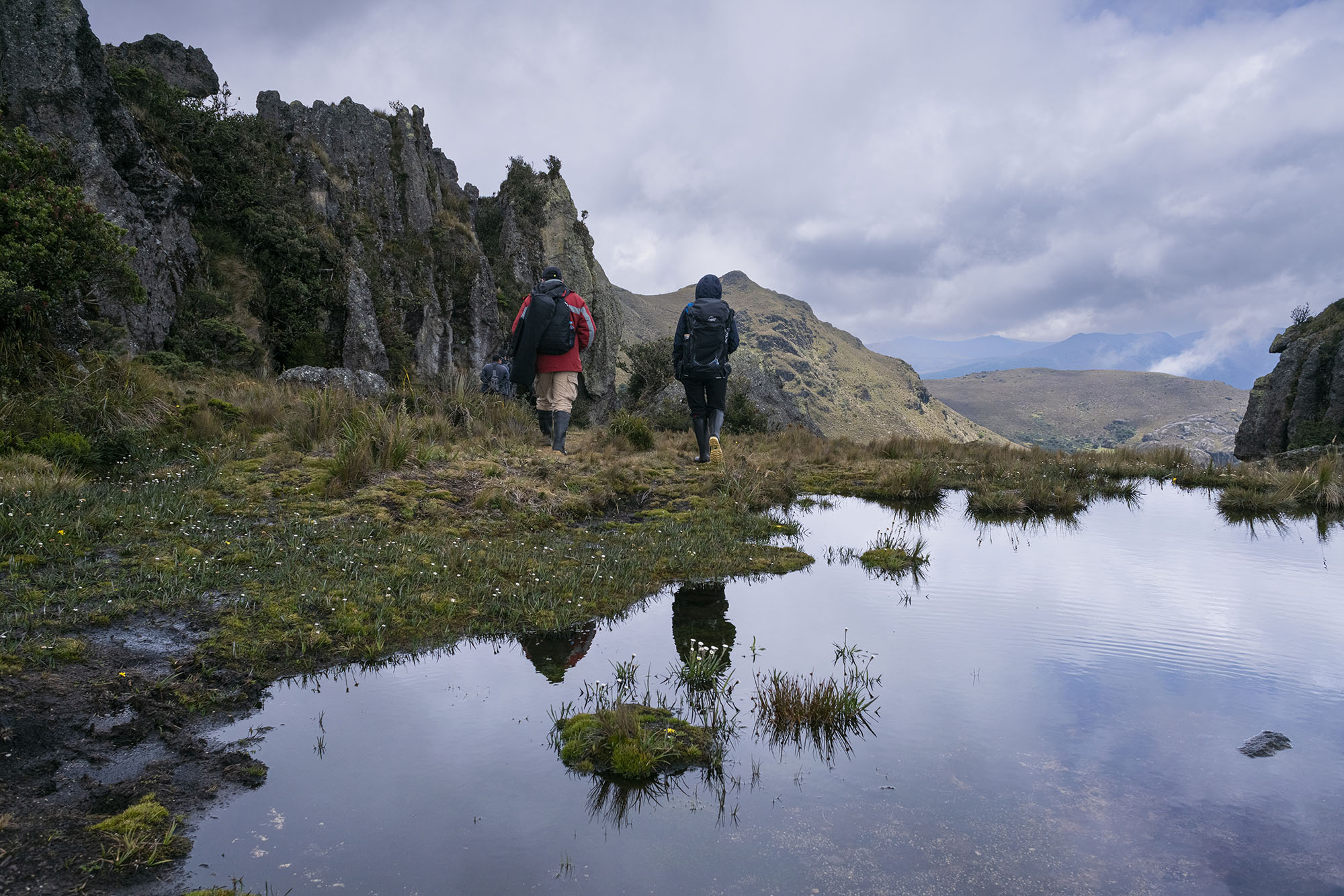
  • Dress warmly—temperatures can be very cold.
  • Bring a windbreaker, as strong winds are common.
  • Walk carefully on rocky trails for your safety.
  • Bring food and water, as there are no nearby services.
  • Please take all your trash with you. With your help, we keep the reserve clean. Thank you for your cooperation!
General Guidelines
  • Please refrain from bringing pets — this helps protect the native wildlife and plants.
  • Do not touch or feed wild animals — this is the best way to protect them and respect their natural habitat.
  • Always follow the instructions of our park rangers — they are here to ensure your safety and the protection of the reserve.

Fill out the form and we’ll get in touch