Las Balsas Reserve

Safeguarding the Lilacine Amazon and the Great Green Macaw

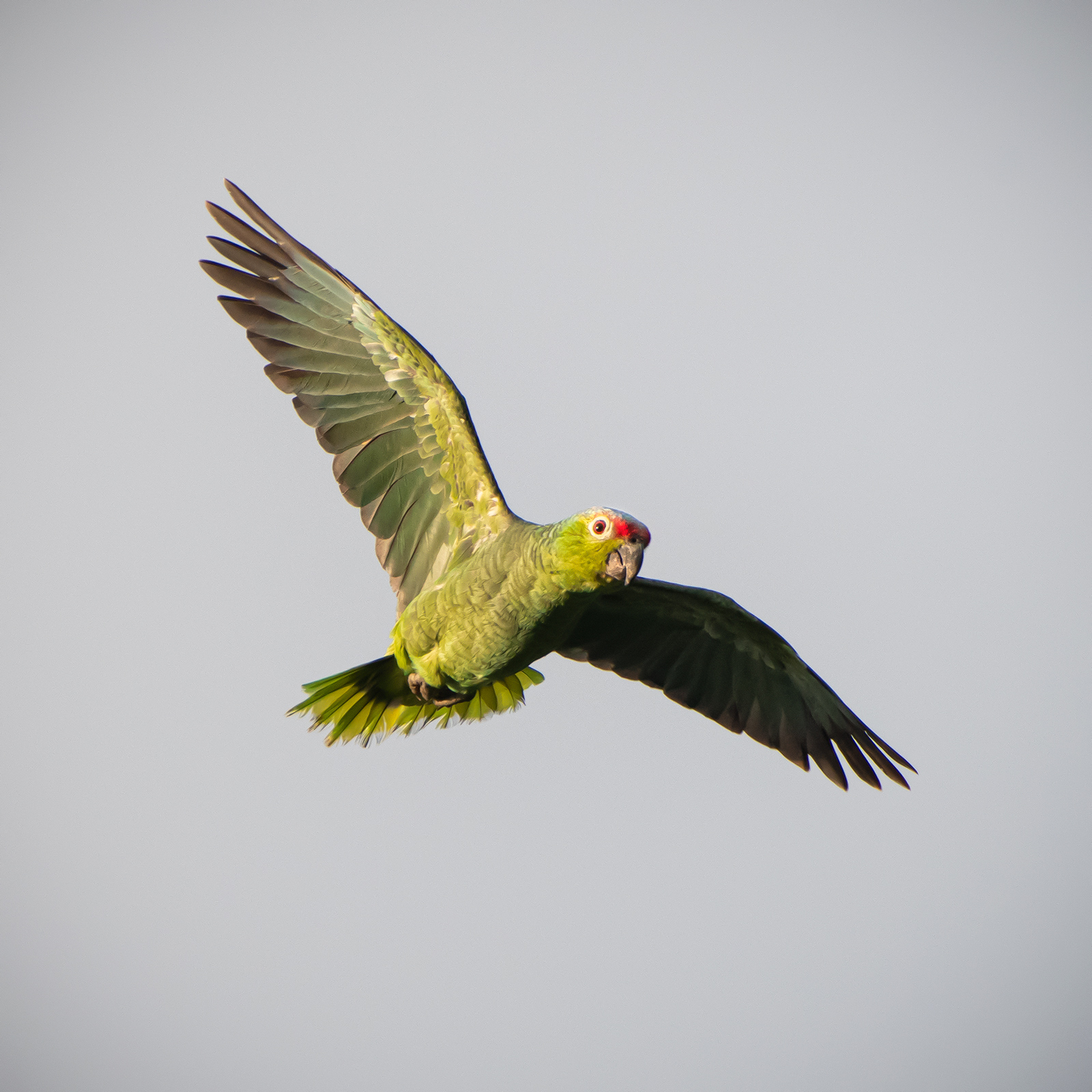
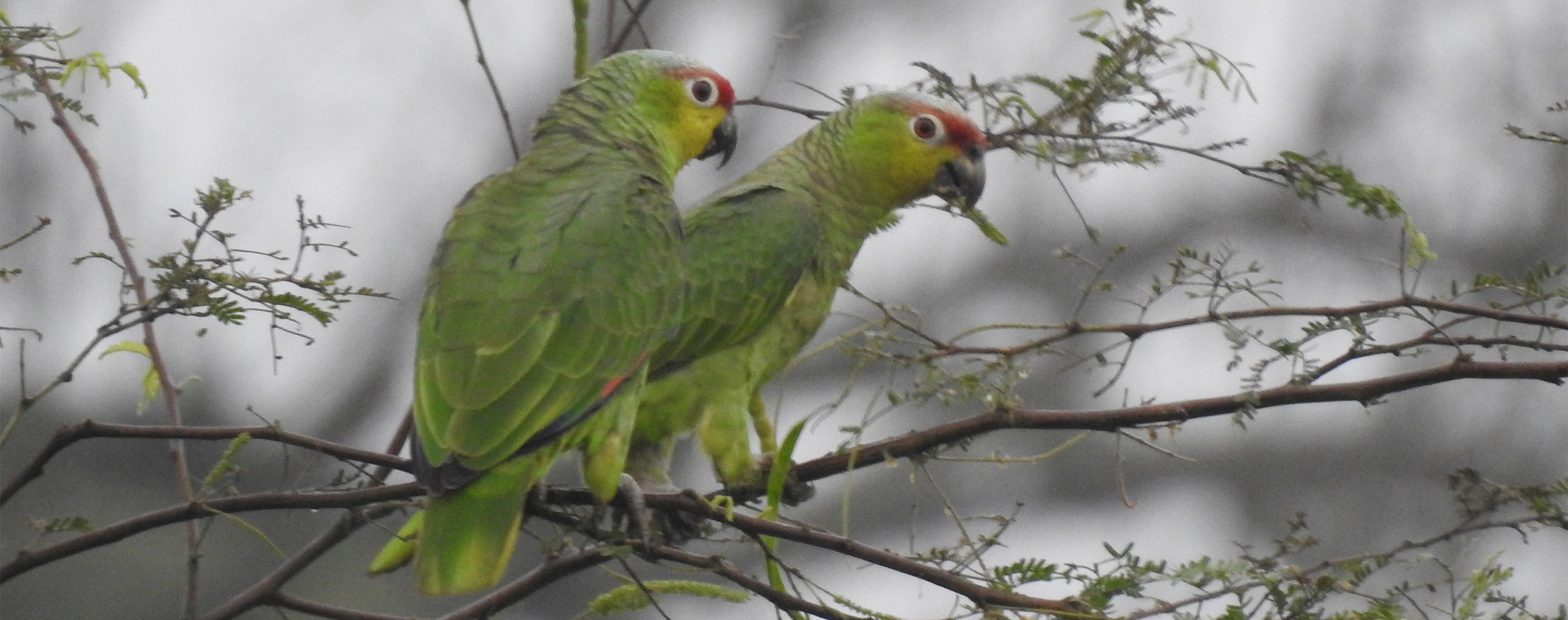
It was created to protect the roosting sites of the Lilacine Amazon, an endemic parrot of Ecuador that is classified as Endangered. This species is found only along the country’s coast and is threatened by habitat loss and illegal wildlife trafficking.

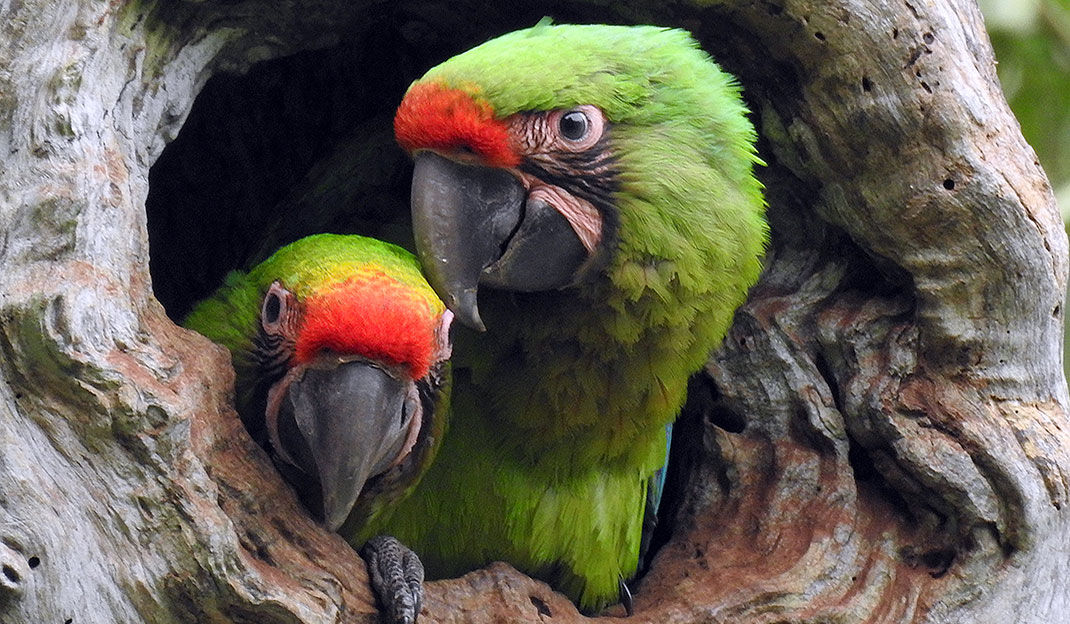
The reserve also safeguards a population of the Great Green Macaw  (Ara ambiguus), a Critically Endangered species with fewer than 60 individuals remaining in the wild.

General information

  • icono_ubicacion
    Province: Santa Elena
  • icon_fecha_creacion
    Creation date: 2019
  • icon_area1
    Area: Approx. 237 acres
  • icon_temperatura
    Temperature: 25 °C
  • icono_ecosistema-
    Ecosystem: Tumbes dry forest
  • icon_clima
    Climate: Dry tropical
  • icon_altitud
    Altitude range: 80 – 100 meters above sea level

Facilities and services

iconos-jocotours-Birding

Birdwatching and nature tours

iconos-jocotours-Photography-

Excellent photo opportunities

iconos-jocotours-Self-guided trails

Guided trail hikes

iconos-jocotours-Park ranger escort available

Park ranger escort available

Biological importance

The Lilacine Amazon is a parrot species that has found a safe haven thanks to the conservation work we carry out to protect its habitat, along with the commitment of the ancestral community of Las Balsas to safeguard this and other species.

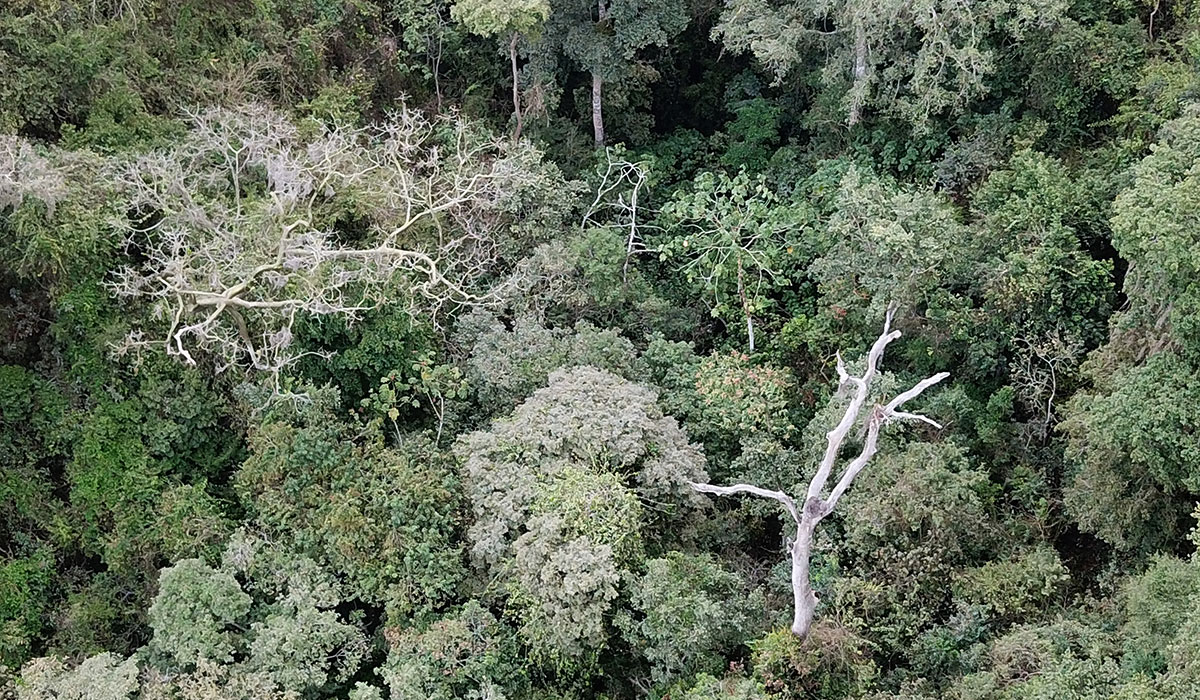
Every evening, over 3,000 Lilacine Amazons gather near the Las Piedras River, in the algarrobo forest protected by the reserve, creating a fascinating spectacle as they fly together to their roosting sites. In addition to being their resting area, the reserve also serves as a safe breeding habitat.

We have installed more than 70 nest boxes strategically placed throughout the reserve, which are regularly monitored to track the reproductive status of this species.

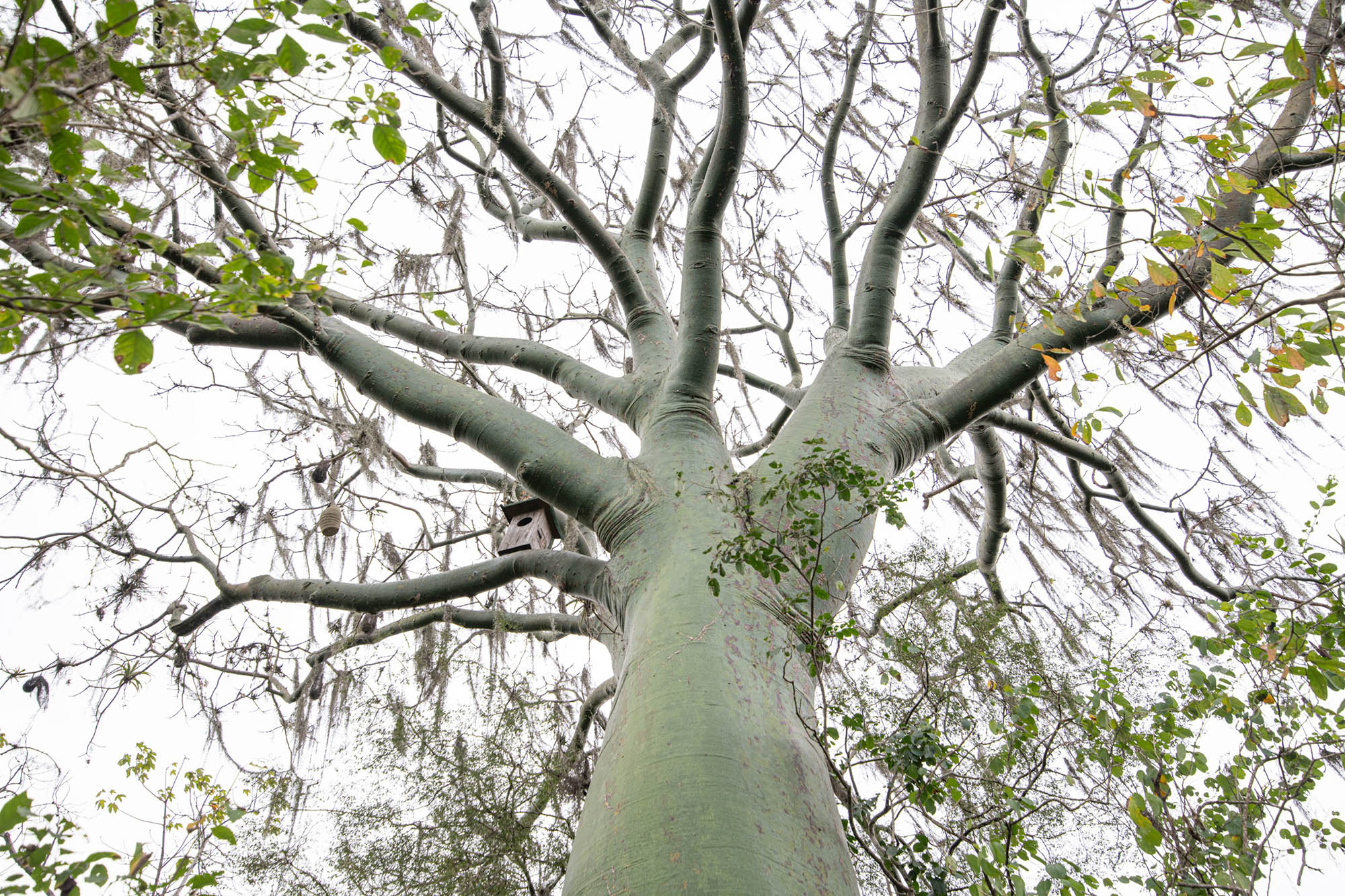
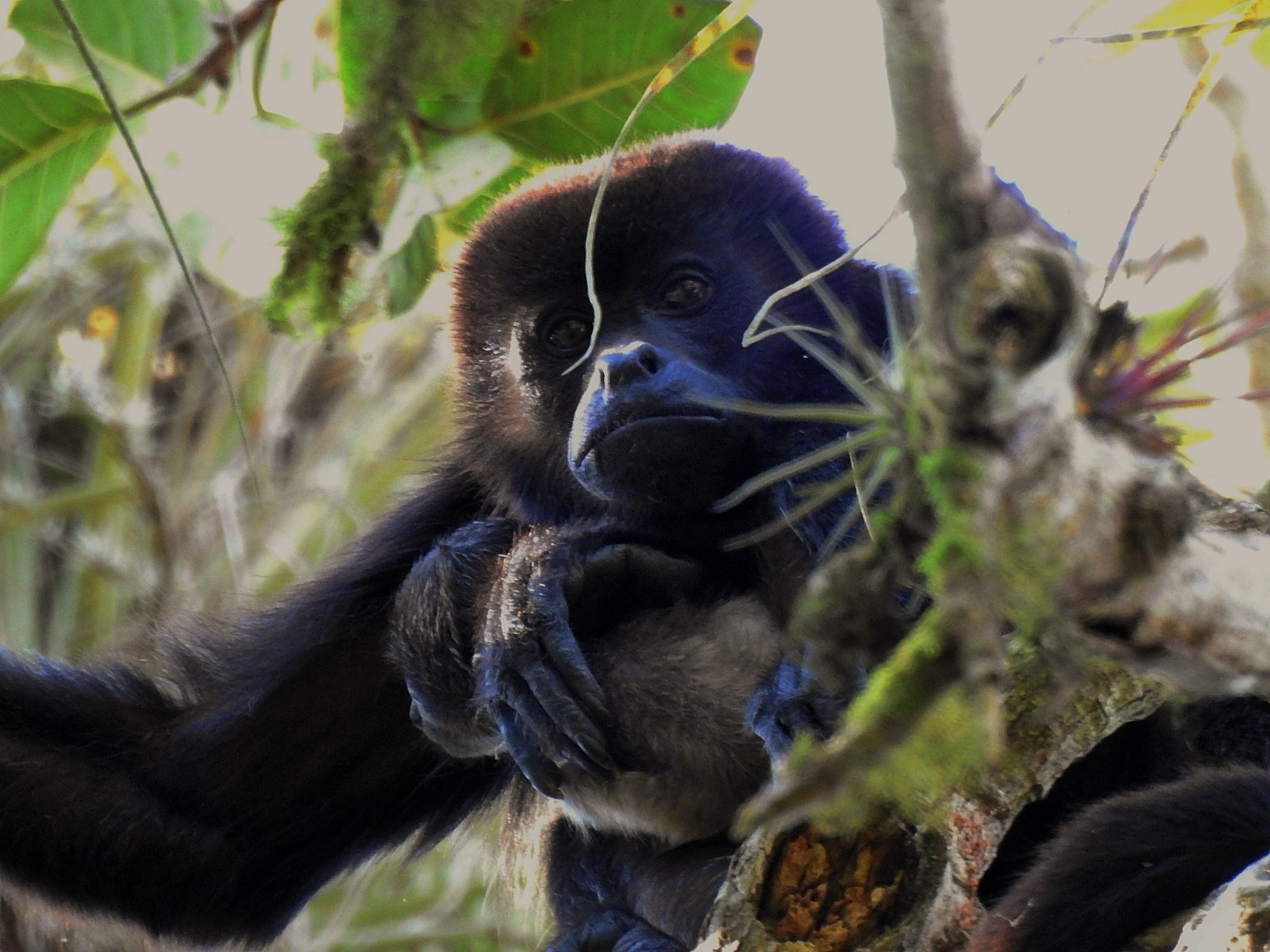
The reserve is also home to other species such as the Ecuadorian Capuchin Monkey (Cebus aequatorialis), and notable plant species including bototillo (Cochlospermum vitifolium), algarrobo (Prosopis pallida) and ceibo (Ceiba trichistandra).


How to get there?

From Guayaquil (approximately 2 hours of travel): Take the Vía a la Costa (E40) heading toward Santa Elena. Continue on the Ruta del Spondylus (E15) north, passing through towns like Montañita and Olón. About 10 km north of Montañita, in the town of Las Palmas, you will find the entrance to the Las Balsas community. From there, follow local signs or directions that will guide you to the reserve.

From Manta (approximately 3 hours of travel): Take the Ruta del Spondylus (E15) south, passing through Puerto López and Ayampe. About 15 km south of Ayampe, in the town of Las Palmas, you will find the entrance to the Las Balsas community. From there, follow local signs or directions that will guide you to the reserve.

Hours of Operation

Every day: Visits by reservation only.

Entrance Fee

Rates are in US dollars

Type of visitors

Rate (per person)

Foreign

$15

National*

$5

Older adults and children**

$2.50

* Special rates for national visitors, residents, and the Andean community.

** Children from 5 to 11 years old

Tips for your visit
  • Visit the reserve early in the morning, when the birds are most active and the weather is cooler.
  • Wear lightweight, breathable clothing in neutral colors to avoid disturbing the wildlife.
  • Wear closed, comfortable shoes for walking on dirt trails.
  • Bring a hat, sunscreen, and insect repellent.
  • If you’re a bird enthusiast, binoculars and a zoom camera will be very useful.
  • Please take all the trash you generate with you. With your help, we can keep the reserve clean. Thank you for your cooperation!
General Guidelines
  • Please refrain from bringing pets — this helps protect the native wildlife and plants.
  • Do not touch or feed wild animals — this is the best way to protect them and respect their natural habitat.
  • Always follow the instructions of our park rangers — they are here to ensure your safety and the protection of the reserve.

Fill out the form and we’ll get in touch