This 10-day educational program is designed for students, universities, and conservation-focused groups, combining urban cultural exploration, Andean cloud forest conservation, and immersive rainforest fieldwork in two of Ecuador’s most important biodiversity regions.
Participants will work alongside Fundación Jocotoco’s park guards, parabiologists, and conservation teams, gaining hands-on experience in species monitoring, habitat restoration, biodiversity data collection, and community-based sustainability projects.
Welcome to Ecuador! Transfer to your hotel in modern Quito.
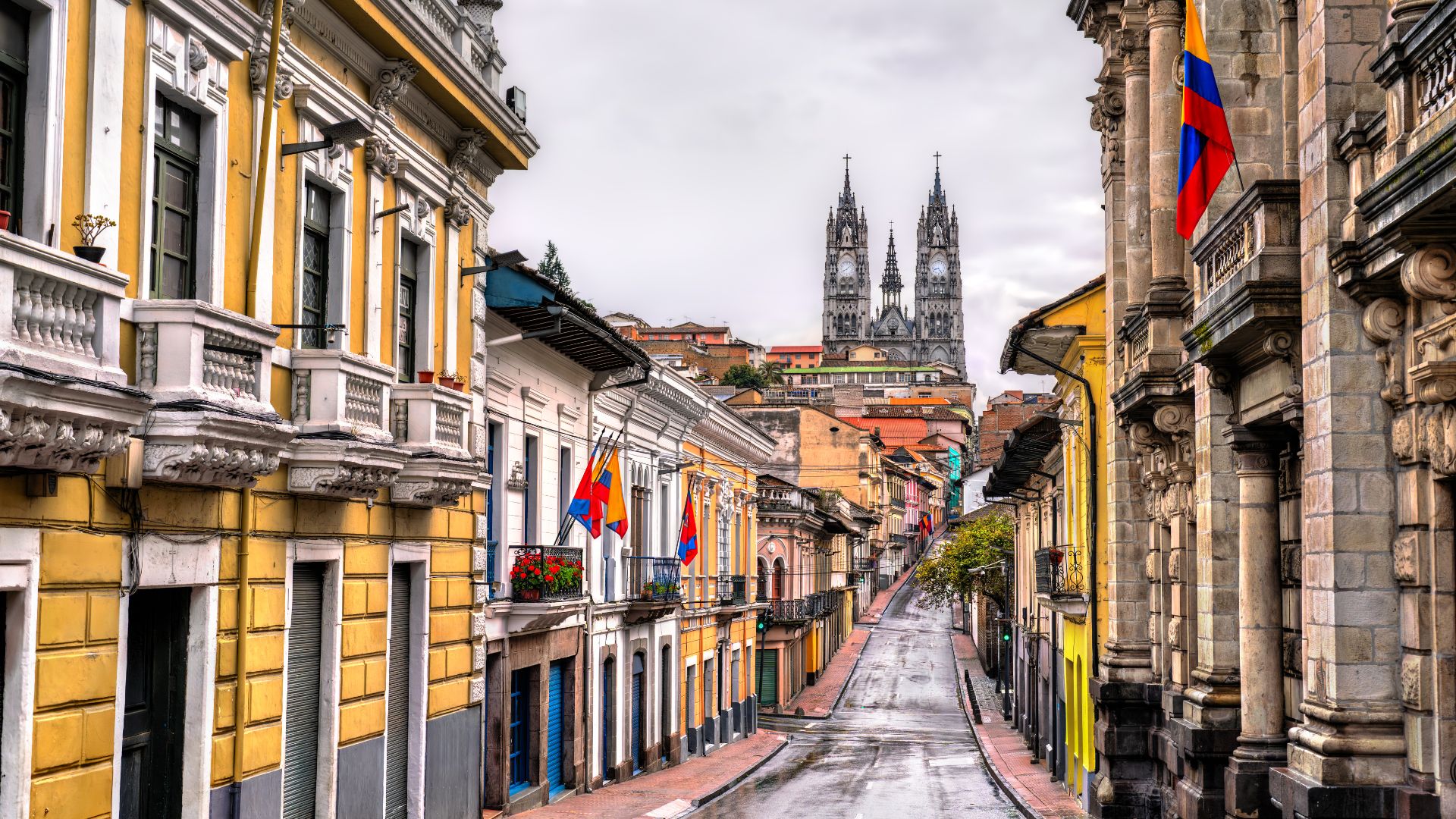
Quito lies about 9,000 feet above sea level in the province of Pichincha and is home to an array of beautiful cathedrals, elegant old mansions, fascinating museums, squares, and parks. Full of street markets selling a wealth of Ecuadorian jewels and arts and crafts, Quito’s wonderful spring-like climate is dominated by mountains, with several snow-capped volcanoes standing majestically in the distance. In 1978, UNESCO declared the city one of the most important world cultural heritage sites in Latin America.
Enjoy a walking tour of colonial Quito to see the highlights, such as the Basilica Church, Independence Square, San Francisco Square, La Ronda Street, and the unique La Compañía de Jesús Church. You will learn about history, culture, and legends, including the impact of introduced plant and animal species, how the weather has changed over the centuries, and why nature and geography played an important role in establishing Quito as the capital of Ecuador.
Option 1: Cooking class
In the afternoon, we will meet our chef at a local market to shop for the ingredients for our cooking class. The menu will feature traditional dishes that you can replicate at home. We will share interesting facts and stories about Ecuadorian food and culture during the class.
Option 2: Equator
After lunch, you will experience the Equator, just 20 km (12 miles) north of Quito. Here, you can see the historical point where the French Geodesic Mission measured the Earth’s circumference in 1736 and found zero latitude. You will also visit the Inti Ñan Museum, which contains interesting explanations of natural facts applicable only at the Equator and a comprehensive display of Ecuador’s indigenous cultures.
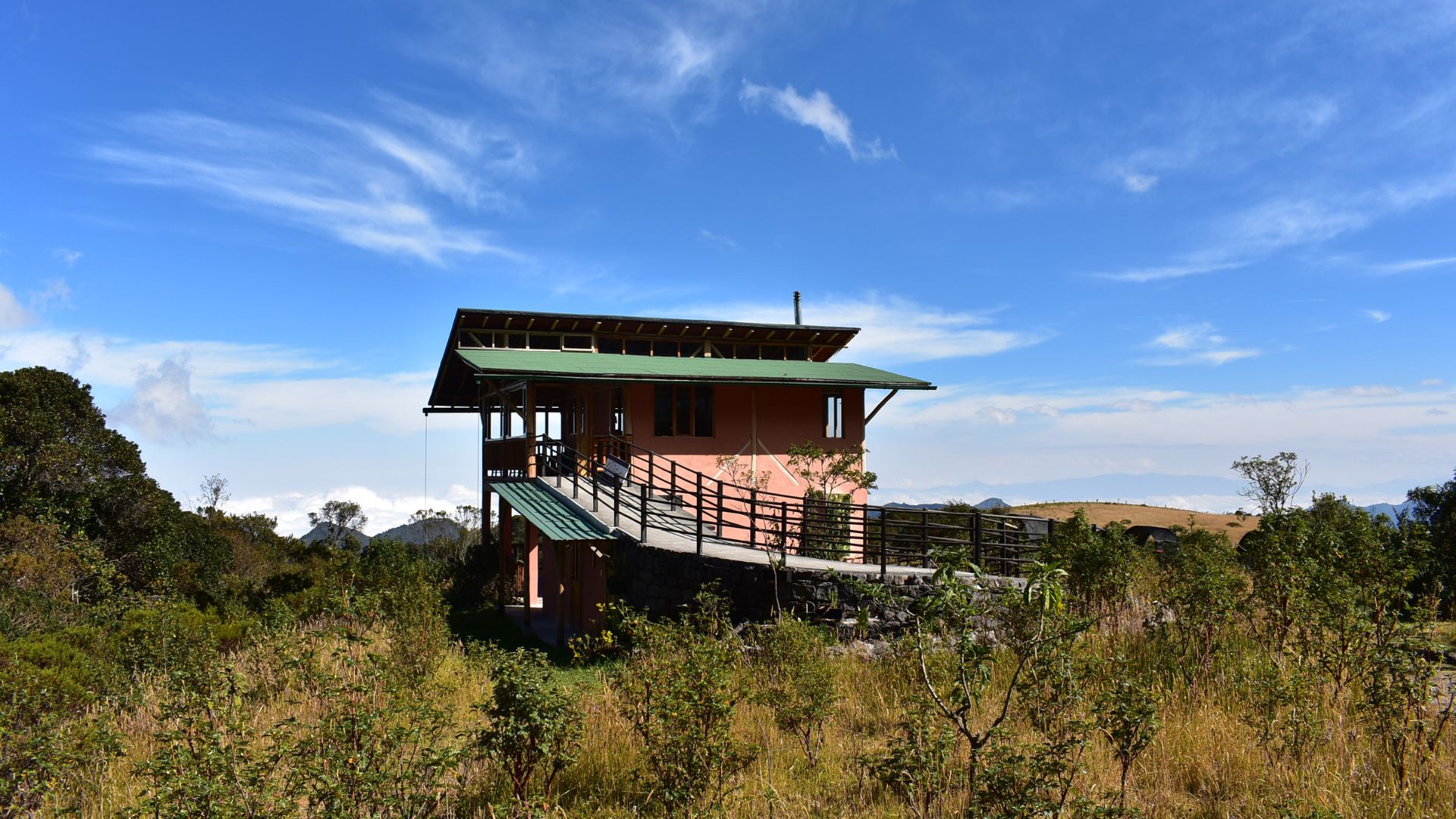
The Black-breasted Puffleg (Eriocnemis nigrivestis) was declared the emblem of Quito in 2005. This critically endangered hummingbird species is the reason Jocotoco established the Yanacocha Reserve at the foothills of Pichincha Volcano in 2001. The reserve spans 1,100 hectares (2,700 acres) and covers an elevation range from 3,200 to 4,400 m.a.s.l. (10,500 to 14,400 feet), protecting the Andean cloud forests and the paramo highlands.
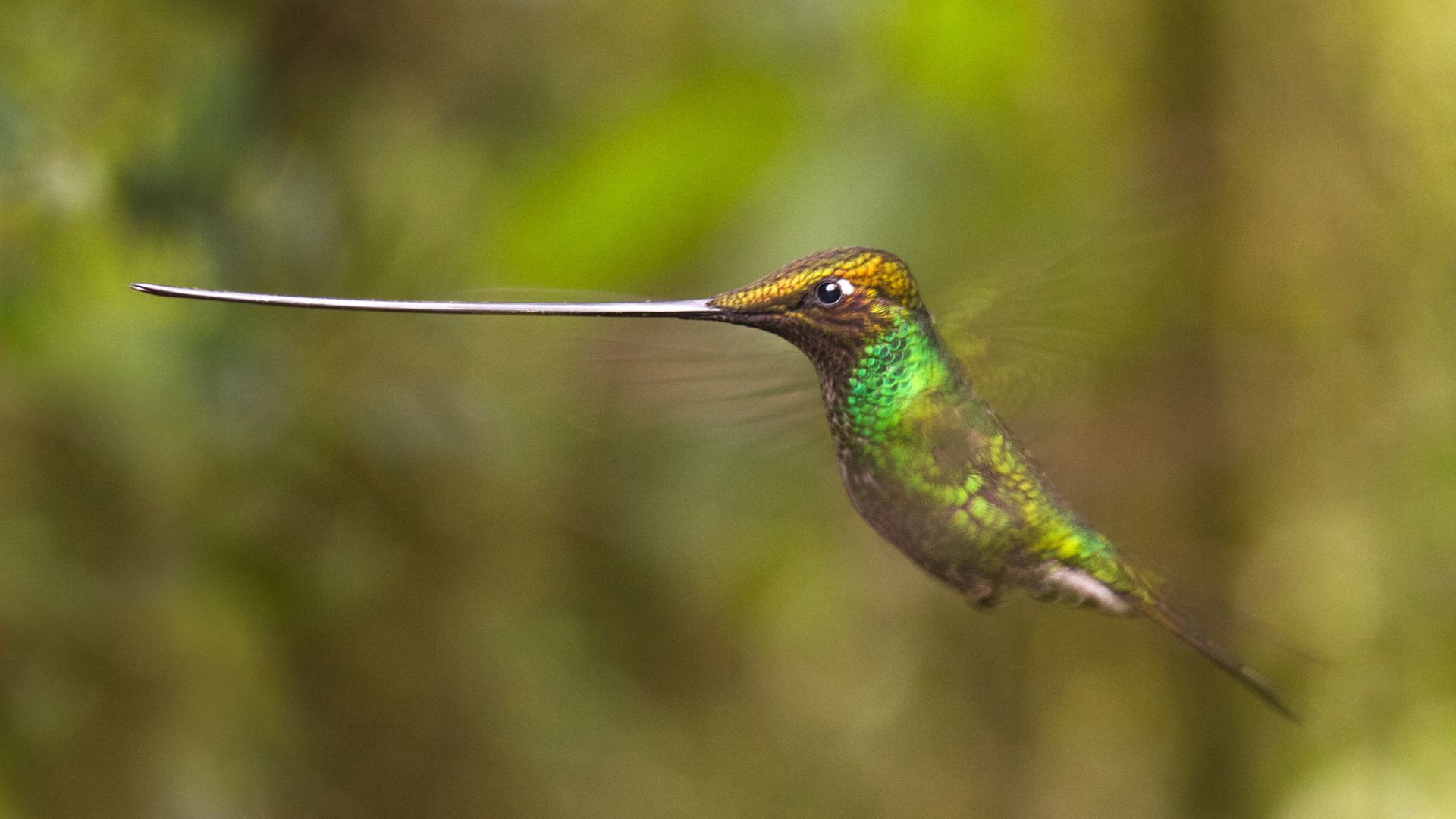
Immerse yourself in the forests of Yanacocha Reserve, a haven for bird watchers and nature enthusiasts. We will spend time in the main bird feeders to record the species and observe their behavior. The Inca Trail (2 km / 1.2 miles) will take us to other feeders where species like the Sword-billed hummingbird are regulars. In the afternoon, we will work at the nursery and learn about the restoration project that employs native species like the polylepis (Polylepis pauta), puyas (Puya clava-herculis), and the angel’s trumpet (Brugmansia arborea). Our park guards will also share information about the medicinal properties of several species. We will establish a reforestation plot to plant and monitor the trees over time.
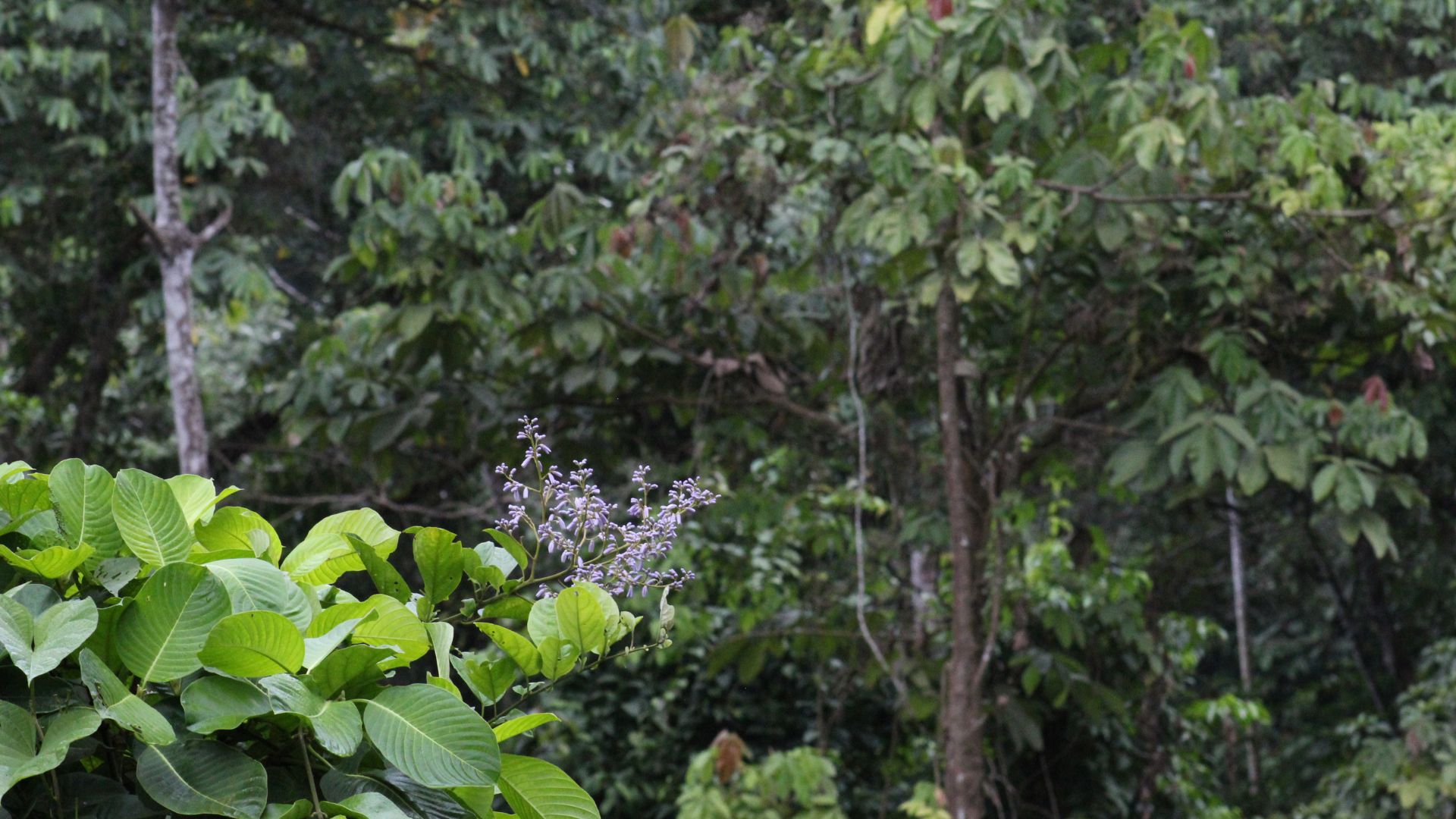
We drive to Esmeraldas province to reach the Canandé Wildlife Refuge, Jocotoco’s largest reserve that spans over 17,000 hectares (42,000 acres) and protects one of the world’s biodiversity hotspots. The Chocó Lodge is located at 300 m.a.s.l., but the reserve covers an altitudinal range from 100 to 1,700 m.a.s.l. (328 to 5,570 feet); the highest elevations are those next to the Cotacachi-Cayapas National Park. After lunch, the staff will show you around the facilities, including the Chocó Lab, our scientific station where we will give you a general introduction to the Chocó Forest and our conservation projects.
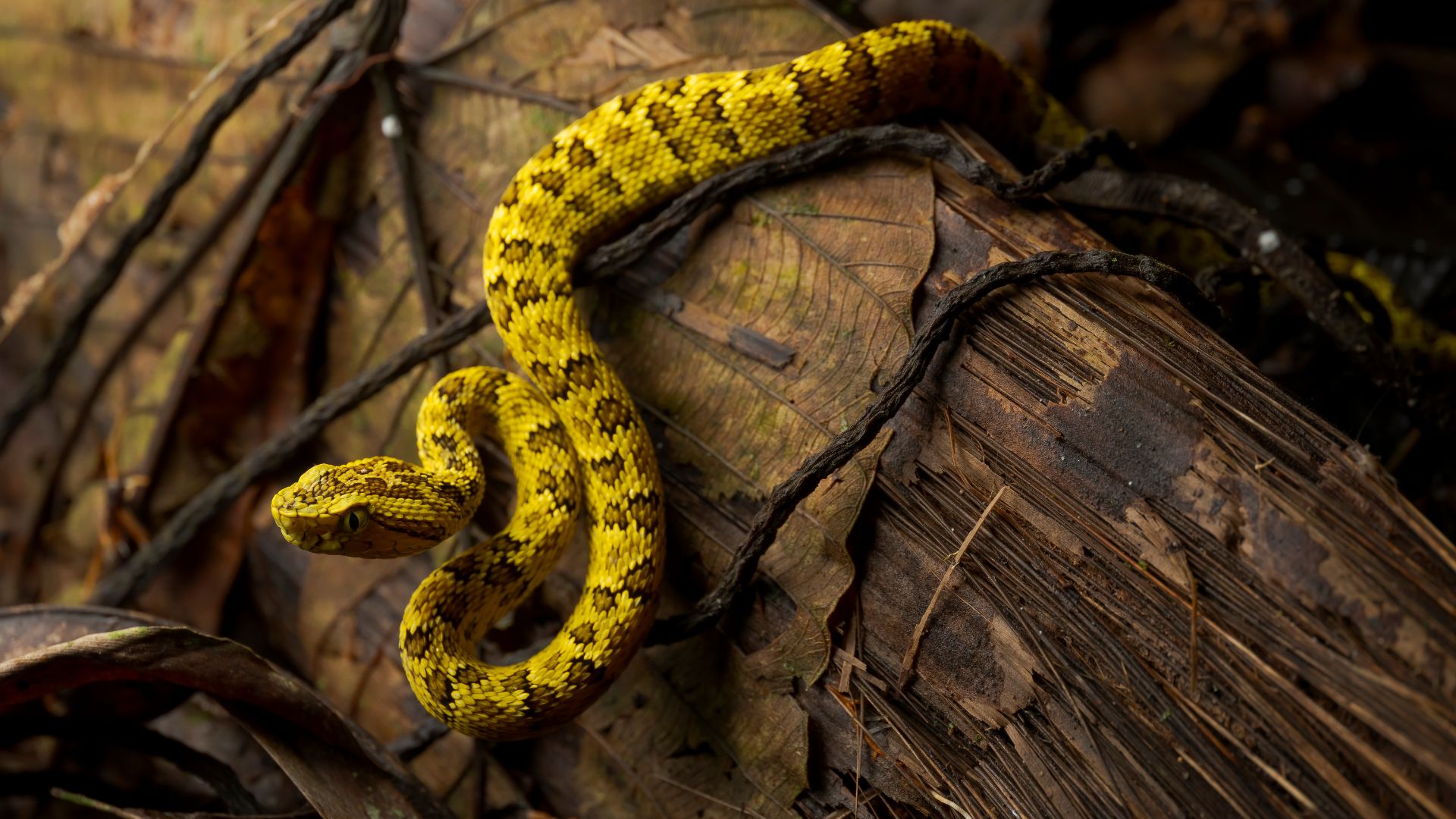
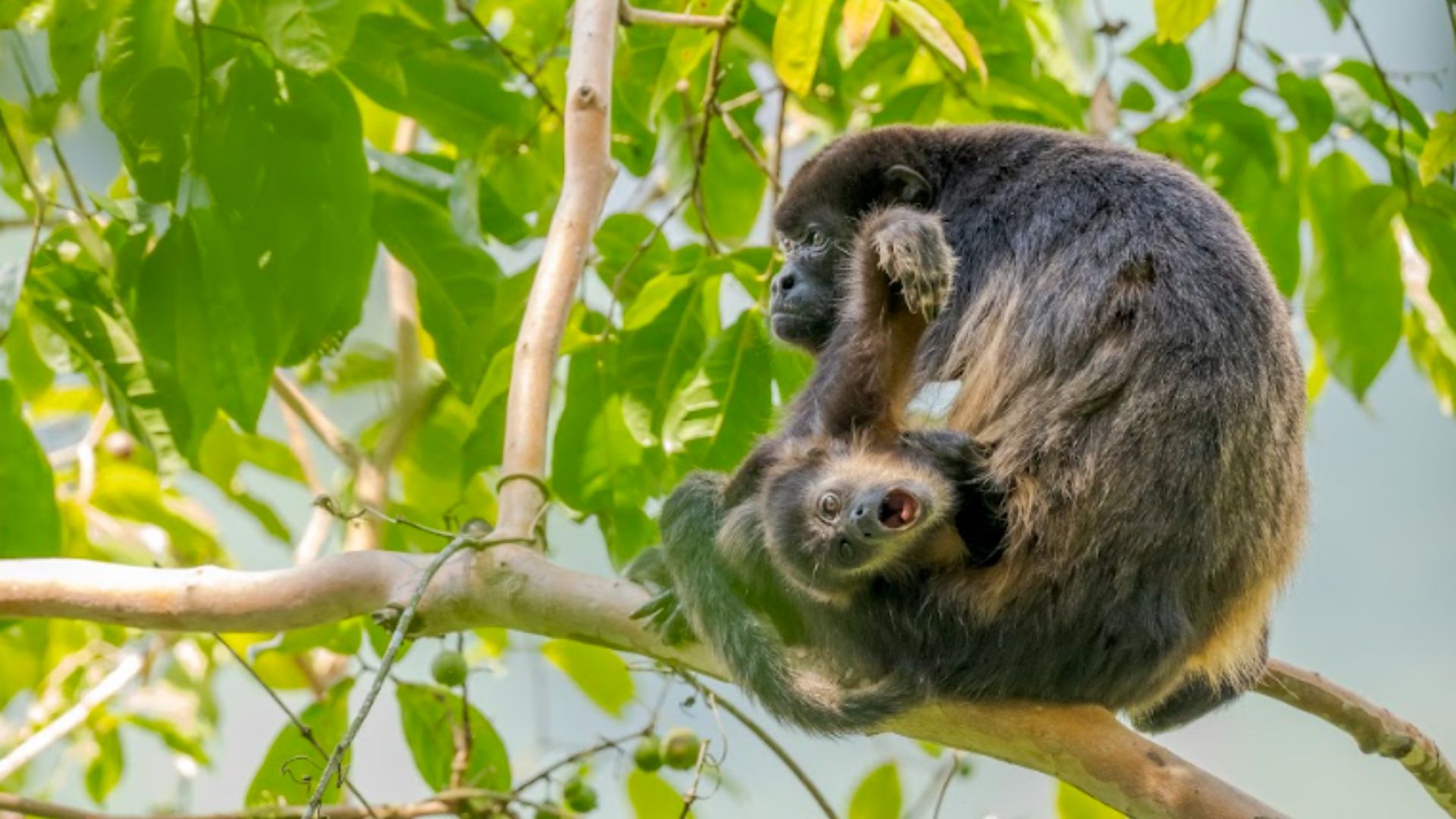
The trail network in Canandé offers excellent opportunities to see wildlife, including three species of primates (Mantled howler monkey, Brown-headed spider monkey, and White-fronted capuchin), hundreds of plants, and a wide array of birds, reptiles, and amphibians. You can hike up to the viewpoint to have an expansive view of the forest, including nearby towns.
We will conduct primate monitoring with the Jocotoco park guards, followed by work at the nursery, where we propagate several endangered species, such as endemic magnolias. After dinner, search for night creatures with our parabiologists and park guards.
Explore other trails inside the reserve where streams and waterfalls cross through the forest, and take a dip to reenergize. We will record the biodiversity along the paths and learn to use monitoring equipment such as audio recorders, camera traps, and drones.
In the evening, enjoy a night walk (optional and subject to weather conditions) to get a different perspective of the forest.
Today, we will visit a nearby farm to learn how sustainable farming supports community and agrotourism. Local produce includes bananas, plantains, cassava, passionfruit, papaya, and the famous cacao. You will help harvest some fruits and vegetables and try them during lunch. For dessert, you will prepare the chocolate sauce from scratch. First, try the fresh cacao fruit, then roast and peel the beans, grind them, and mix them with your preferred amount of water, milk, and sugar.
In the evening, enjoy a night walk (optional and subject to weather conditions) to get a different perspective of the forest.
We start early with bird-watching from the observation tower. Then, we help our park guards record the species on iNaturalist or eBird. After breakfast, we return to Quito.
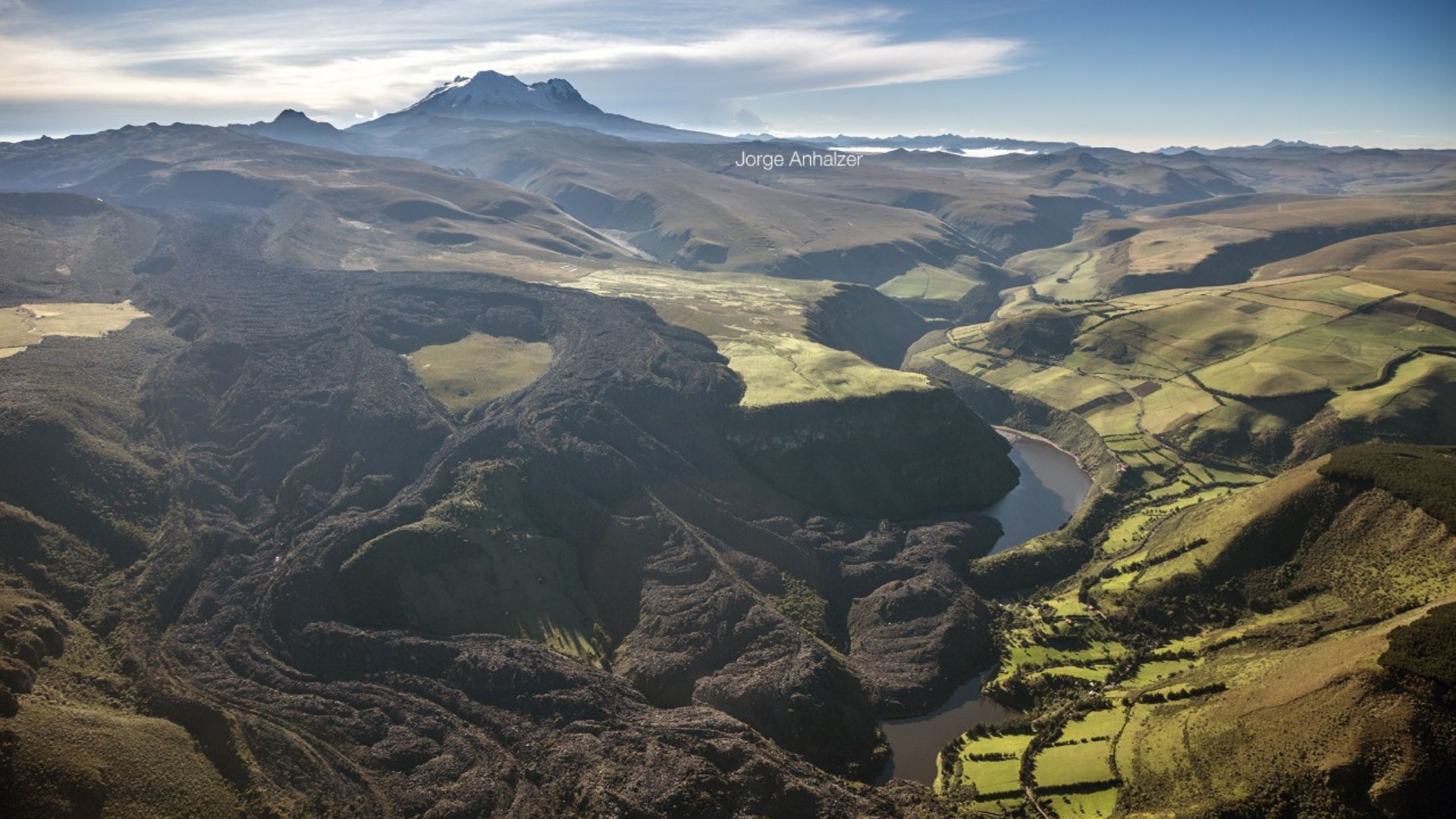
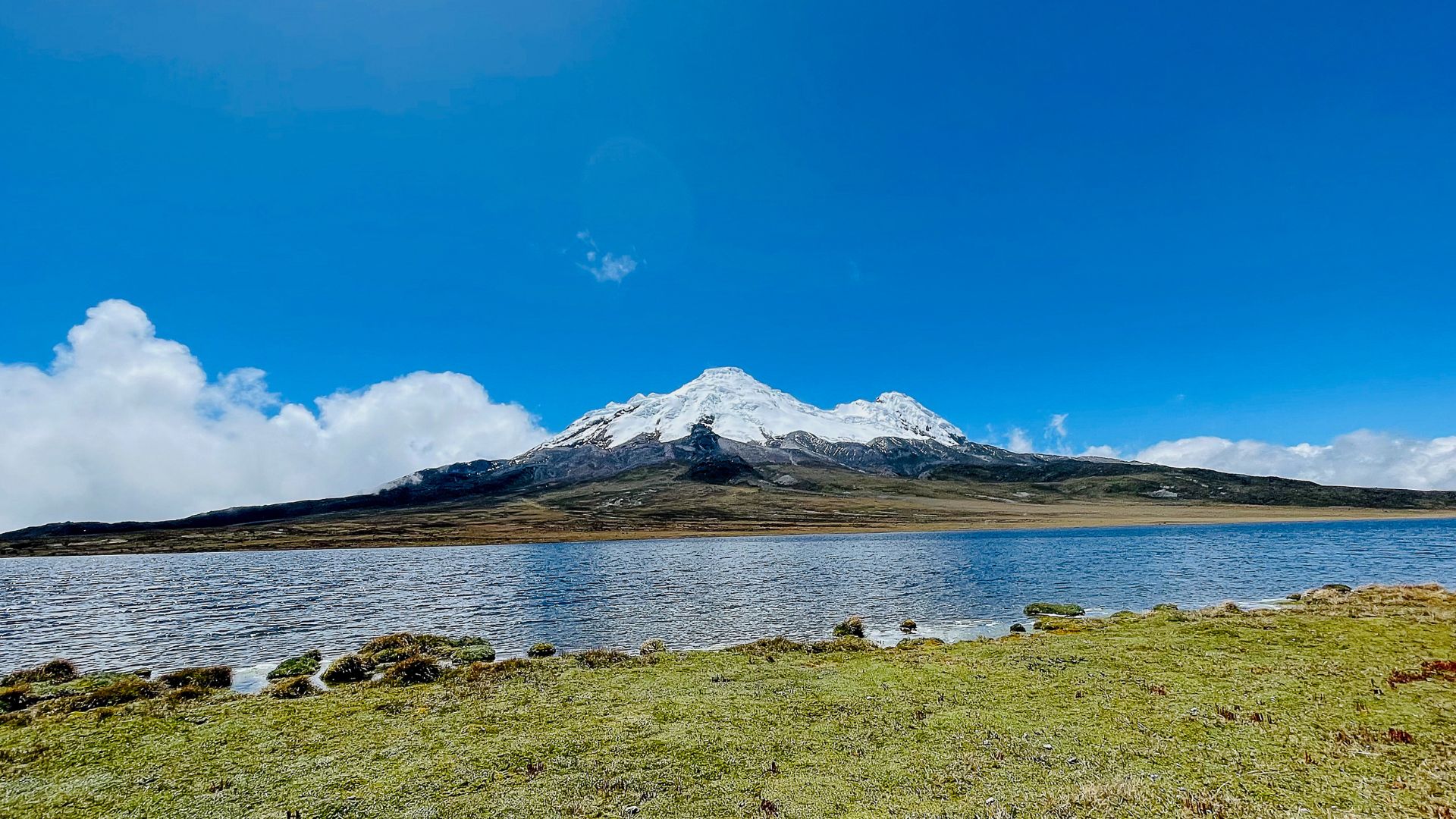
The Chakana Reserve was established in 2011 to protect the paramo ecosystem on the outskirts of Quito, next to Antisana National Park. It spans nearly 5,000 hectares (12,355 acres) with an altitudinal range from 3,600 to 4,100 m.a.s.l. (11,800 to 13,400 feet), home to incredible wildlife. A 90-minute drive from Quito, you can see Antisana Volcano from the highway, passing through Pintag town–owing its name to the indigenous general that fought against the Inca conquest in the 15th century–and driving along the Chakana lava flow, now a quarry, you will reach the entrance to the reserve at the «Mirador del Isco» (viewpoint).
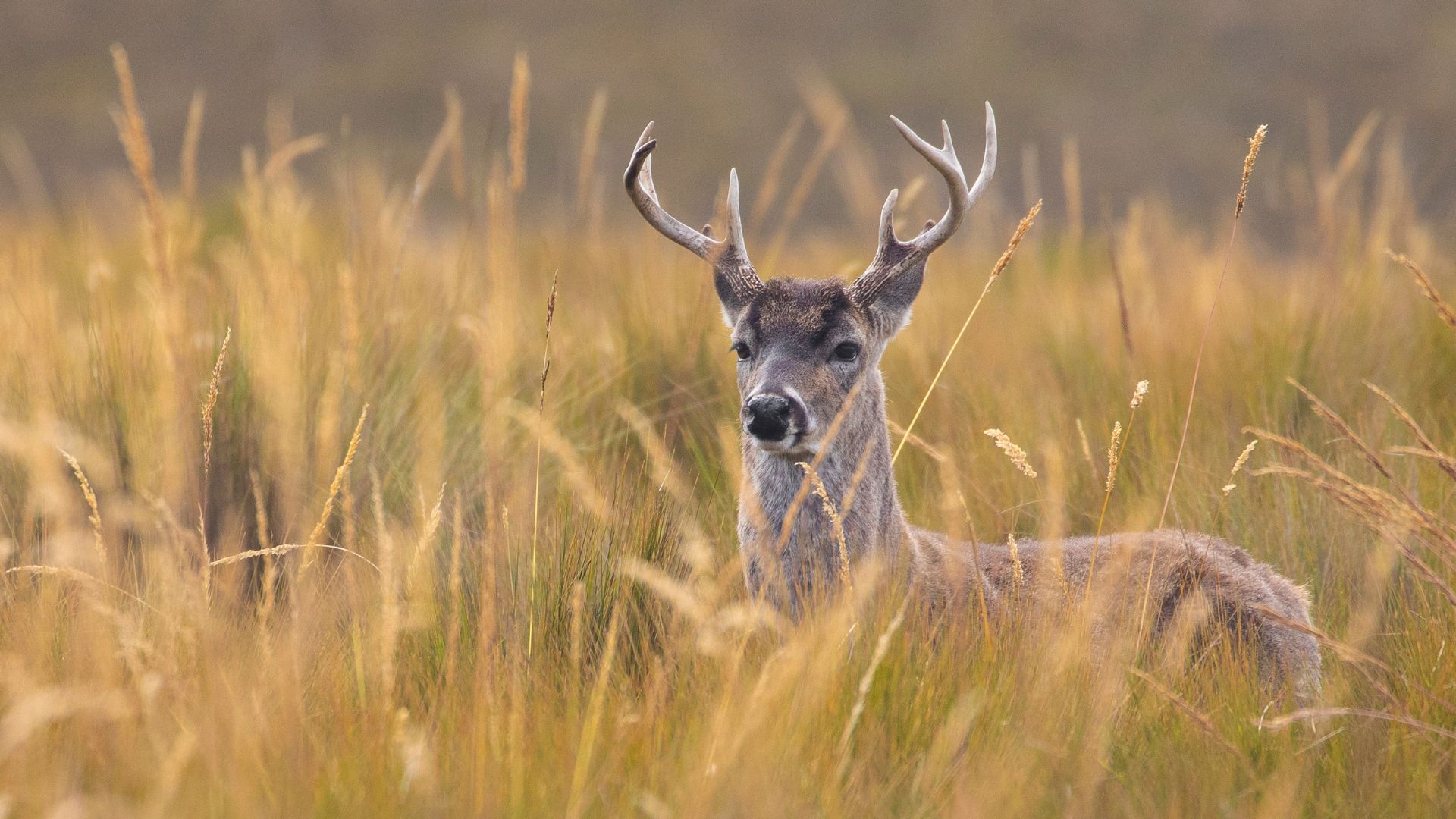
Explore the Chakana Reserve, the largest sanctuary in Ecuador for the Andean Condor, holding about 40% of the national population, where you can help Jocotoco’s park guards conduct a bird count. Search for the Andean Bear or Spectacled Bear, another magnificent animal that resides inside the reserve, where the foundation uses camera traps to monitor and identify the individuals. Mountain Tapir and Pumas also frequently appear in the cameras, which underscores the importance of protecting the Andean highlands or paramo. The wetland restoration project, conducted by external researchers, has yielded promising results, including carbon sequestration data. Our conservation team and park guards will share more information about our conservation activities and projects.
Transfer to the airport for your flight back home. Safe travel!