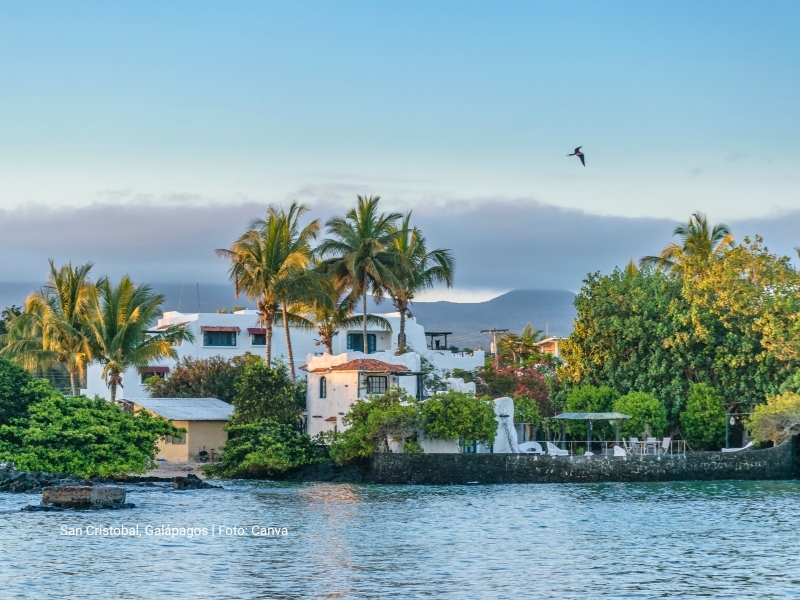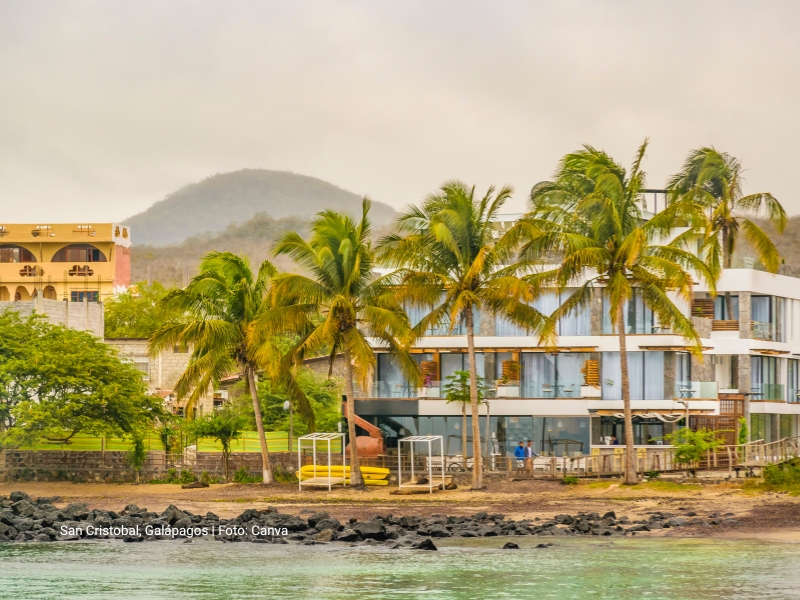
This immersive San Cristóbal Island experience offers an in-depth introduction to the natural, marine, and conservation heritage of the Galápagos Islands. The itinerary combines interpretive visits, snorkeling excursions, navigable boat tours, and highland exploration, allowing travelers to experience the island from both land and sea.
Highlights include encounters with sea lions, frigatebirds, blue-footed boobies, marine iguanas, giant tortoises, sharks, rays, and sea turtles, as well as visits to key conservation sites that showcase the ongoing efforts to protect this unique ecosystem.
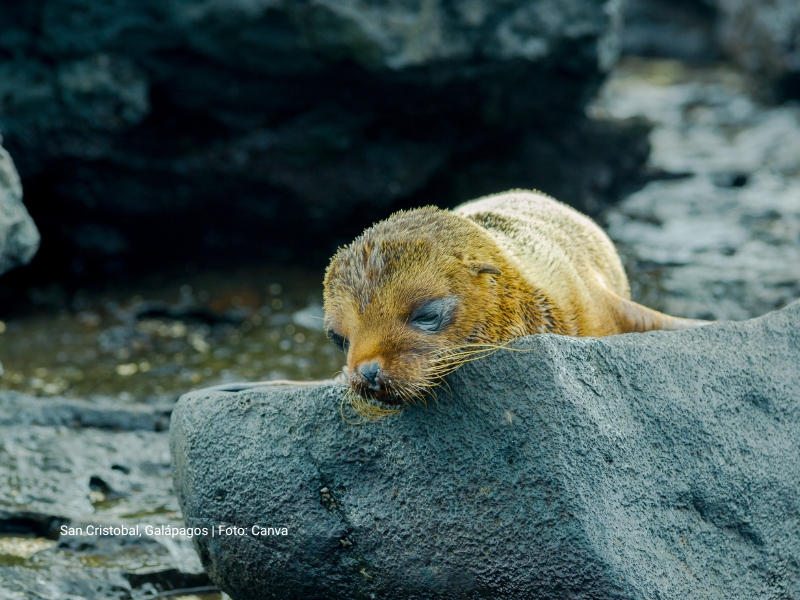
Galápagos is a year-round destination.
December–May: Warmer sea temperatures, excellent snorkeling conditions.
June–November: Cooler waters, rich marine life, ideal for wildlife observation.
If you use several means of transportation (planes, buses, canoes, etc.) during your trip to Ecuador, it is essential to limit your luggage. What is not essential can be stored in your hotel in the city. If you go to the jungle or take an active trip it is also better to travel with backpacks instead of suitcases.
Fly from Quito in the morning. The Galapagos Islands timezone is 1 hour behind continental Ecuador. Flight times may vary with departure date or in the event of a stopover.
Interpretation Center
Jocotours recommendation: This trip should not be missed in your Galapagos experience. You can go on your own or with a nature guide. Groups of 5 or more require the accompaniment of a nature guide when visiting the National Park.
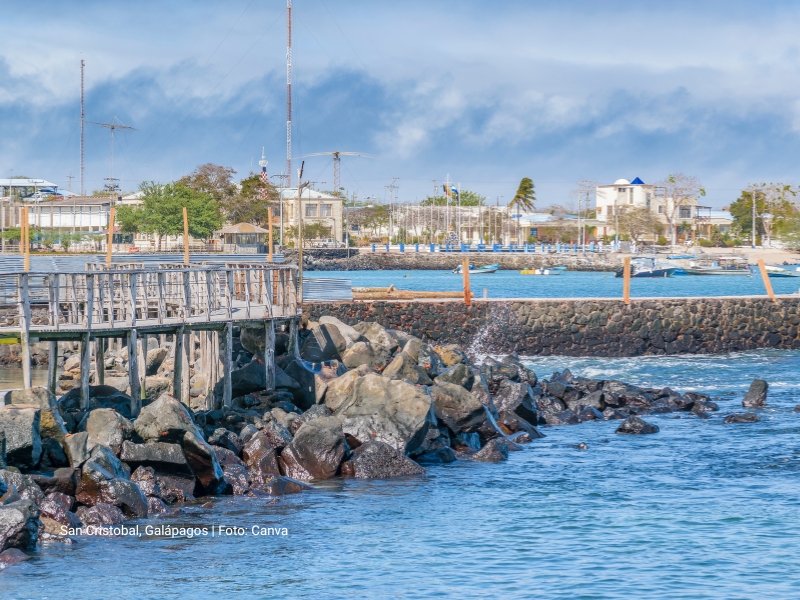
The National Park Interpretation Center Gianni Arismendi on San Cristóbal Island was built in collaboration with the Spanish Science Center. The tour offered by the Center for Interpretation’s facilities provides a good overview of the Galapagos Islands. The tour takes us through the history of the islands in the context of nature, humankind, and conservation. It also tells the story of the first settlers on the islands. It is not far from the harbor, and from there you get to the Frigatebird Rock directly.
Gianny Arismendi was a park ranger on the Galapagos Islands. The national park authority has named the interpretation center after him, honoring him for his many years of educational work to protect the environment.
Frigatebird Rock
Enjoy a unique hike up to the Cerro Tijeretas – directly translated: Frigatebird Rock. As the name already suggests, this visitor point is home to innumerable frigatebirds, who also chose this place as a nesting site.
Marvel at the «Pirates of the skies» with their red throat sacs and black plumage. Did you know that they can not dive into the water and are often forced to steal prey from other seabirds to survive? Did you know that frigatebirds can fly for weeks at a time?
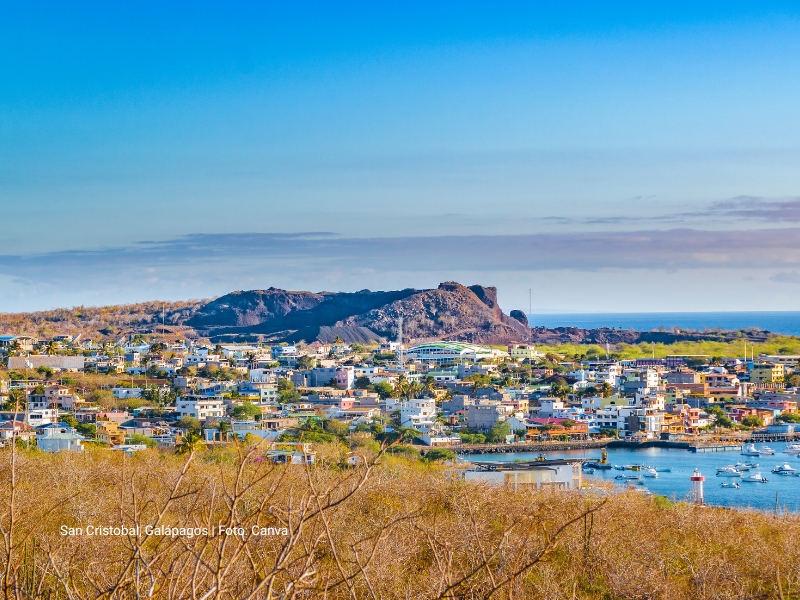
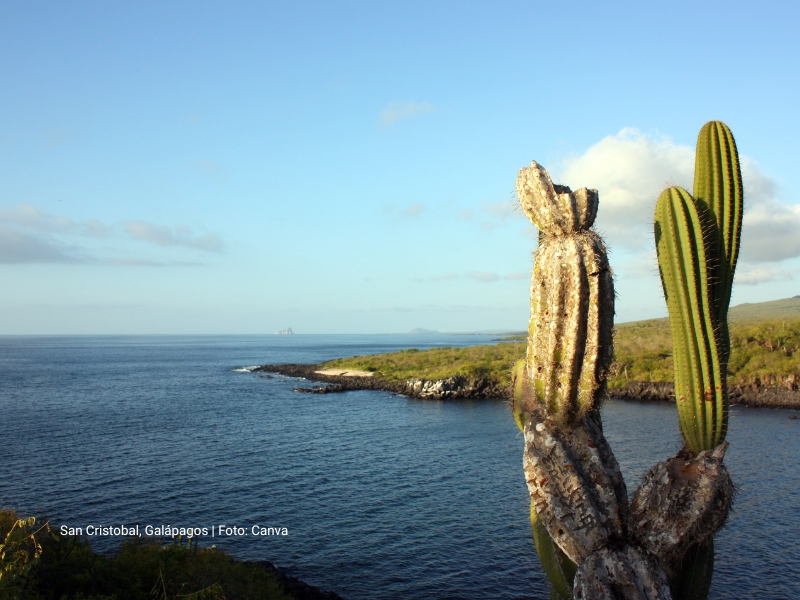
Cerro Tijeretas is the ideal place to enjoy a spectacular view of the rooftops of the provincial capital of Puerto Baquerizo Moreno, and the volcanic rocks contrasting against the white sand of the island’s dazzling bright beaches.
At the foot of the Frigatebird Rock is a small bay where you can snorkel at ease. If you’re exploring the site independently, take a towel and your swimming and snorkeling gear along. Both are independent excursions, and this description is intended as a suggestion and is not included in the cost of your tour.
Lobos Island – Sea Lion Island (8:00 to 12:00 PM)
Meet the residents of the crystal waters off the northern coast of San Cristobal. Admire the numerous sea lions on Lobos Island, as well as the dappled blue-footed boobies who nest and raise their young here. Depending on the season, you may even witness the synchronised courtship dance of the coastal birds!
Playa Ochoa (Ochoa Beach)
Come face to face with marine iguanas, sea turtles and lots of brightly colored tropical fish while snorkeling at the beach Ochoa.
The Sea Lion Beach
Located near Puerto Baquerizo Moreno on San Cristóbal Island, this scenic, sea lion-laden beach offers ample opportunity to catch sight of the island’s lively local residents. For those looking to hit the waves, there are also great places to surf, swim and snorkel.
Travelers agree that this isolated stretch is well worth the trip, and not just for the swarms of sea lions. Here, you’re also likely to spot wild iguanas, lava lizards, yellow warblers and frigates, among other fascinating creatures. It takes approximately 30 minutes if you’re walking from Puerto Baquerizo Moreno to get to La Loberia. If you’re not up for the walk, a taxi can take you from the city center to the beach for roughly $3.
La Loberia is situated about a mile south of Puerto Baquerizo Moreno and the island’s airport. The beach is free to visit 24 hours a day. No permanent facilities are available so don’t forget to bring your snorkeling gear! This description is intended as a suggestion and is not included in the cost of your tour.
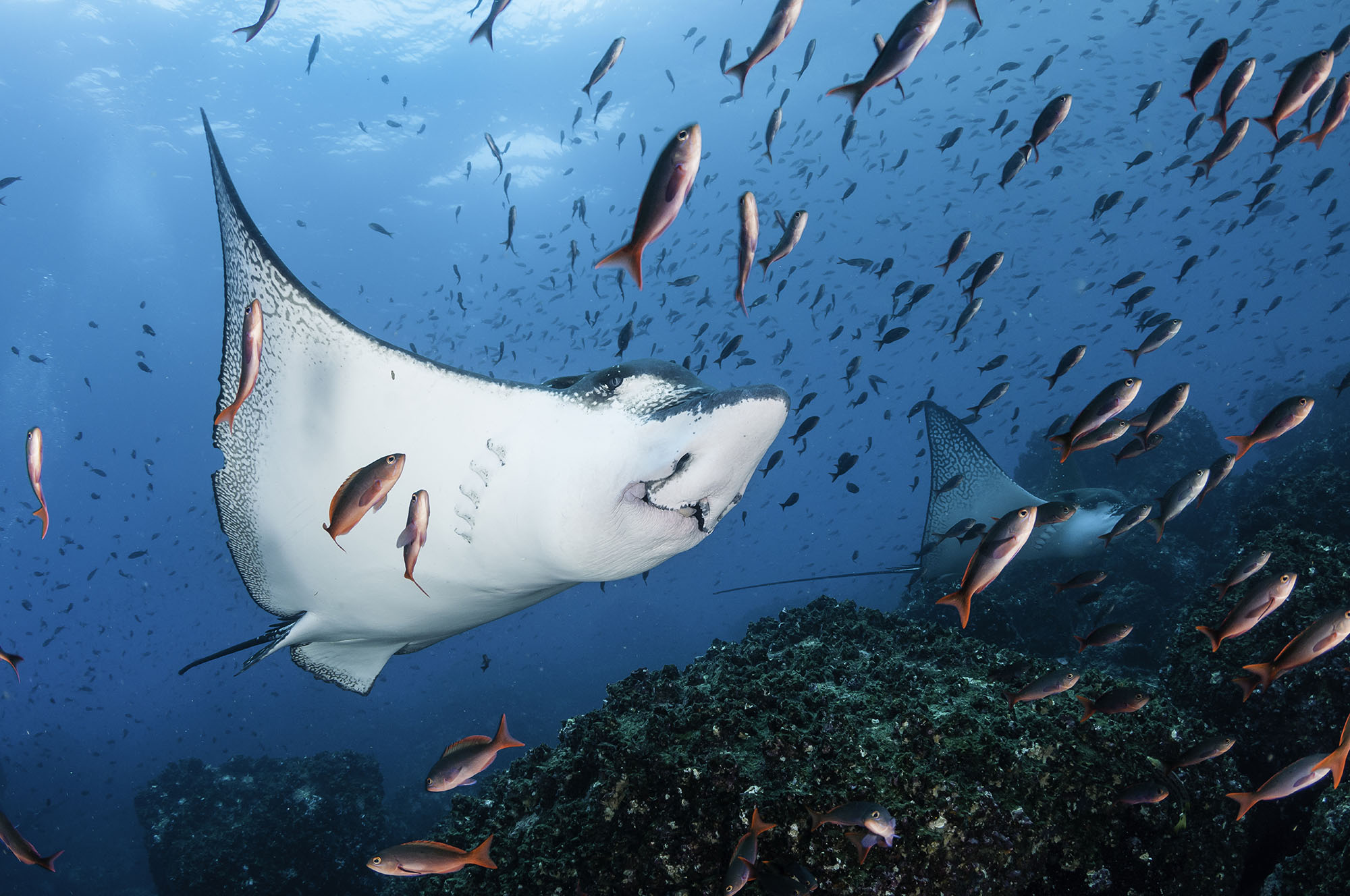
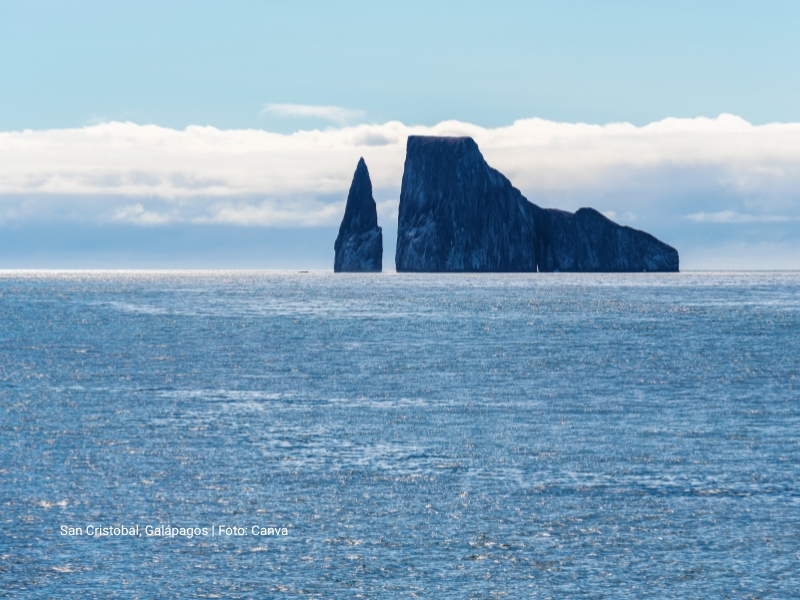
Today includes an adventure of exploring 2 sites along the northeast coast of the island of San Cristobal. Sail along the coast of San Cristobal, overlooking the birds and landscape from a different angle. Your first stop, disembarking at Cerro Brujo beach, take pictures of the flora and fauna that can be seen, or enjoy a swim in the bay. Then enjoy a tasty lunch buffet on board, and finally, continue to Kicker Rock. In the rock formation, you’ll explore the underwater world through the canal in search of a variety of sharks, fish, turtles, rays, sea lions, and more!
Los Petreles Reserve
This trip will take you through great scenery in the upper part of San Cristobal Island. Los Petreles Reserve is located in the highlands of San Cristobal Island. It is located 18km from the port, it is adjacent to the Galapagos National Park (Laguna: El Junco) to the northwest, it is 110 hectares. This strategic site is a key breeding area of the Galapagos Petrel (Pterodroma phaeopygia) and also protects one of the largest freshwater sources on the island.
The Galapagos Petrel is an endemic seabird and is considered Critically Endangered. This species is part of the Procellariiformes group, the most threatened seabird order. The threats are found both on land and at sea, including habitat loss, predators at their breeding sites, incidental bycatch in fisheries, and pollution.
A variety of endemic ferns and perennials grow around the lake, as well as the Miconia robinsoniana – an endemic species only found in San Christobal.
La Galapaguera Reserve
In the highland plains of the island of San Cristóbal lies the reserve La Galapaguera – a breeding ground for giant tortoises. The leisurely giants move freely in their natural habitat, seek out cooling mud pots, slowly munch a few blades of grass, or amble on their way without taking any notice of the tourists. The dry and tropical climate attracts not only giant tortoises but also scarlet flycatchers and mockingbirds.
Puerto Chino Beach
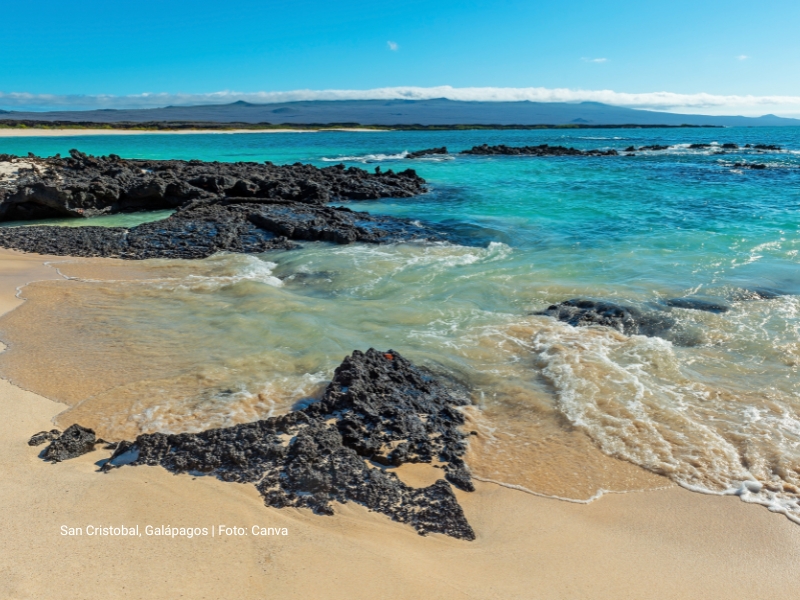
A path of black lava rock leads you to the beach of Puerto Chino, this afternoon. Walk along the small, white beach, feel the fine sand under your feet and breathe in the fresh, salty air – relaxation at its best.
We would like to point out that you will receive a breakfast package from your hotel at the crossings at 6:00 a.m., as breakfast is not yet available at the hotel at this time. Please request it at reception the day before. End of services.
The Jocotoco team wishes you a happy trip!
Early departure at 06:10 to the passenger dock. Water taxi (USD 0.50 per person) and speedboat navigation to San Cristóbal Island (approx. 2 hours).
Upon arrival, water taxi (USD 0.50 per person) and transfer to the hotel to leave luggage.
Visit the Interpretation Center to learn about the history, evolution, and conservation of the Galapagos Islands.
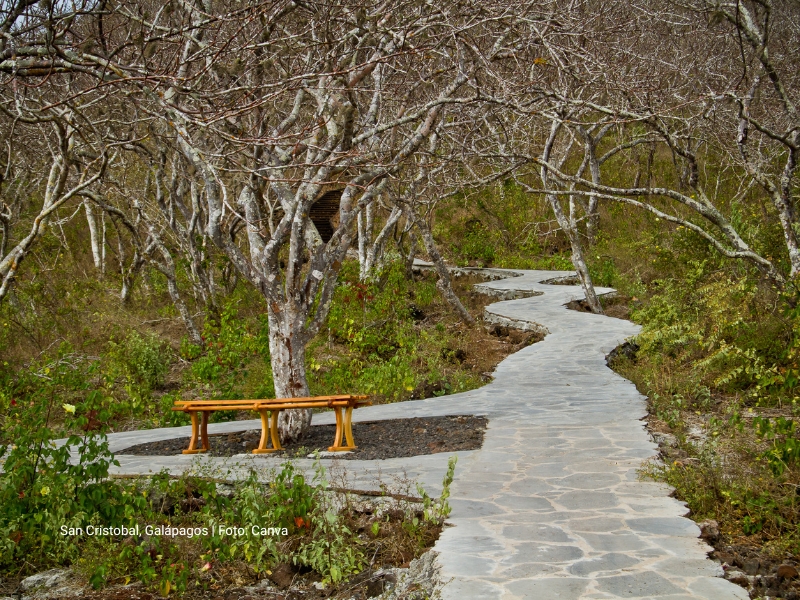
Hike to Cerro Las Tijeretas, observing endemic plants, frigatebirds, finches, and scenic viewpoints. Swim in a small bay with sea lions, tropical fish, and possibly sea turtles.
Continue to Punta Carola Beach, ideal for relaxing, swimming, and surfing.
Return to hotel.
Fundacion Jocotoco has several active conservation projects in its reserve network. Activities may change according to our staff’s availability and project timelines. However, we are happy to adjust the itinerary to fit your syllabus and welcome suggestions to improve the experience.
The rules of the Galapagos National Park are very strict. Unfortunately, human interaction and introduced species are two of the biggest threats to the islands, so please help us keep their impact minimal. The Galapagos National Park requires that a certified naturalist guide must accompany you. He or she will advise you on what is and is not allowed while visiting the islands.
Please follow their instructions. The most important rules are the following: