Buenaventura Reserve – Umbrellabird Lodge

Protecting the Habitat of the El Oro Parakeet

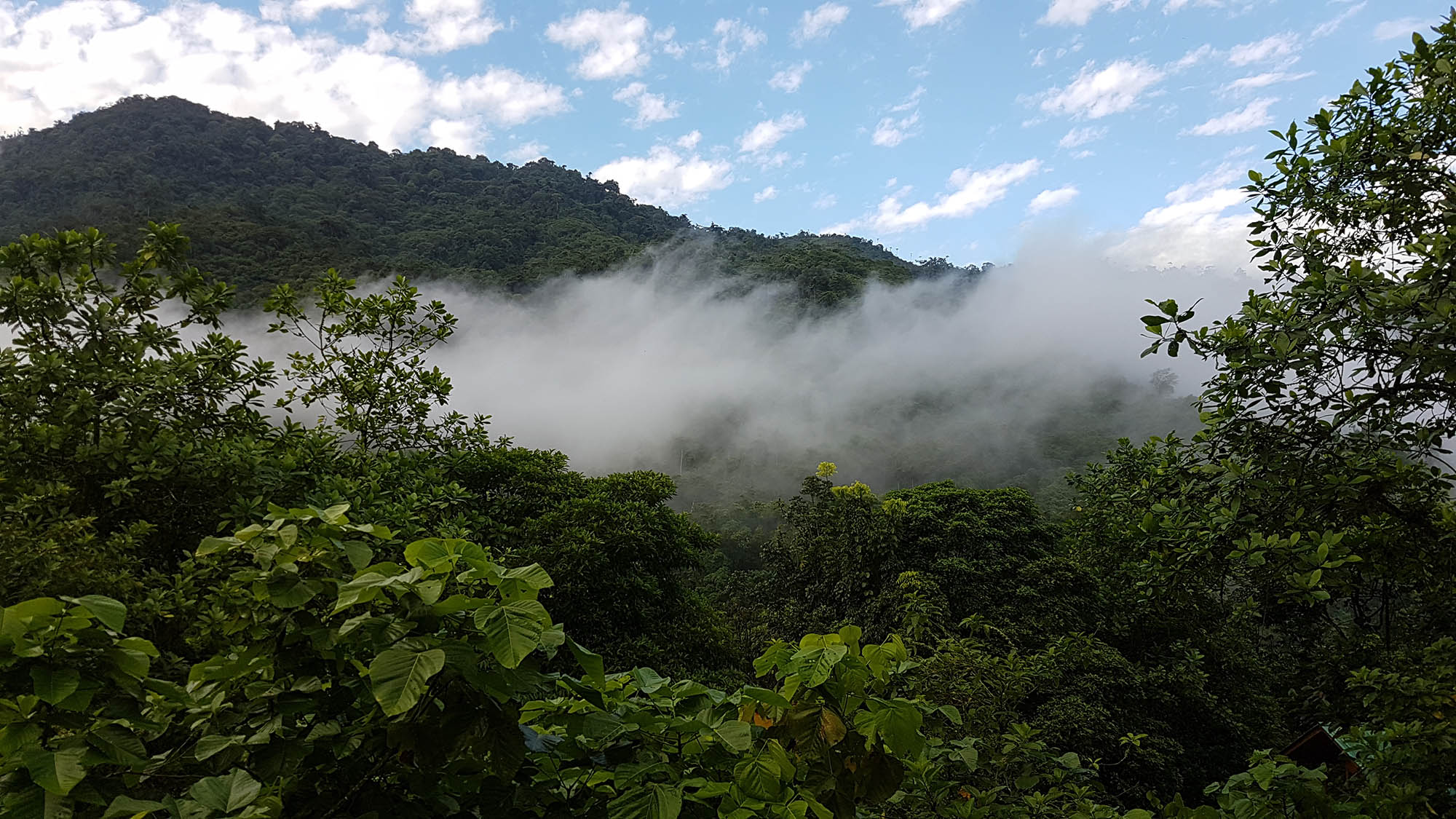
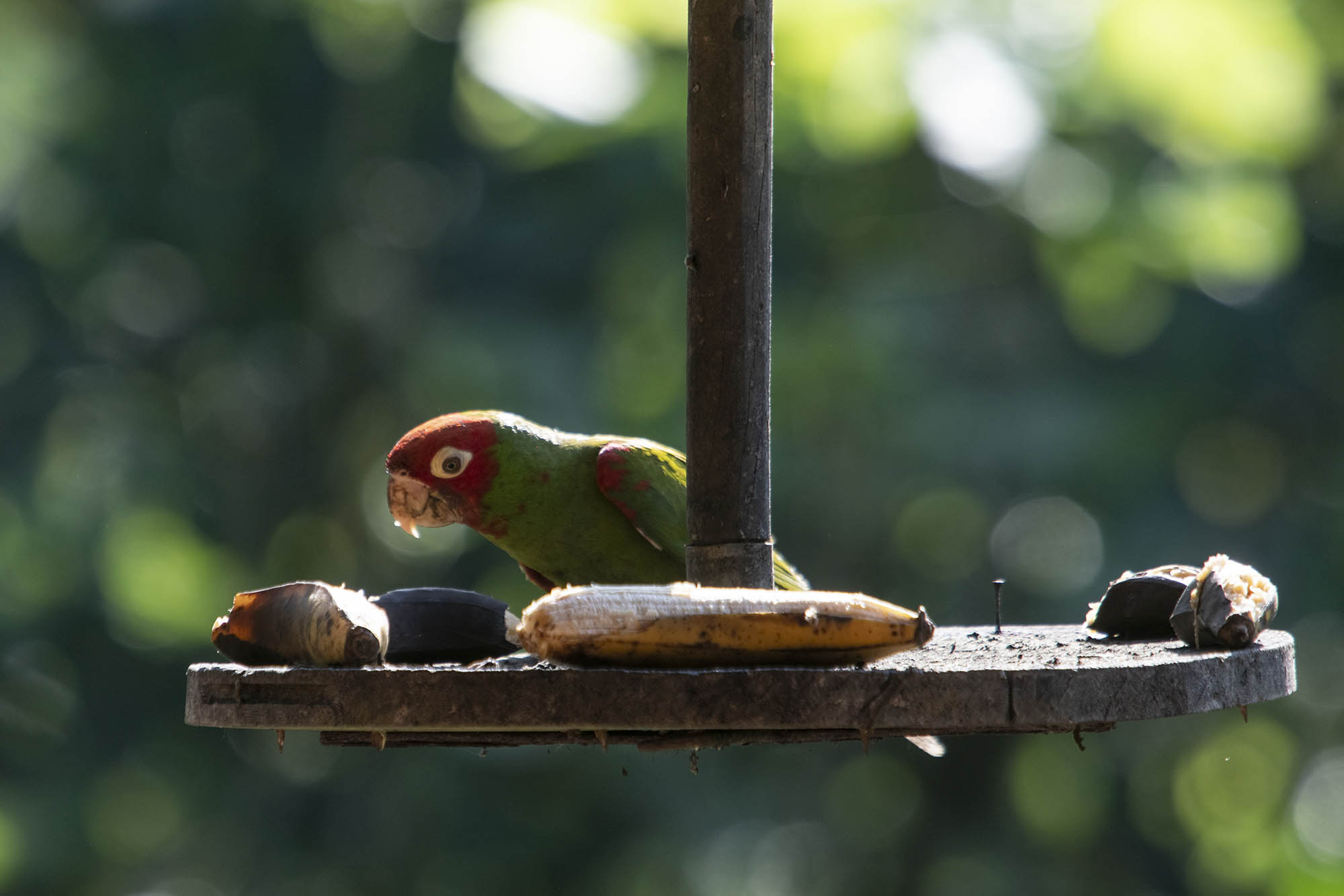
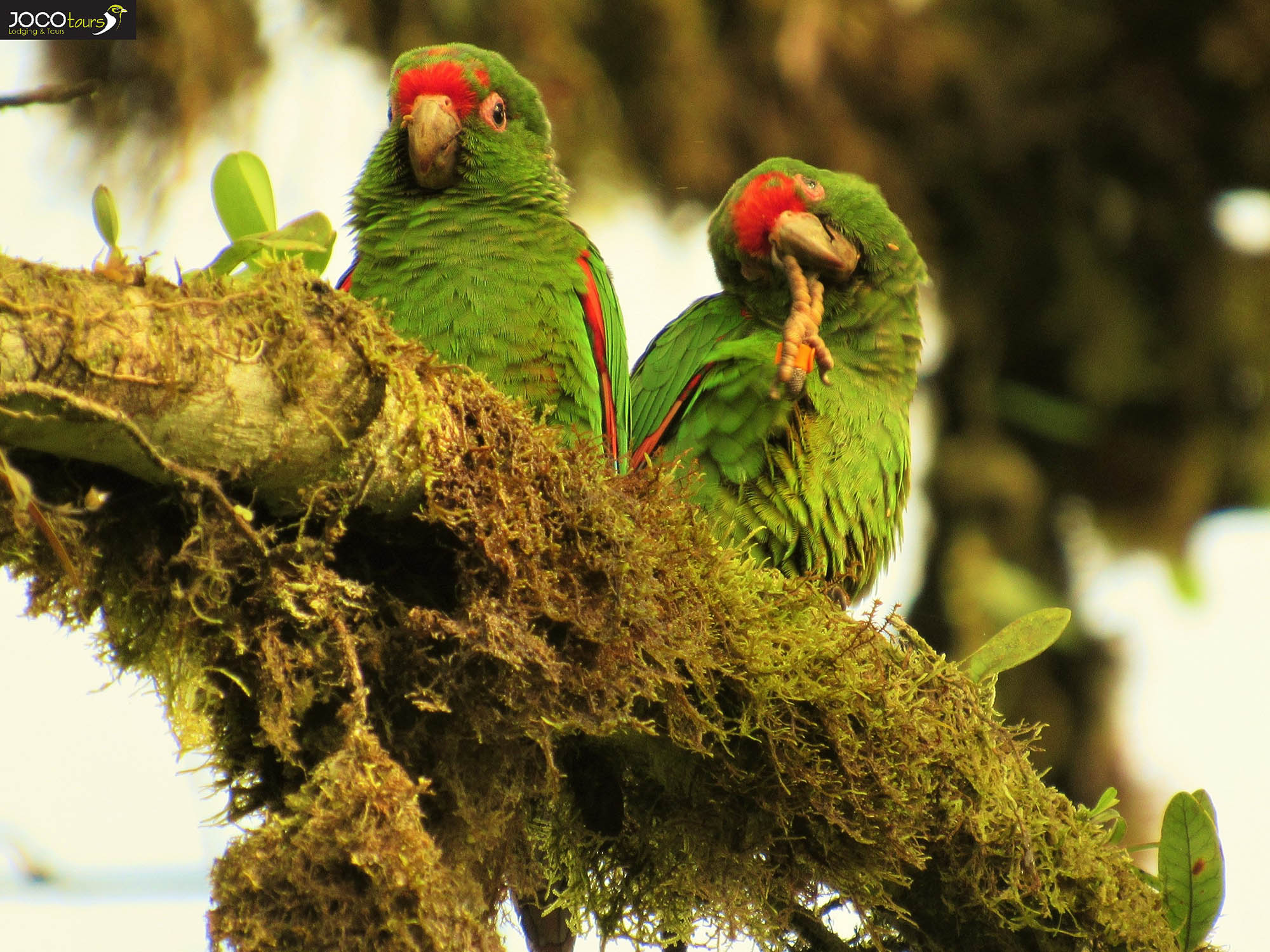
Buenaventura Reserve was established to protect the habitat of the El Oro Parakeet (Pyrrhura orcesi), discovered by ornithologist Robert Ridgely in 1980. This reserve conserves one of the largest remaining patches of piedmont cloud forest in the western foothills of the Andes in southwestern Ecuador. In this area, elements of the Tumbesian dry forests of southern Ecuador converge with those of the humid Chocó forests of northwestern Ecuador and the Andes.

General information

  • icono_ubicacion
    Province: El Oro
  • icon_fecha_creacion
    Creation date: 1999
  • icon_area1
    Area: Approx. 10696 acres
  • icon_temperatura
    Temperature: 14 – 26 °C
  • icono_ecosistema-
    Ecosystem: Western foothill forest
  • icon_clima
    Climate: Warm (lower part) to cold (upper part) and humid
  • icon_altitud
    Altitude range: 400 – 1450 meters above sea level
  • Facility: Umbrellabird Lodge

Facilities and services

iconos-jocotours-Self-guided trails

Moderate-difficulty trails

iconos-jocotours-umberellabird

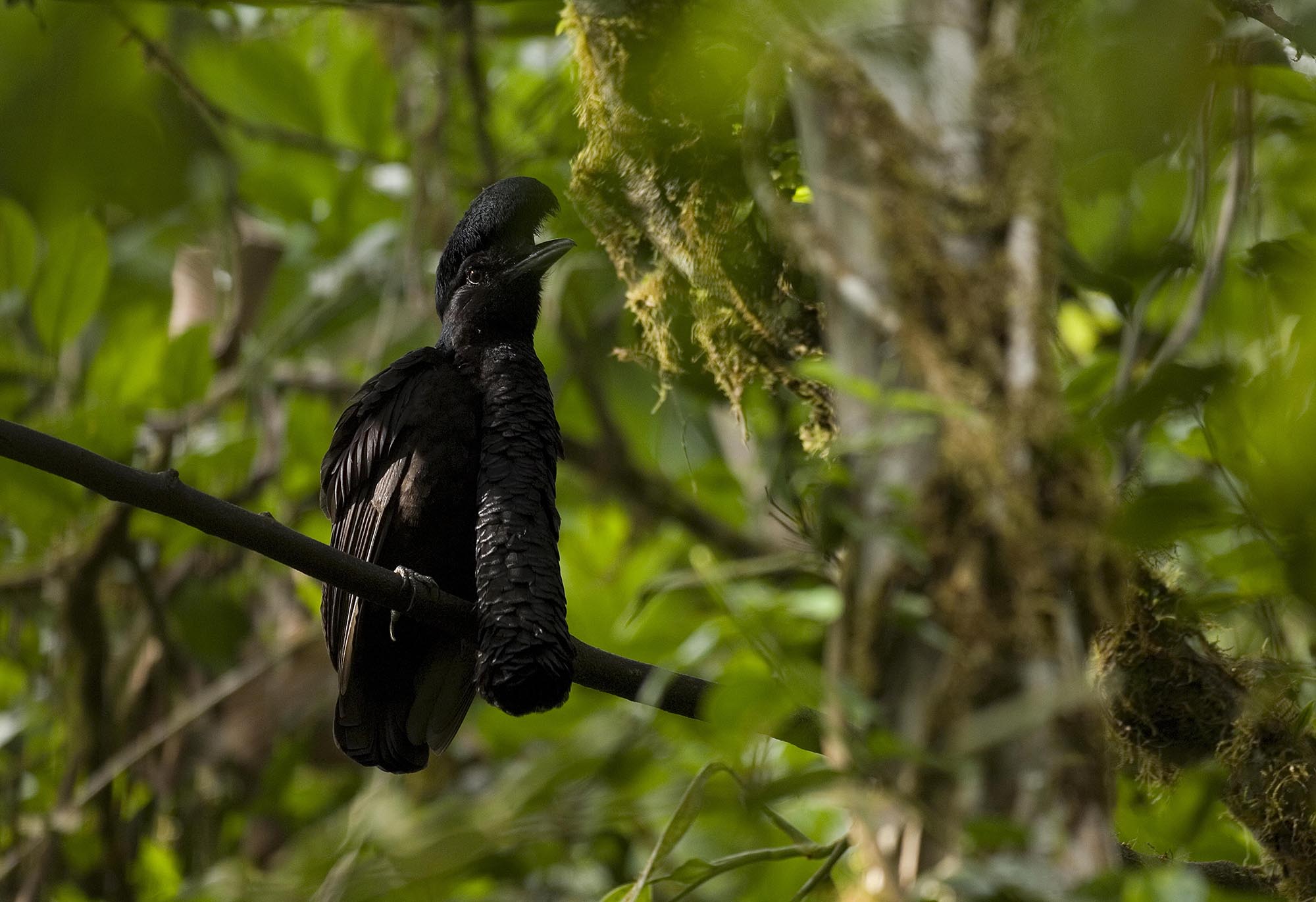
Long-wattled Umbrellabird lek

iconos-jocotours-trails

Scenic low-difficulty trail (6 km)

iconos-jocotours-Hummingbird Garden

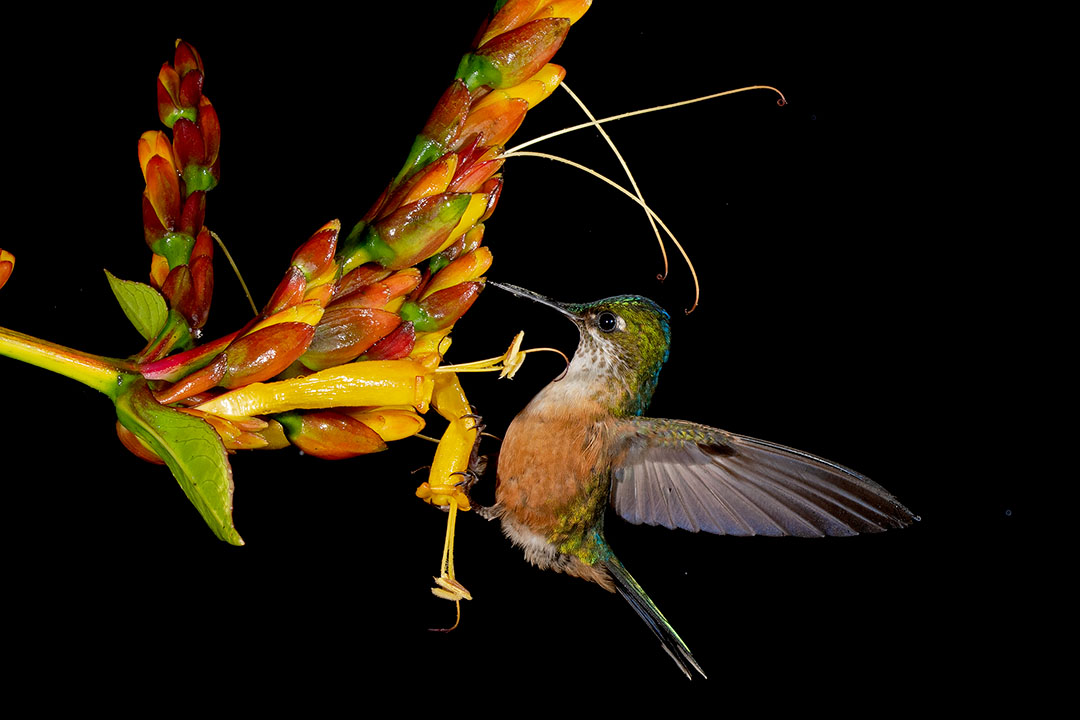
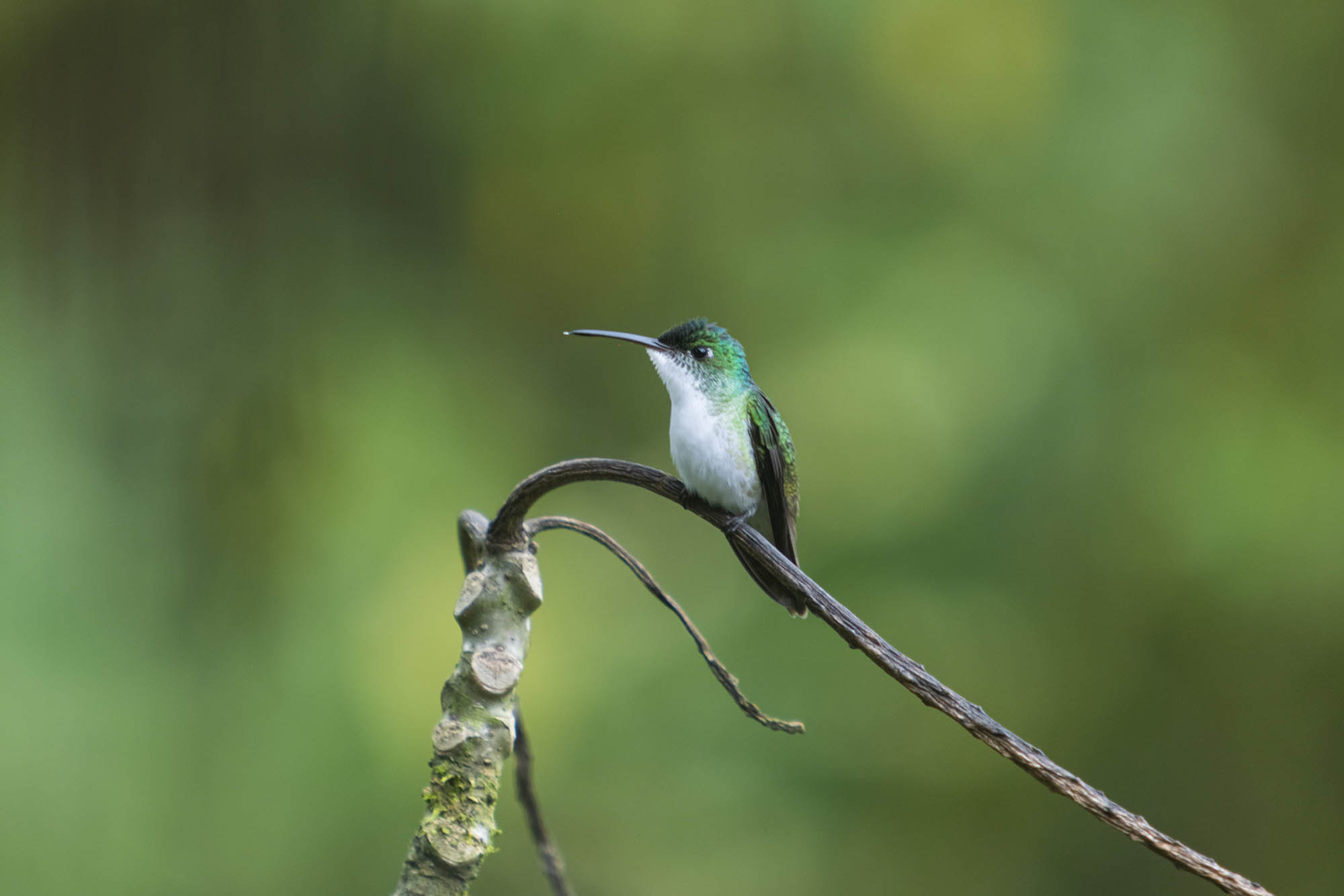
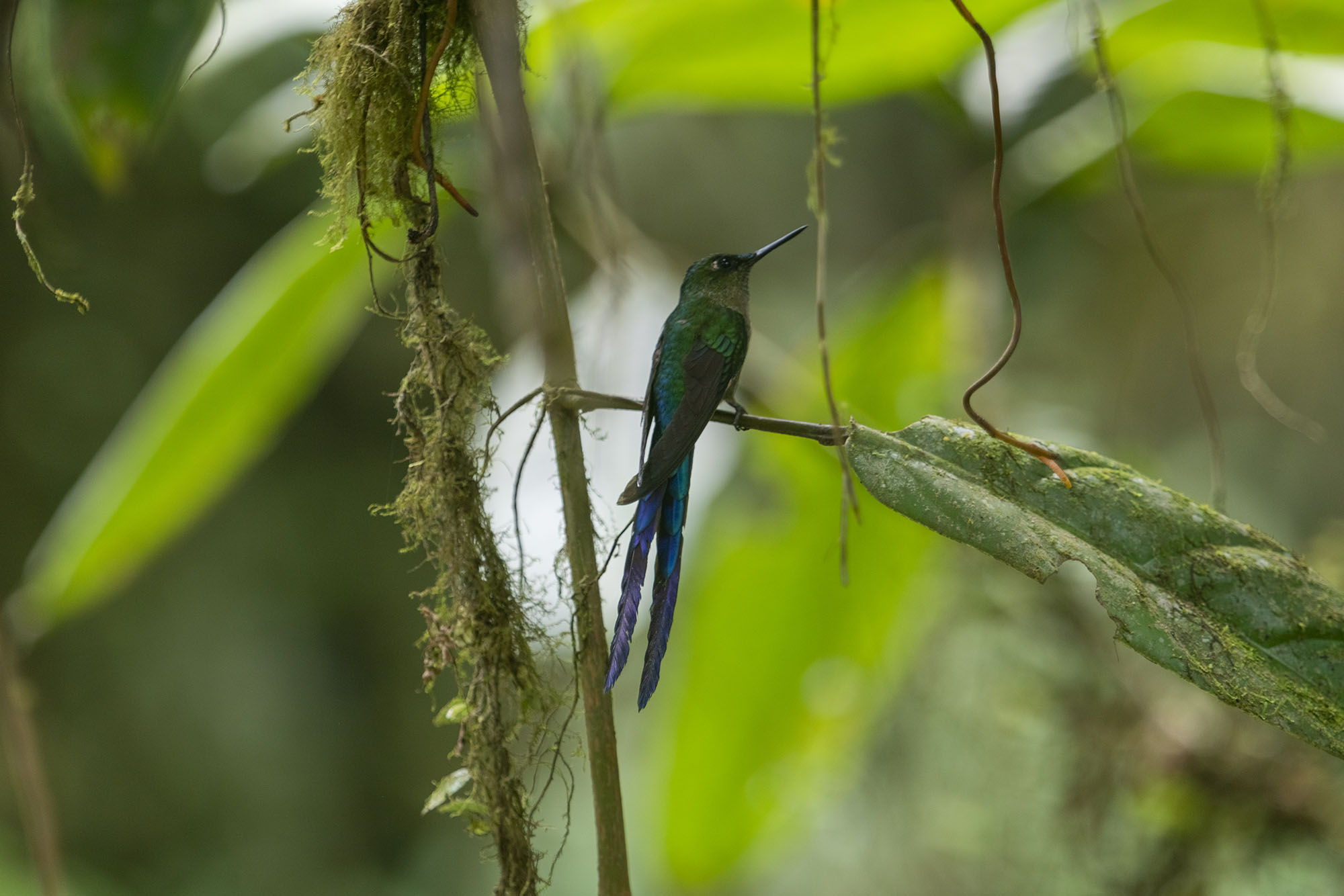
Hummingbird feeders at the lodge and garden at upper part

iconos-jocotours-accomodation-1

Accommo-dation at Umbrellabird Lodge

iconos-jocotours-Park ranger escort available

Park ranger escort available

iconos-jocotours-Parking lot

Parking lot

iconos-jocotours-Interpretation center

"Sambo Tambo" Research House

iconos-jocotours-nest box

El Oro Parakeet nest boxes

iconos-jocotours-nurseries reforestation

Nurseries for the reforestation project

Biological importance

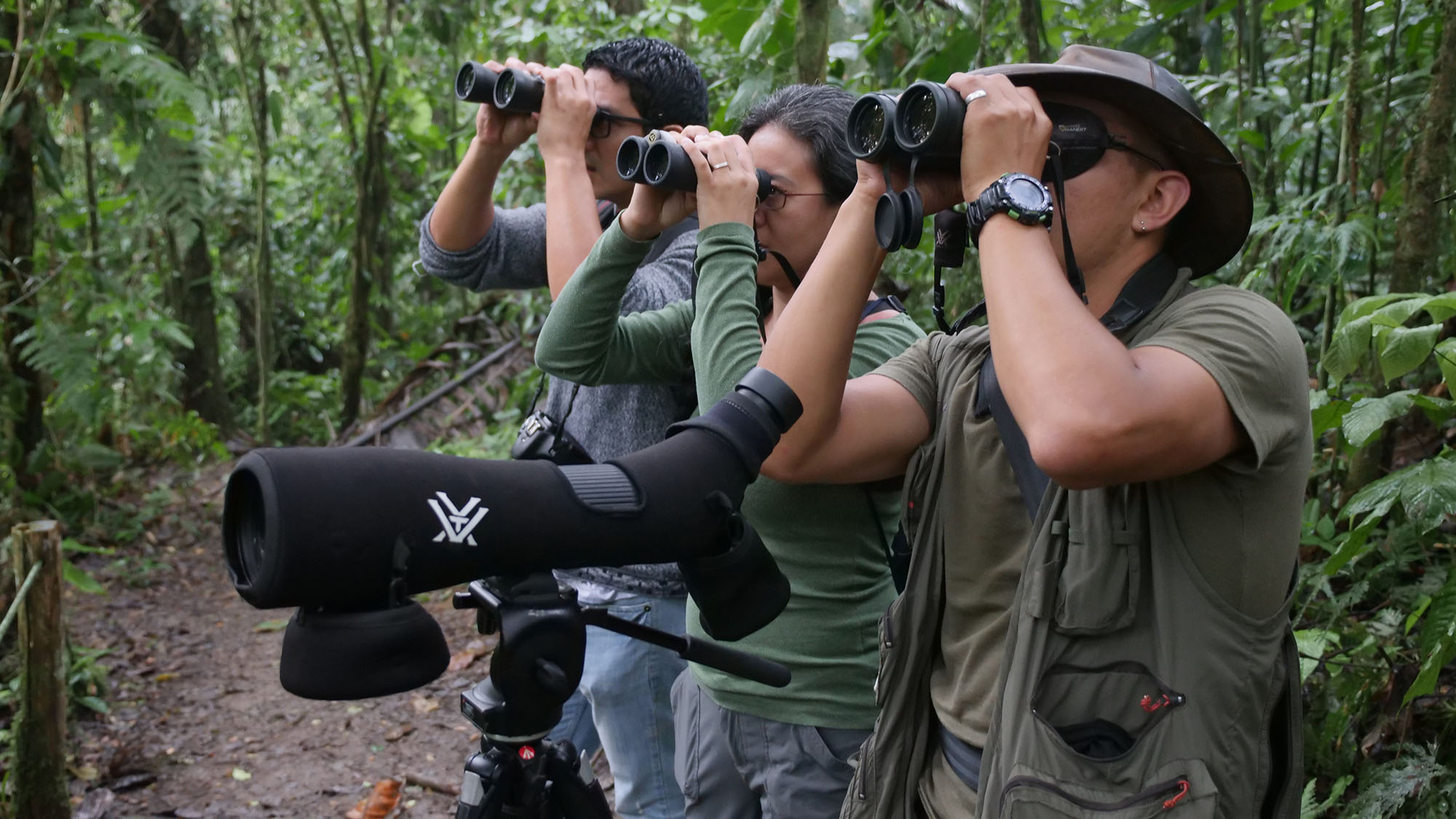
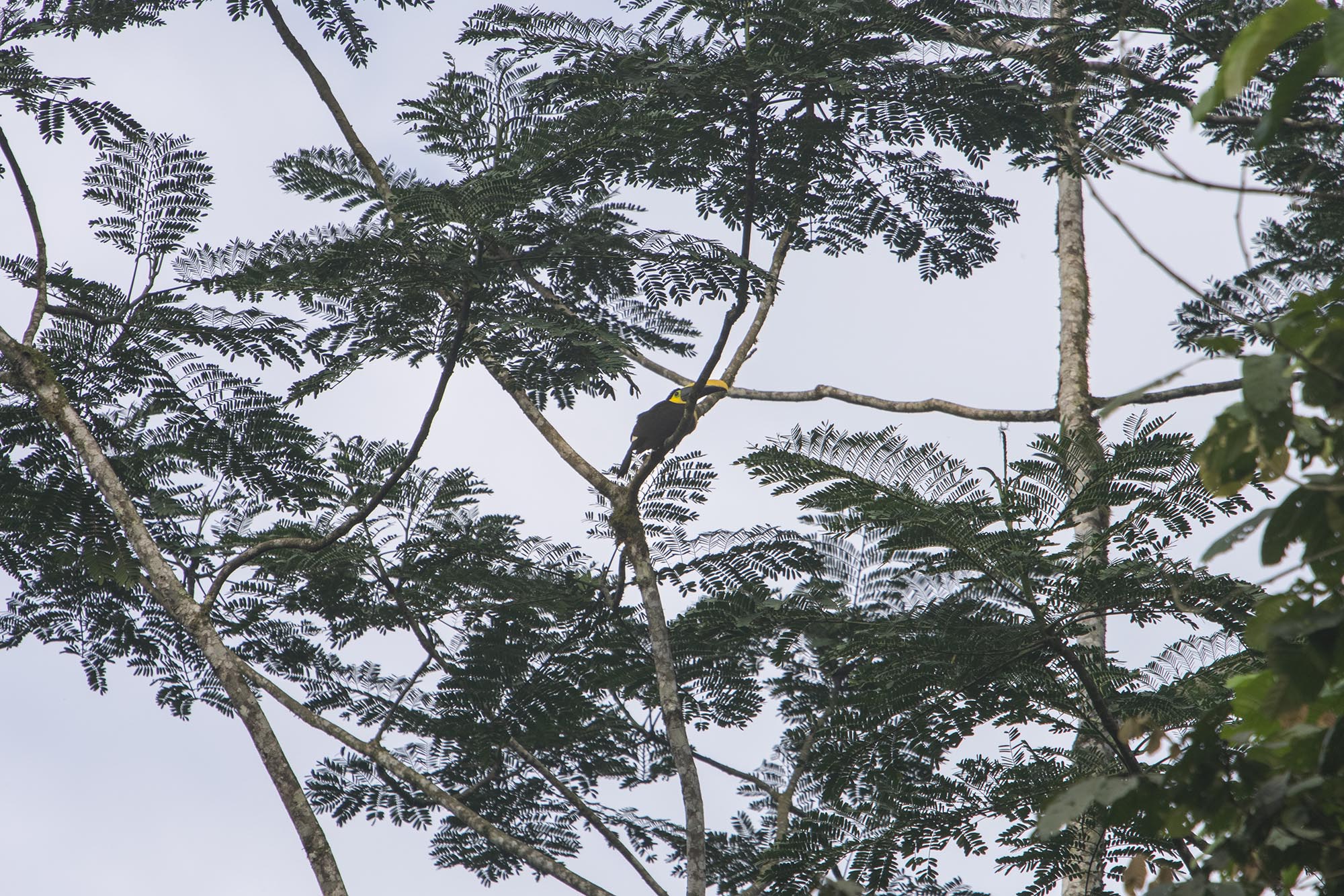
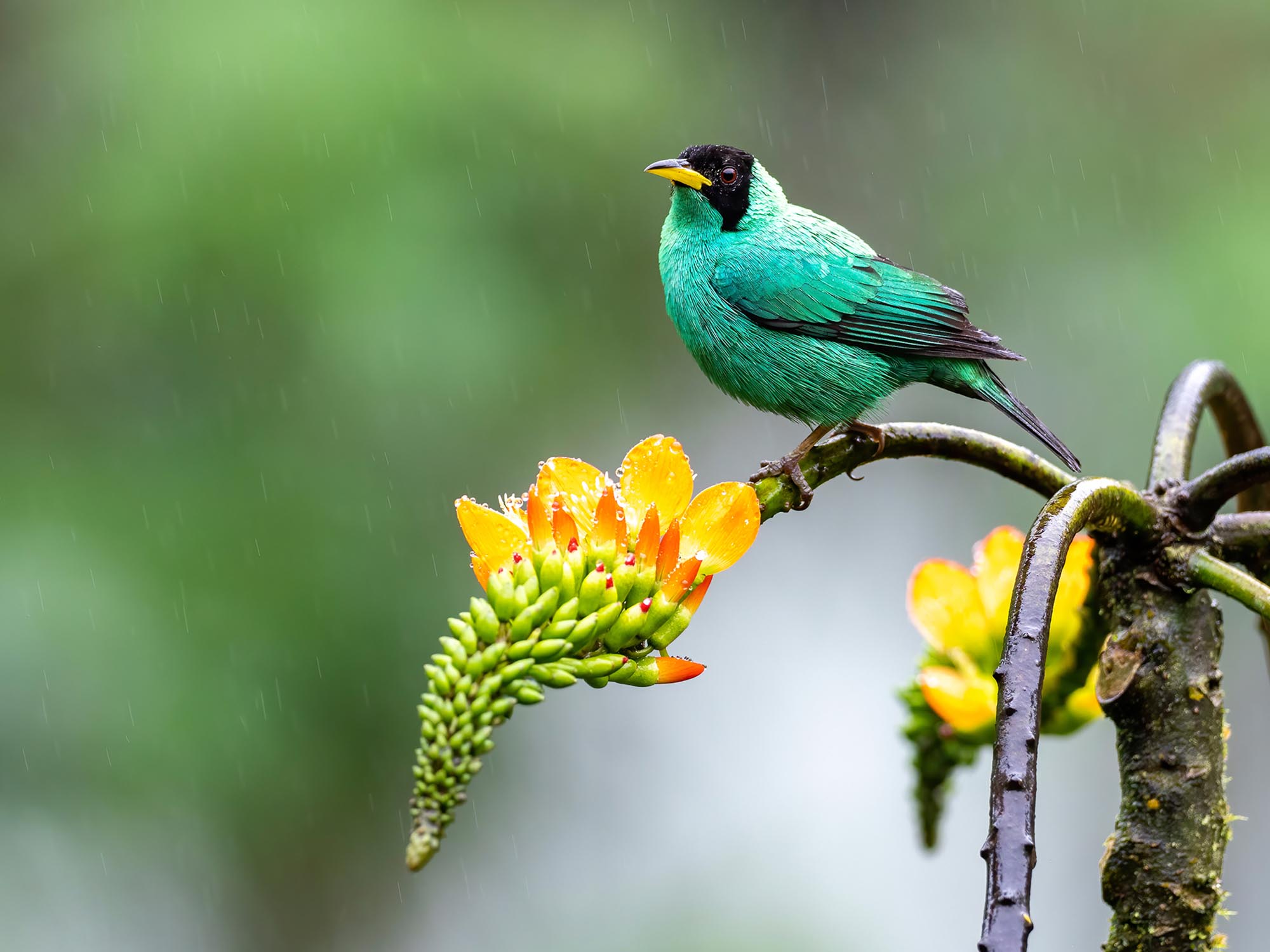
The reserve is home to over 411 bird species, including the El Oro Parakeet (Pyrrhura orcesi), Gray-cheeked Parakeet (Brotogeris pyrrhoptera), Pacific Royal Flycatcher (Onychorhynchus occidentalis), Gray-backed Hawk (Pseudastur occidentalis), Rufous-headed Chachalaca (Ortalis erythroptera), Chocó Toucan (Ramphastos brevis), Ecuadorian Tapaculo (Scytalopus robbinsi), and the Long-wattled Umbrellabird (Cephalopterus penduliger), which maintains a lek within the reserve. Several hummingbird species can be seen at the feeders, while the higher elevations serve as key habitat for endemic and threatened birds.

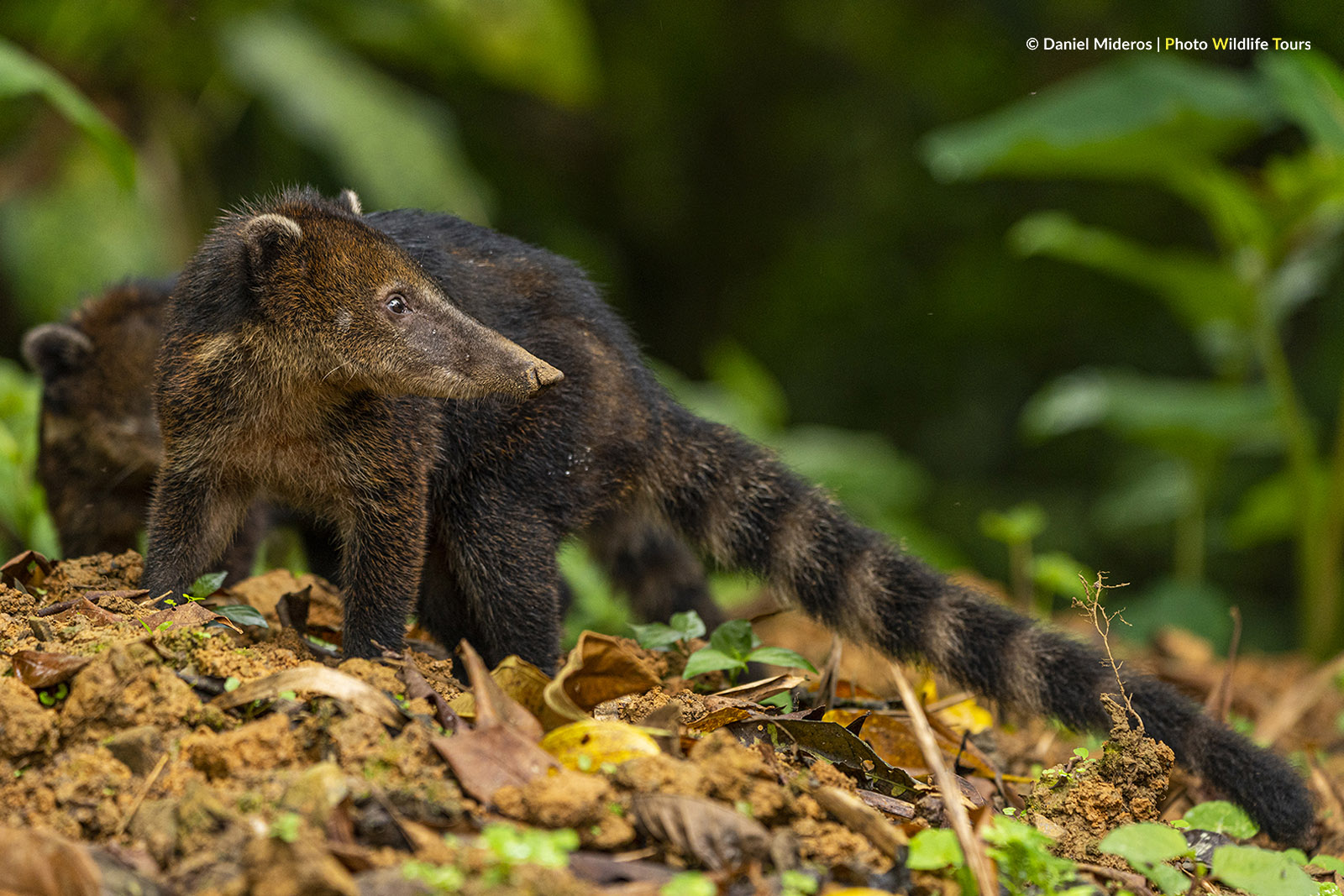
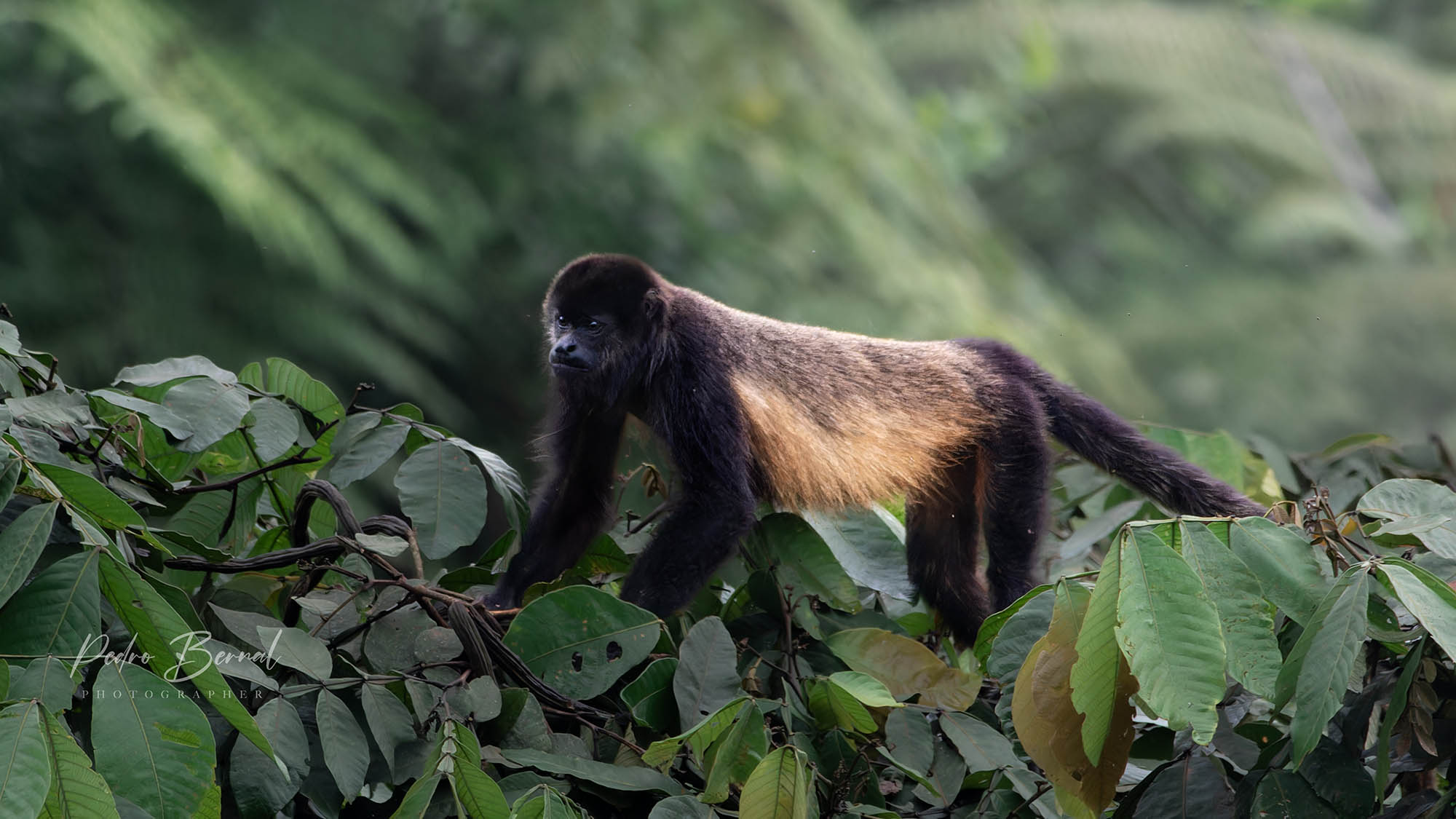
Among the mammals, notable species include the Ecuadorian White-fronted Capuchin (Cebus aequatorialis), reintroduced in 2010 after having gone extinct in Ecuador, the Mantled Howler Monkey (Alouatta palliata), the Hoffmann’s Two-toed Sloth (Choloepus hoffmanni), ocelot (Leopardus pardalis), and South American Coati  (Nasua nasua).

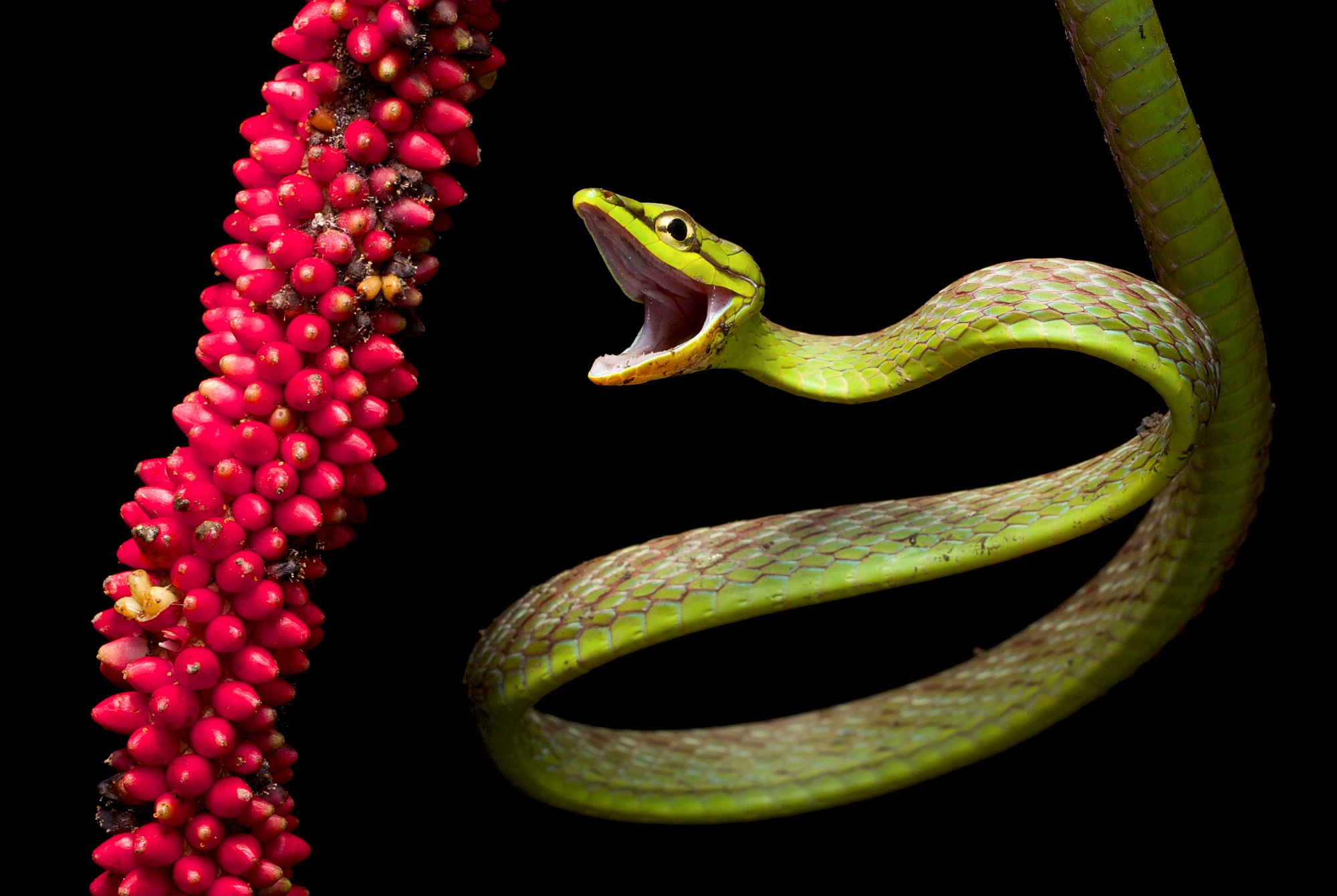
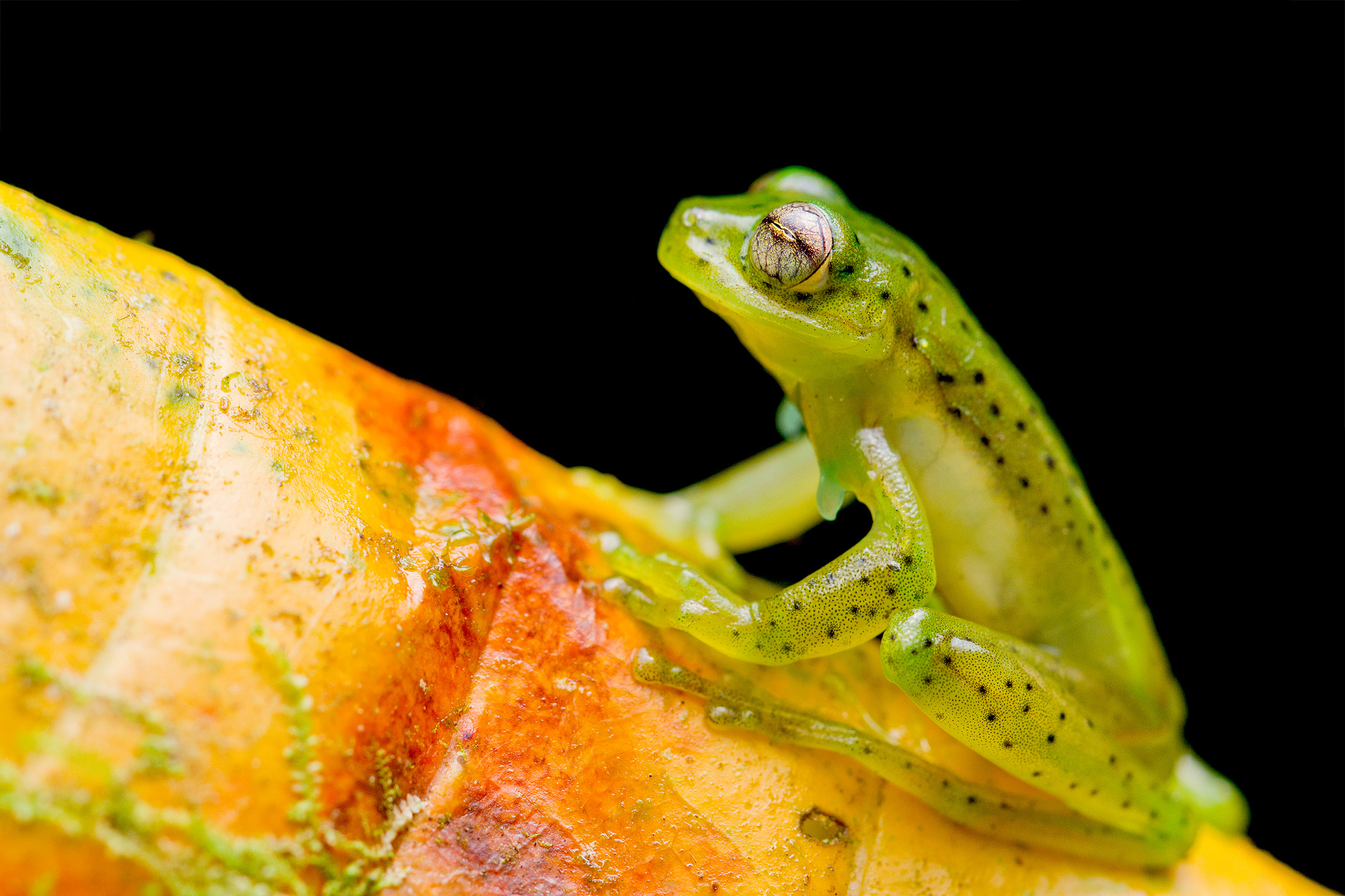
These animals find refuge in the cloud forests and reforested areas of the reserve, which are also home to a wide variety of amphibians, Morpho butterflies, and a newly described species of lizard.

The flora includes cloud forest trees that support epiphytes such as orchids, heliconias, and Heliconia-like plants. One of the most notable species is Magnolia buenaventurensis, found only in this region. These ecosystems, once degraded by pastureland, have been regenerated thanks to our reforestation projects, which promote the recovery of native forest and natural regeneration, while also strengthening the El Oro Biological Corridor.

Other key initiatives carried out in the reserve include a nest box program to support the breeding of the El Oro Parakeet and the reintroduction of the Red-faced Parrot (Hapalopsittaca pyrrhops).


How to get there?

From Machala: The reserve is located about an hour and a half away by car. Take the road toward Piñas. After passing the town of Zaracay, you’ll see a sign for Fundación Jocotoco and the Selva Alegre recreational area on the left. Turn left onto the secondary (dirt/gravel) road and continue for approximately 5 kilometers until you reach the entrance to the reserve.

From Piñas: Take the road toward Zaracay and Machala. About 25 minutes from the town of Piñas, you’ll see a sign for Fundación Jocotoco and Selva Alegre. Turn right onto the secondary road and continue for approximately 5 kilometers until you reach the entrance to the reserve.

Hours of Operation

Every day: 7:00 AM – 3:00 PM

Last visitor entry: 1:00 PM

Entrance Fee

Rates are in US dollars

Type of visitors

Rate (per person)

Foreign

$15

National*

$3

Elderly adults and children**

$2

* Special rates for national tourists, residents, and the Andean community.

** Children from 5 to 11 years old

Tips for your visit
  • Bring insect repellent due to the presence of mosquitoes.
  • The humidity is high, so we recommend wearing lightweight, quick-drying clothing for greater comfort.
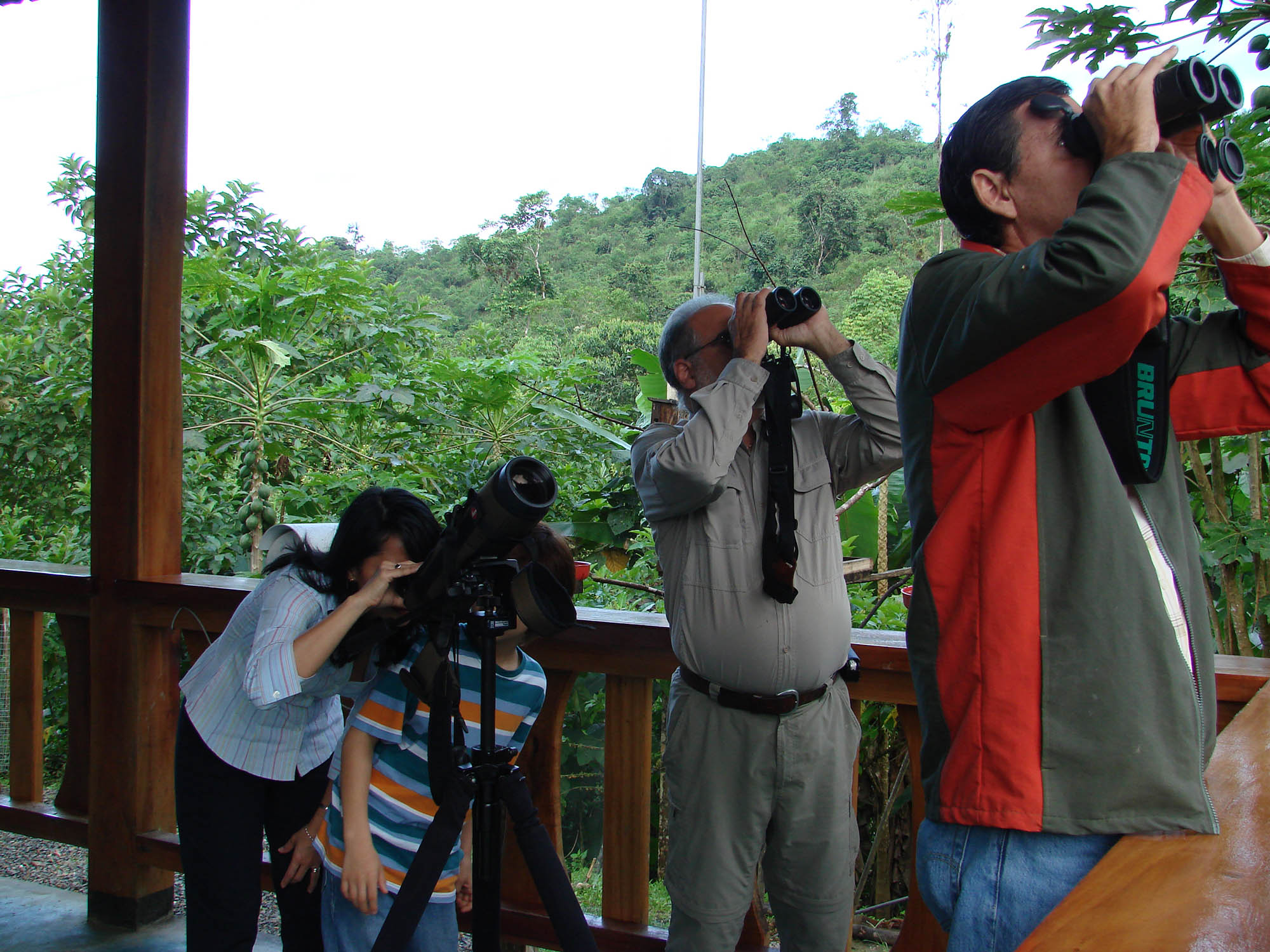
  • This is an ideal place for bird photography, especially hummingbirds and the Long-wattled Umbrellabird.
  • Drink plenty of water and protect yourself from rain with a poncho or waterproof jacket.
  • Please take all the trash you generate with you. With your help, we keep the reserve clean. Thank you for your cooperation!
General Guidelines
  • Please refrain from bringing pets — this helps protect the native wildlife and plants.
  • Do not touch or feed wild animals — this is the best way to protect them and respect their natural habitat.
  • Always follow the instructions of our park rangers — they are here to ensure your safety and the protection of the reserve.

Fill out the form and we’ll get in touch