This 11-day educational journey combines field-based learning, conservation work, and cultural immersion across three of Ecuador’s most important regions: Quito, the Chocó rainforest (Canandé Reserve), and the Galápagos Islands.
Designed for students and academic groups, this program offers hands-on participation in scientific monitoring, habitat restoration, wildlife conservation, and community engagement, guided by Fundación Jocotoco’s park guards, researchers, and certified naturalist guides.
Participants gain first-hand insight into biodiversity hotspots, endangered species conservation, invasive species management, and sustainable tourism.
Welcome to Ecuador! Transfer to your hotel in modern Quito.
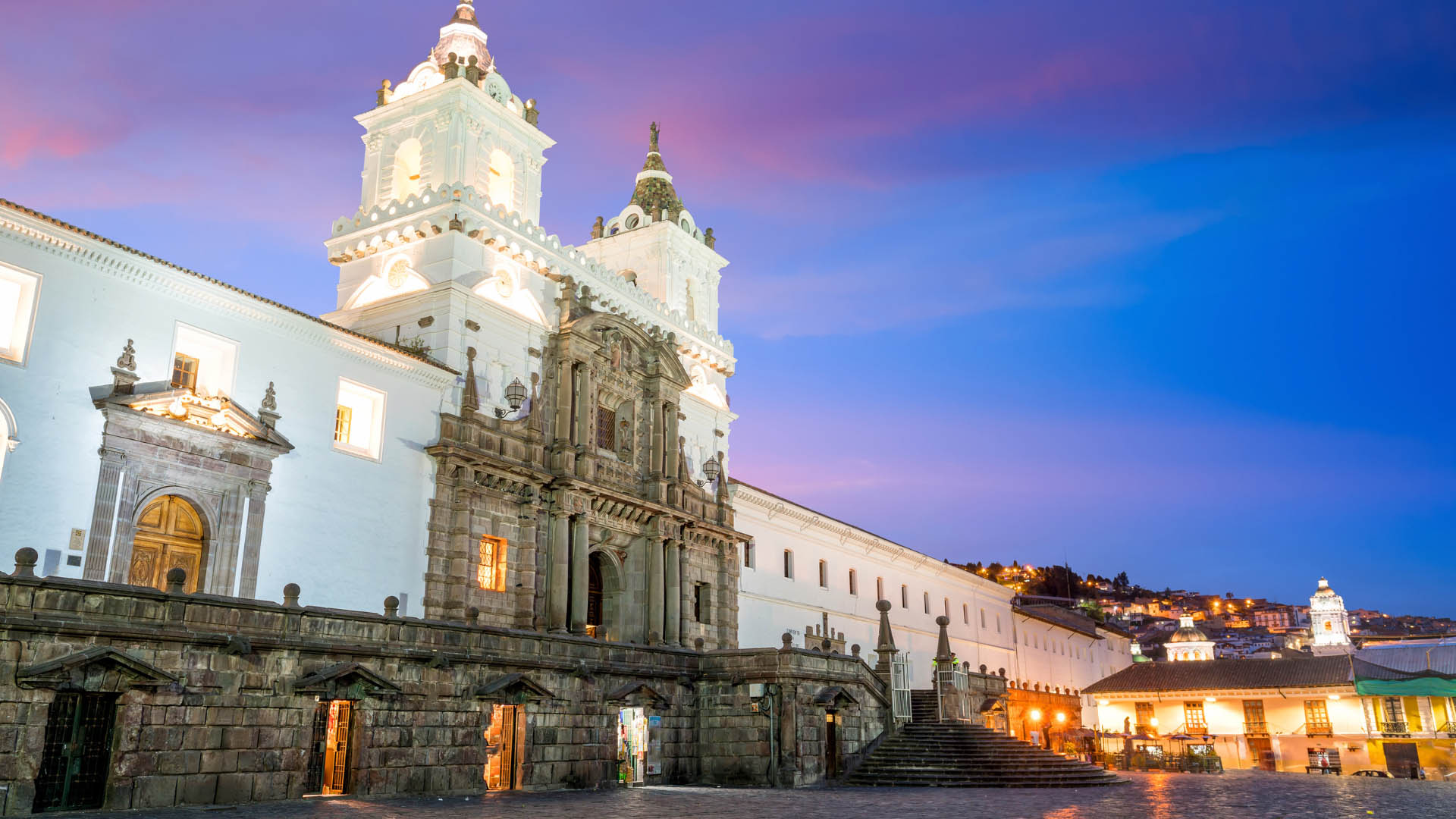
Quito lies about 9,000 feet above sea level in the province of Pichincha and is home to an array of beautiful cathedrals, elegant old mansions, fascinating museums, squares, and parks. Full of street markets selling a wealth of Ecuadorian jewels and arts and crafts, Quito’s wonderful spring-like climate is dominated by mountains, with several snow-capped volcanoes standing majestically in the distance. In 1978, UNESCO declared the city one of the most important world cultural heritage sites in Latin America.
Enjoy a walking tour of colonial Quito to see the highlights, such as the Basilica Church, Independence Square, San Francisco Square, La Ronda Street, and the unique La Compañía de Jesús Church. You will learn about history, culture, and legends, including the impact of introduced plant and animal species, how the weather has changed over the centuries, and why nature and geography played an important role in establishing Quito as the capital of Ecuador.
Option 1: Cooking class
In the afternoon, we will meet our chef at a local market to shop for the ingredients for our cooking class. The menu will feature traditional dishes that you can replicate at home. We will share interesting facts and stories about Ecuadorian food and culture during the class.
Option 2: Equator
After lunch, you will experience the Equator, just 20 km (12 miles) north of Quito. Here, you can see the historical point where the French Geodesic Mission measured the Earth’s circumference in 1736 and found zero latitude. You will also visit the Inti Ñan Museum, which contains interesting explanations of natural facts applicable only at the Equator and a comprehensive display of Ecuador’s indigenous cultures.
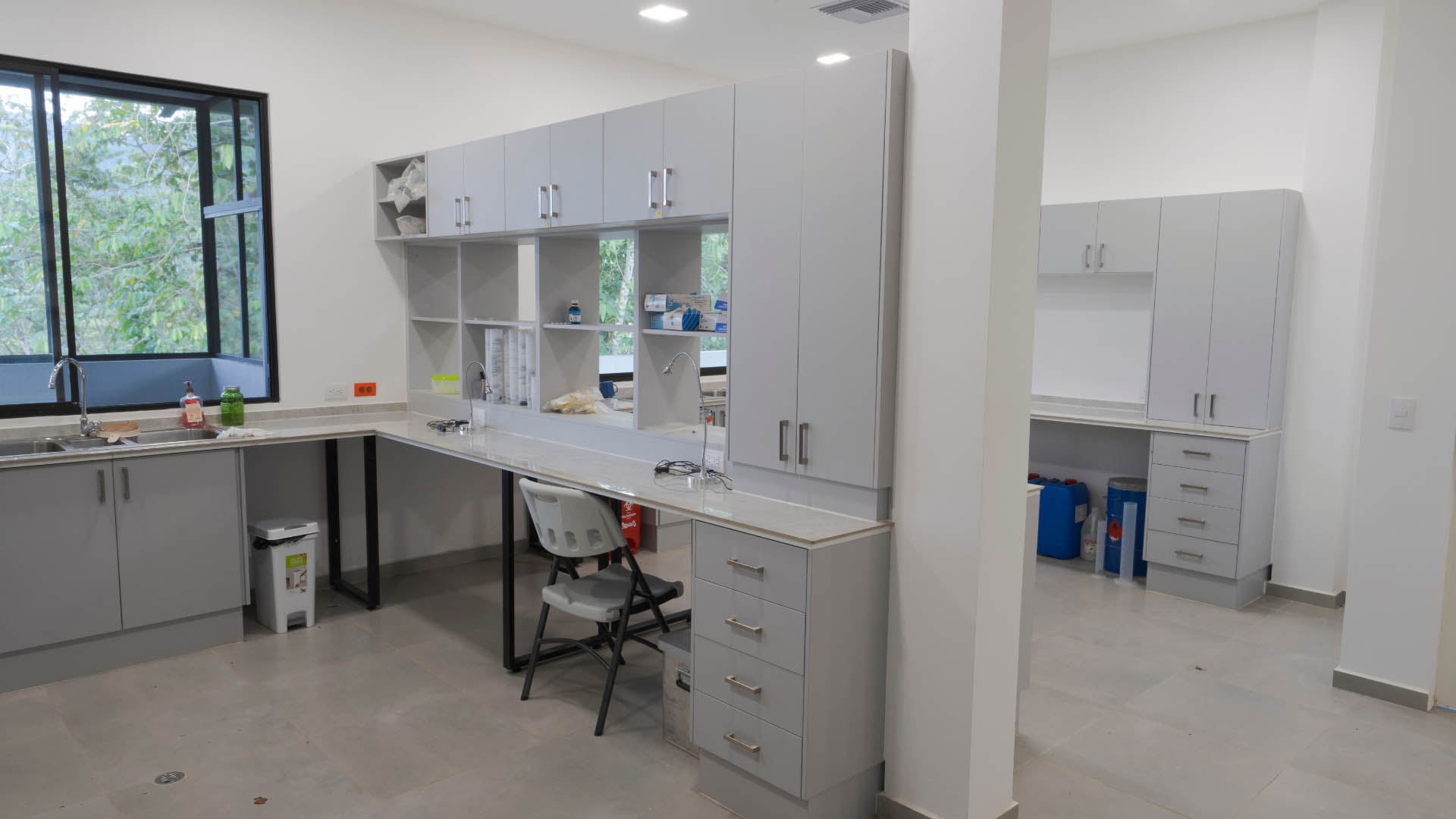
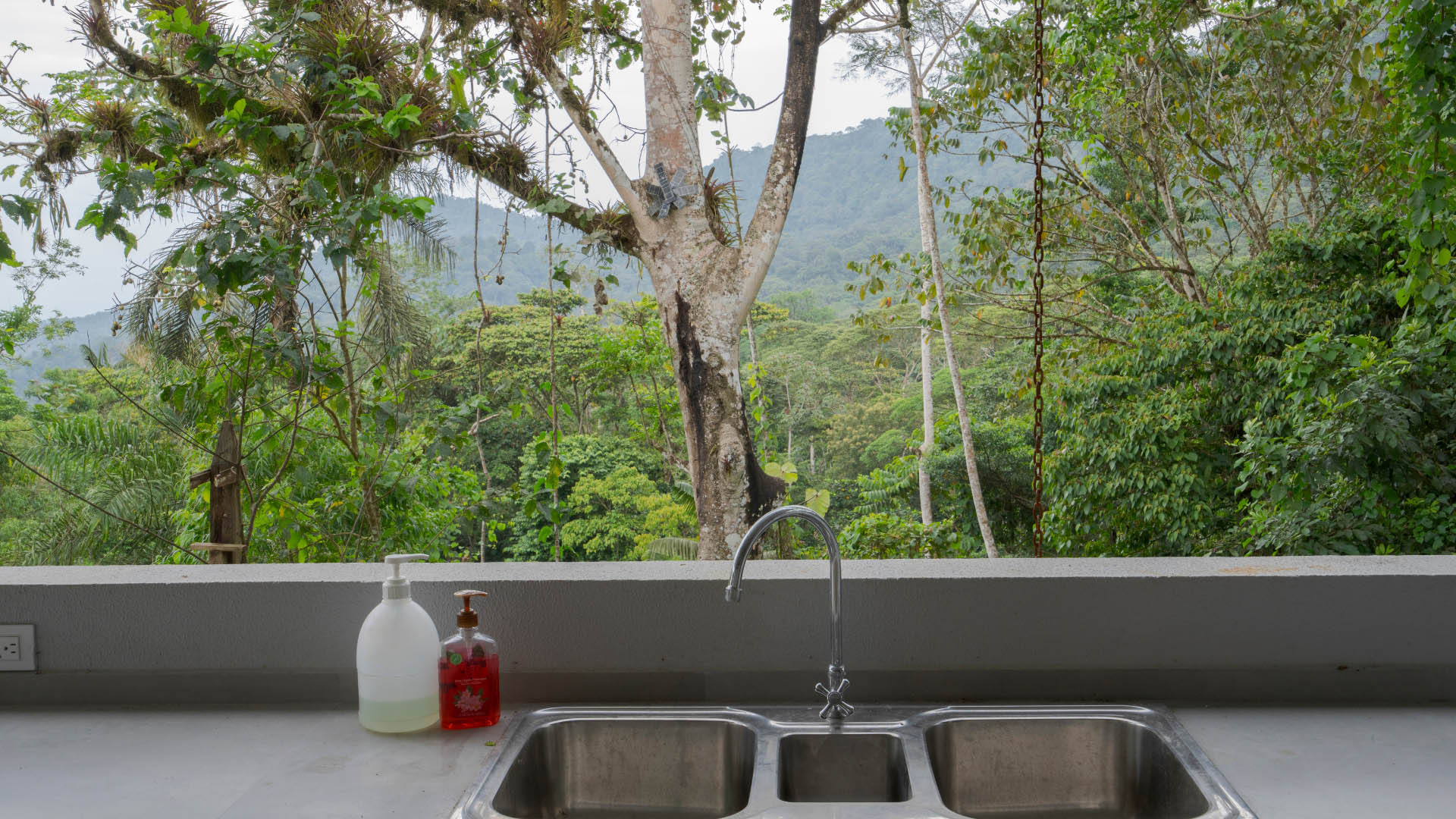
Drive to Esmeraldas province to reach the Canandé Wildlife Refuge, Jocotoco’s largest reserve that spans over 17,000 hectares (42,000 acres) and protects one of the world’s biodiversity hotspots. The Chocó Lodge is located at 300 m.a.s.l., but the reserve covers an altitudinal range from 100 to 1,700 m.a.s.l. (328 to 5,570 feet) The highest elevations are those next to the Cotacachi-Cayapas National Park. After lunch, the staff will show you around the facilities, including the Chocó Lab, our scientific station, where we will give you a general introduction to the Chocó Forest and our conservation projects.
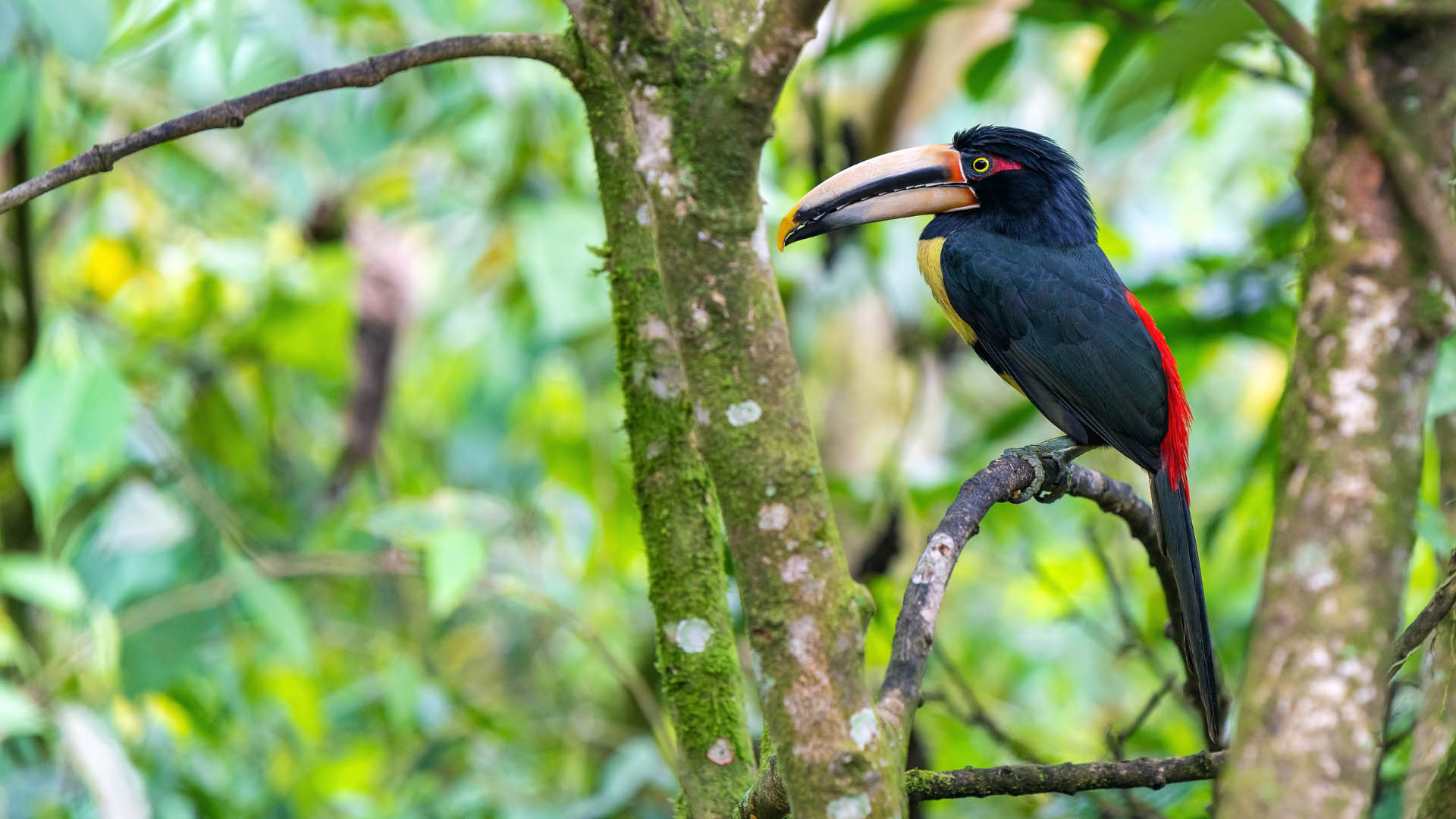
The trail network in Canandé offers excellent opportunities to see wildlife, including three species of primates (Mantled howler monkey, Brown-headed spider monkey, and White-fronted capuchin), hundreds of plants, and a wide array of birds, reptiles, and amphibians. You can hike up to the viewpoint to have an expansive view of the forest, including nearby towns. We will conduct primate monitoring with the Jocotoco park guards, followed by work at the nursery, where we propagate several endangered species, such as endemic magnolias. After dinner, search for night creatures with our parabiologists and park guards.
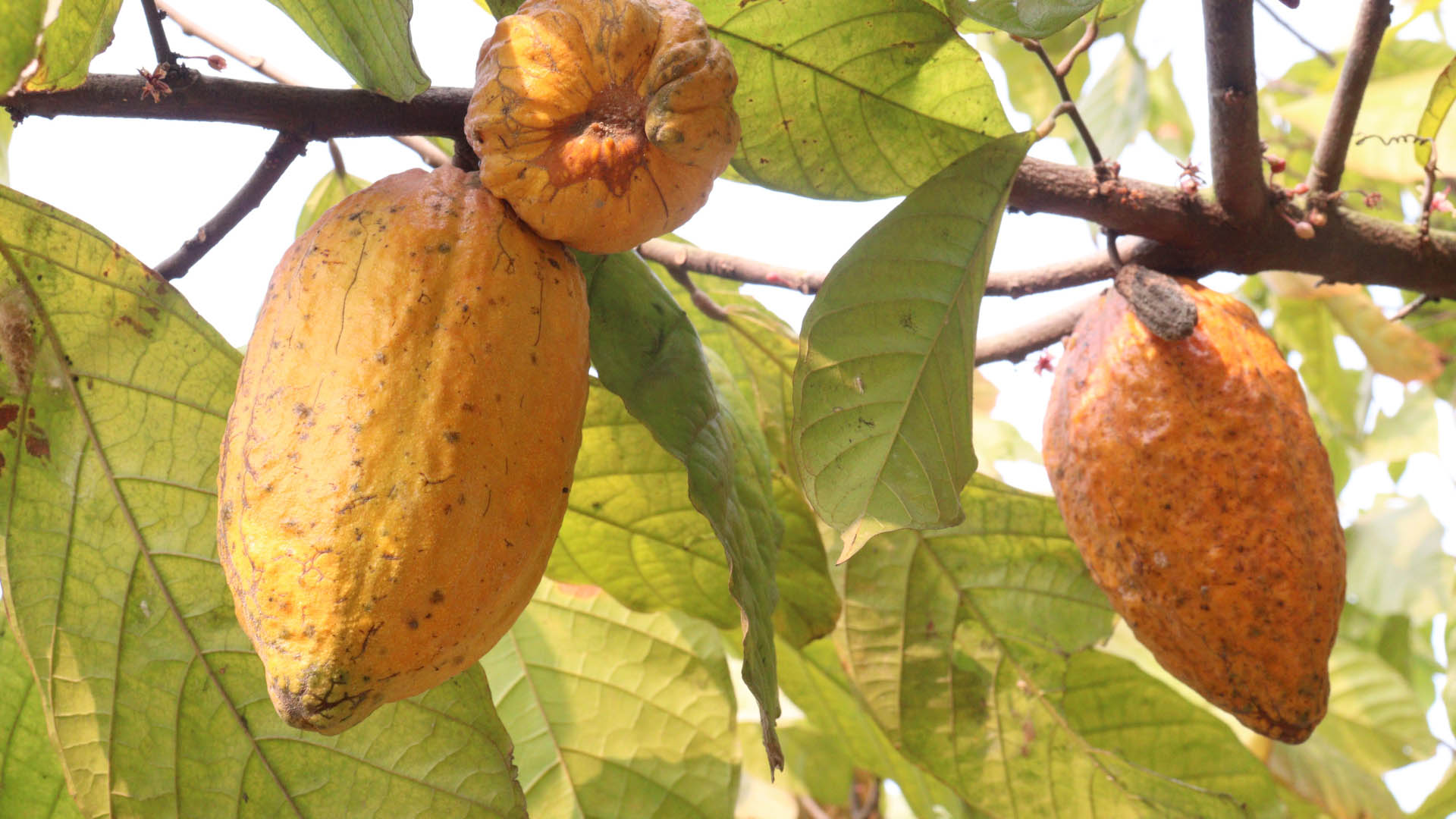
Today, we will visit a nearby farm to learn how sustainable farming supports community and agrotourism. Local produce includes bananas, plantains, cassava, passionfruit, papaya, and the famous cacao. You will help harvest some fruits and vegetables and try them during lunch. For dessert, you will prepare the chocolate sauce from scratch. First, try the fresh cacao fruit, then roast and peel the beans, grind them, and mix them with your preferred amount of water, milk, and sugar.
In the evening, enjoy a night walk (optional and subject to weather conditions) to get a different perspective of the forest.
We start early with bird-watching from the observation tower. Then, we help our park guards record the species on iNaturalist or eBird. After breakfast, we return to Quito.
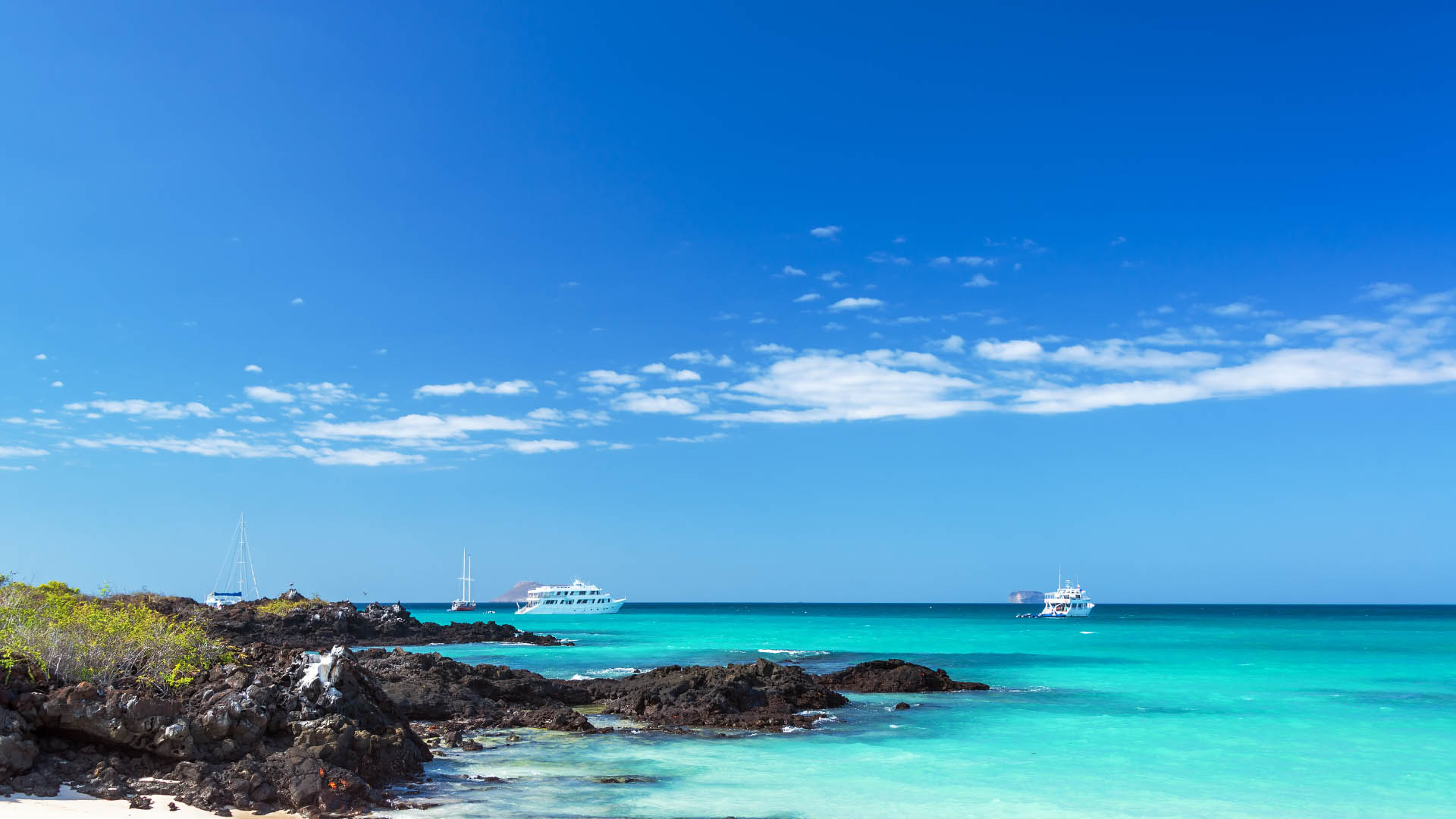
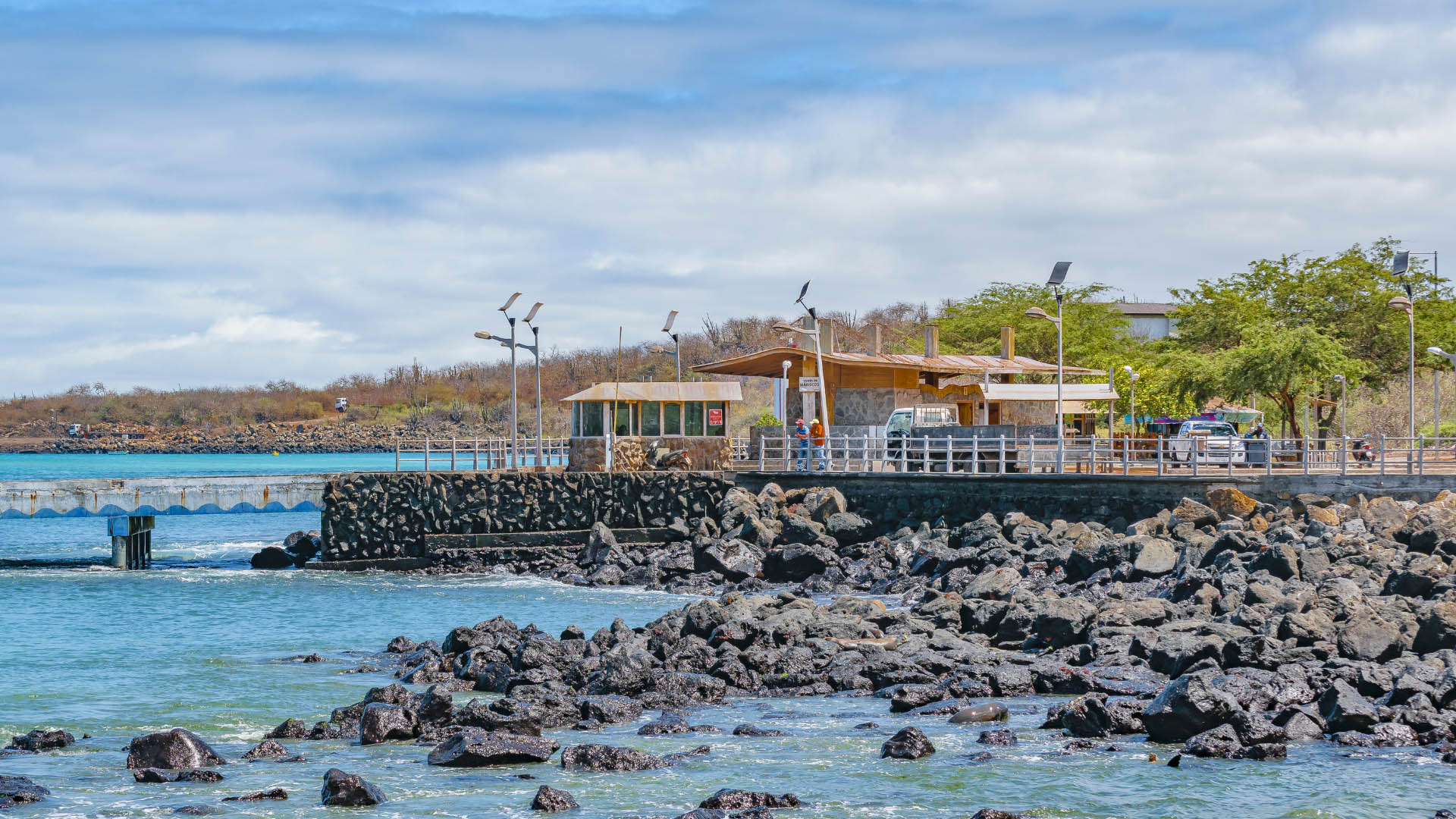
Transfer to the airport for your flight to the enchanted Galapagos Islands. Puerto Baquerizo Moreno on San Cristobal Island is the capital of the Galapagos province and one of four inhabited places on the archipelago. The Galapagos National Park covers 97% of the territory, making conservation a priority and the greatest challenge.
In the afternoon, visit the Interpretation Center to learn about the evolution of species, the migration of animals, and the human settlements within the Galapagos. Then, hike up to Frigate Hill along native vegetation like mangroves and Opuntia cacti. Watch the frigate birds fly over you, snorkel with sea lions at Darwin Bay, and relax at Punta Carola Beach.
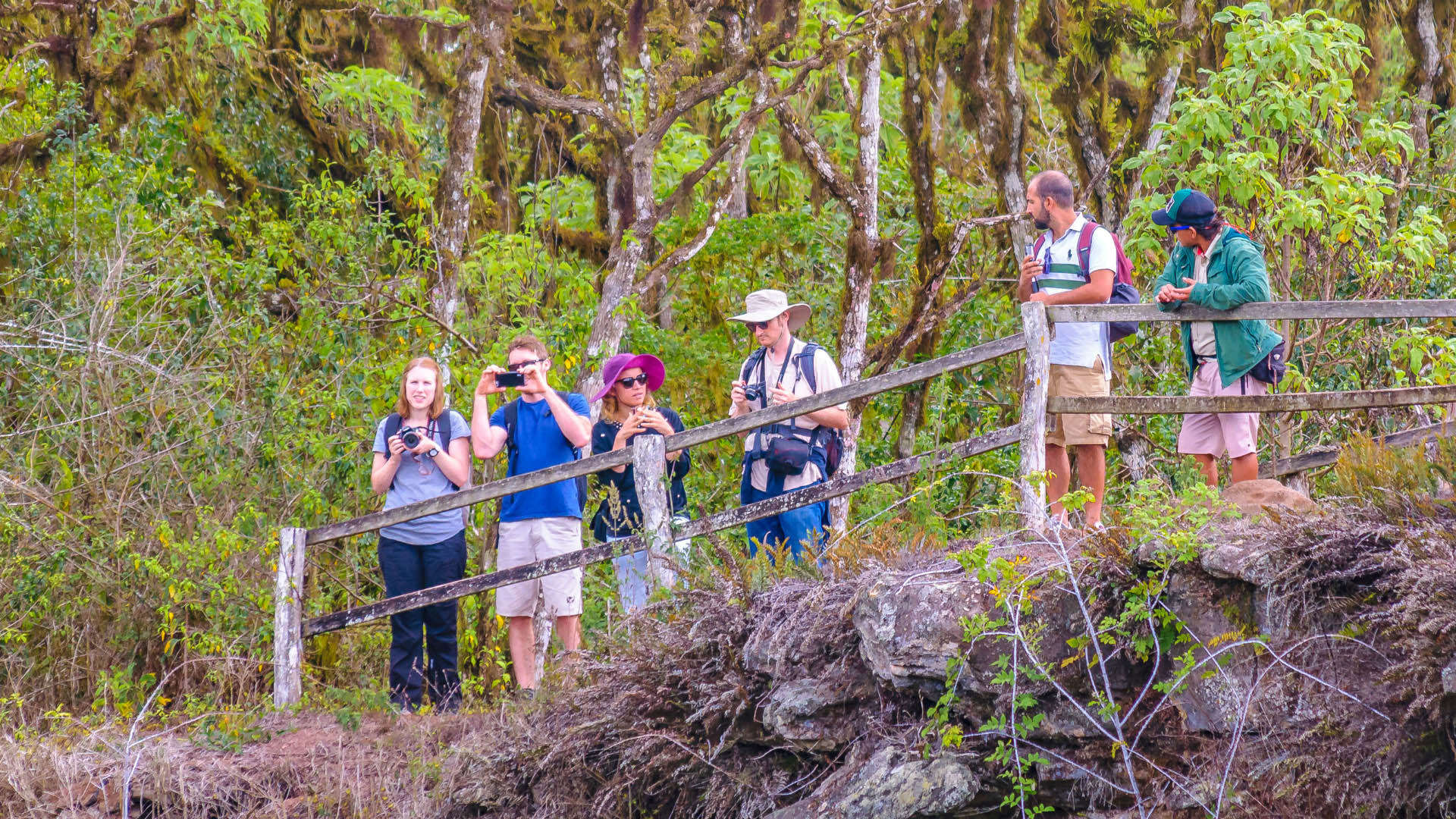
We depart early to the highland of San Cristobal, where the 110-hectare (270-acre) Los Petreles Reserve protects the endemic and critically endangered Galapagos Petrel. Conservation activities include the restoration of the endemic miconia forest, petrel nest monitoring, and invasive species control (rodents and blackberry). The reserve will be our base for two nights, equipped with camping facilities.
We will divide into groups to conduct the petrel monitoring and reforest the reserve up to El Junco Lake. Another group will also assist in removing the invasive blackberry and monitor the bait stations for rodents. We will discuss the impact of invasive species in a fragile ecosystem like the islands and the key role that community collaboration plays in advancing conservation and protected area management.
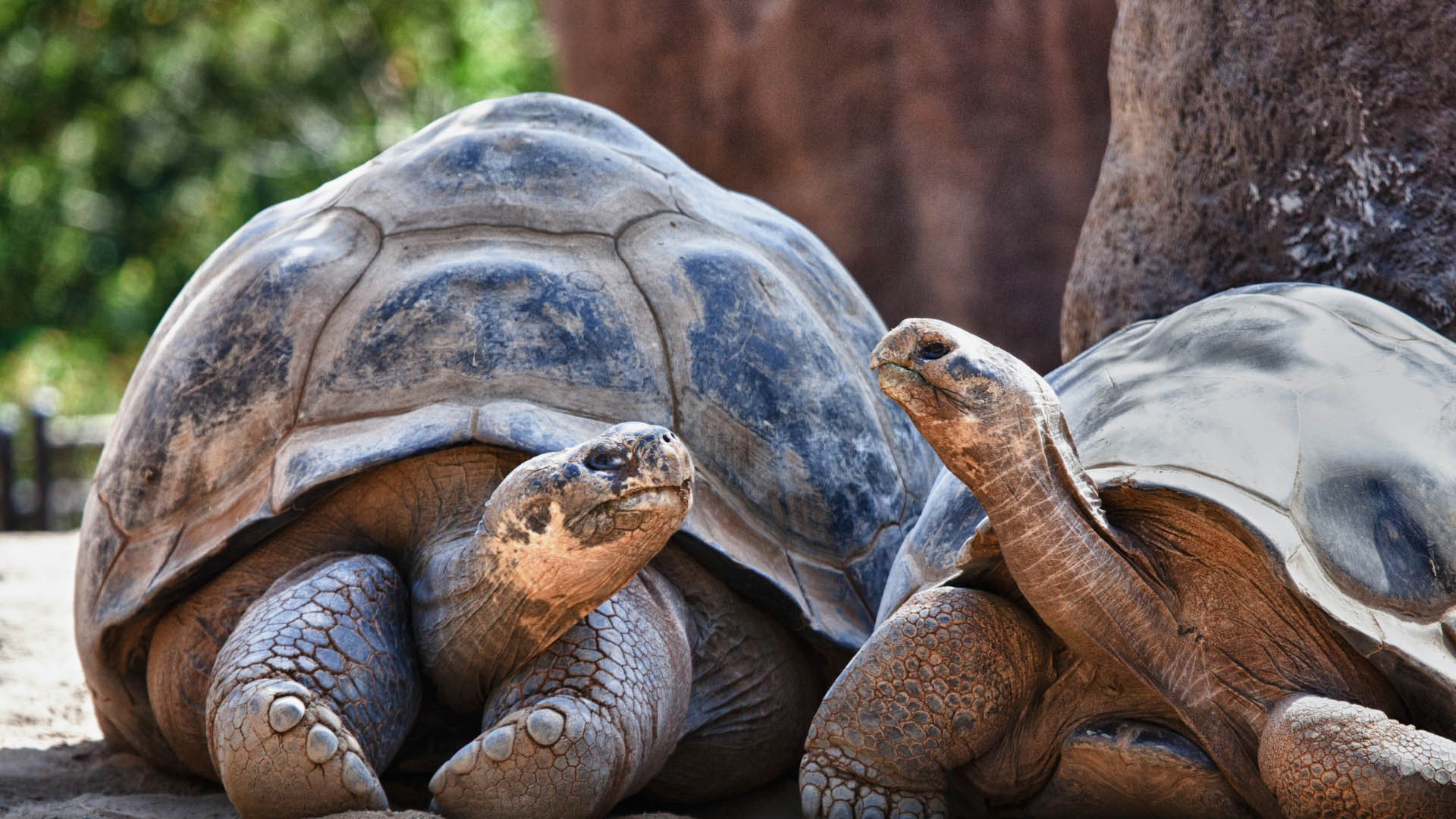
In collaboration with the Galapagos National Park, we will visit the Galapaguera or tortoise center, where they breed the giant tortoise native to San Cristobal Island to recover its population. Depending on the week, we assist in monitoring the tortoises, weighing and measuring them, feeding them, and cleaning their corrals. The park guards will share their knowledge of the species, its conservation, and the challenges they face. At the nursery, the national park propagates native species to restore the El Junco Lake area, where we will also help with planting. Before returning to the reserve, we will enjoy the beach at Puerto Chino, swimming with sea lions and marine iguanas.
Transfer to the airport for your flight back to Quito. Upon arrival, transfer to your hotel.
Transfer to the airport for your flight back home. Safe travel!
The rules of the Galapagos National Park are very strict. Unfortunately, human interaction and introduced species are two of the biggest threats to the islands, so please help us keep their impact minimal. The Galapagos National Park requires that a certified naturalist guide must accompany you. He or she will advise you on what is and is not allowed while visiting the islands.
Please follow their instructions. The most important rules are the following: