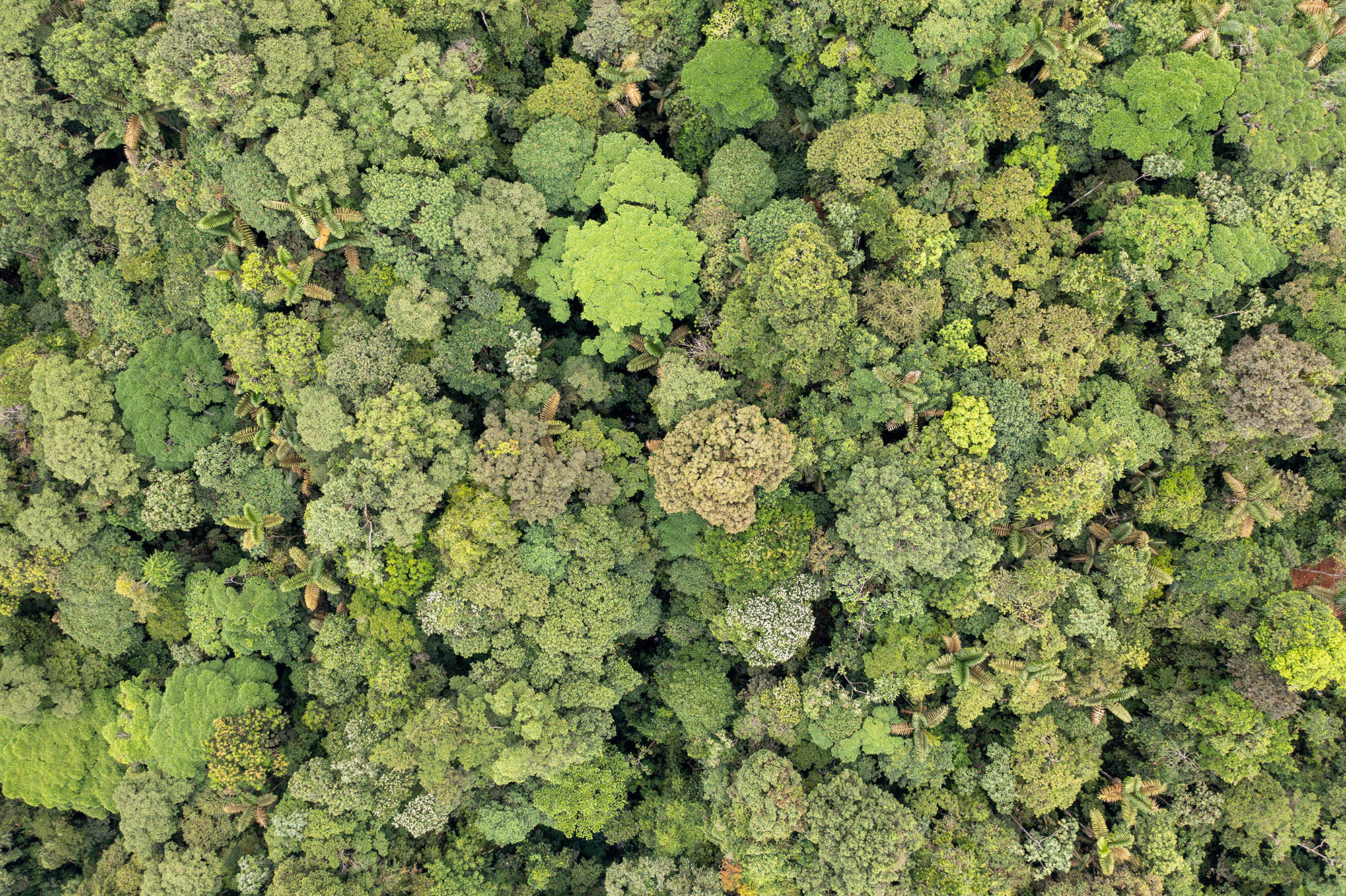
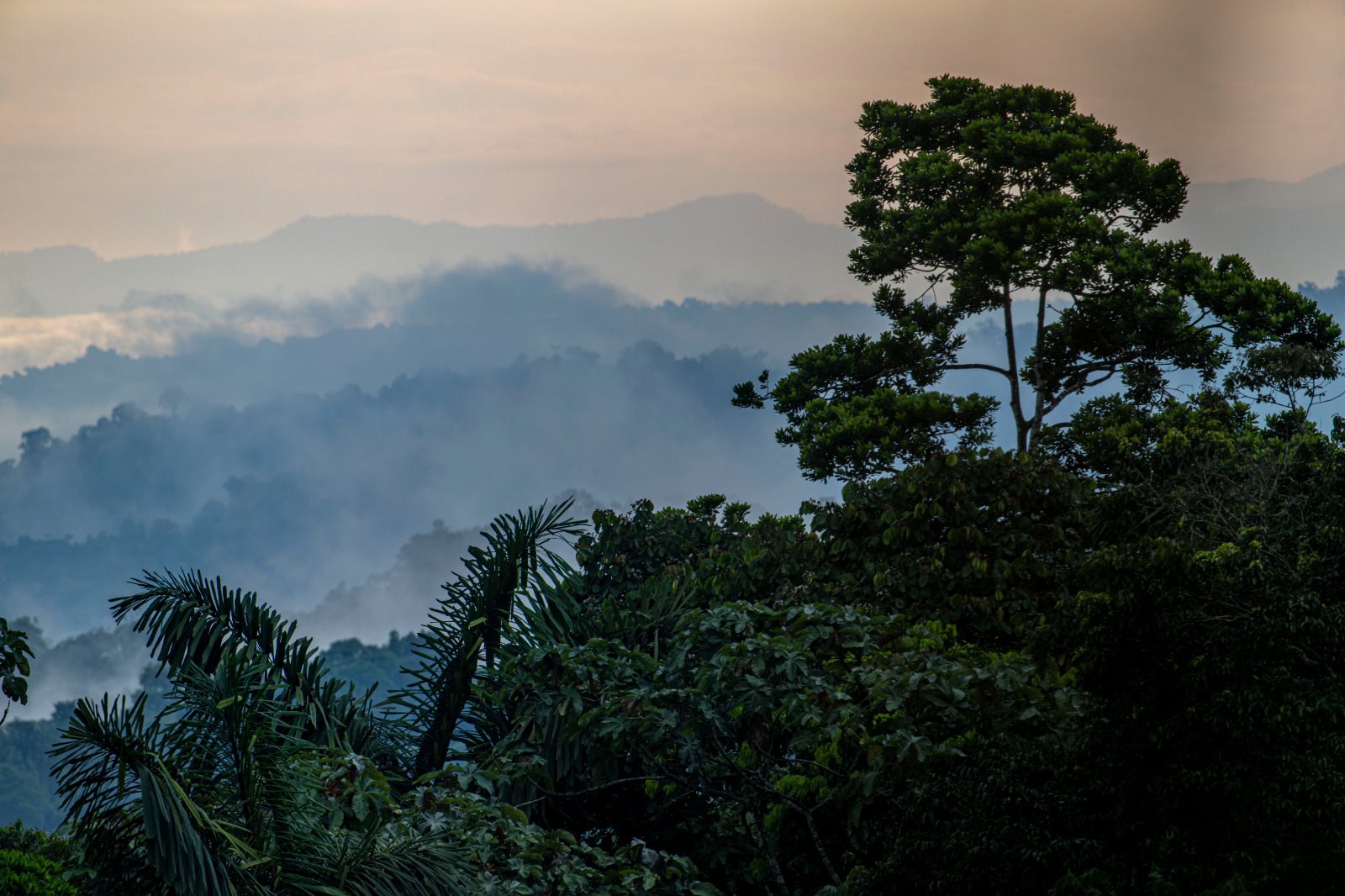
The Canandé Reserve was created with the aim of protecting one of the most important and threatened biodiversity hotspots in the world, the lowland Chocó, which has nearly the same level of biodiversity as the Amazon, but faces more severe threats due to deforestation.
The Ecuadorian Chocó is home to an astounding variety of species and ecosystems. The Chocó bioregion is known as the floristic hotspot of the Americas, with exceptionally high rates of endemism. In Canandé alone, there are at least 27 plant species that have only been found within the reserve.
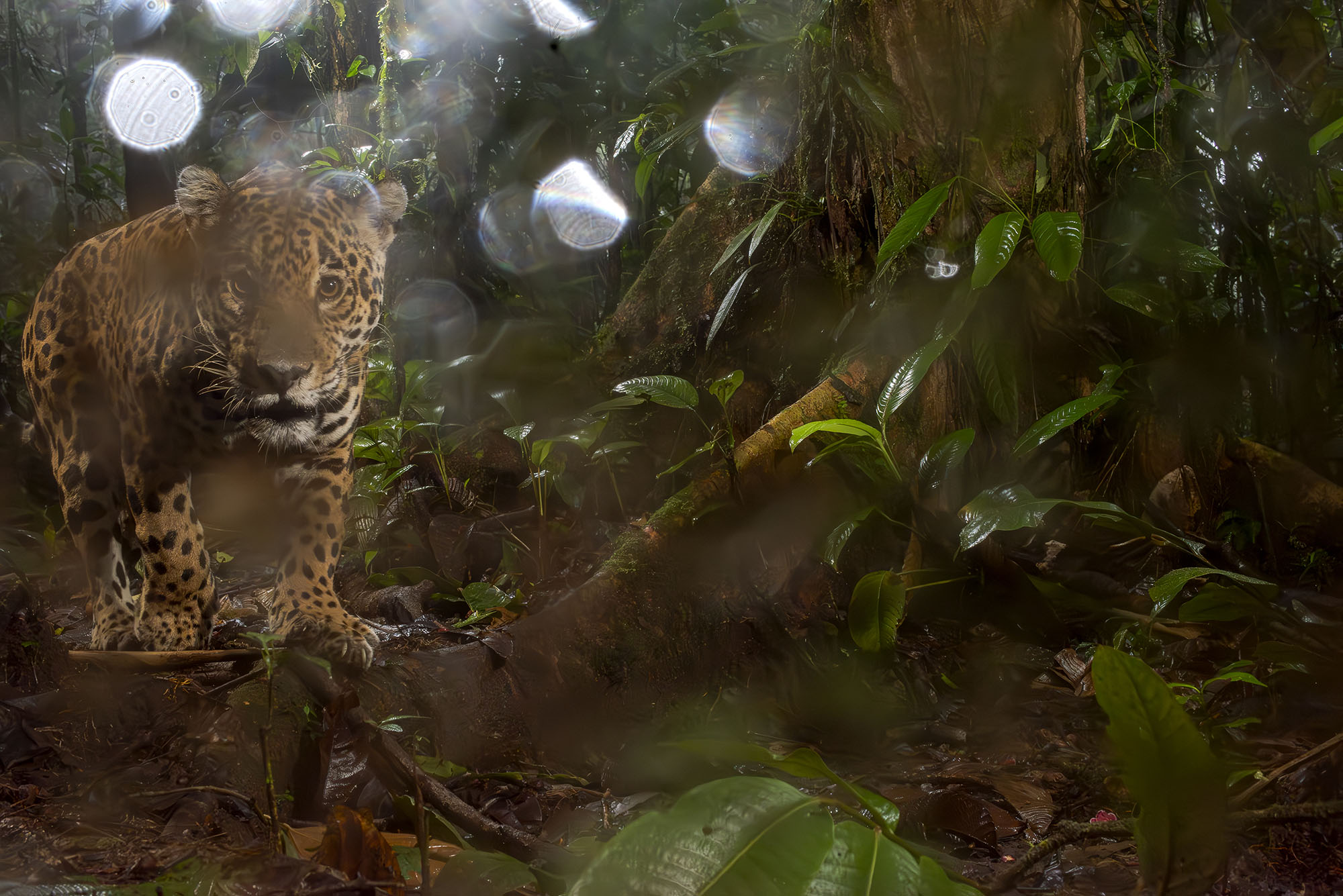
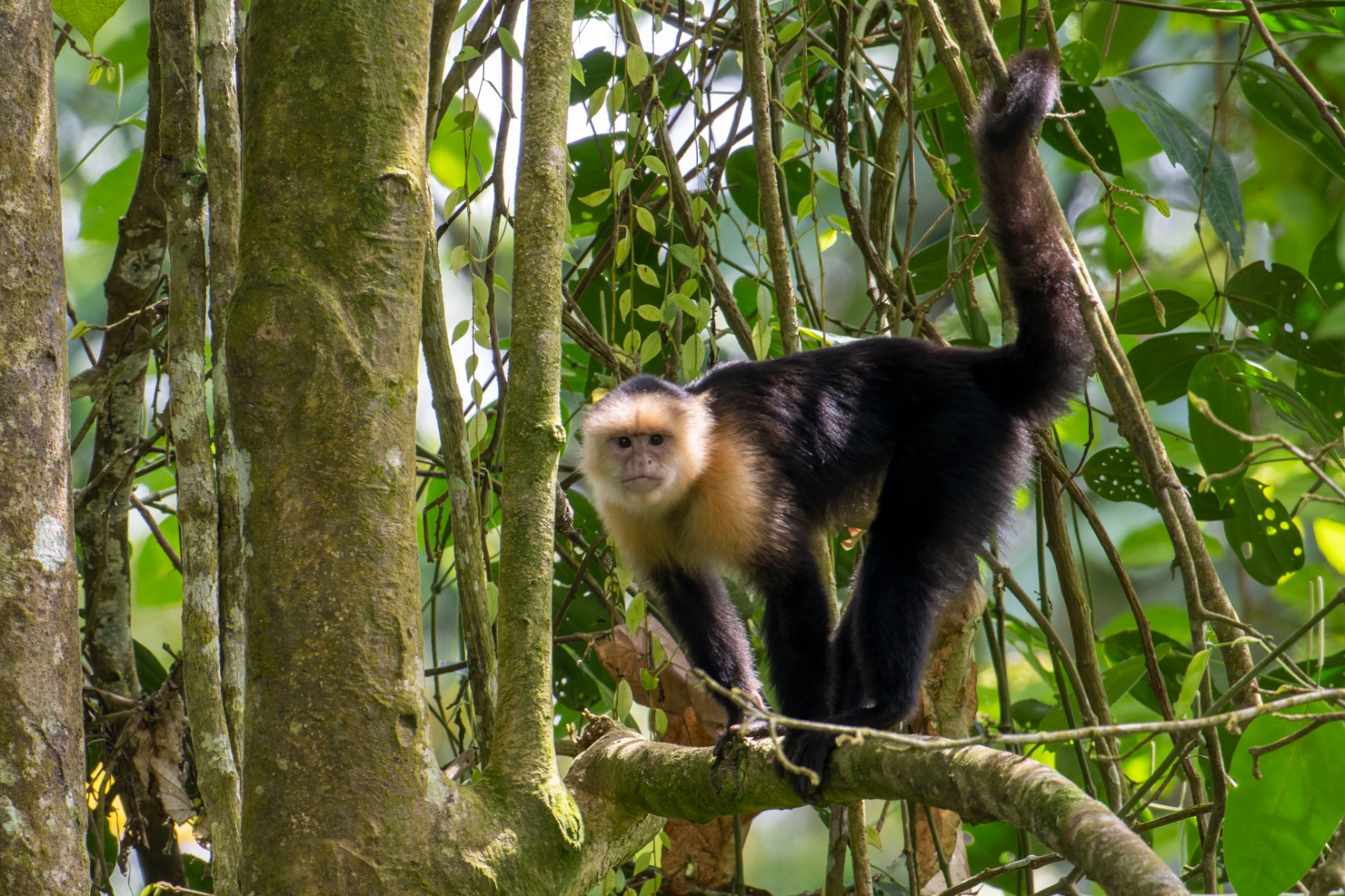
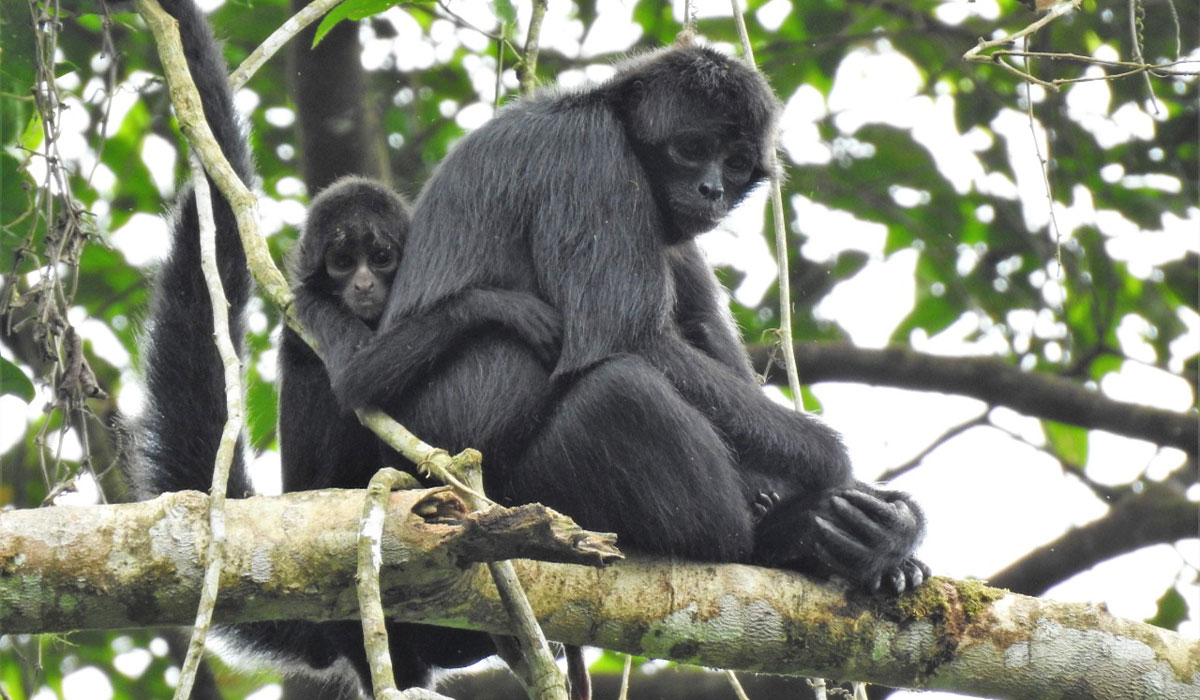
This area is the only place in Ecuador where we still find healthy populations of jaguars (Panthera onca), harpy eagles (Harpia harpyja), giant anteaters (Myrmecophaga tridactyla), and white-lipped peccaries (Tayassu pecari). In our Canandé reserve, we protect a significant percentage of endemic birds and the critically endangered Brown-headed Spider Monkey (Ateles fusciceps), with fewer than 500 individuals estimated to remain.
Regarding plants, the Chocó is the most diverse and important site in the Americas. In just one hectare (2.5 acres), we find 300 different plant species. Industrial deforestation has severely affected this area, along with farming, primarily for palm plantations. This critical situation has driven us to take on the challenge of protecting the last remnants of Chocó forest, establishing a conservation corridor that connects Canandé (which is already part of the National System of Protected Areas) with Cotacachi-Cayapas National Park and the El Pambilar wildlife refuge.
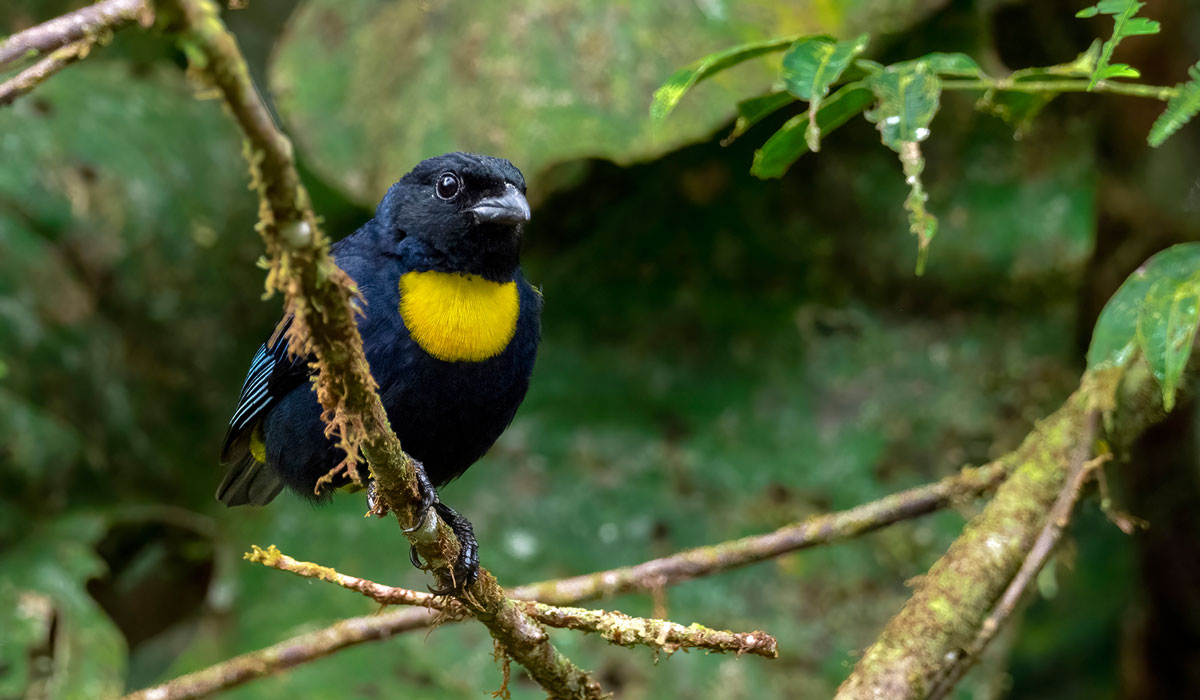
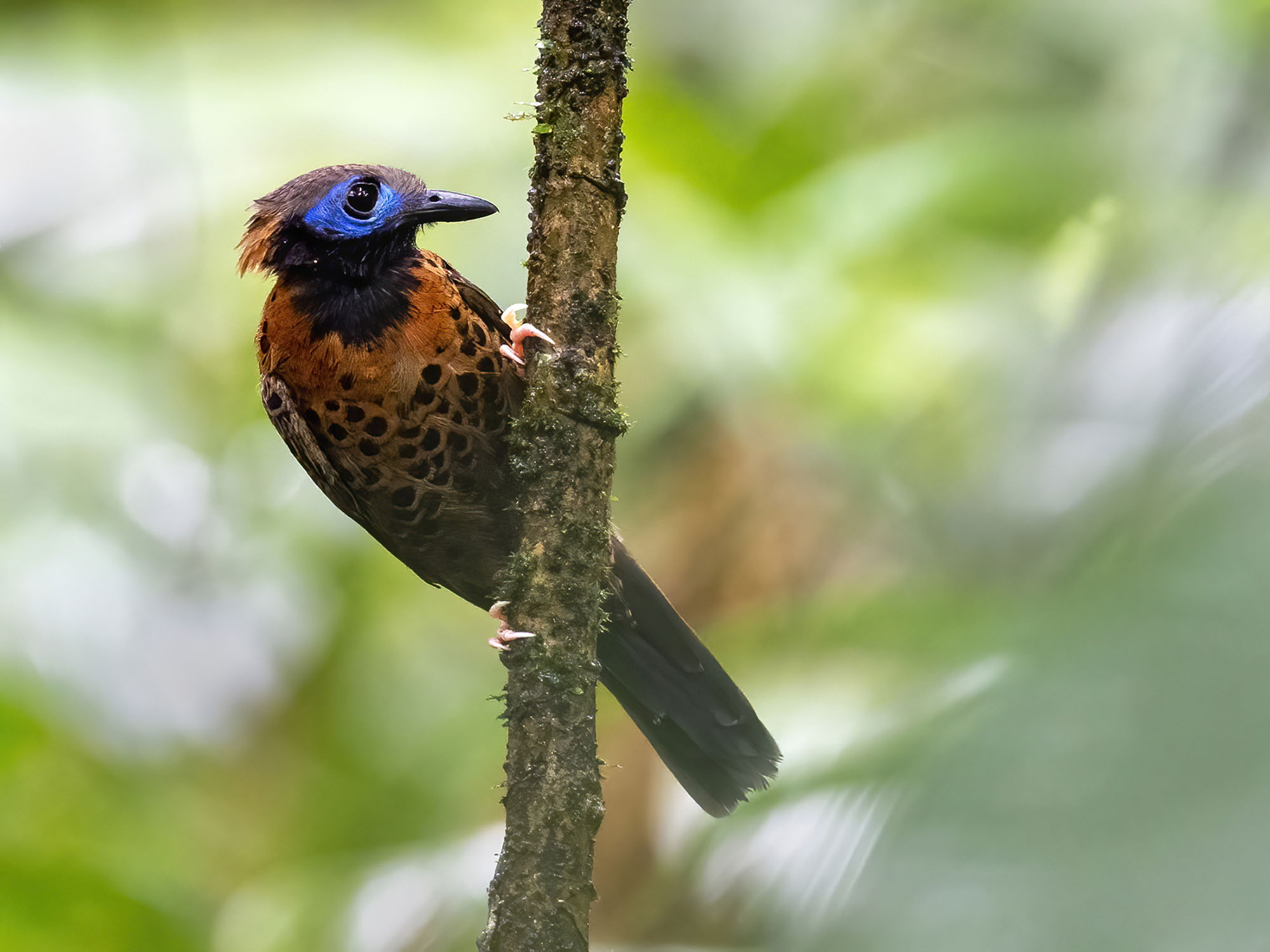
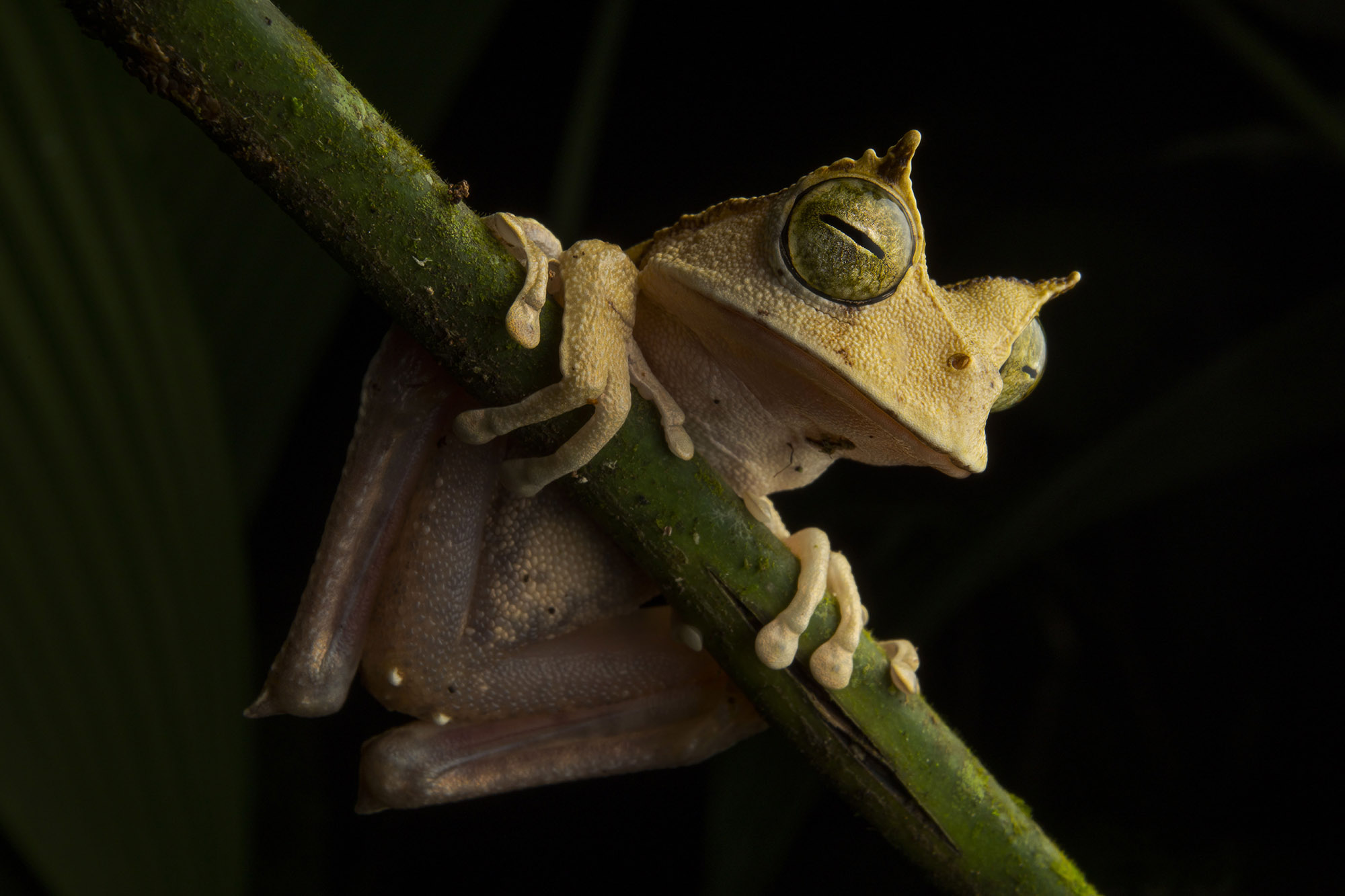
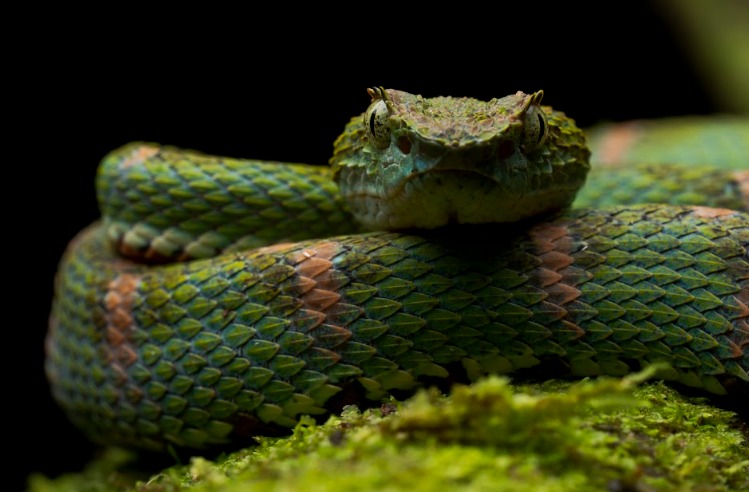
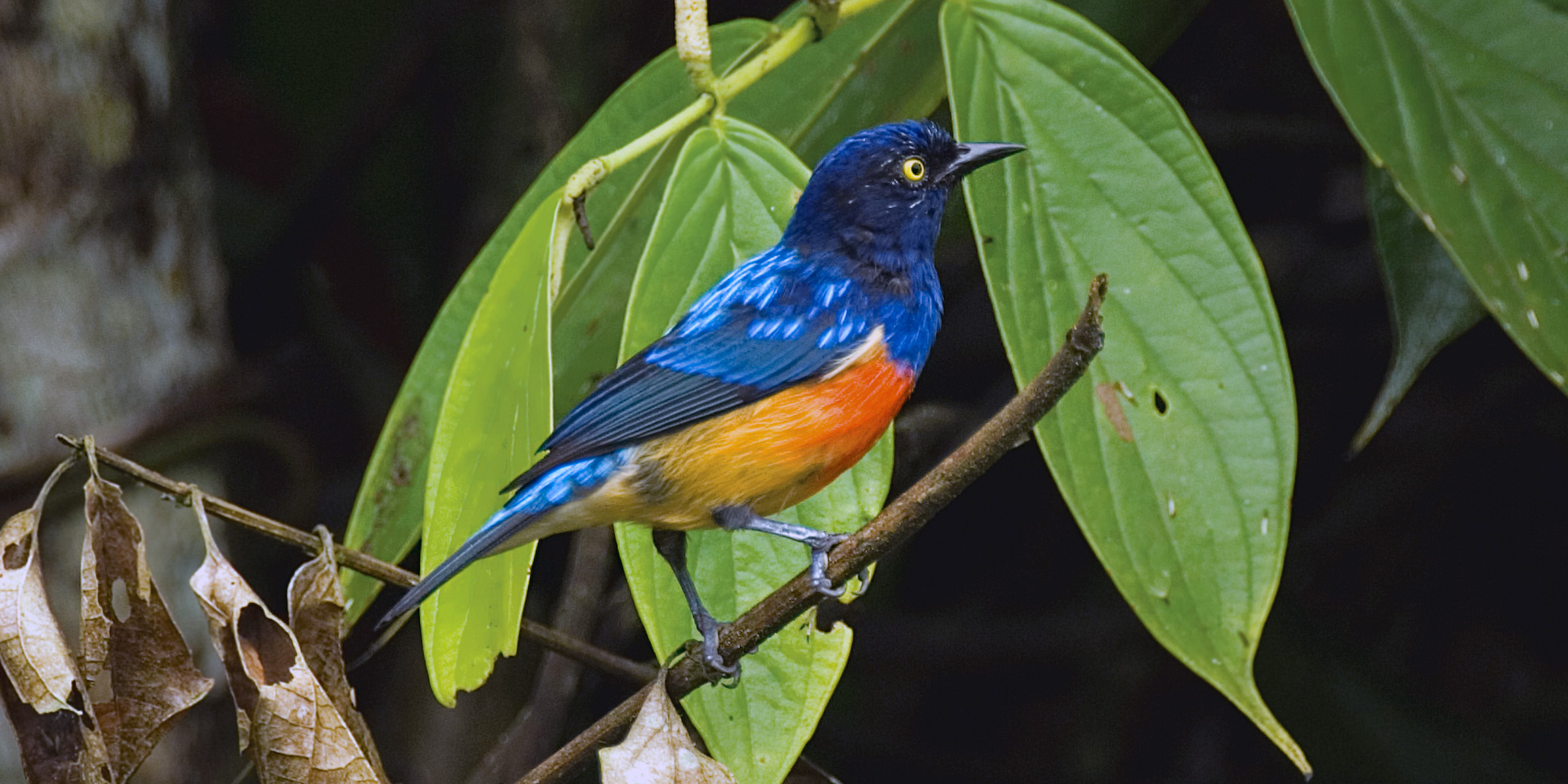
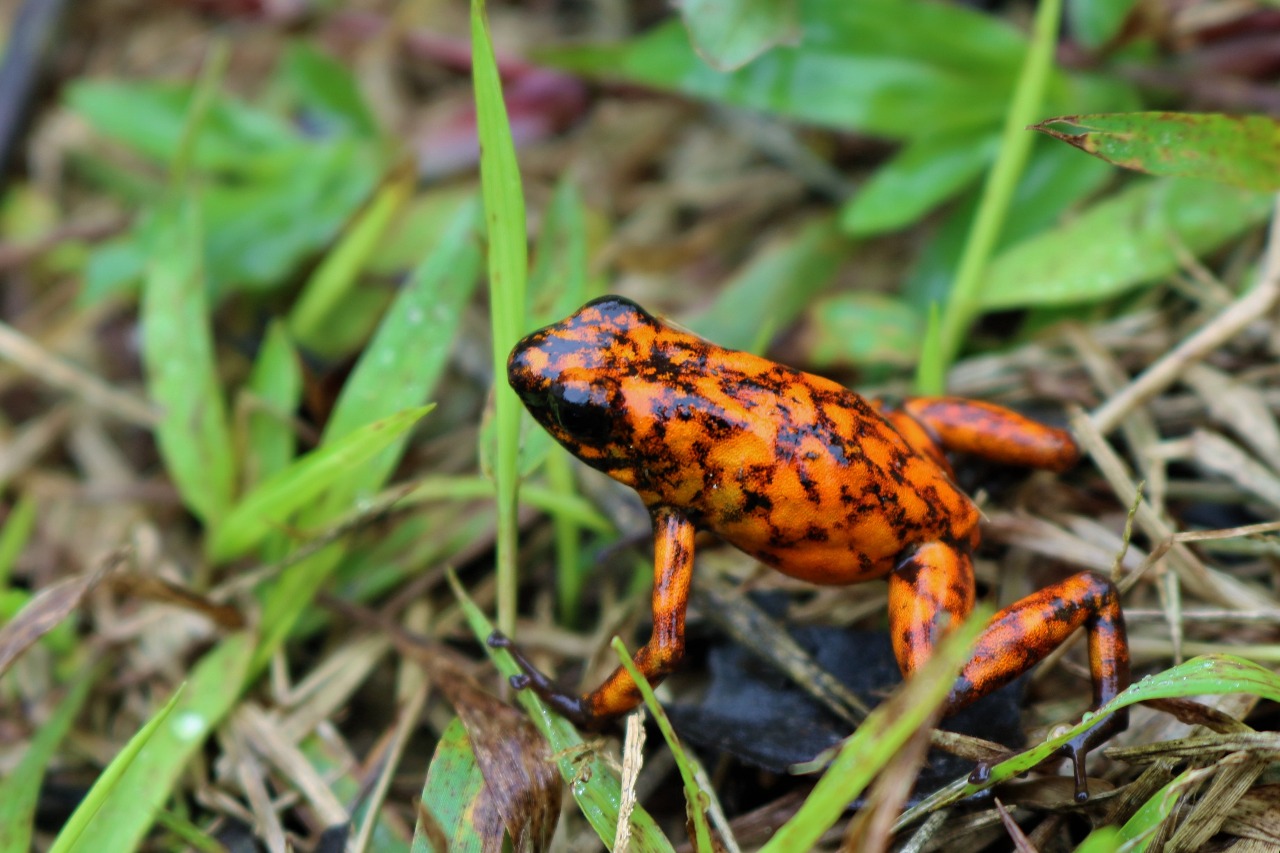
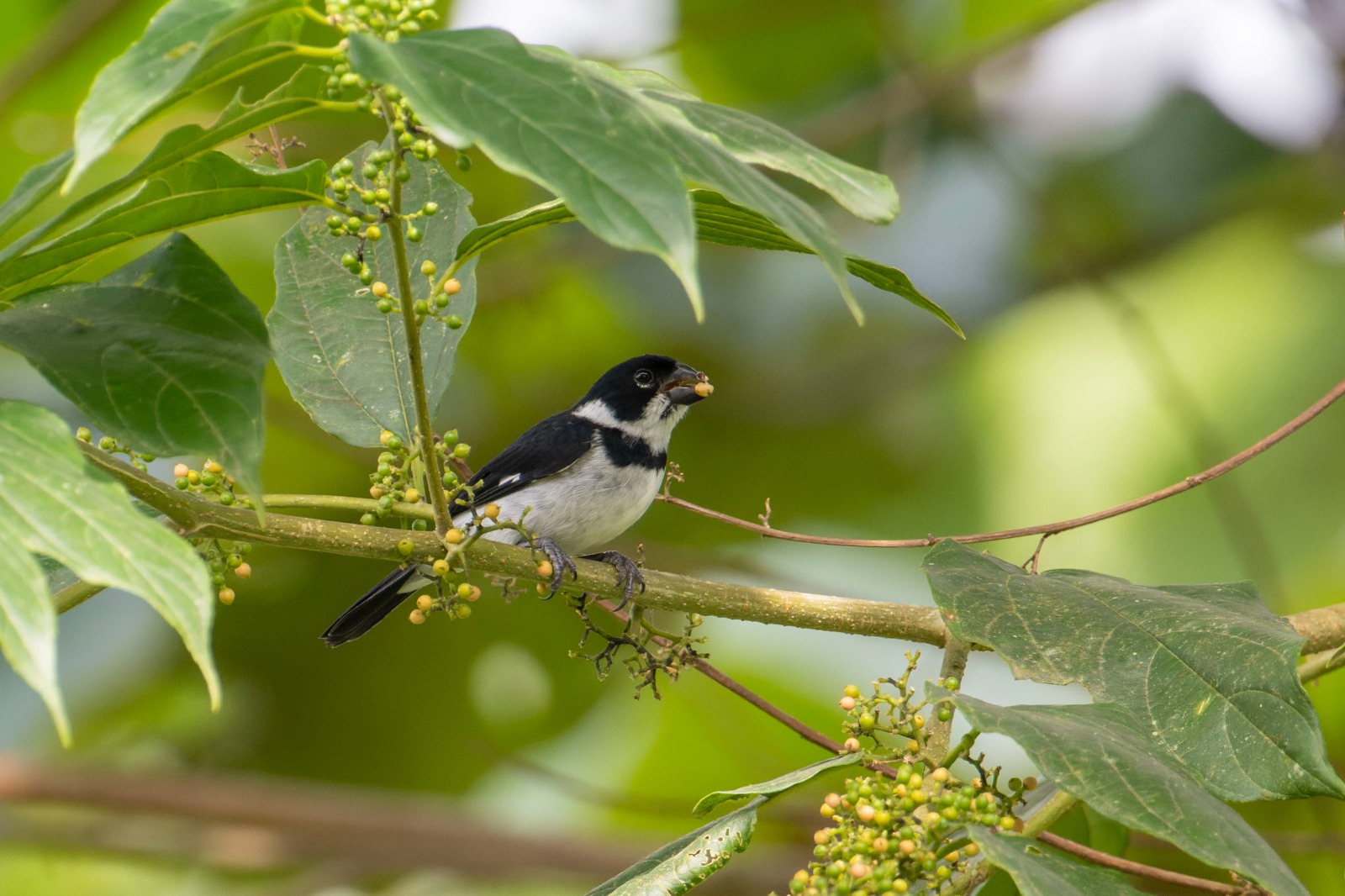
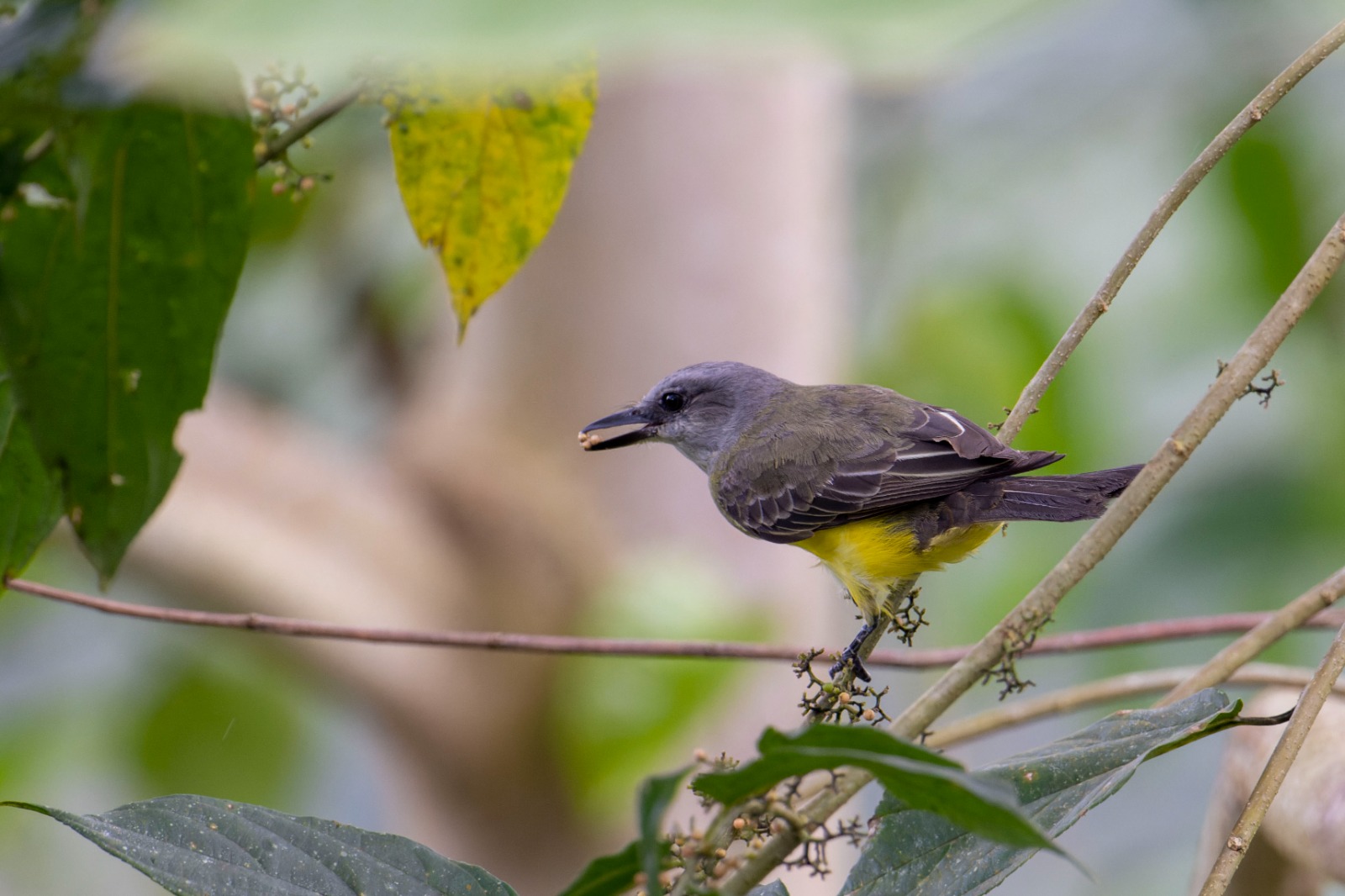
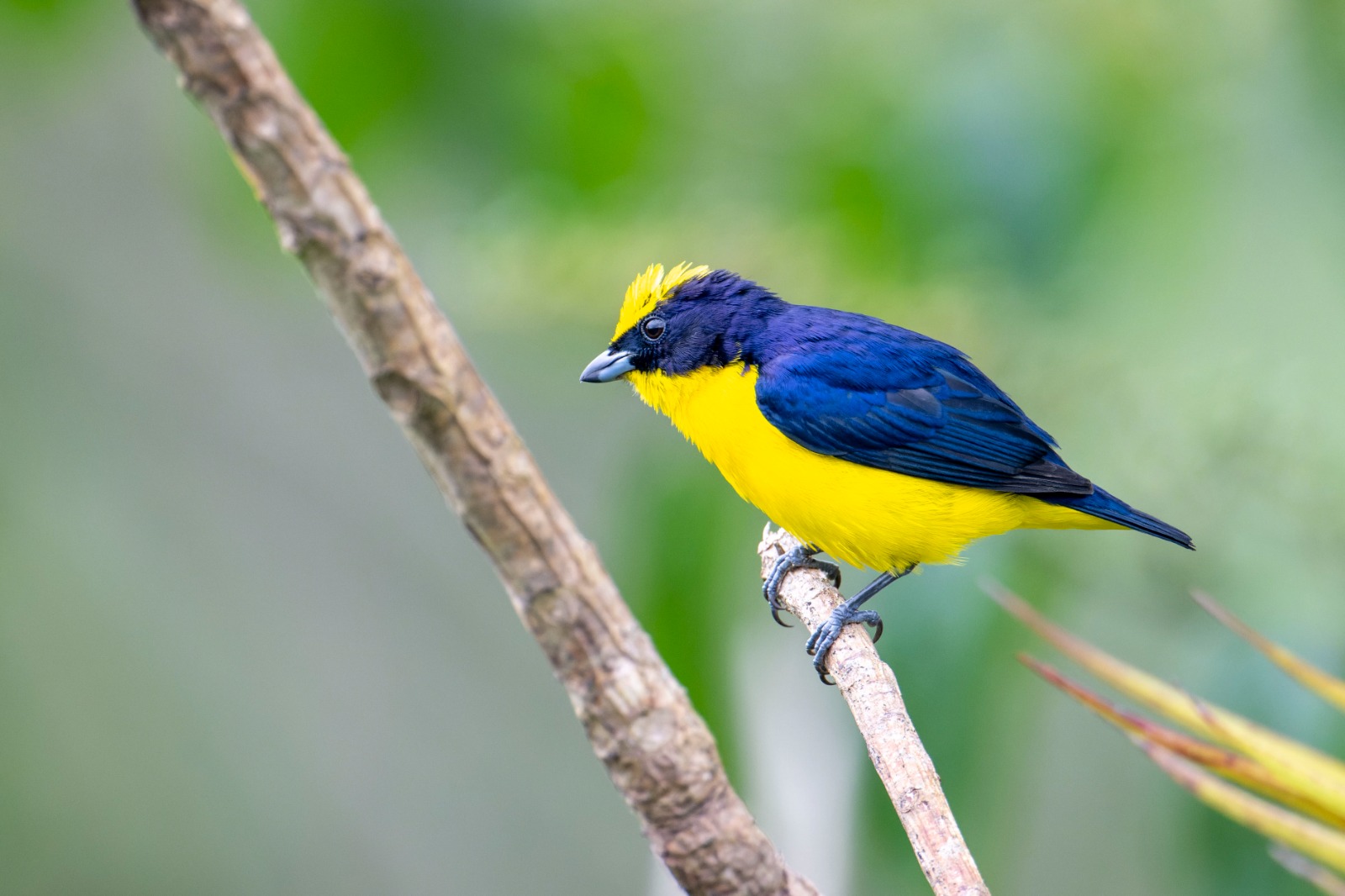
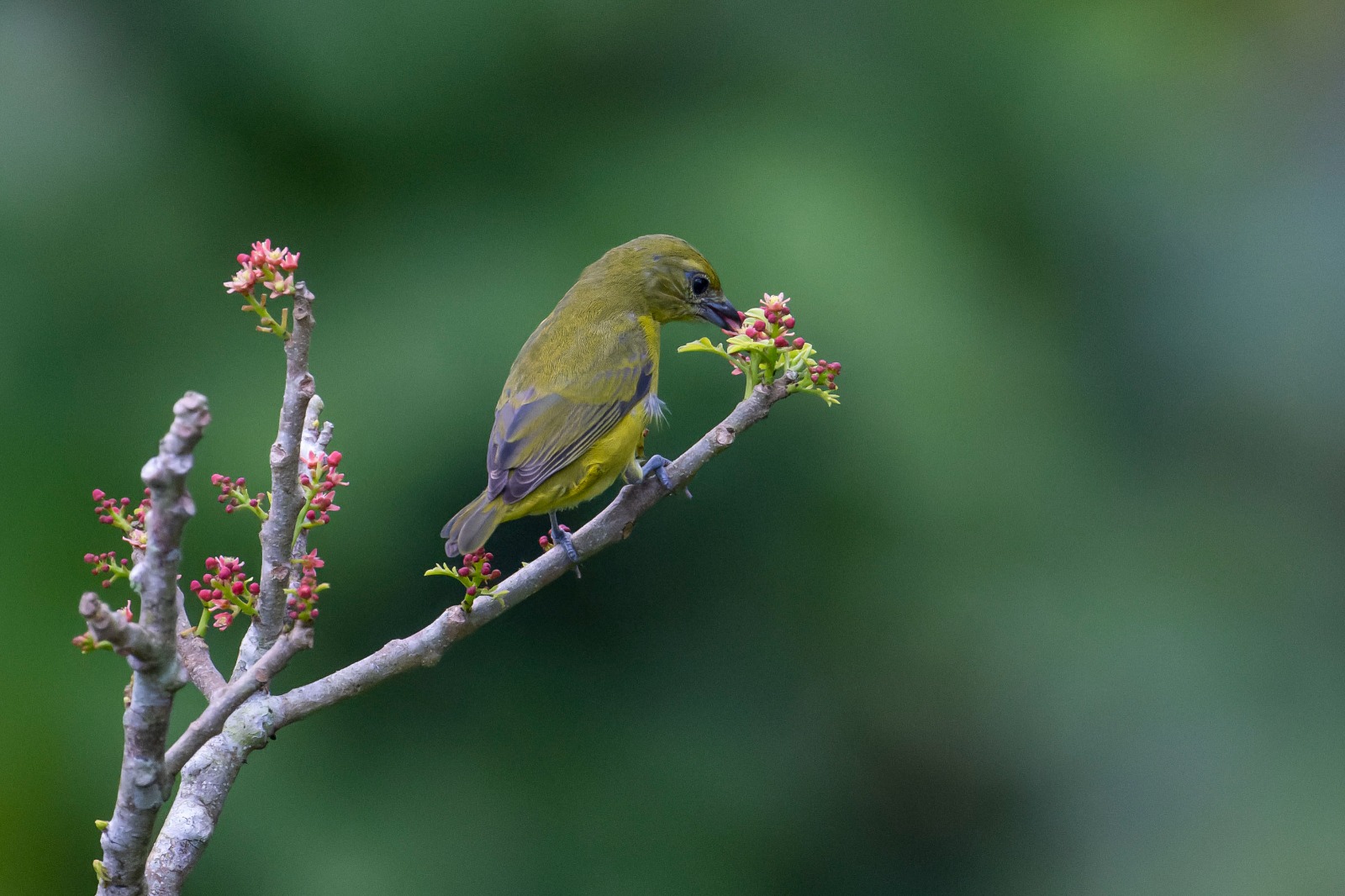
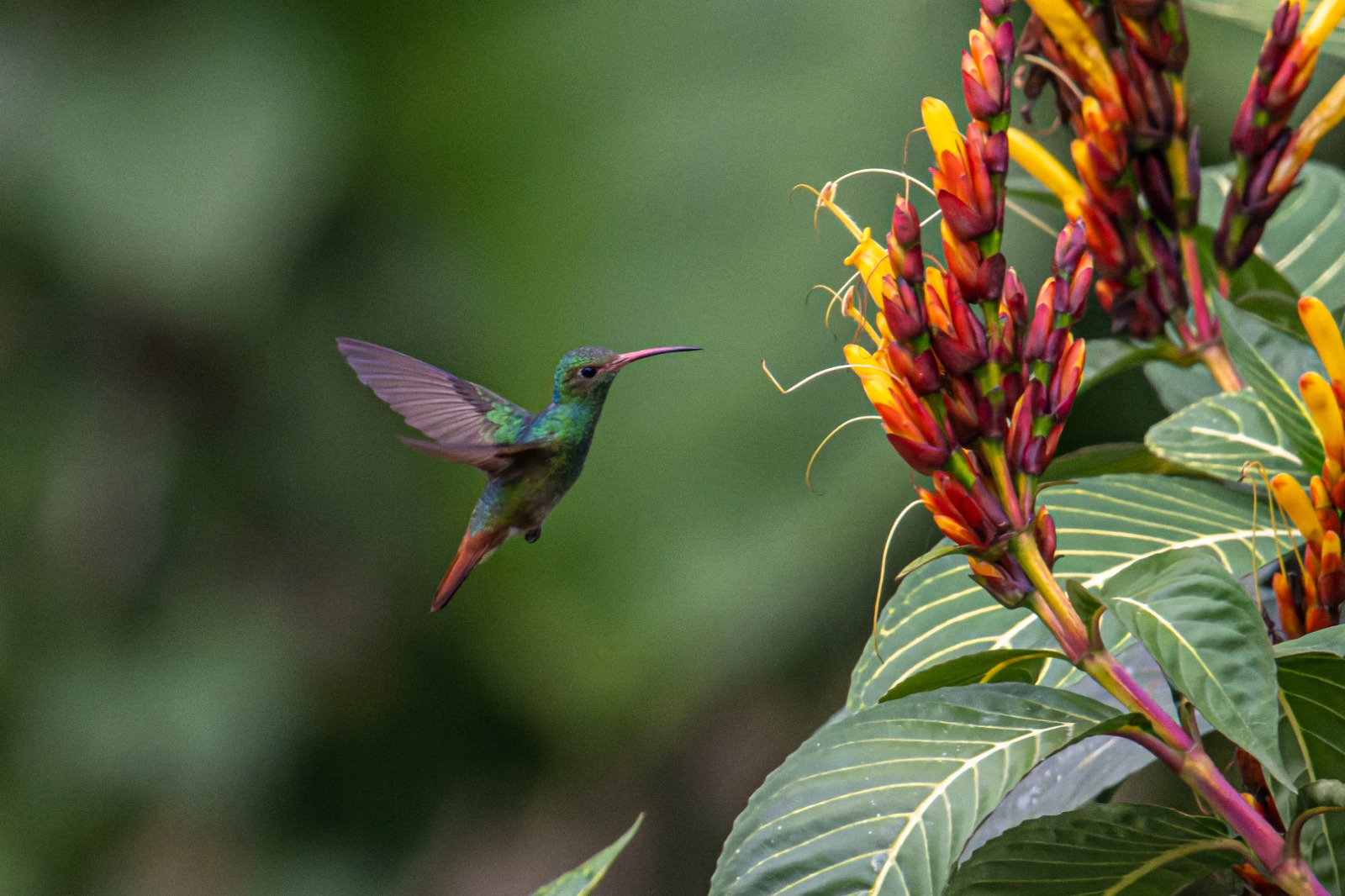
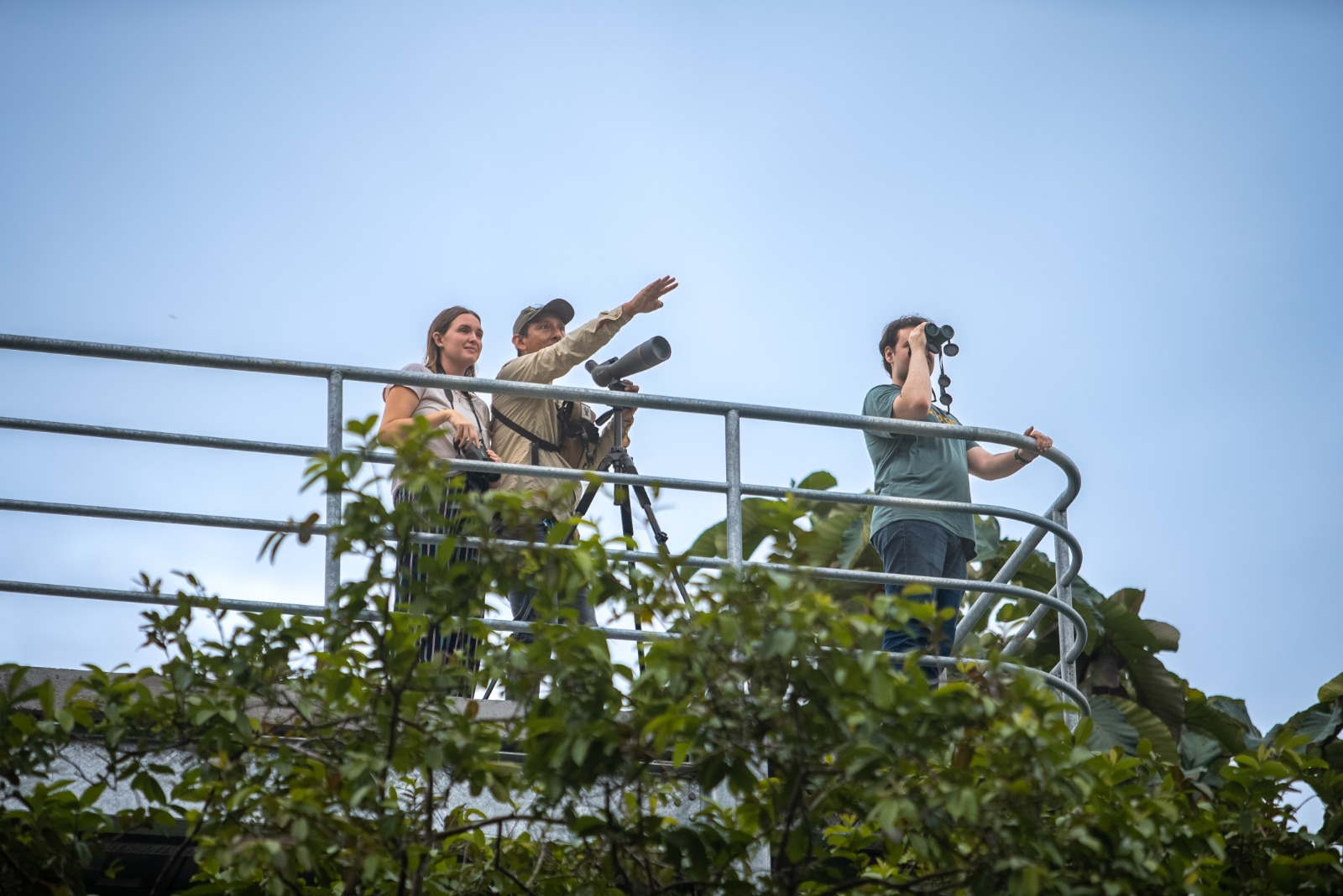
Of the 62 endemic bird species in the Chocó, 37 can be found in Canandé. Some of these are threatened, such as the Banded Ground-Cuckoo(Neomorphus radiolosus) and the Great Curassow (Crax rubra). A study conducted by the Ecuadorian Museum of Natural Sciences (MECN) on reptiles and amphibians recorded 71 species in the reserve, 35 of which are endemic, and 3 are globally threatened.
As for rare and threatened flora found in the reserve, there is Eucaris sp., a critically endangered lily; Ecuadendron acosta-solisianum, an endemic tree of Ecuador; and the newly discovered orchid species Liparis. Additionally, we have Anthurium andreanum, Geonoma palm, Magnolia canandeana, and Magnolia dixonii.
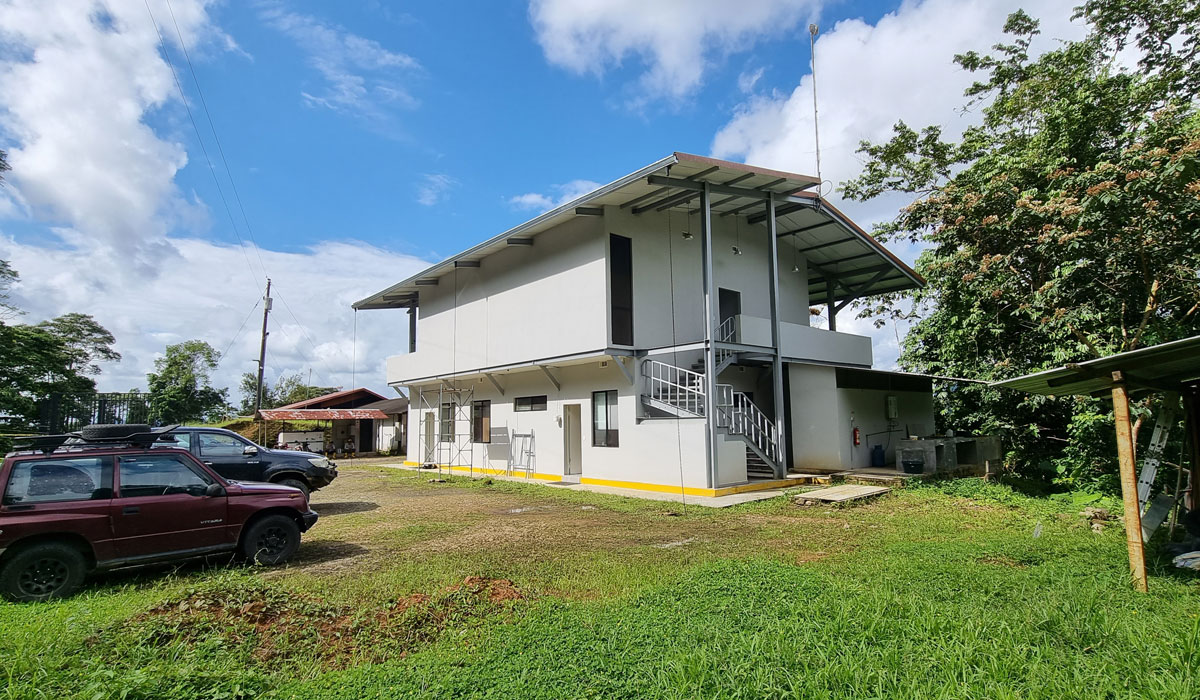
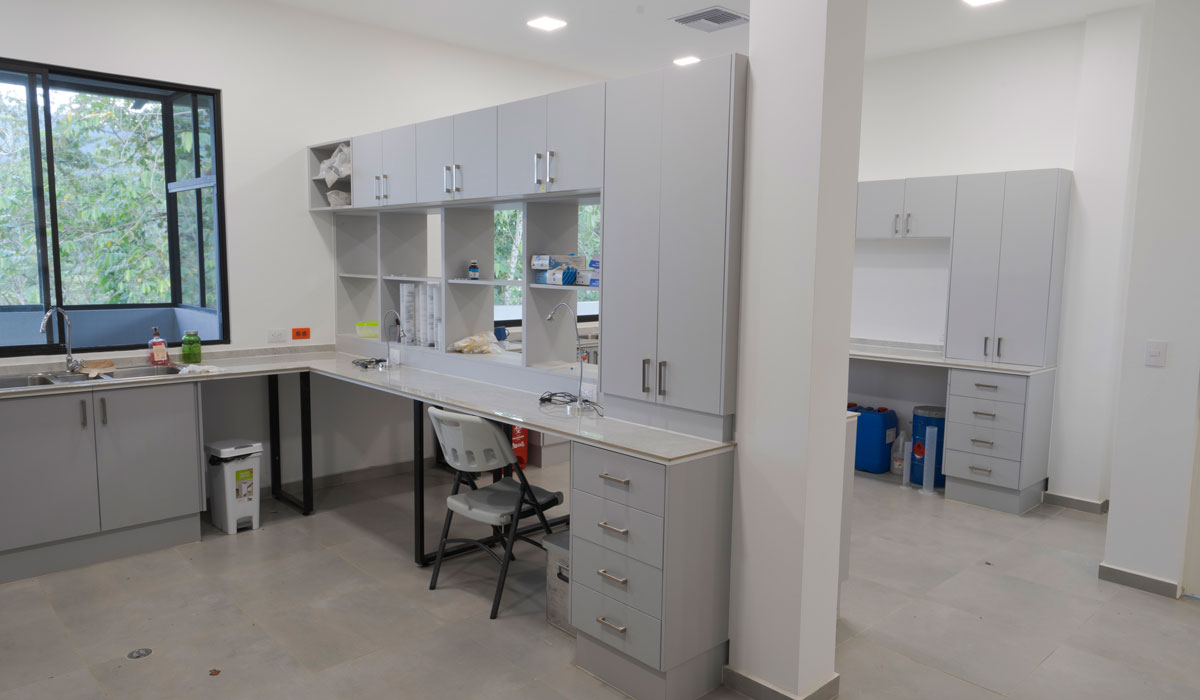
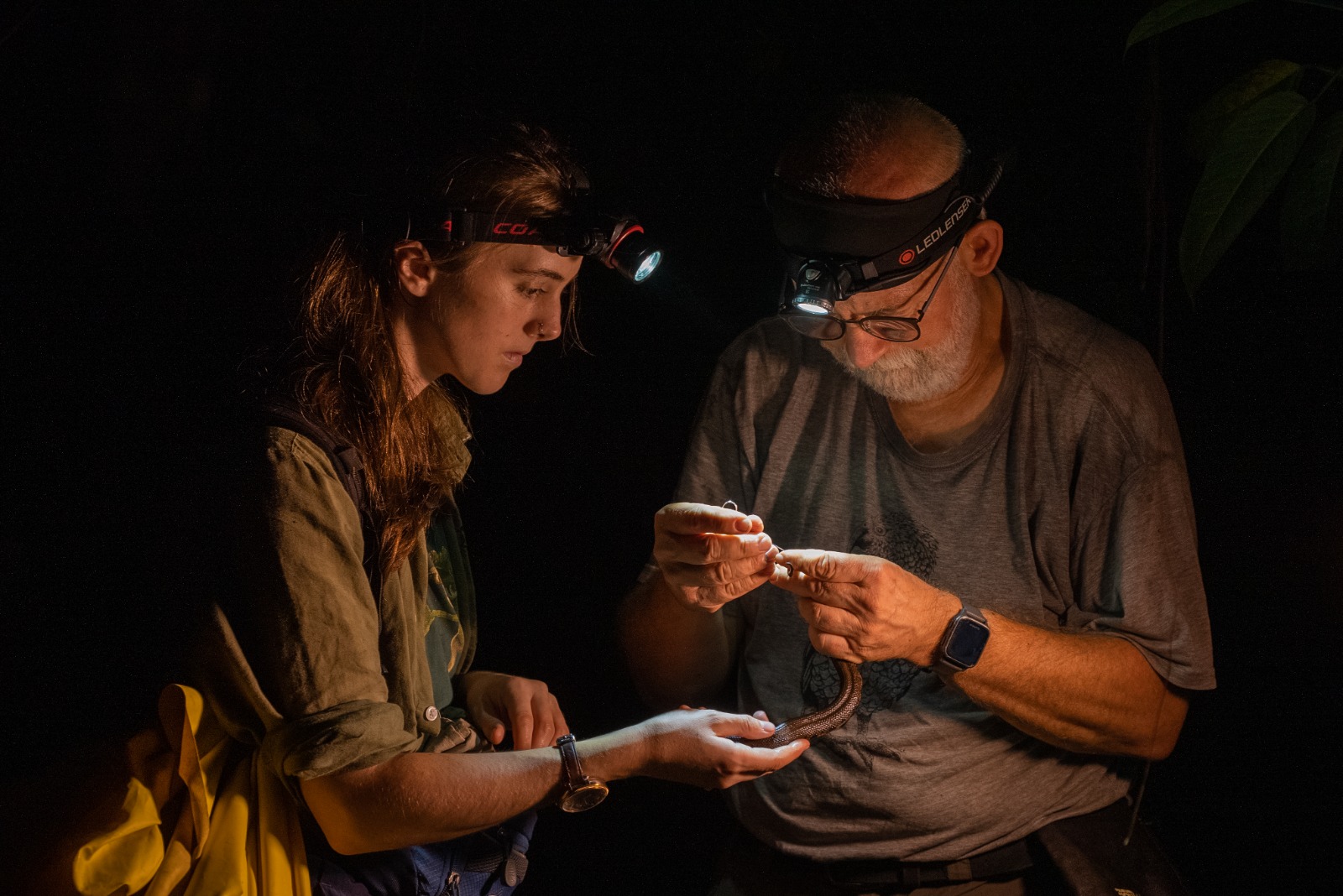
In 2021, Jocotoco inaugurated the Chocó Lab at the Canandé Reserve, marking a milestone in the conservation of the Chocó ecosystem. Our scientific station is the core of the «Reassembly» research project, funded by the German Research Foundation (DFG) and supported by over 20 universities from Ecuador and Germany. Reassembly investigates the natural regeneration of the Chocó forest, combining cutting-edge science, traditional knowledge from local parabiologists, and the expertise of Jocotoco’s park rangers, strengthening ties with local communities and ensuring a sustainable impact.
The Chocó Lab and Reassembly have demonstrated that tropical forests can heal with protection and time, reaching the levels of a mature forest in just 25 years. This has motivated Jocotoco to continue expanding Canandé, enhancing ecological connectivity, and allowing nature to thrive.
Additionally, acoustic monitoring and camera traps have been implemented to develop landscape-level conservation strategies in collaboration with other protected areas and community reserves, solidifying a model of restoration and resilience for the future.
From Quito (approximately five hours by car): Take the Quito-Calacalí-Puerto Quito route. In Puerto Quito, take the detour towards the La Sexta settlement. Then head towards the Las Golondrinas settlement. After that, continue to the La T settlement and then to Zapallo.
At the entrance to Zapallo, take the right-hand detour that leads you to the banks of the Canandé River. There, you must cross by ferry. You will need to pay the ferry fee in cash; the Neimar ferry operates from 5:00 AM to 10:00 PM. On the other side of the river, you are only 40 minutes away from the reserve.
Every day: This reserve does not offer day tours, only accommodation.
Does not apply to day visits.