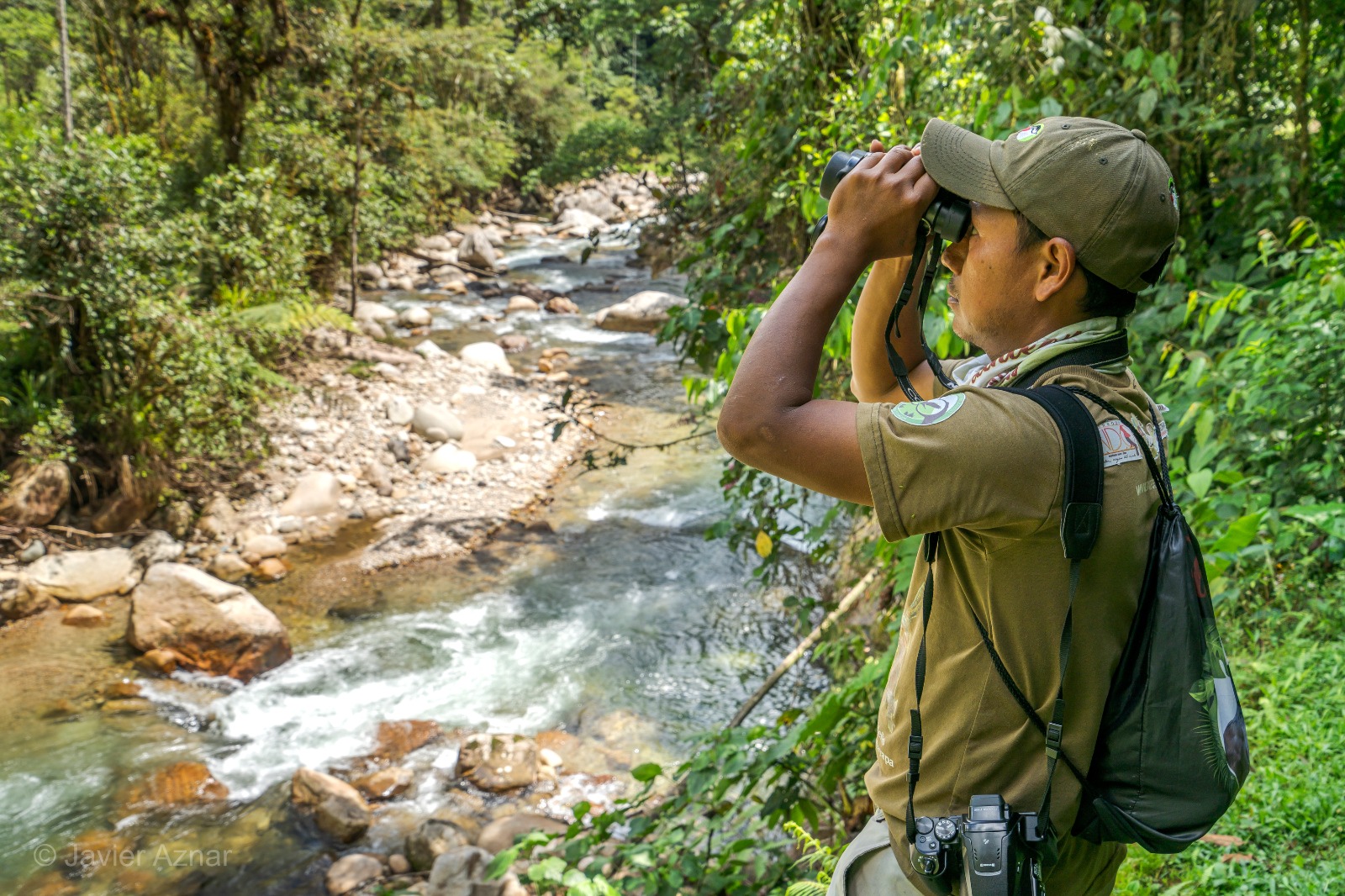
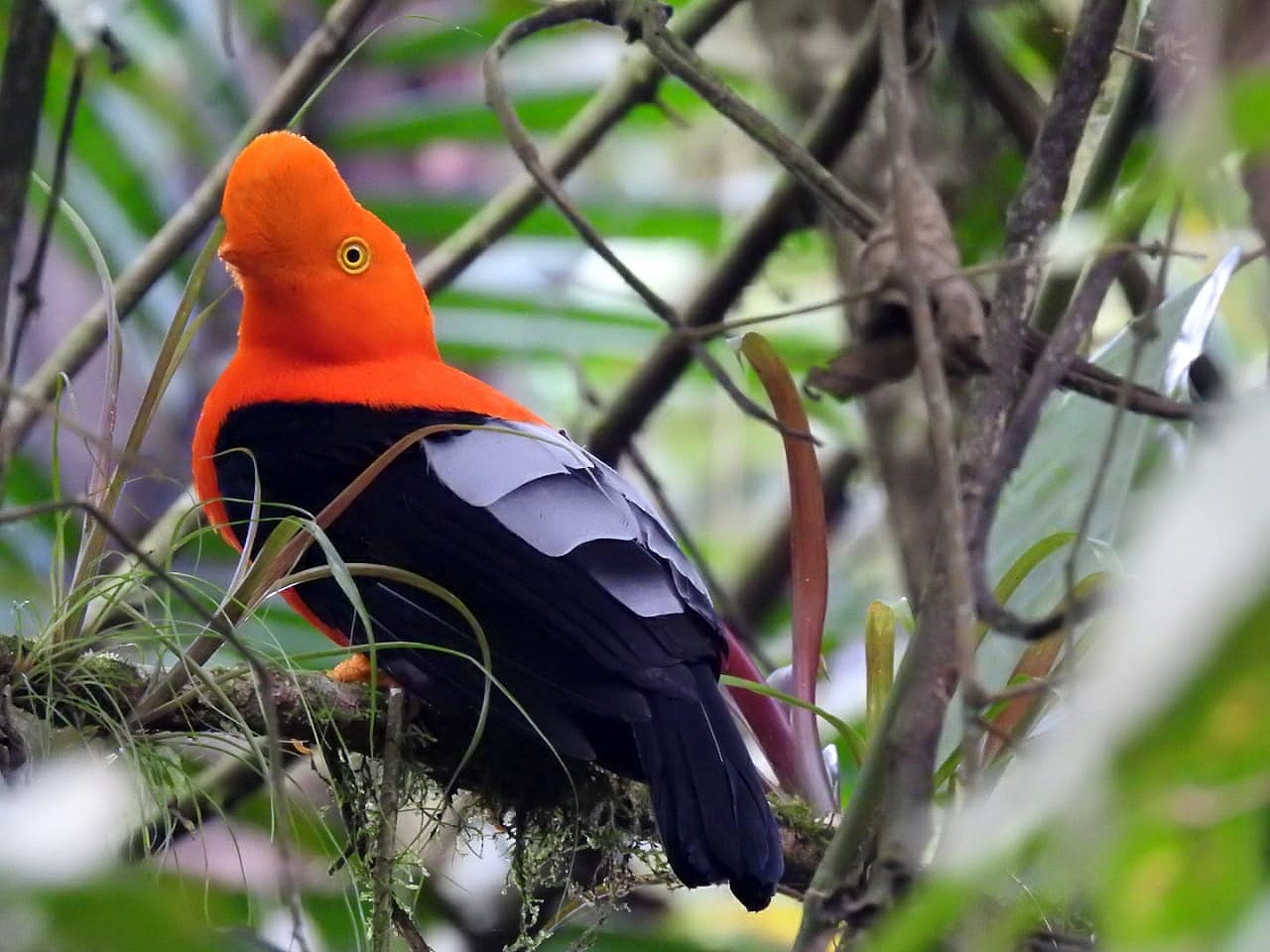
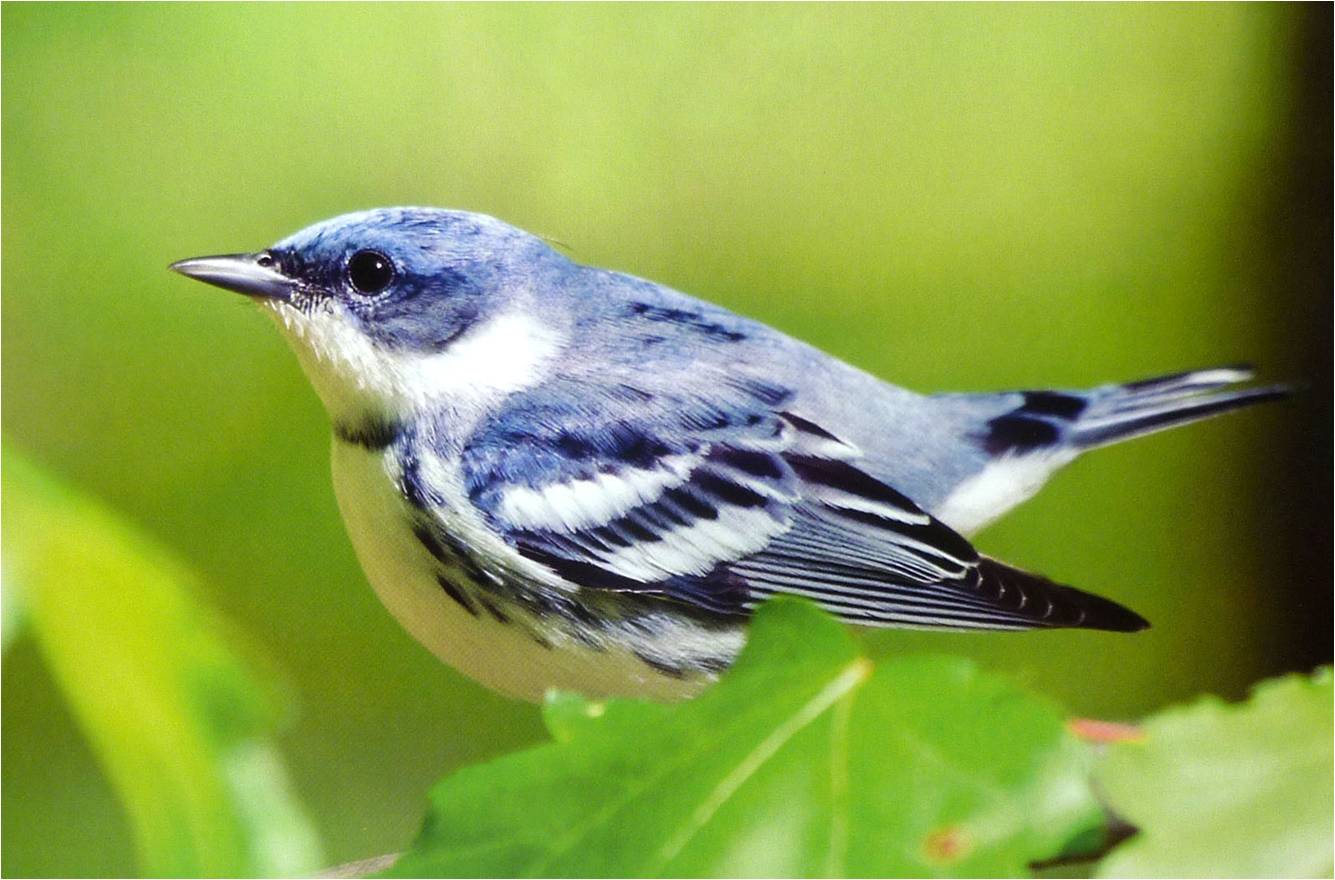
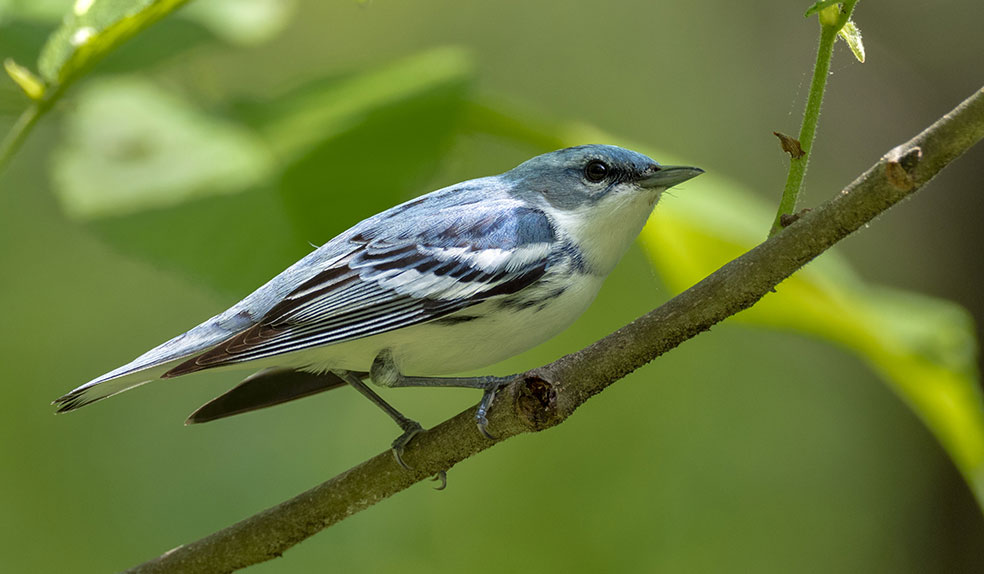
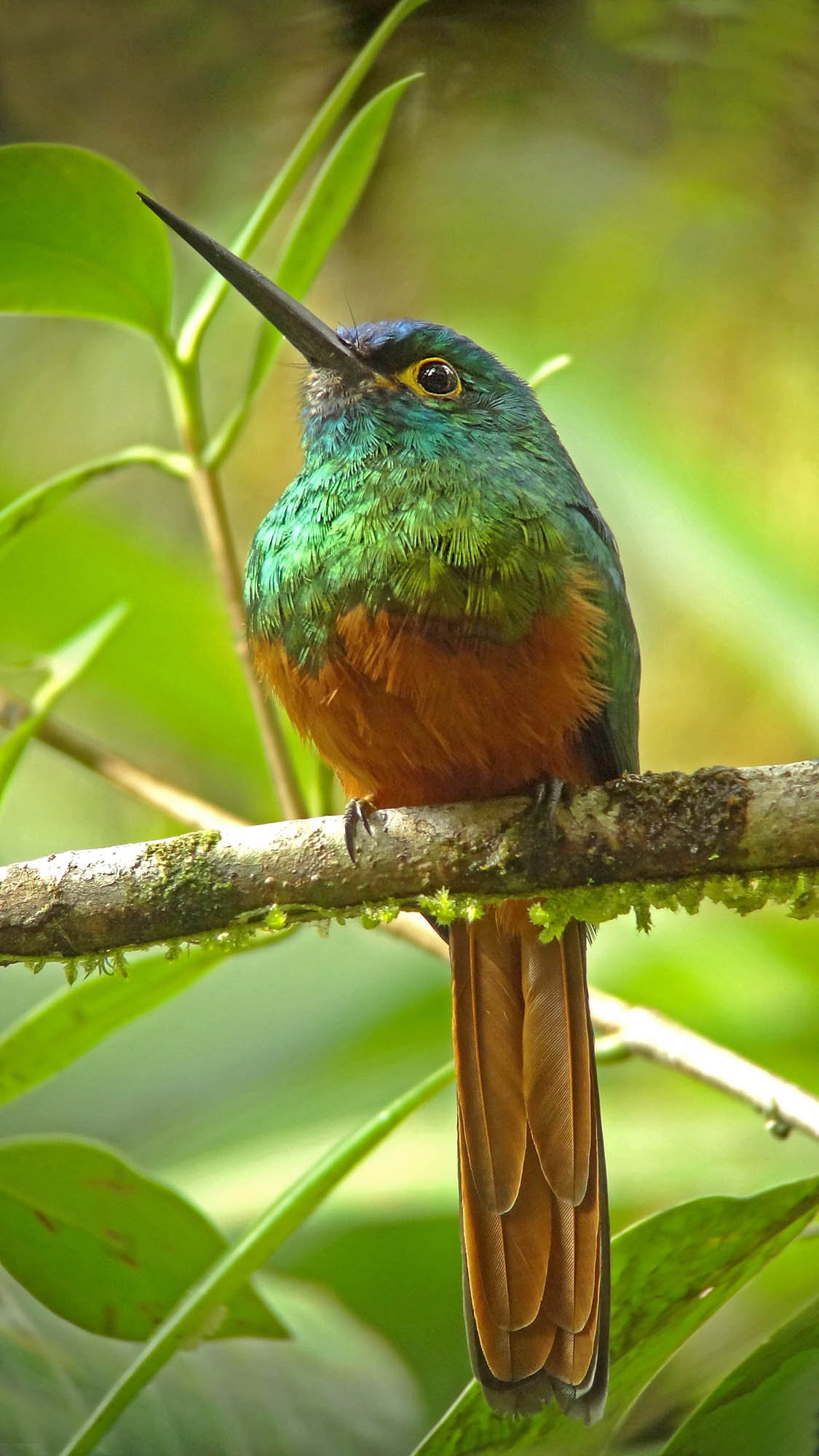
The presence of migratory birds such as the Cerulean Warbler (Setophaga cerulea), Canada Warbler (Cardellina canadensis), and Swainson’s Thrush (Catharus ustulatus) has been recorded. The reserve also protects globally threatened bird species, including the Black Tinamou (Tinamus osgoodi), Military Macaw (Ara militaris), Coppery-chested Jacamar (Galbula pastazae), and the Foothill Elaenia (Myiopagis olallai).
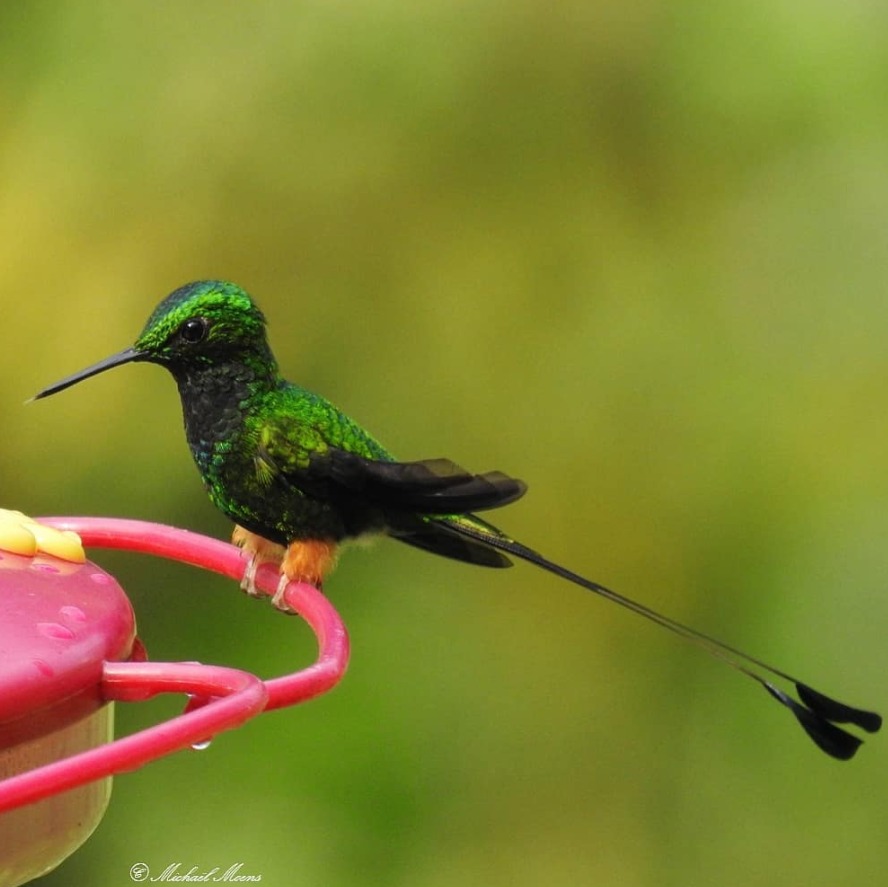
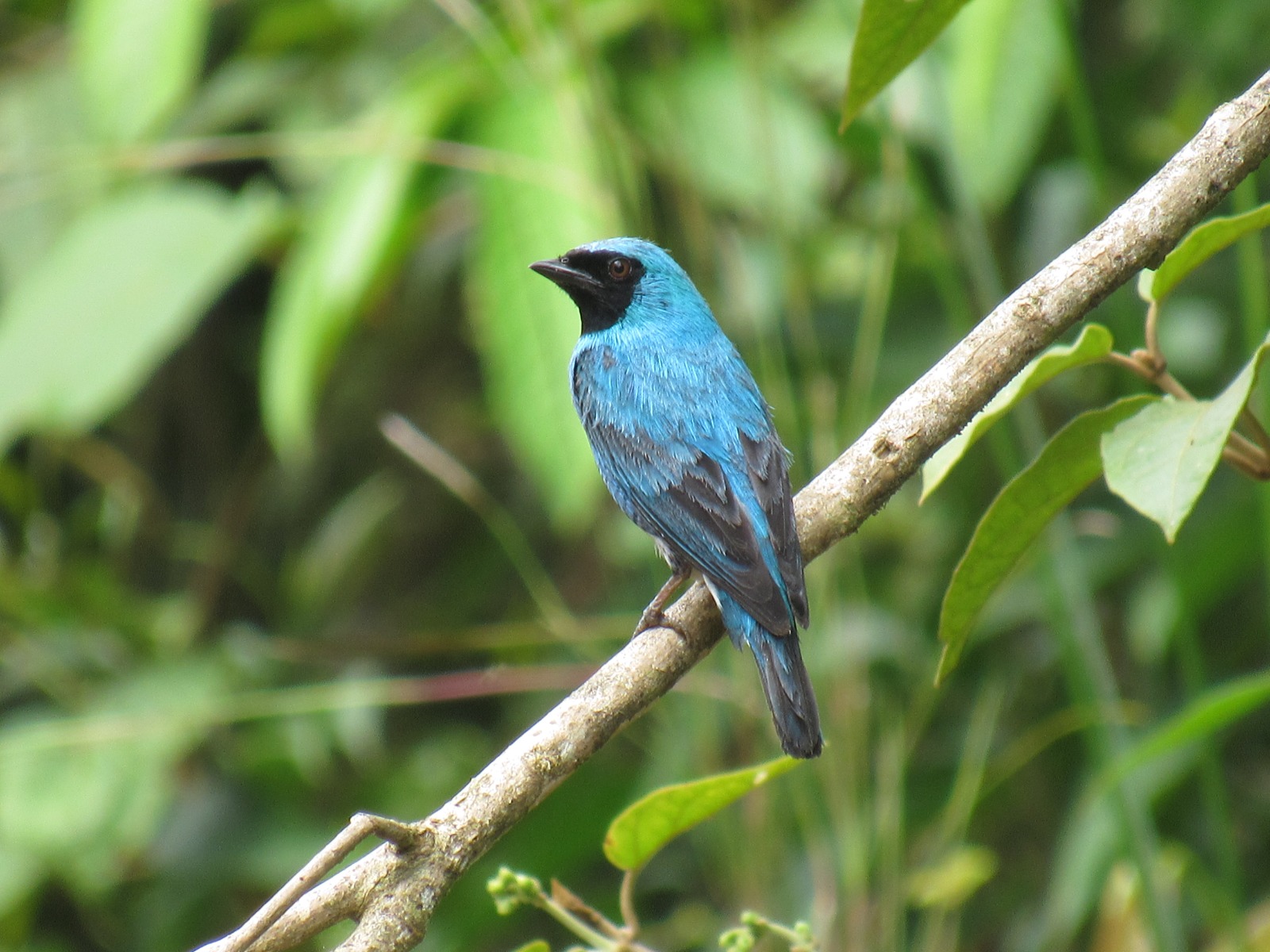
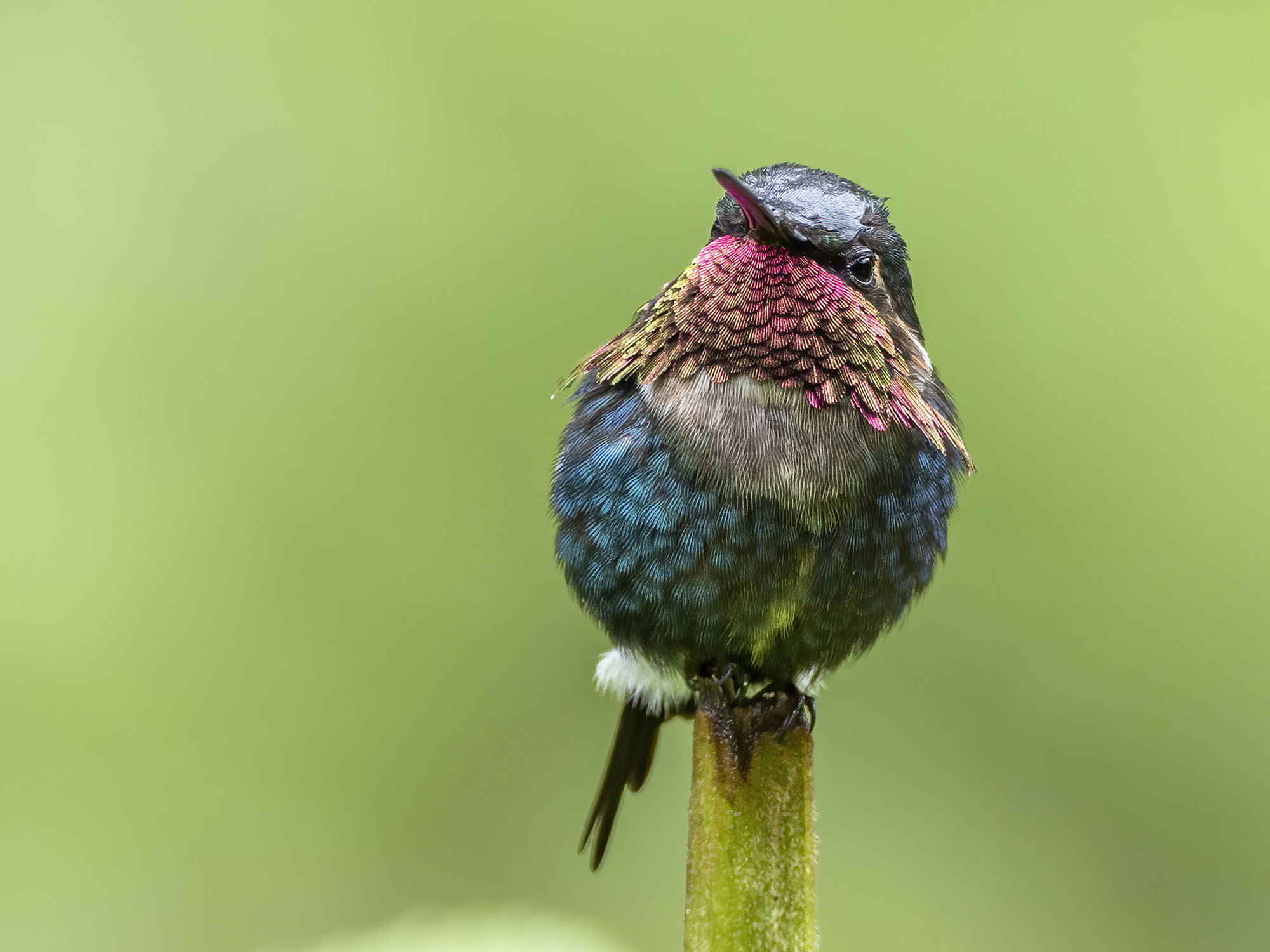
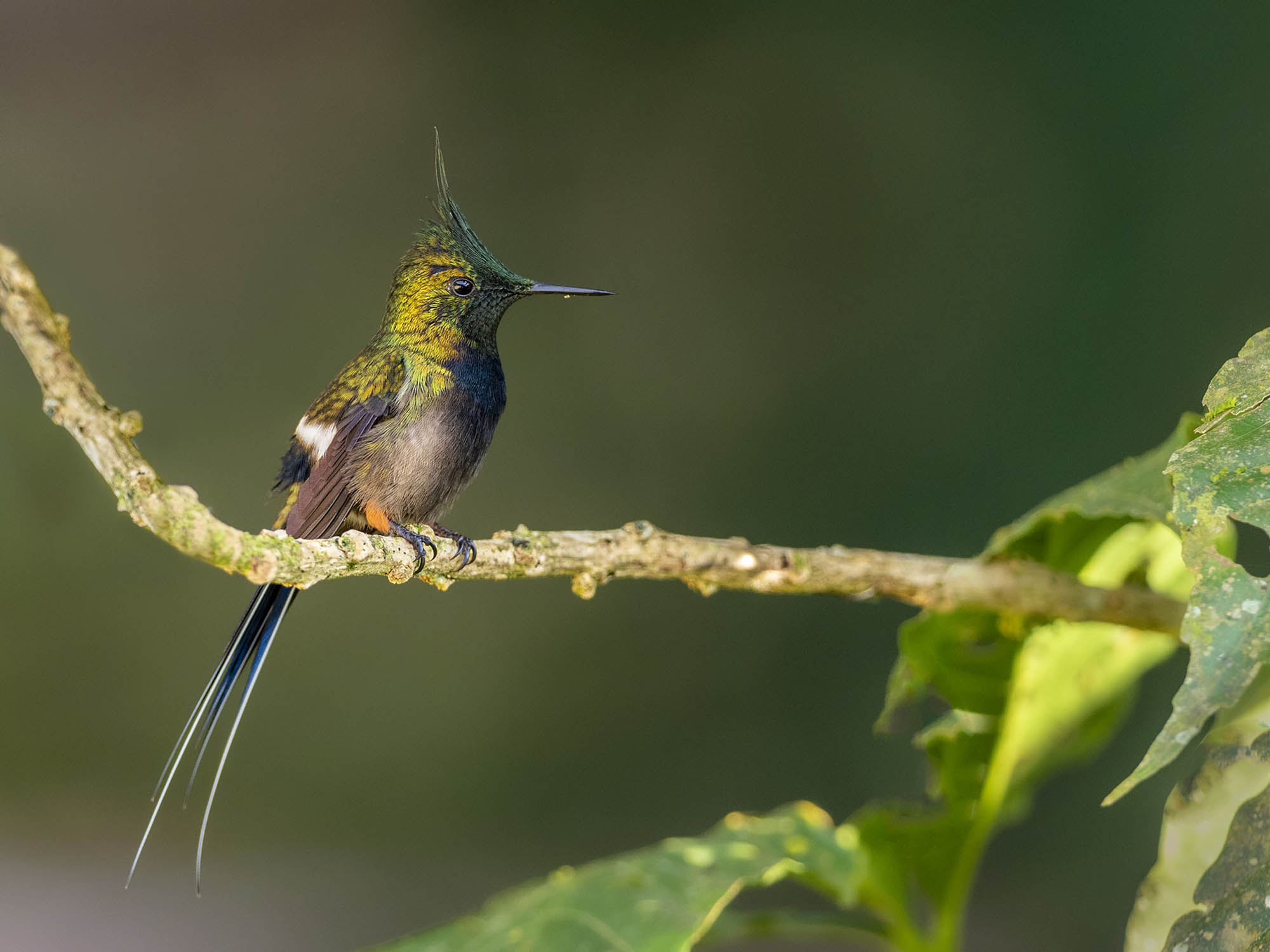
At the bird feeders, visitors can observe various species of tanagers, flycatchers, and hummingbirds. A pair of Orange-breasted Falcons (Falco deiroleucus) has nested for several years on a cliff adjacent to the reserve. This is the only known nesting site for this endangered species in Ecuador.
Camera traps have revealed the presence of large mammals, including Puma (Puma concolor), Ocelot (Leopardus pardalis), and Lowland Tapir (Tapirus terrestris).
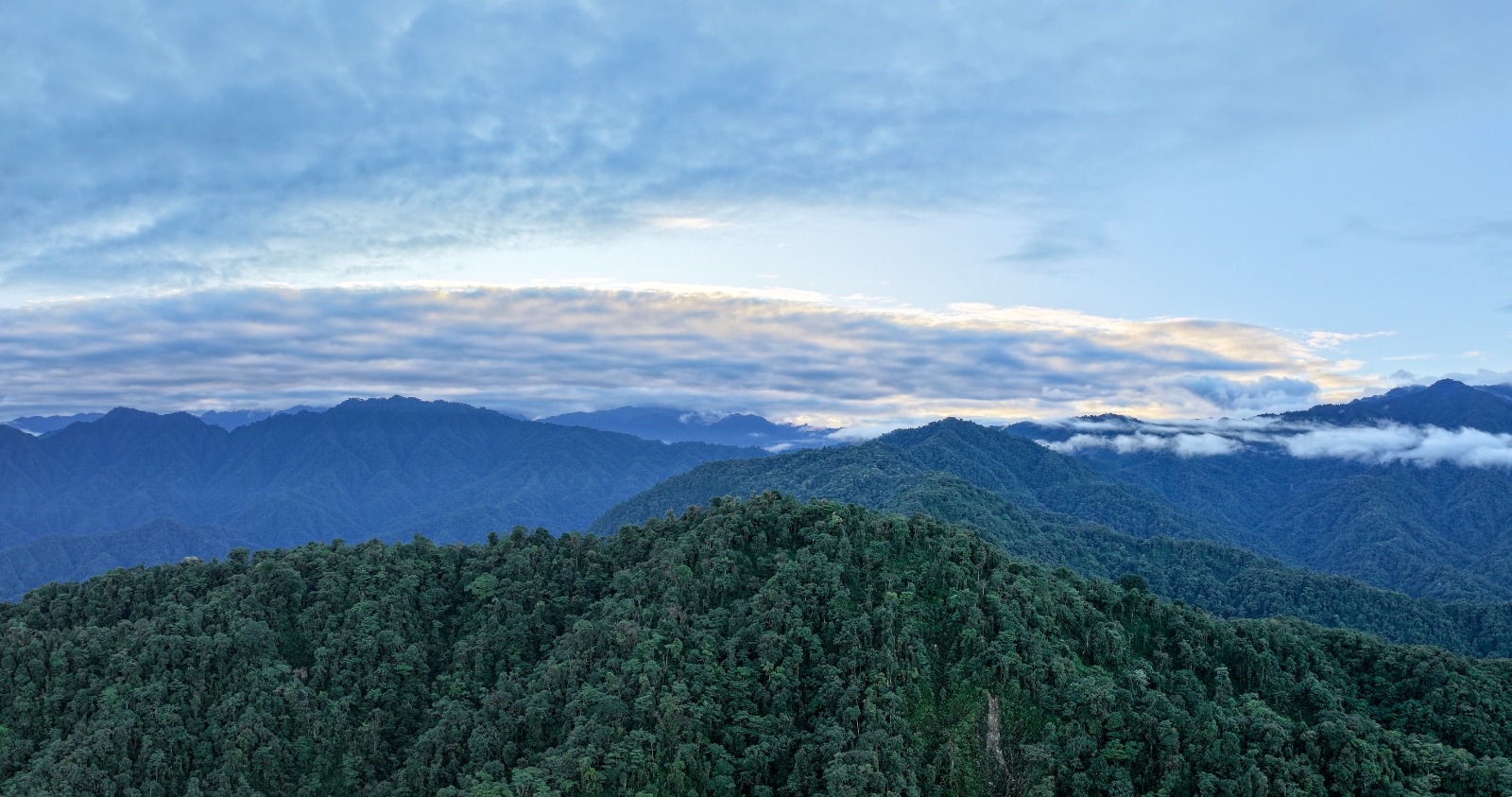
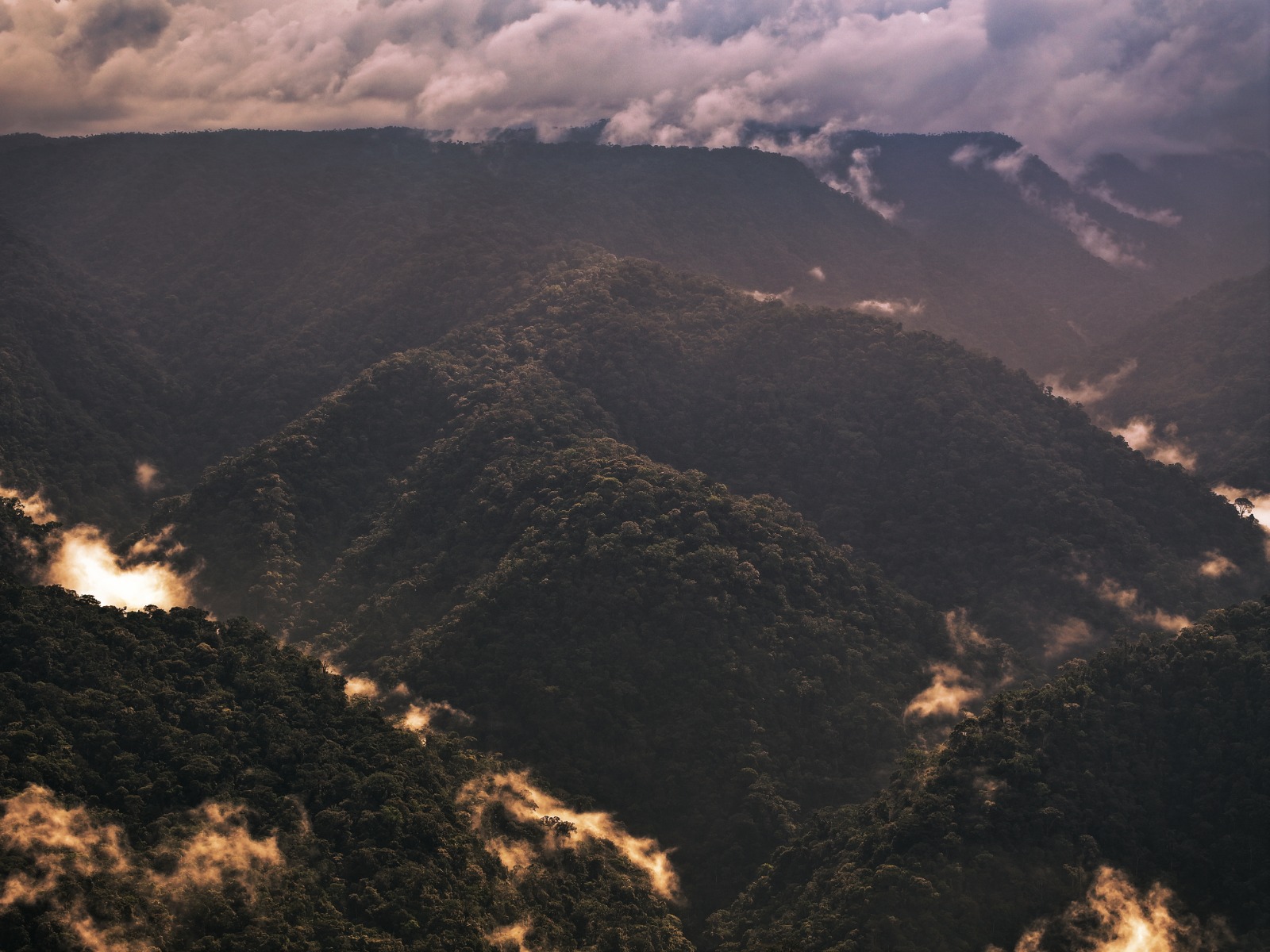
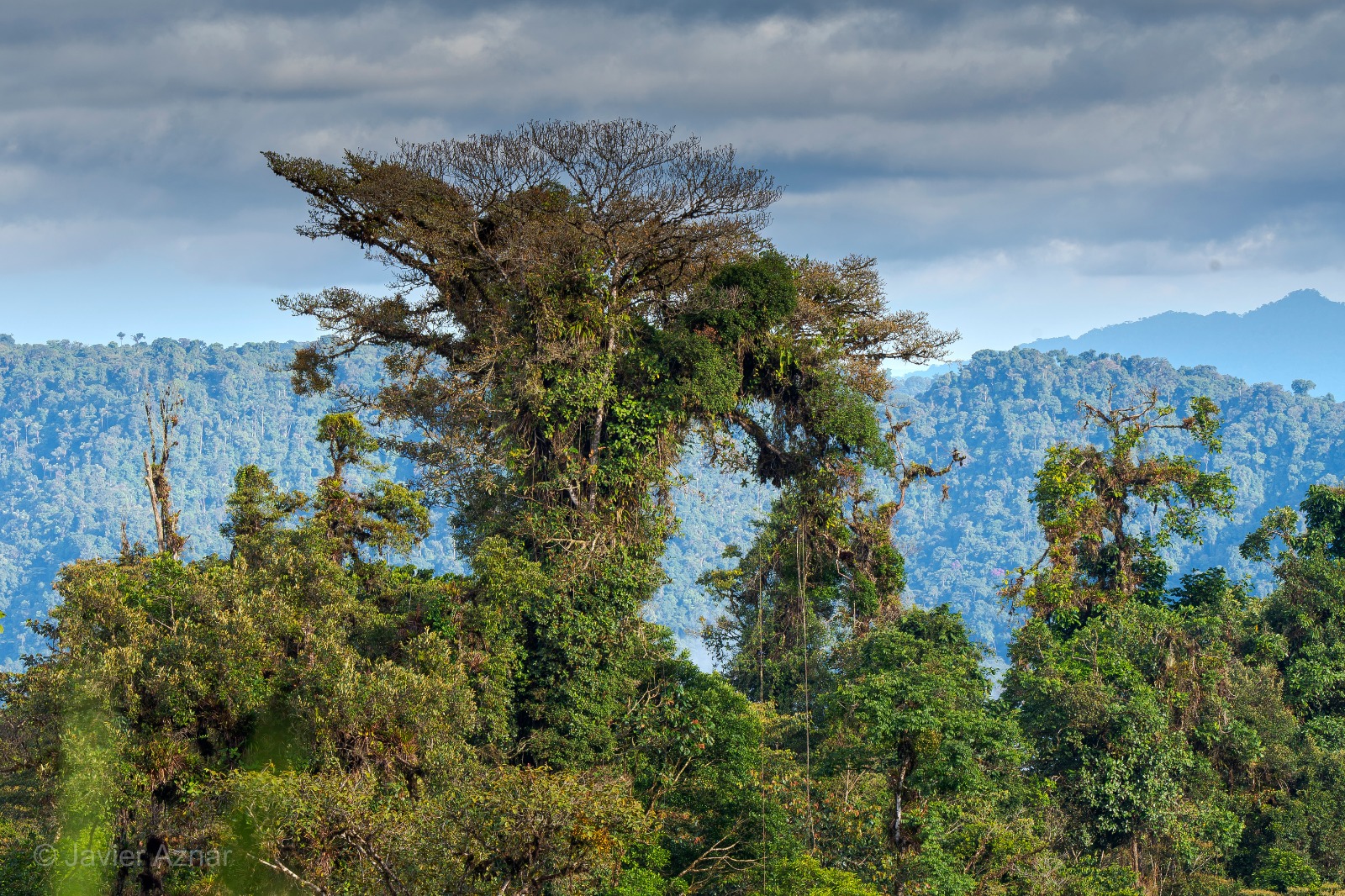
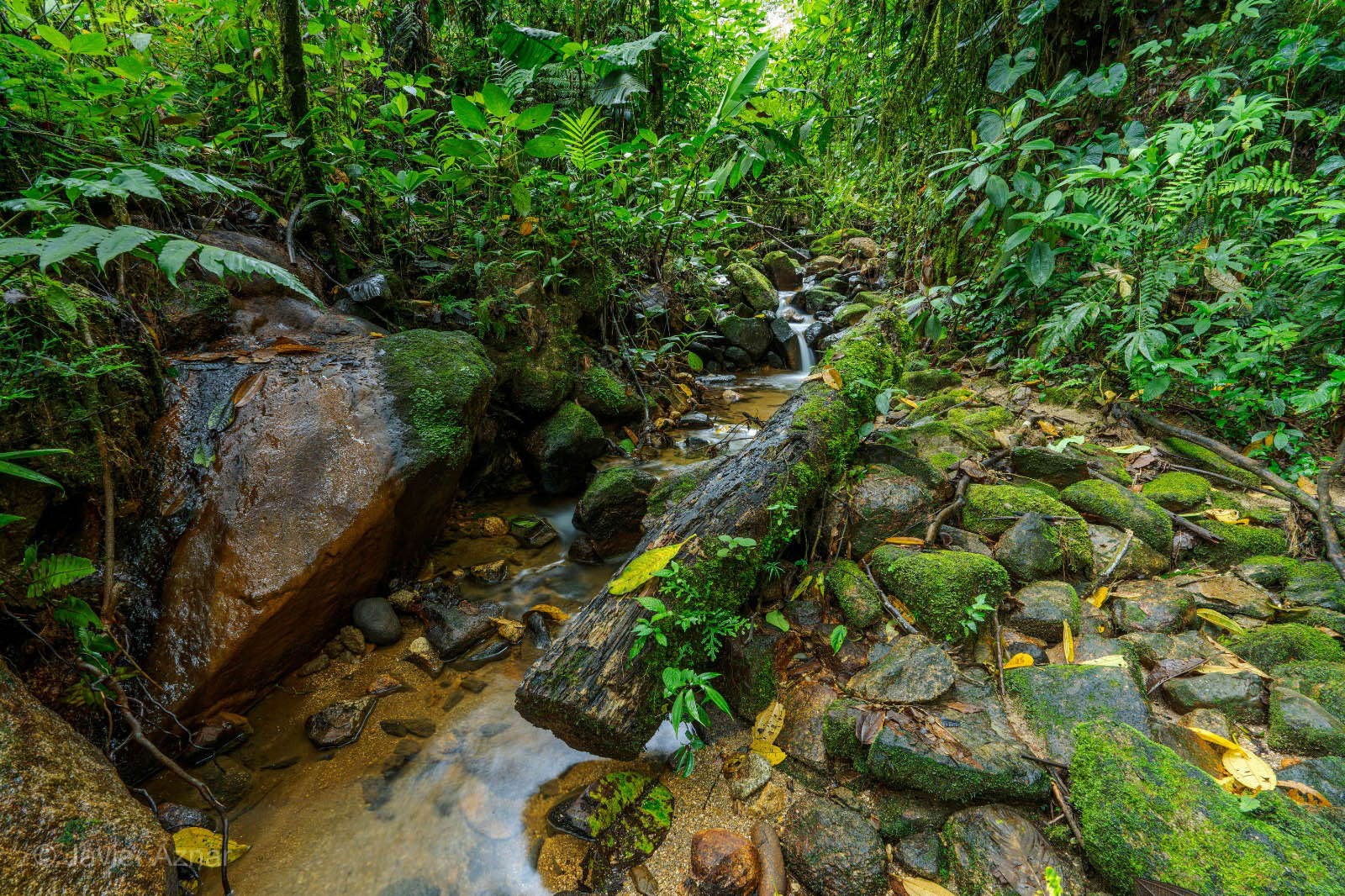
Our goal is to establish ecological connectivity with Sumaco–Napo-Galeras National Park and the Antisana Ecological Reserve, expanding protection on a regional scale. The eastern Andean foothills are facing pressure from the expansion of the agricultural frontier, leading to habitat loss and fragmentation. This connectivity plan will contribute to the conservation of habitats for globally threatened species.