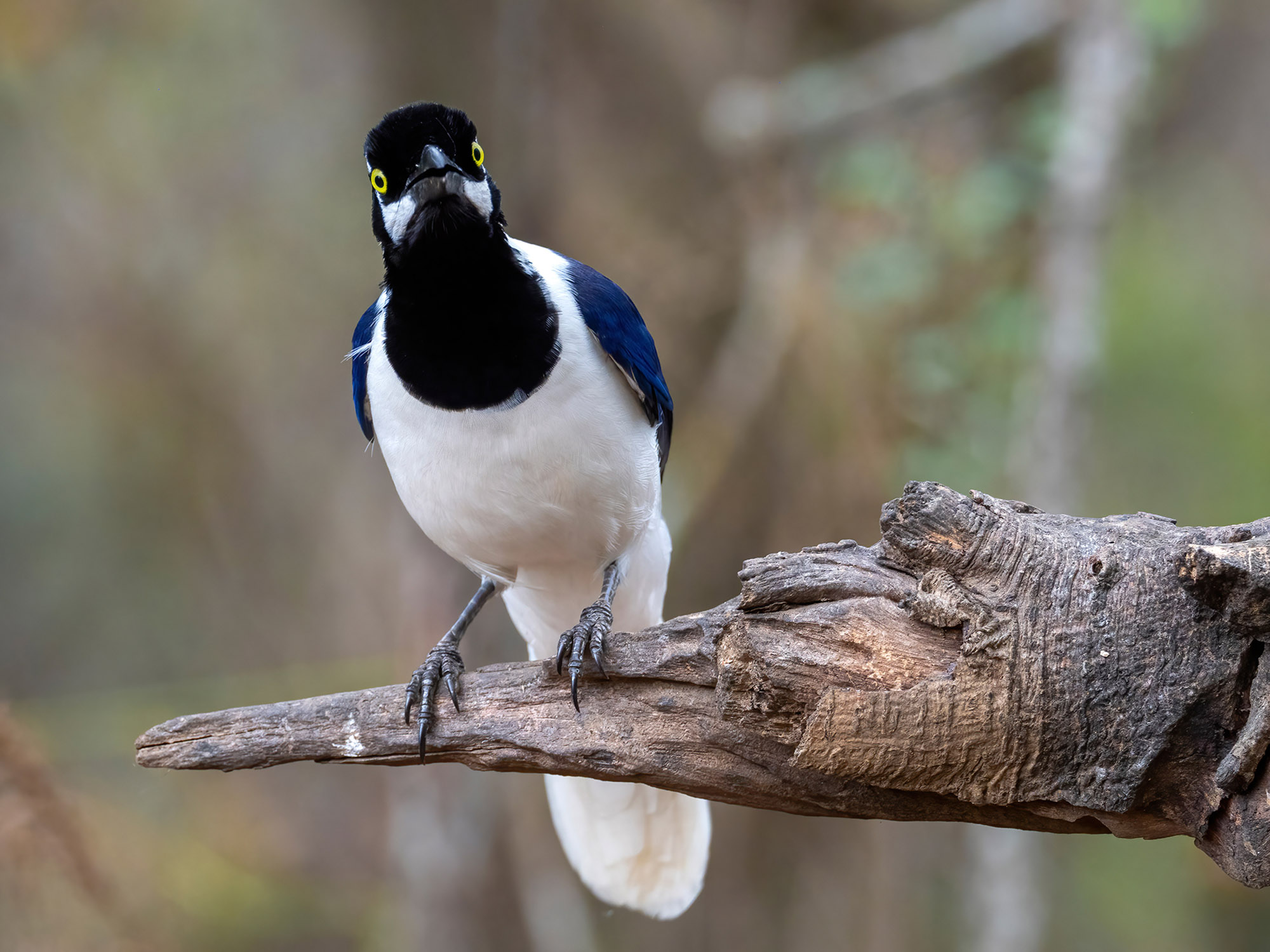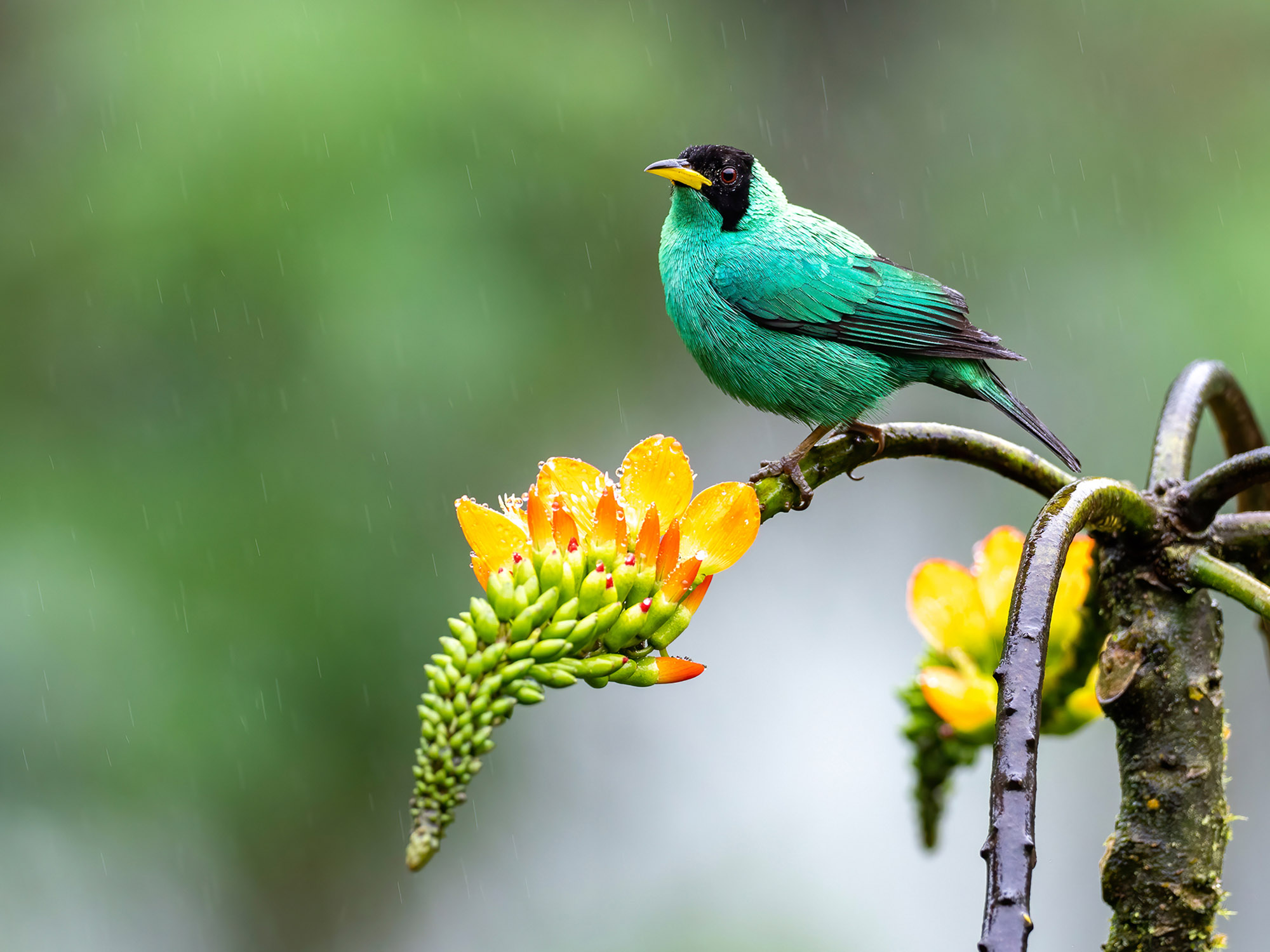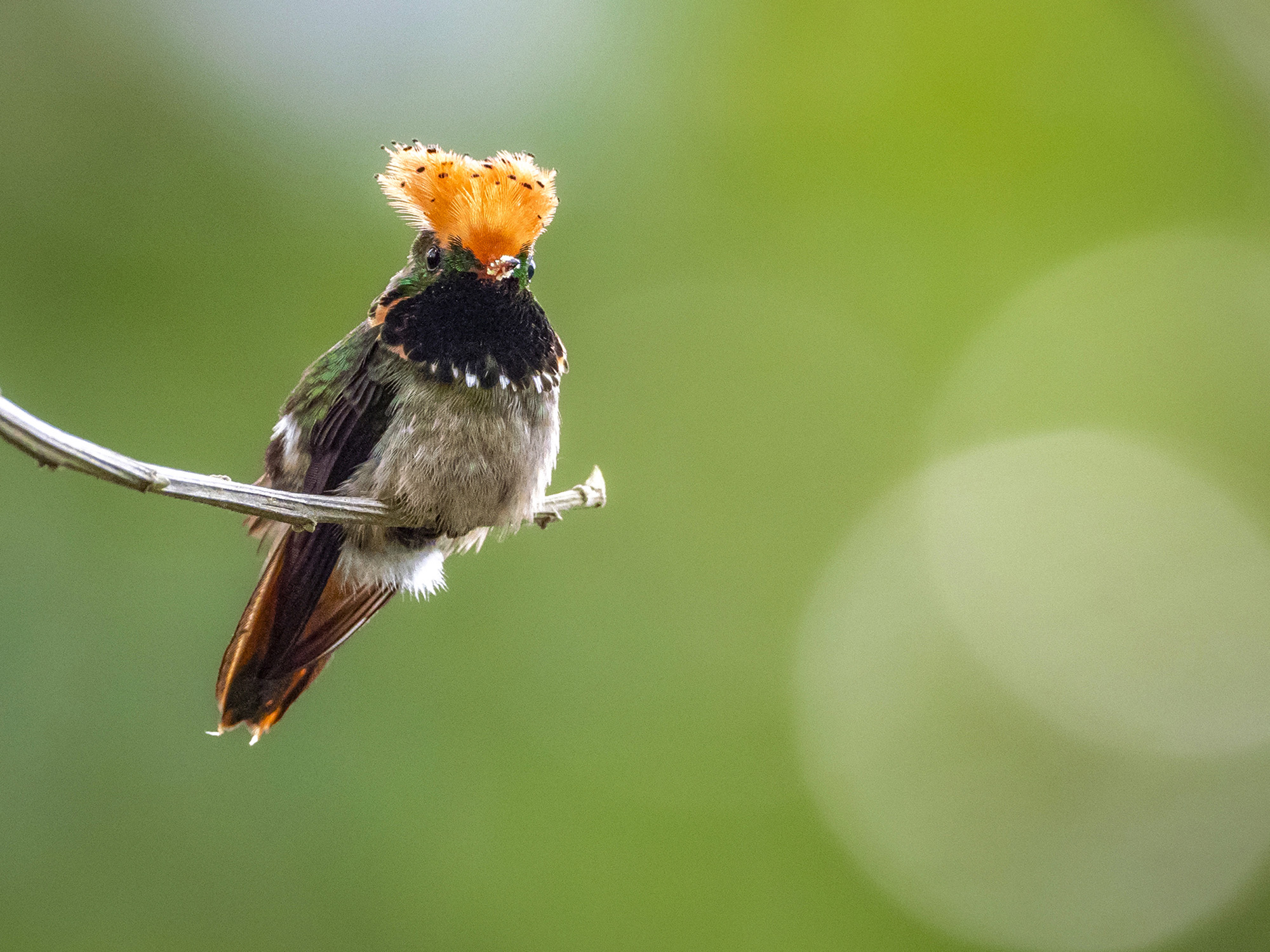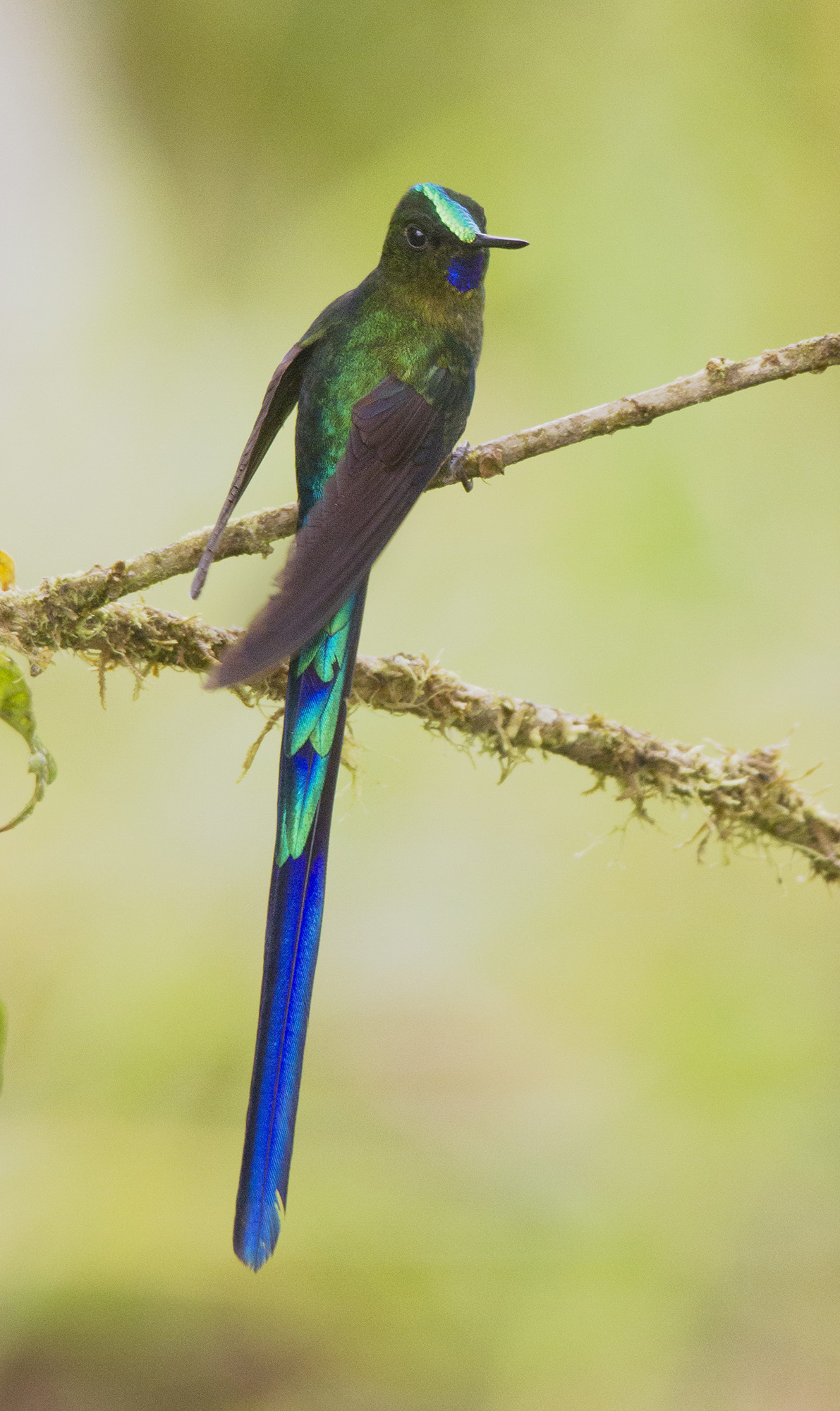
This in-depth birding expedition explores the extraordinary biodiversity of southern Ecuador, one of the most important regions in the world for endemic and range-restricted bird species. The itinerary combines a remarkable diversity of ecosystems, including coastal mangroves, Tumbesian dry forest, Southern Chocó cloud forests, Andean highlands, and the Amazonian foothills.
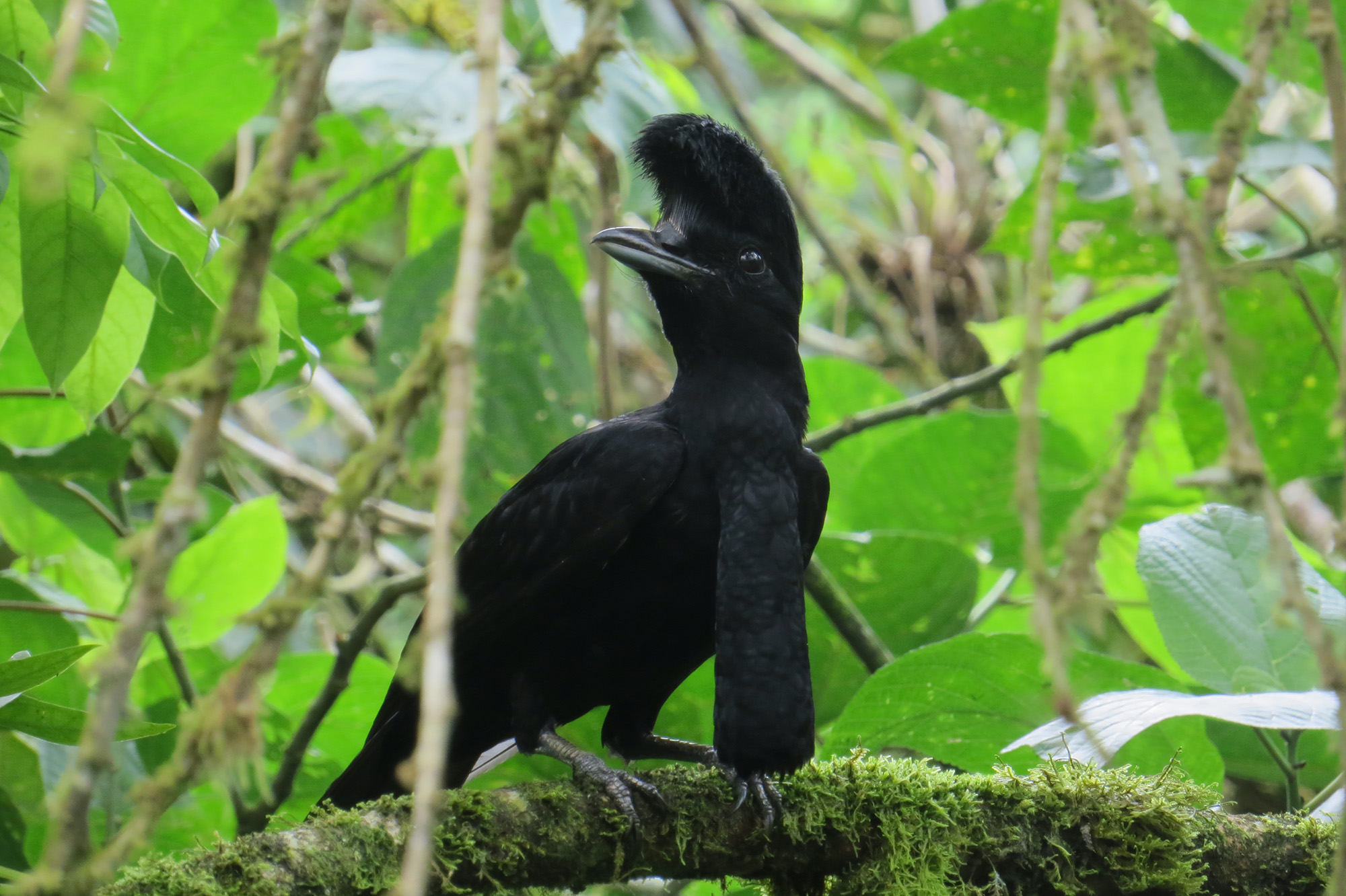
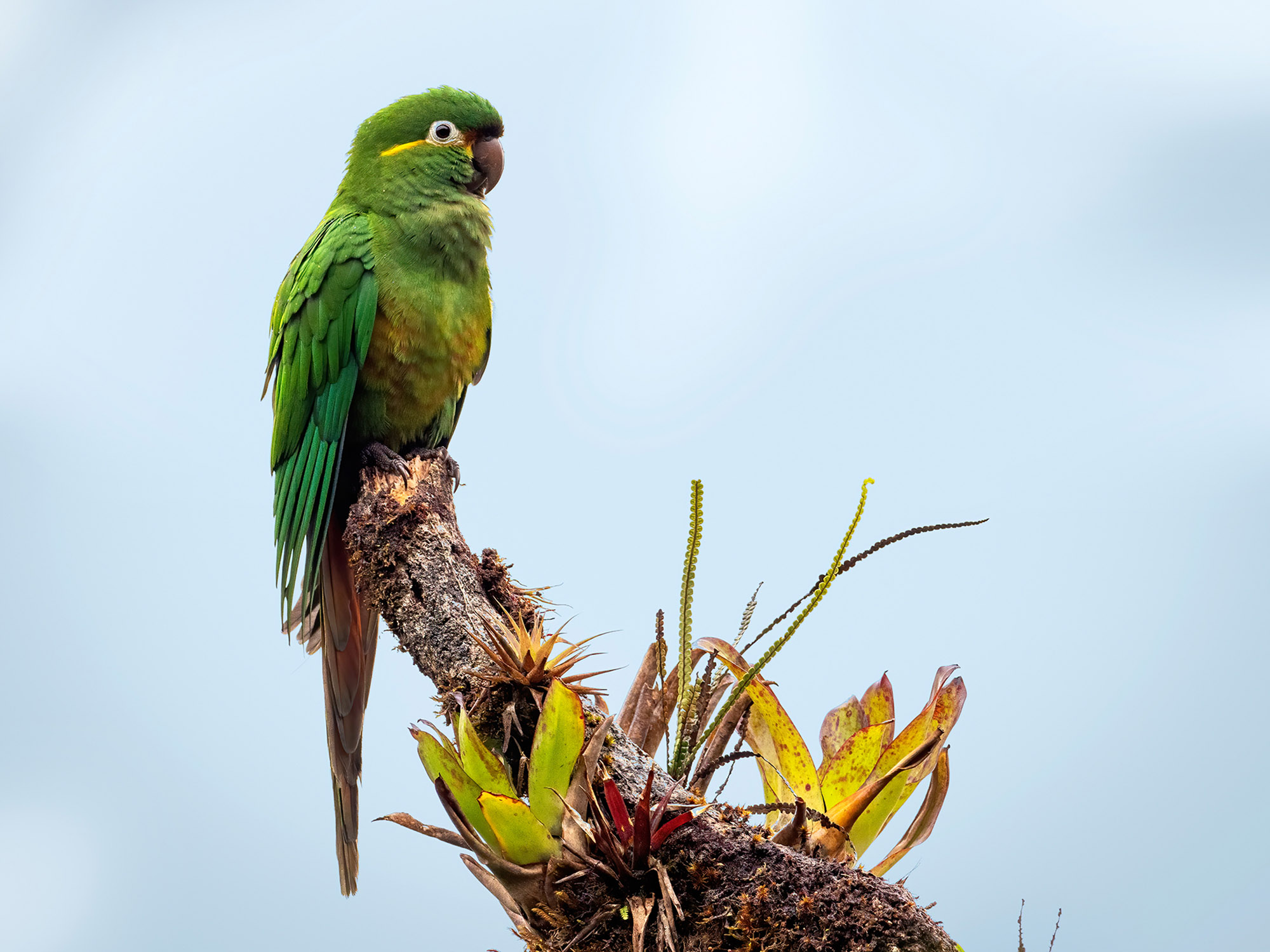
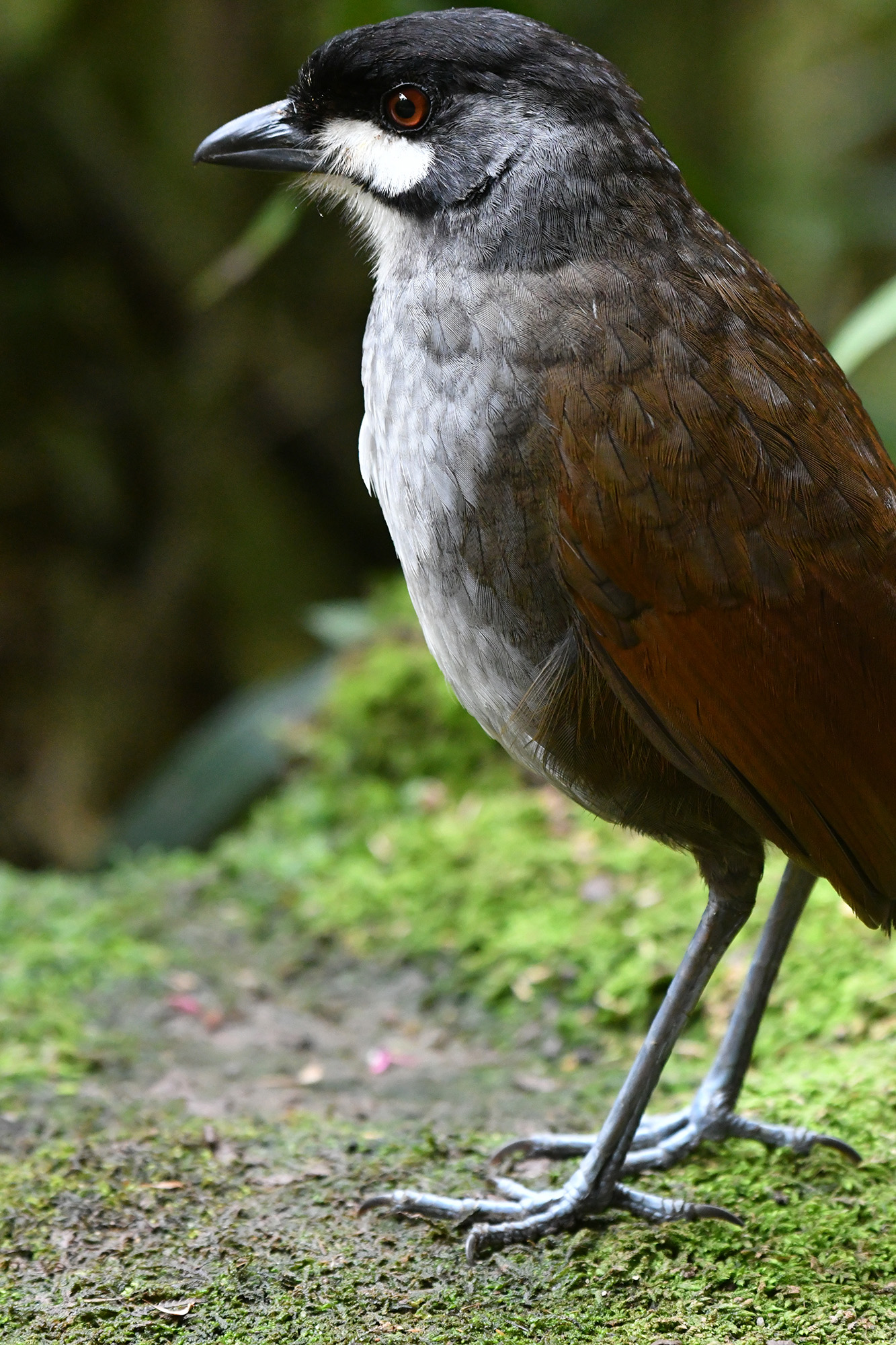
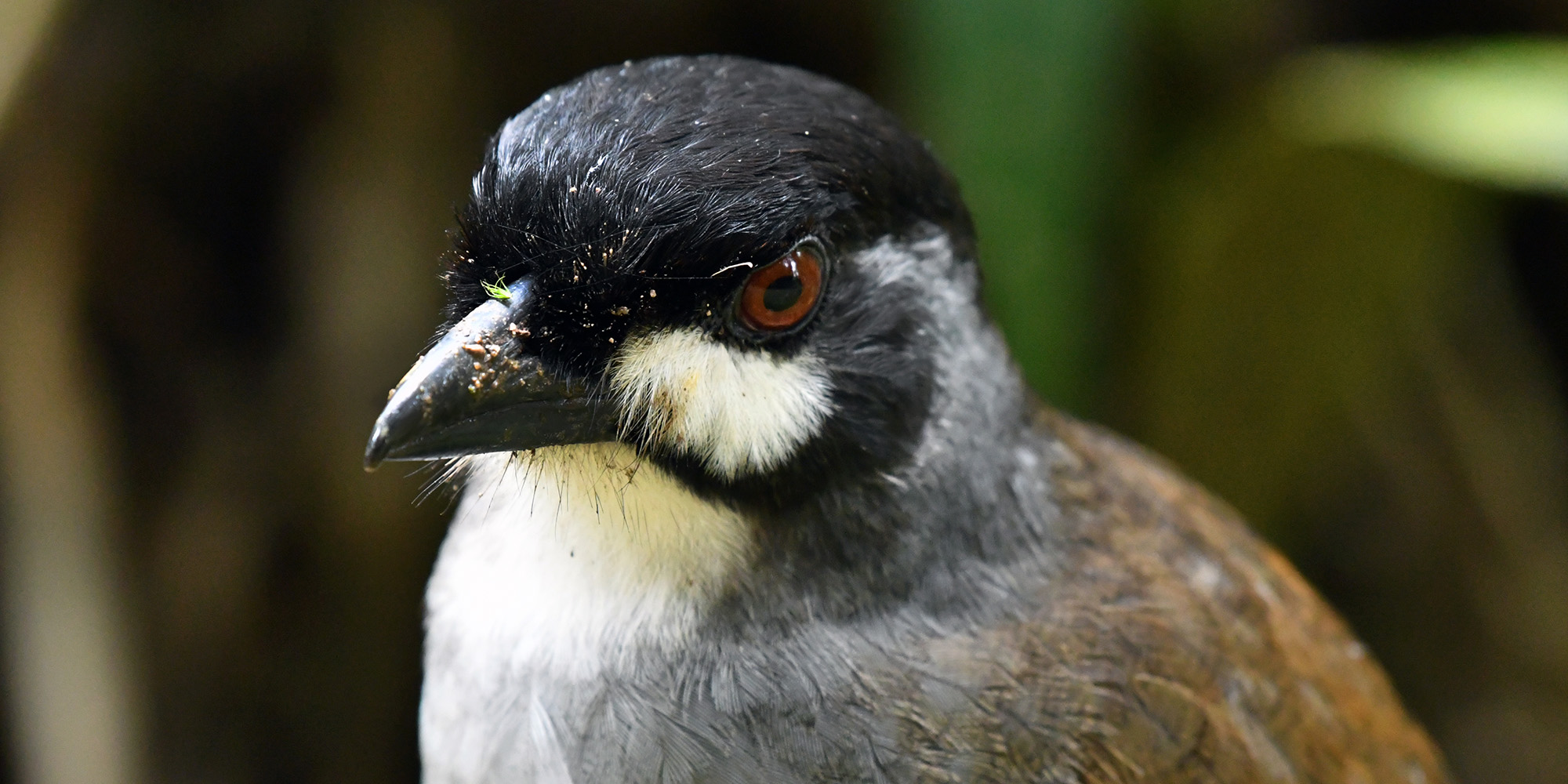
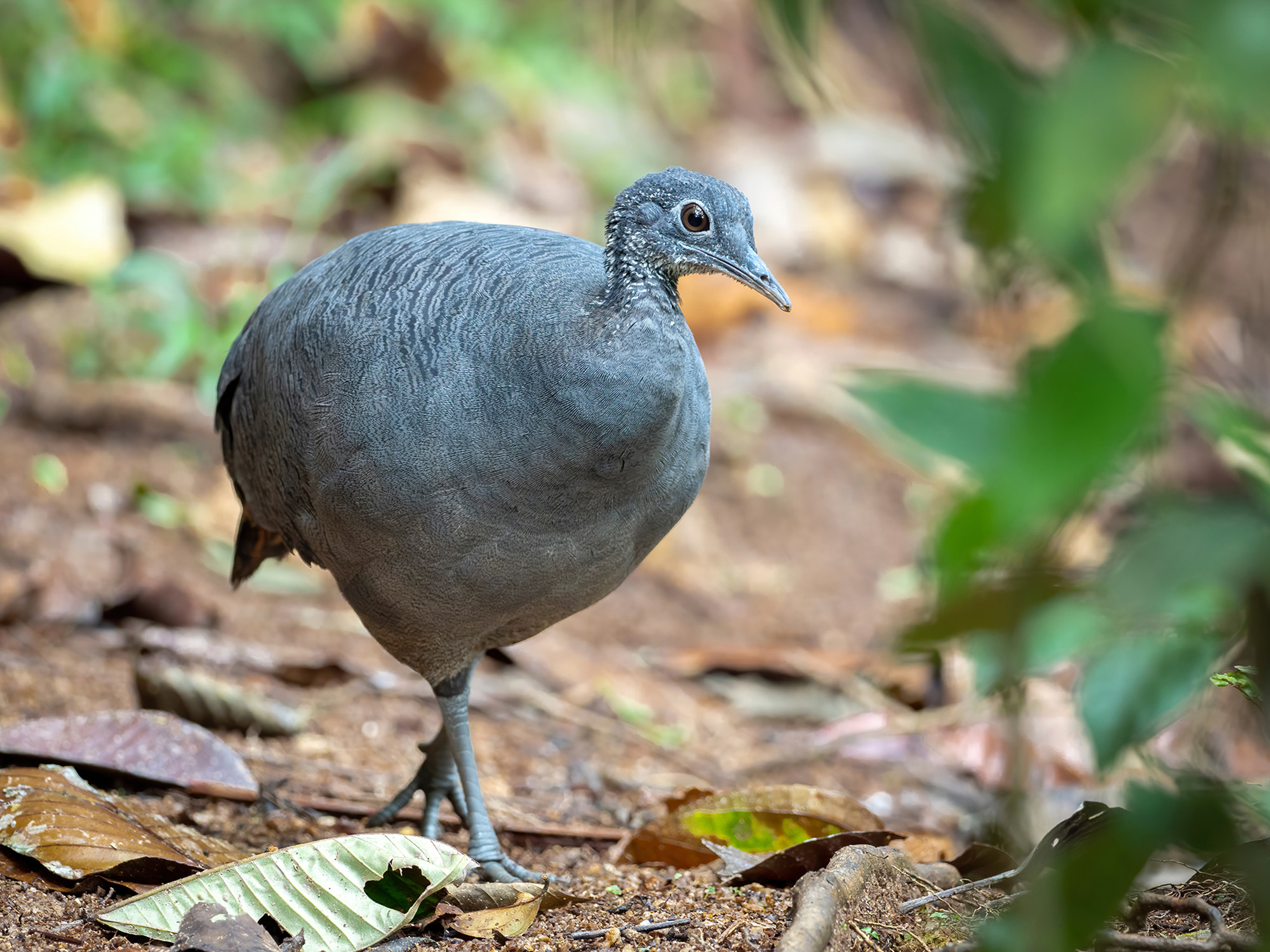
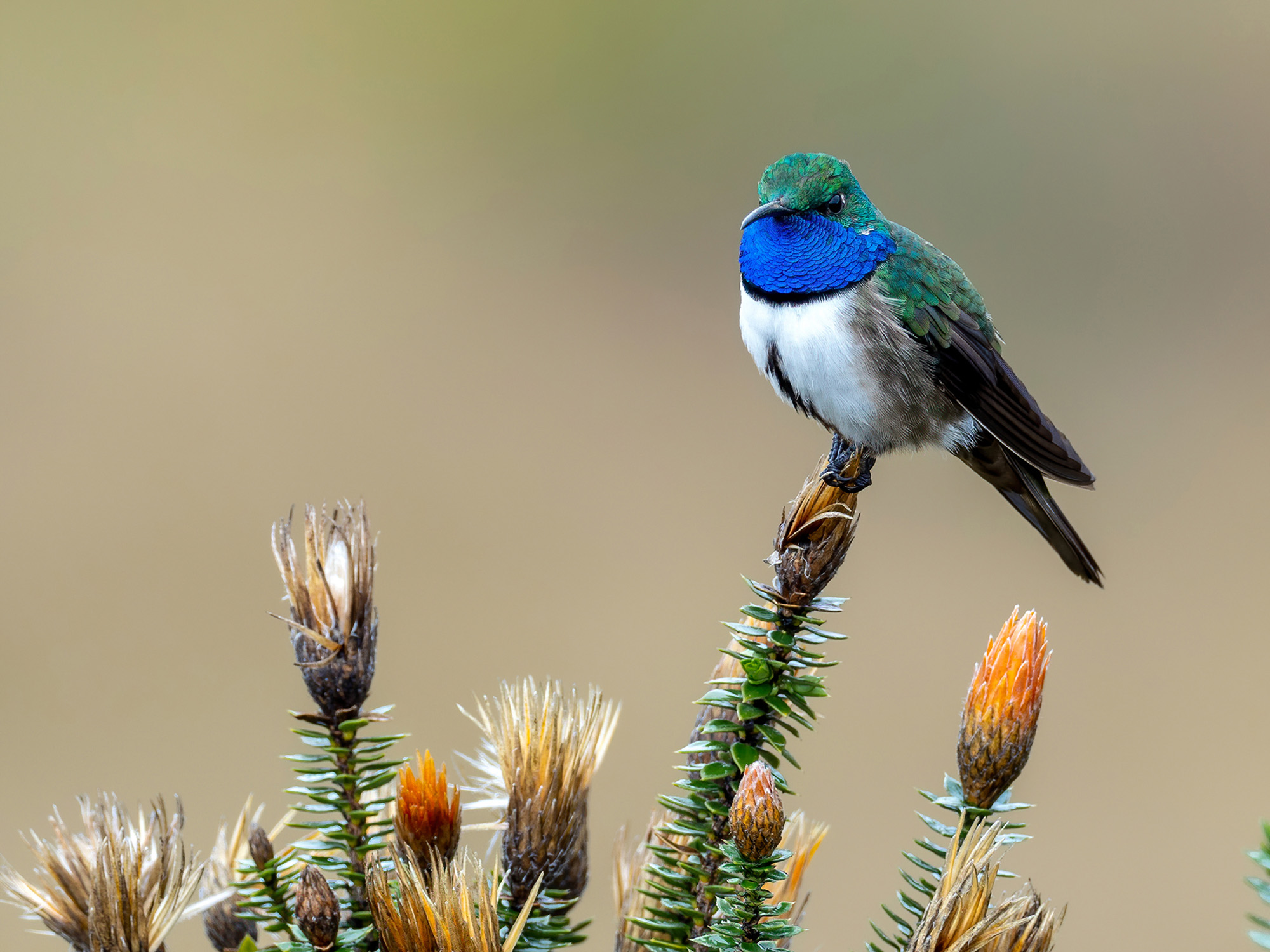
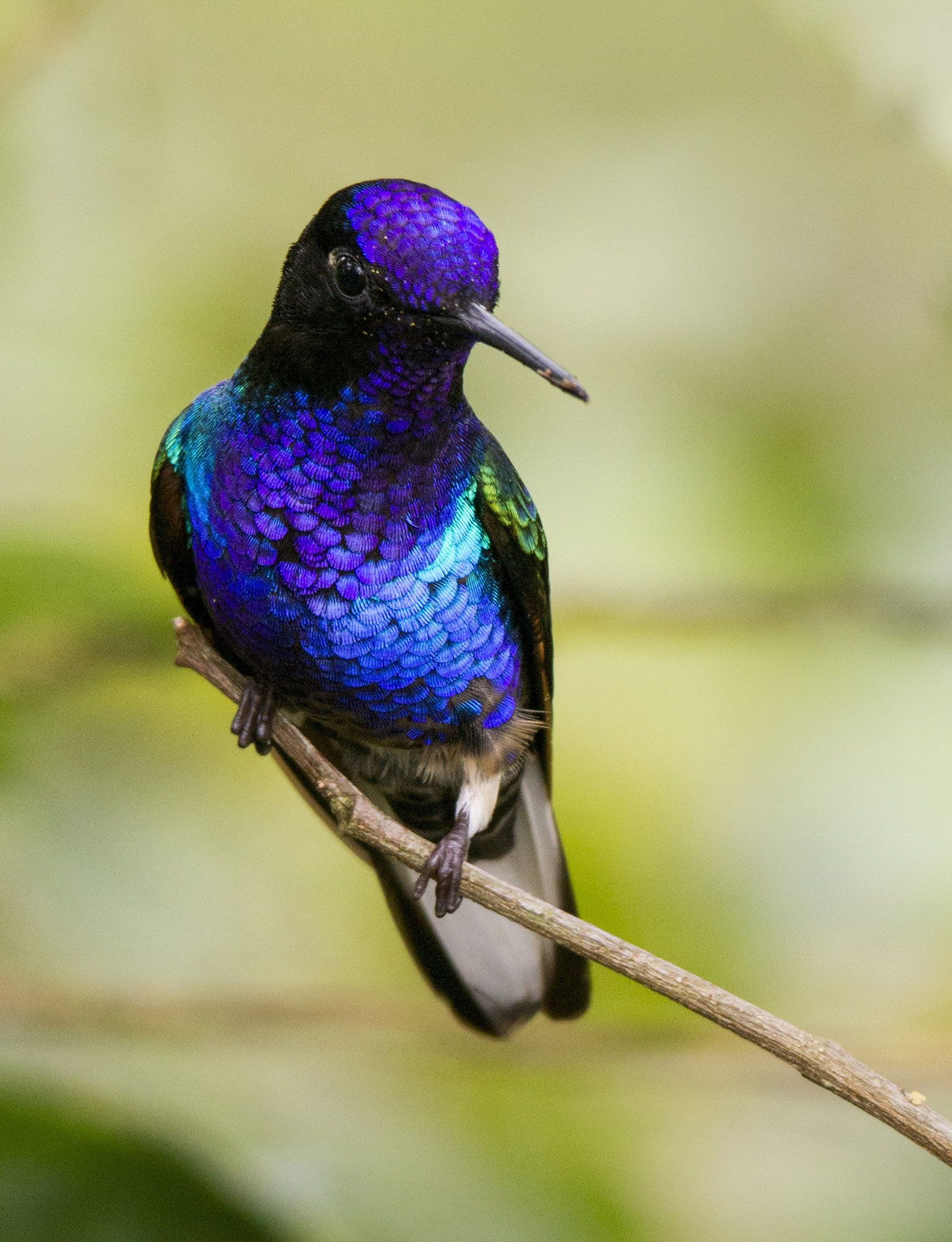
Designed for serious birders and nature enthusiasts, this journey offers exceptional access to key conservation reserves managed by Fundación Jocotoco, as well as remote and seldom-visited birding areas. Participants can expect to record hundreds of bird species, including iconic endemics such as the Jocotoco Antpitta, El Oro Parakeet, Long-wattled Umbrellabird, and the critically endangered Blue-throated Hillstar.
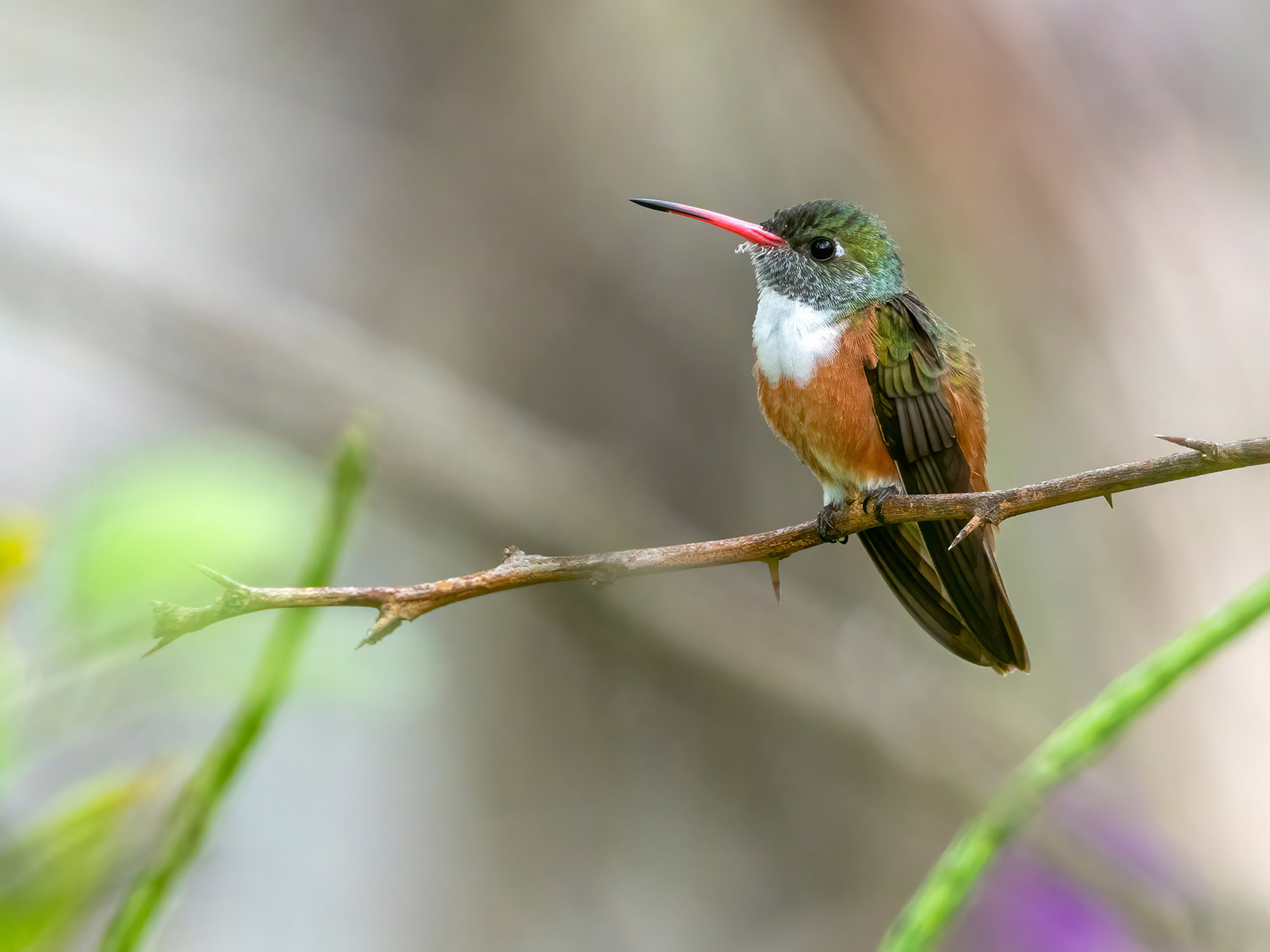
Year-round; January offers excellent bird activity in southern Ecuador
Nature lodges, eco-lodges, and community-based lodges close to birding sites
Small groups for optimal birding and wildlife experiences
Weather conditions vary greatly across regions. Coastal and lowland areas are warm and humid, while Andean and páramo zones can be cold and windy. Rain showers are possible throughout the tour, particularly in cloud forest and Amazonian foothill regions
Arrival at the International airport in Guayaquil where you will be transferred to the Hotel. Dinner and accommodation.
This morning your guide will meet you in the lobby of the hotel. You will depart after breakfast to Manglares Churute reserve. This area offers an interesting mix of lagoons, mangroves, and semi humid forest, unlike anything else we see on the tour. It’s the best place in Ecuador to find the threatened “Pacific” Royal-Flycatcher along with other species including Jet Antbird, Orange-crowned Euphonia, and Common (Mangrove) Black-Hawk, Superciliated Wren, Ecuadorian Trogon, and with luck should find some Horned Screamers. Later we continued to Buenaventura reserve to have dinner and accommodation at the Umbrellabird Lodge.
The reserve’s flagship species are the El Oro Parakeet and the El Oro Tapaculo. It is also home to species from both the Choco and Tumbesian regions, including Rufous-headed Chachalaca, Ochre-bellied Dove, Grey-backed Hawk, Pacific Royal Flycatcher and Ochraceous Attila. Close to the lodge is a lek of the threatened Long-wattled Umbrellabird. Different types of feeders are placed near the lodge for birds and mammals where a diversity of Hummingbirds, Tanagers and Toucans can be seen alongside Coaties. Overnight at Umbrellabird Lodge.
Very early in the morning we can walk around the reserve to look for some more birds in Buenaventura reserve. After breakfast, we drive south to the Urraca Lodge in the Jorupe reserve of Jocotoco Foundation. We will take a packed lunch and bird along the way. En route we will bird the amazing deciduous forest near El Empalme. Among the giant Ceiba trees we may see White-headed Brush-Finch, Tumbes Hummingbird, and Baird’s Flycatcher. Overnight at Urraca Lodge.
During this day, we will walk around the Jorupe reserve spending all day birding around the deciduous forest in the Tumbesian region of southwest Ecuador where we hope to find Tumbesian endemics such as Blackish-headed Spinetail, Henna-hooded Foliage-gleaner, Slaty Becard, Loja Tyranulet, Watkins Antpitta and Western Peruvian Screech Owl. Overnight at Urraca Lodge.
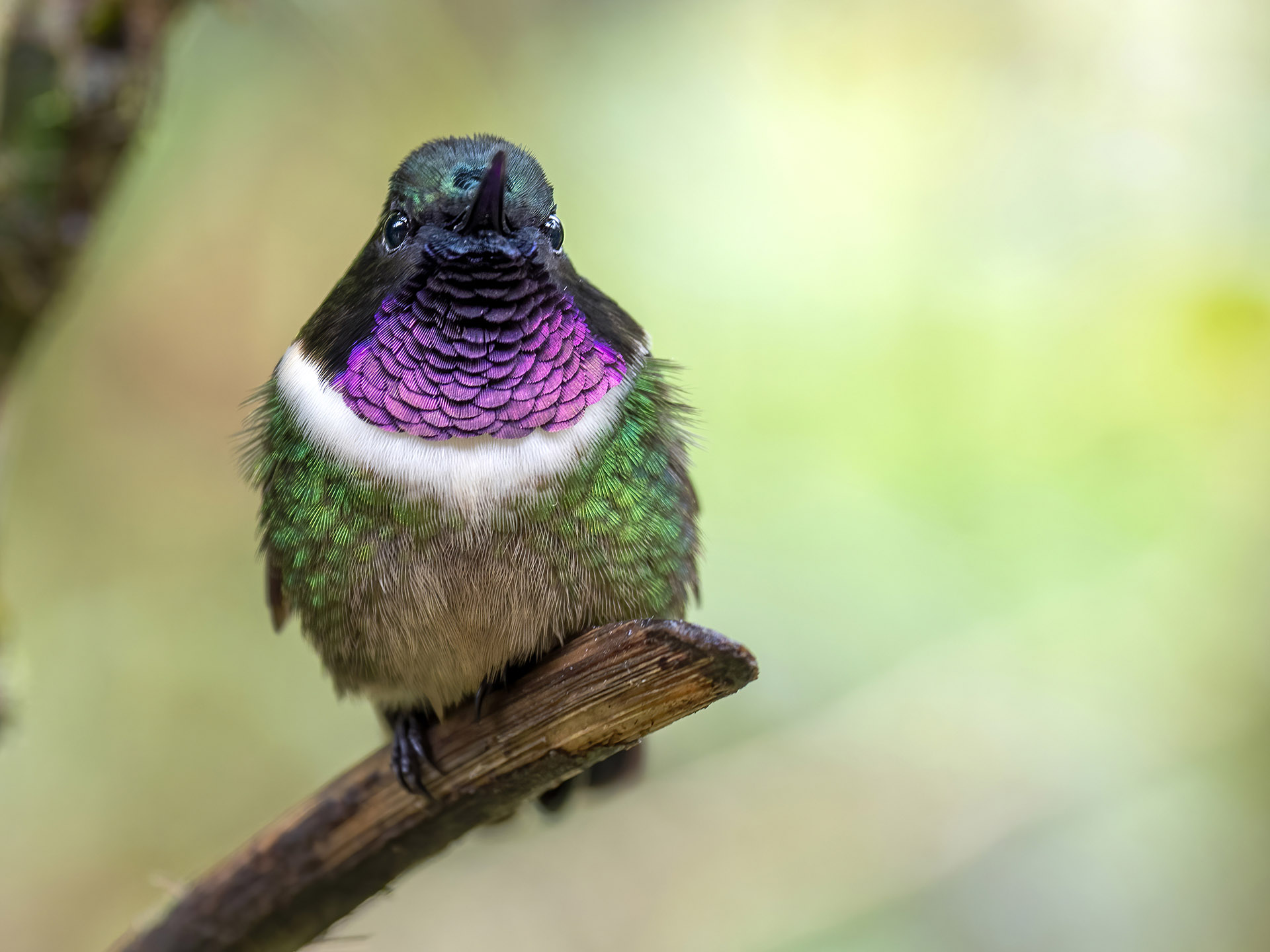
Today we will have a long drive to Tapichalaca reserve, birding along the way through the road to see some interesting birds of this Tumbesian area like the Elegant Crescentchest, Loja Hummingbird. Parrot-billed Seedeater, Drab Seedeater, Tumbes Sparrow. In route we will want to bird the amazing forest at our Utuana reserve. Among the giant Ceiba trees we may see White-headed Brush-Finch, Tumbes Hummingbird and Baird’s Flycatcher. We will serve our box lunches on road. Once at Tapichalaca reserve, our first impression will be the presence of many Hummingbirds by the feeders: Among these Amethyst-throated Sunangel, Chestnut-breasted Coronet, Collared Inca, Little Sunangel, Long–tailed Sylph. Overnight Casa Simpson – Tapichalaca reserve.
Today we will visit Tapichalaca Reserve of the Jocotoco Foundation, which was established in 1998 to protect the habitat of the Jocotoco Antpitta, a species whose total known population has remained at about twelve pairs since they were discovered at Cerro Tapichalaca by Dr. Robert Ridgely in 1997. We will spend a full day birding the trails of Tapichalaca reserve, starting with the Jocotoco Antpitta worm feeder. Apart from the Jocotoco, we have the chance to see other interesting birds such as Chestnut-napped Antpitta, Orange-banded Flycatcher, White-throated Quail-dove, White-capped Tanager. Overnight Casa Simpson – Tapichalaca.
This morning we will try for Antpittas such as the Undulated Antpitta, Chesnutt-napped Antpitta and Rufous Antpitta. After some final birding, we will depart from Tapichalaca to the east slopes close to Zamora town, stopping on the way to search for the Bearded Guan, Gray-breasted Mountain-Toucan, Lacrimose Mountain Tanager, Red-hooded Tanager. Overnight at Copalinga Lodge.
Drive to the Cordillera del Condor to Yankuam Lodge located in the Nangaritza rainforest in southeastern Ecuador. You can see a variety of bird species, including the endemic Orange-throated Tanager. The area is also home to many other bird species, including Black-capped Donacobius, which is found in the swamps around Yankuam.
Today we will walk around the area to try for other birds such as Black-and-white Tody-Flycatcher, Gilded Barbet, Lemon-throated Barbet, Blue-headed Parrot, Green-and-gold Tanager, Yellow-backed Tanager, Paradise Tanager, Eastern Wood haunter, Pygmy Antwren, and Chestnut-eared Aracari. We will then explore neighboring territories in search of the handsome and most-desired Golden-winged Tody-Flycatcher, Golden-collared Toucanet, Buff-throated Woodcreeper, Yellow-shouldered Grosbeak, Red-billed Tyrannulet, Fiery-throated Fruiteater, Yellow-cheeked Becard, and others. At night, we will try for Band-bellied Owl and Blackish Nightjar.
We will spend the morning exploring the Maycu Reserve looking for Speckled Tanager, Collared Puffbird, Hairy-crested Antbird, Peruvian Warbling Antbird, Black Antbird, Purplish Jacamar, Slaty-capped Shrike-Vireo, Speckled Spinetail, White-browed Antbird, Blue-crowned and Collared Trogons, Duida Woodcreeper, Many-banded Aracari and many more. At mid-morning we will be transferred back to Copalinga.
the afternoon we will bird an excellent forest trail around the Bombuscaro entrance to Podacarpus National Park where we can see: Coppery-chested Jacamar, Ecuadorian Piedtail, White-breasted Parakeet and Chestnut-crowned Gnateater. In the afternoon we may bird some open country for birds more typical of Amazonia. Overnight at Copalinga.
Today we will have a long drive to Saraguro birding along the way through the old Zamora road to see foothill specialists such as Foothill Antwren, Ecuadorian Tyrannulet, Lined Antshrike, Foothill Elaenia, Blue-browed Tanager.
In the afternoon we will arrive to Saraguro. We’ll make a special effort to see the Crescent-faced Antpitta. Other scarce species, like Black-headed Hemispingus, Flammulated Treehunter, Bearded Guan, Masked Mountain-Tanager, Glowing Puffleg, and Agile Tit-Tyrant also occur here. The very rare Chestnut-bellied Cotinga is also possible, though much luck is required. Dinner and accommodation at a community Hostería Achik Wasi.
Today our destination for the morning will be Cerro de Arcos, where in 2017 a completely new hummingbird for the world was discovered, now called the Blue-throated Hillstar. This species, since its recent description in 2018, has already been considered critically endangered, being known from just three spots in a very small area thus far, on a few mountains in southern Ecuador. We will visit the only easily accessible site for the species currently known. We’ll spend the morning looking for the hillstar (sightings are likely). In the afternoon, we will continue our journey to the town of Cuenca, where we will spend one night.
This morning we´ll visit El Cajas National Park that is covered by paramo grasslands, highlands lakes and ponds where you can see Andean Gulls, Andean Teal, Virginia Rail. In the lower parts we can find polylepis woodland that holds some specialties like Tit-like Dacnis, Mouse-colored Thistletail, the rare Red-rumped Bush-Tyrant, and Giant Conebill; Violet-throated Metaltail, Andean Lapwing, Carunculated Caracara, Variable Hawk, Many-striped Canastero, Andean Tit-Spinetail, Tawny Antpitta, Stout-billed and Chestnut-winged Cinclodes, Plain-capped (Paramo) Ground-Tyrant, and Paramo Pipit. In the afternoon, we will continue to Guayaquil, where we will spend a final night and have a farewell dinner.
Depending on your flight schedule, you have your transfer to the airport of Guayaquil. End of services.