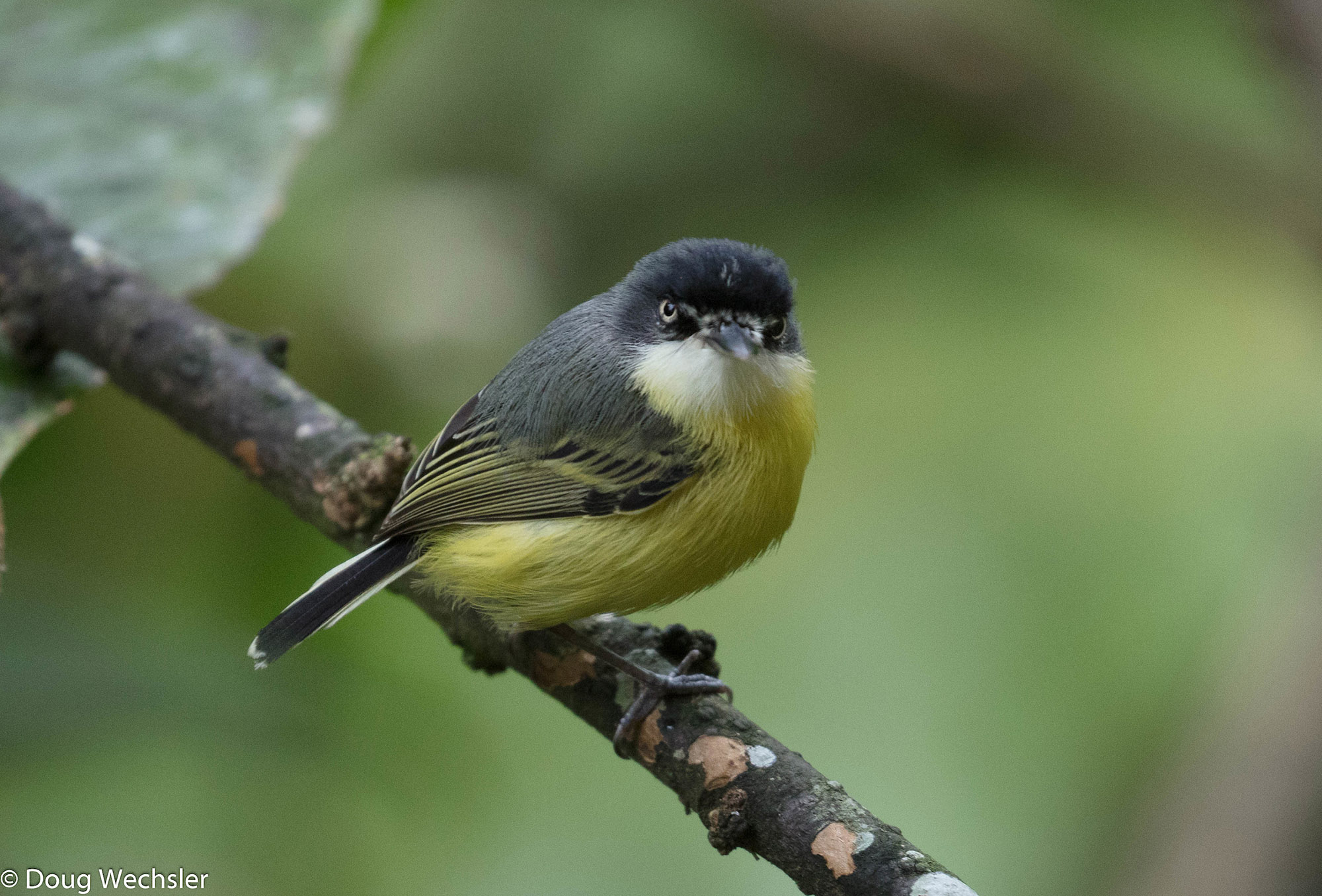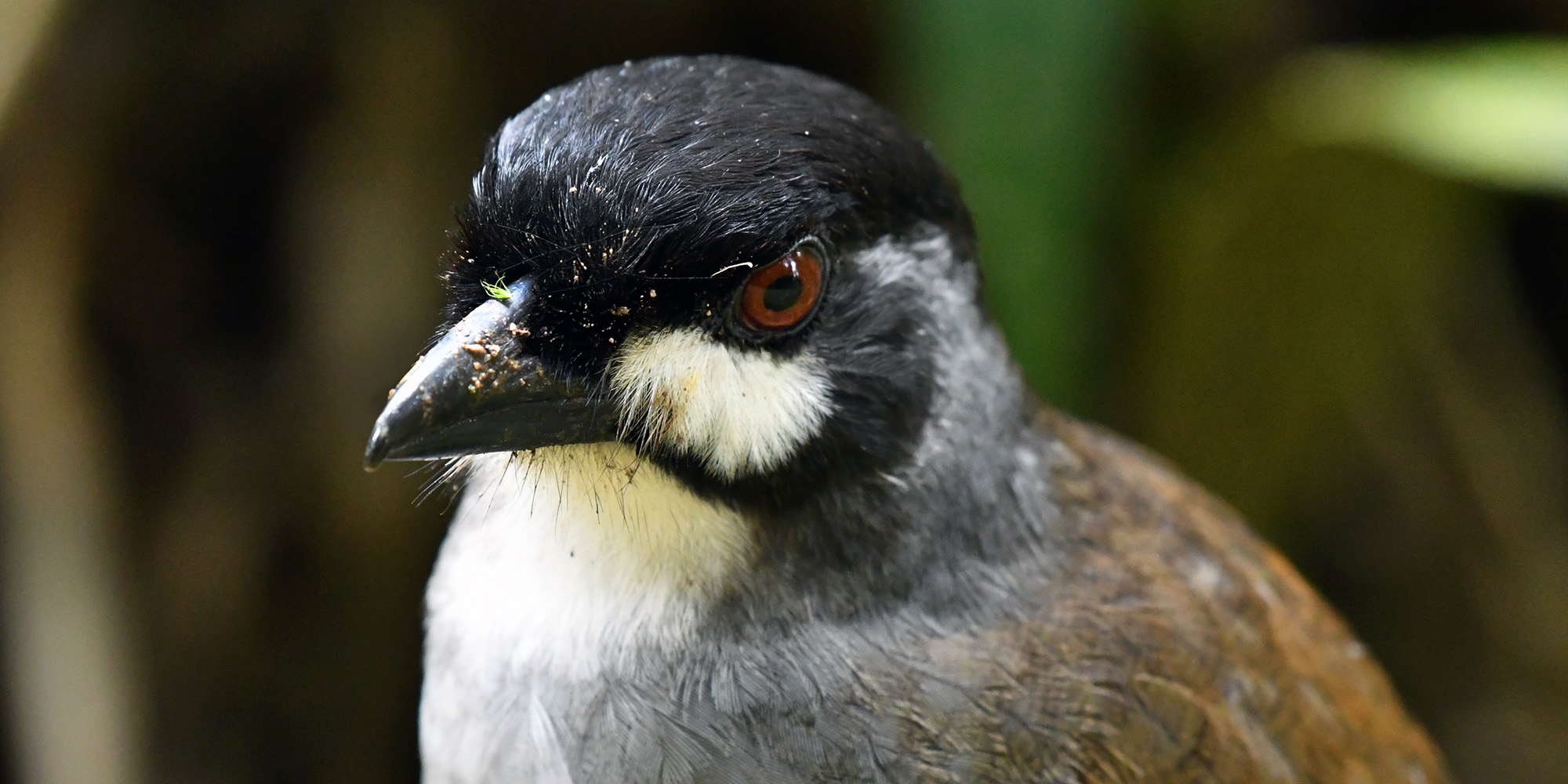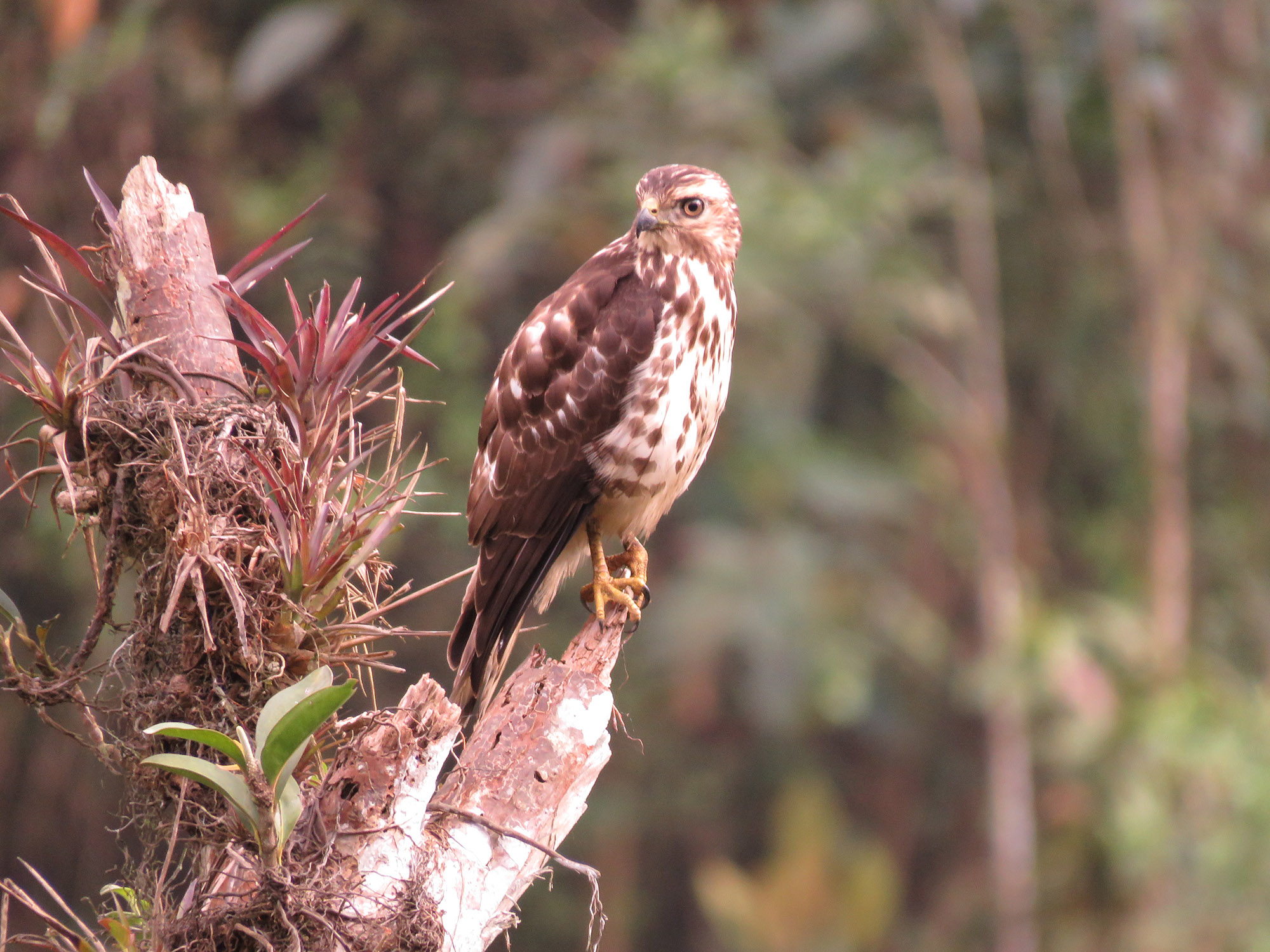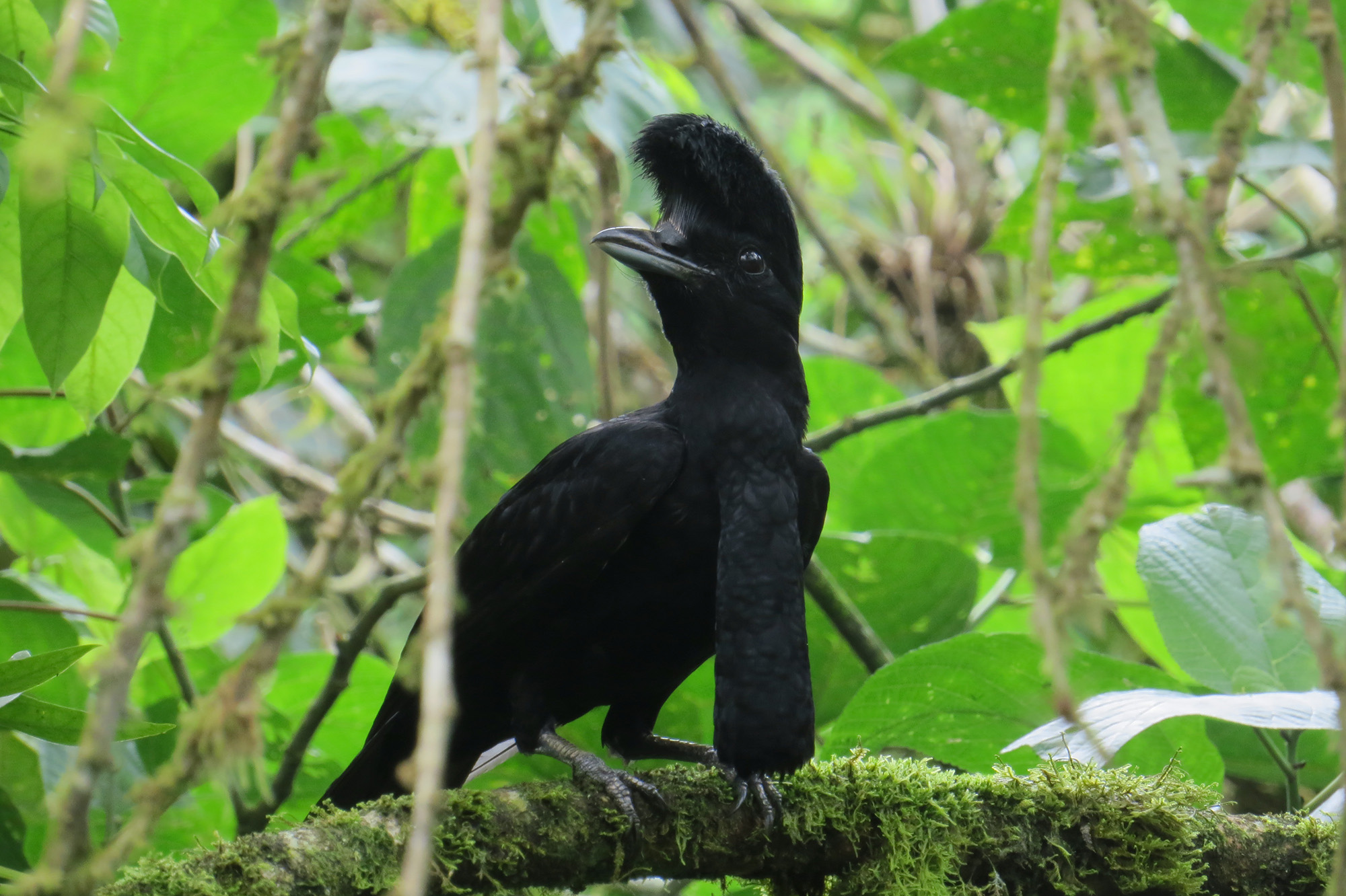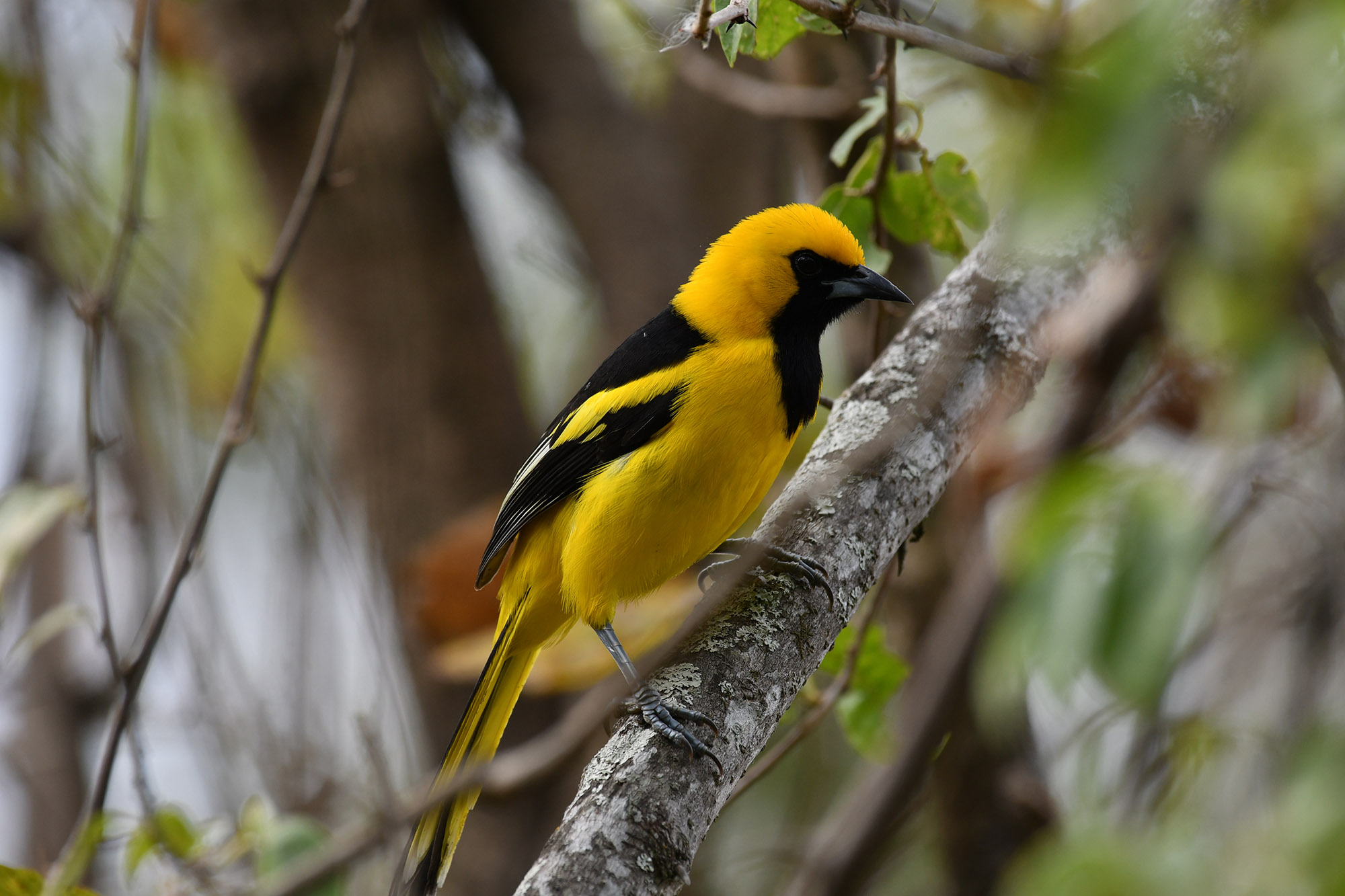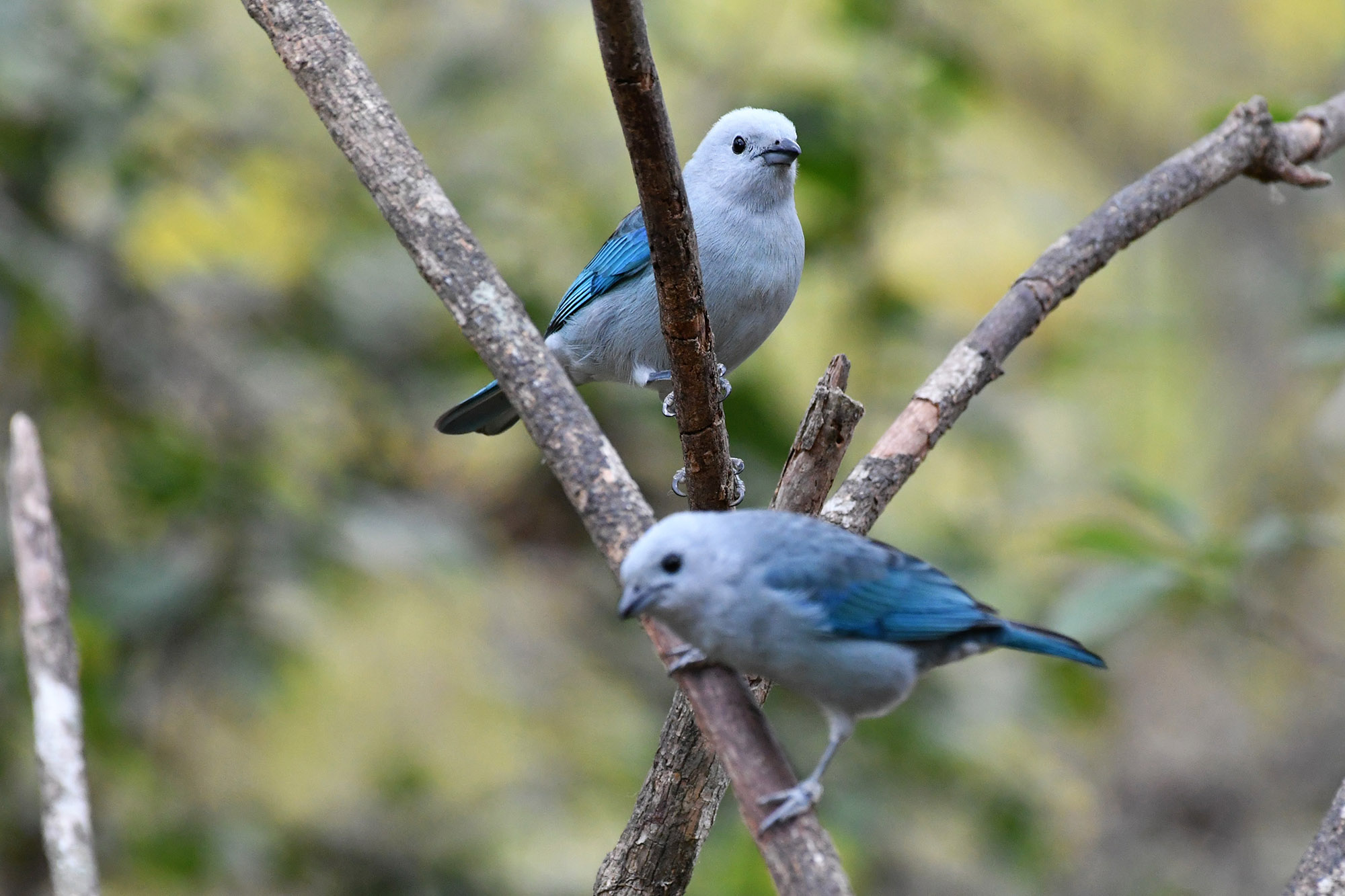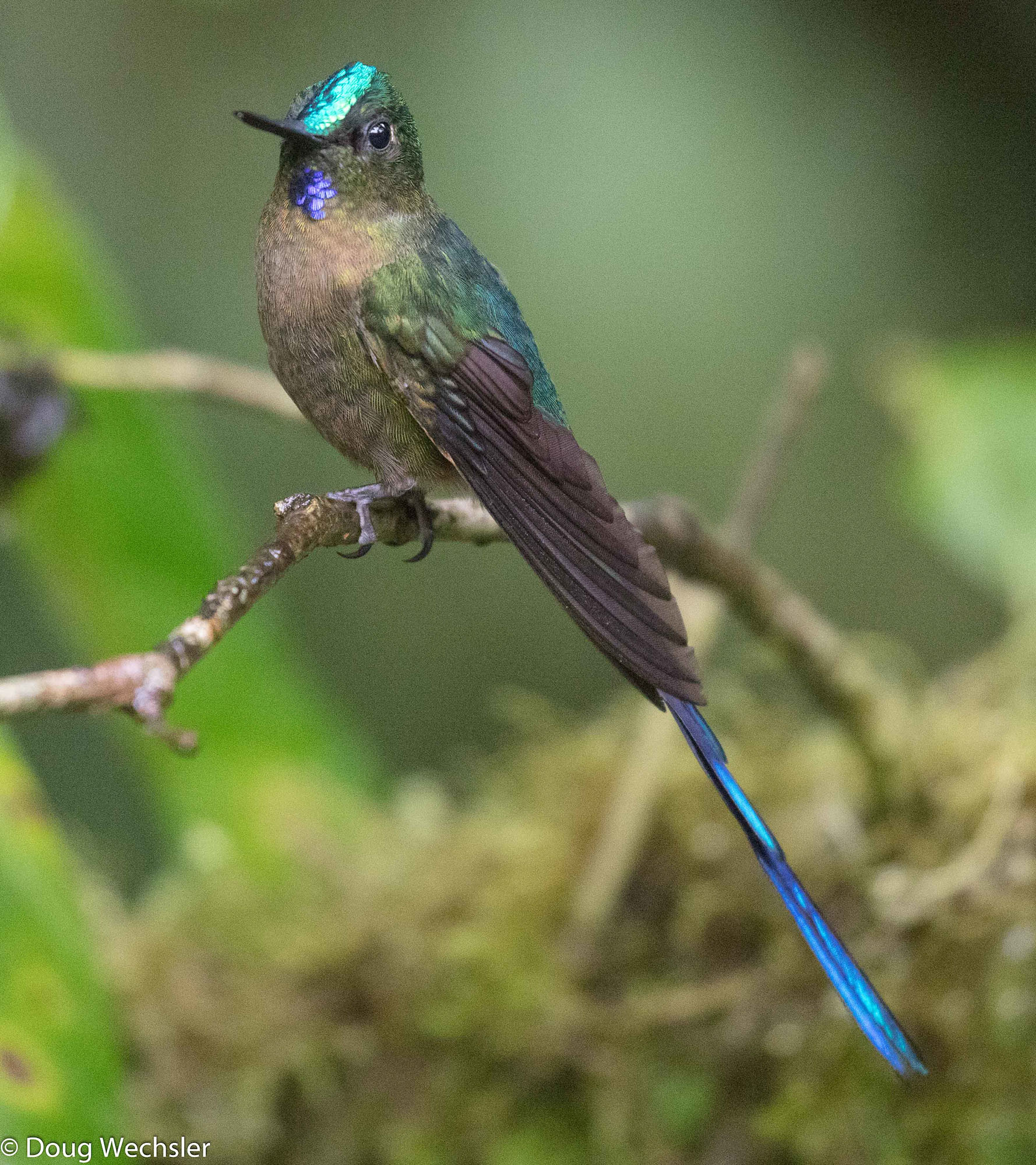
This condensed yet comprehensive birding journey highlights the most important birding areas of southern Ecuador, focusing on regions with exceptional endemism and conservation value. The itinerary combines Southern Chocó cloud forests, Tumbesian dry forest, Andean highlands, and páramo ecosystems, offering an outstanding diversity of habitats within a shorter timeframe.
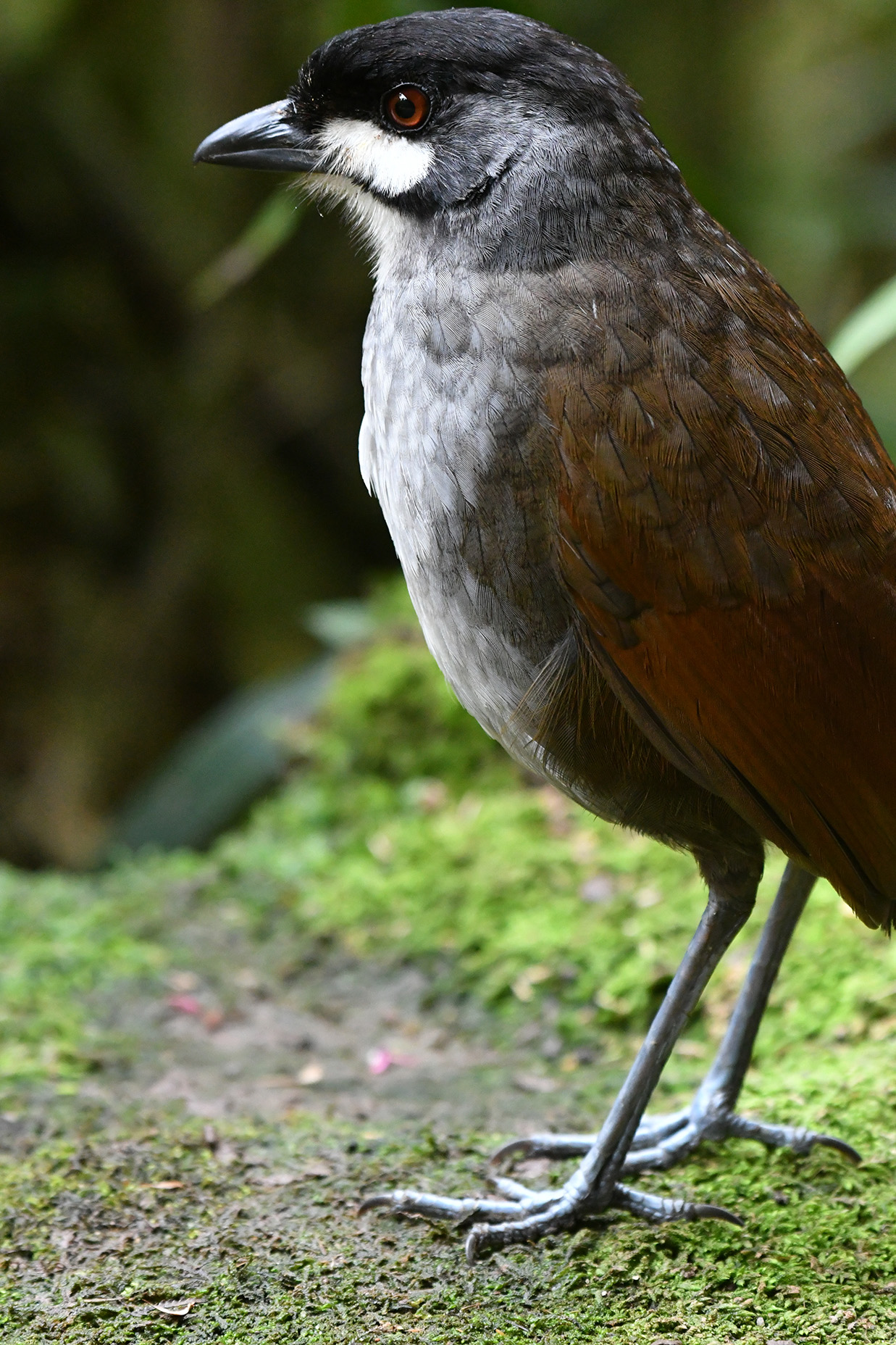
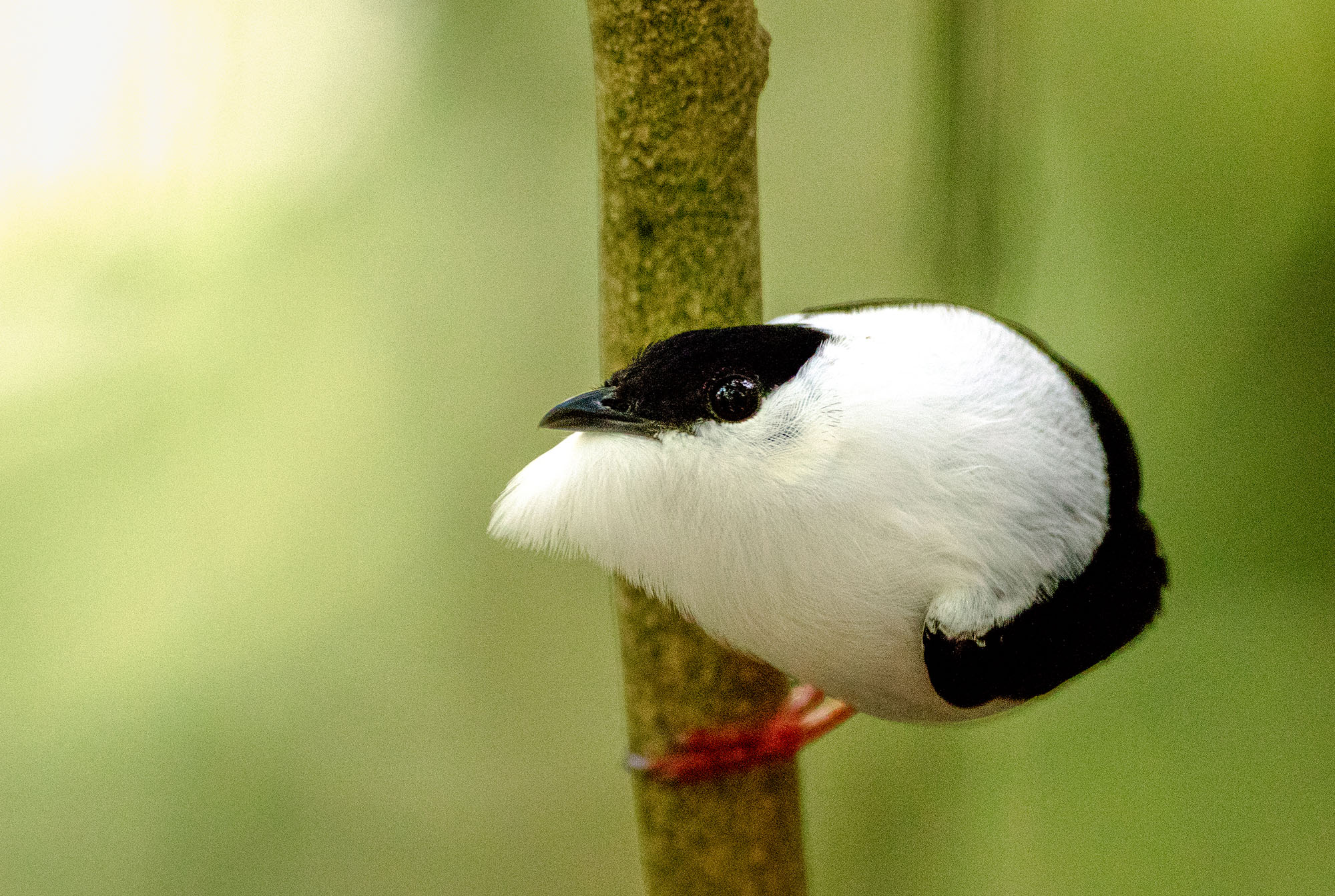
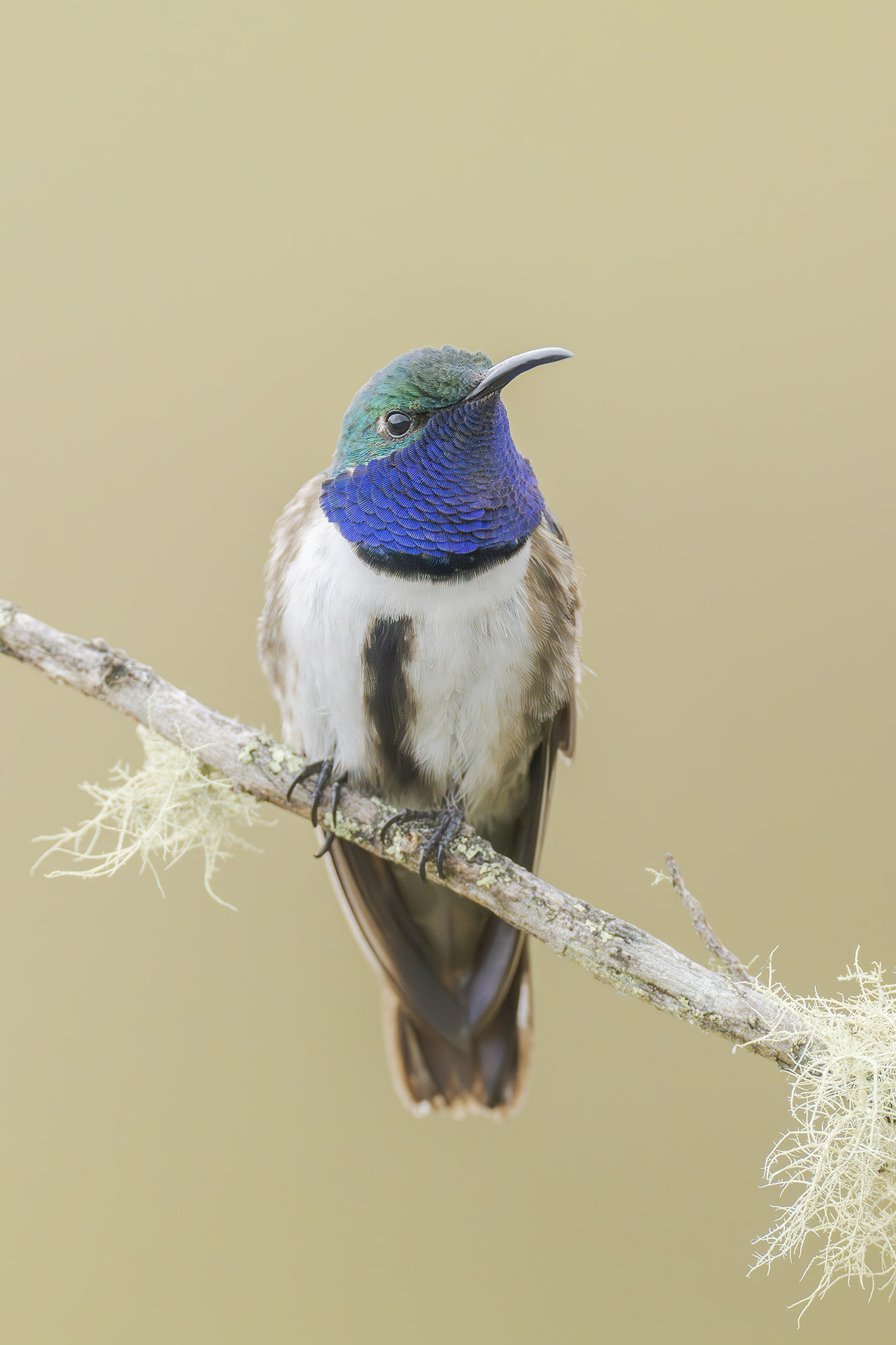
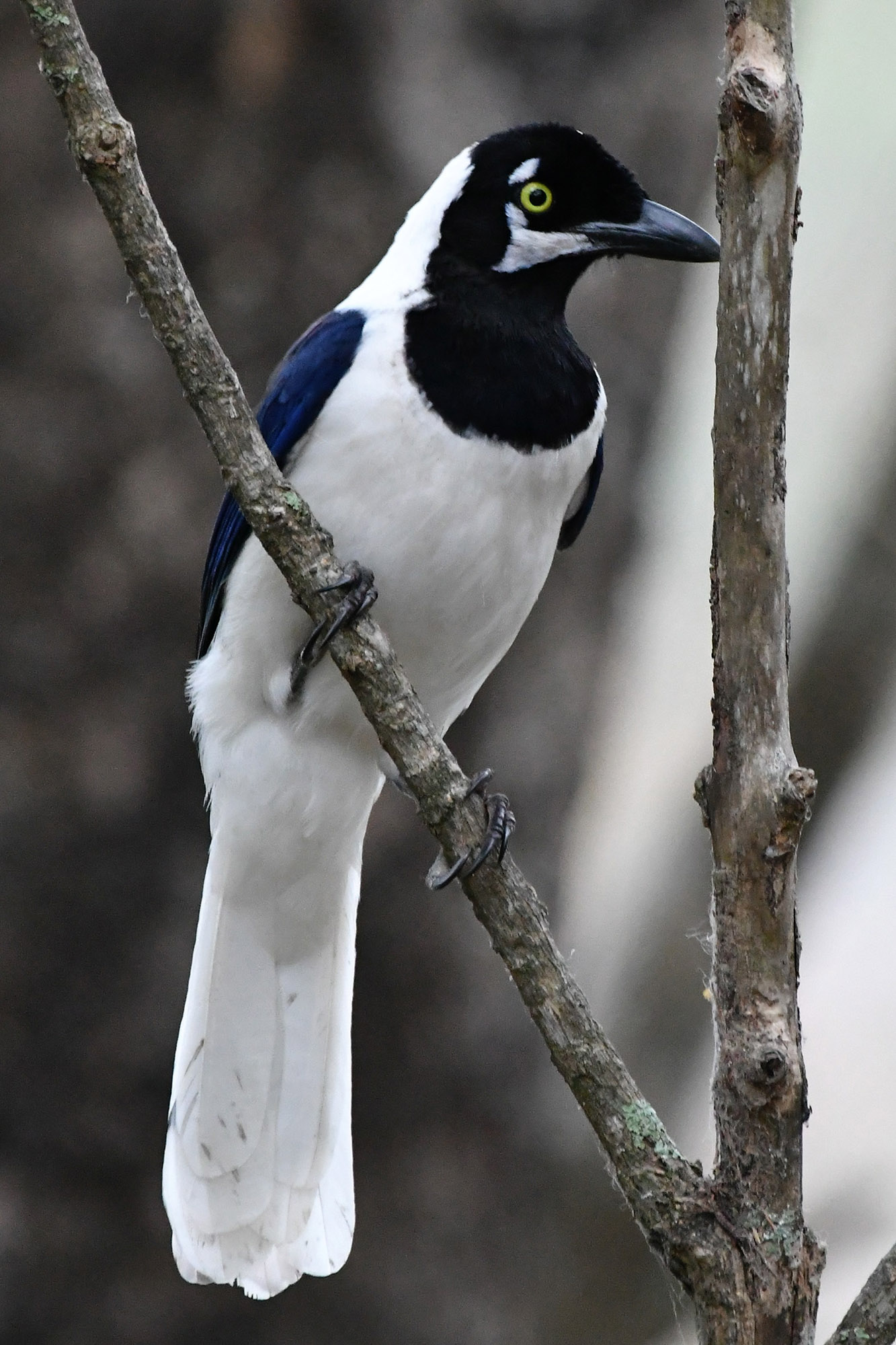
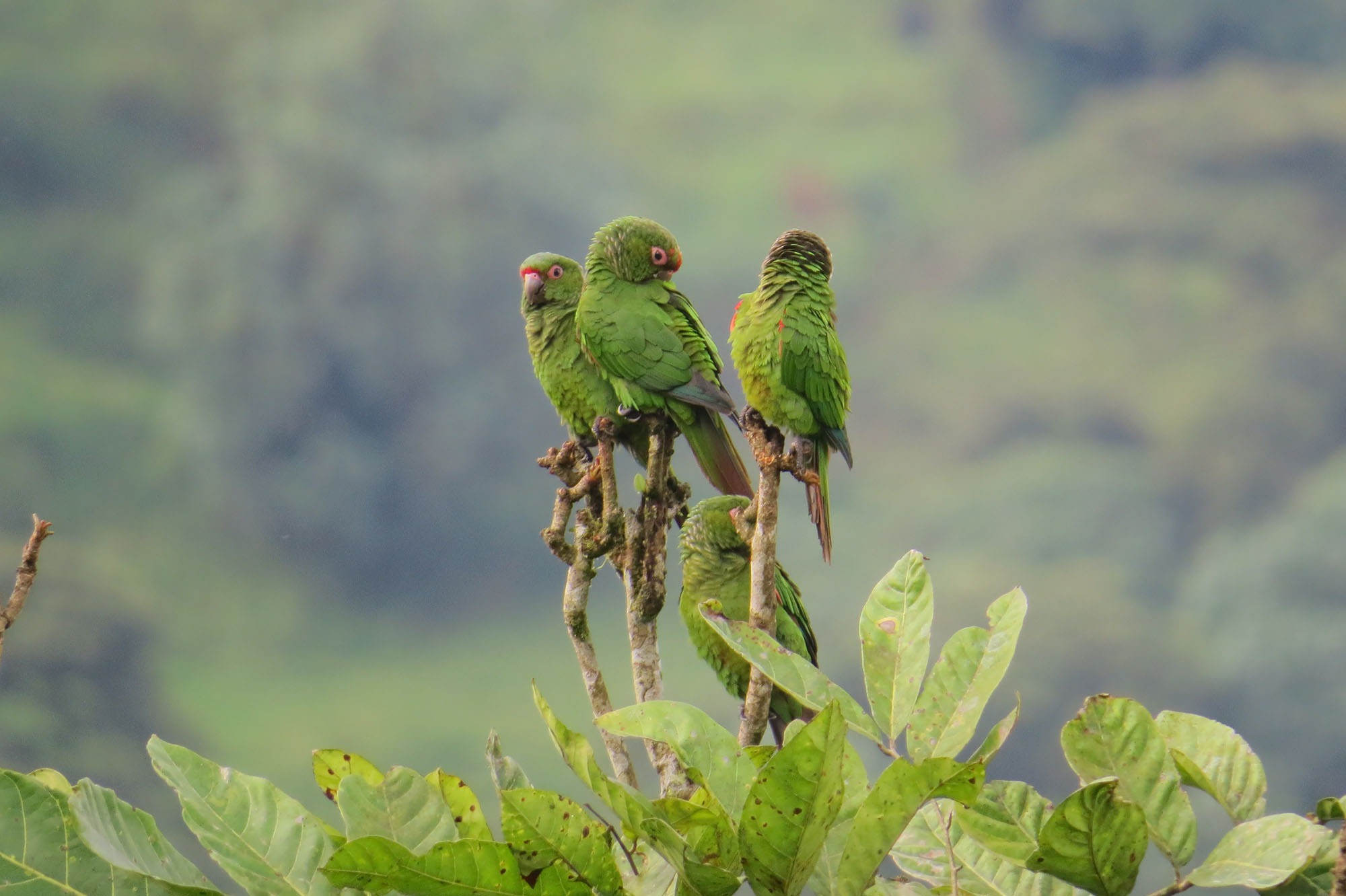
Designed for birders seeking a high-impact experience, the tour provides access to iconic reserves managed by Fundación Jocotoco and opportunities to observe some of Ecuador’s most sought-after species. Participants may encounter a remarkable variety of birds, including the Jocotoco Antpitta, El Oro Parakeet, Long-wattled Umbrellabird, and the critically endangered Blue-throated Hillstar.
Year-round; ideal for focusing on southern endemics
Nature lodges, eco-lodges, and community-based accommodations
Small groups for optimal birding and wildlife encounters
Weather conditions vary widely across southern Ecuador. Lowland and dry forest areas are generally warm, while Andean and páramo regions can be cool to cold and windy. Rain showers are possible, especially in cloud forest zones.
Arrival at the International airport in Guayaquil where you will be transferred to the Hotel. Dinner and accommodation.
This morning your guide will meet you in the lobby of the hotel. You will depart after breakfast to Buenavenutra reserve. Lunch at Umbrellabird Lodge. In the afternoon, the group can enjoy the hummingbird feeders. Dinner and Accommodation at Umbrellabird Lodge.
The reserve’s flagship species are the El Oro Parakeet and the El Oro Tapaculo. It is also home to species from both the Choco and Tumbesian regions, including Rufous-headed Chachalaca, Ochre-bellied Dove, Grey-backed Hawk, Pacific Royal Flycatcher, and Ochraceous Attila. Close to the lodge is a lek of the threatened Long-wattled Umbrellabird. Different types of feeders are placed near the lodge for birds and mammals, where a diversity of Hummingbirds, Tanagers, and Toucans can be seen alongside Coaties. Overnight at Umbrellabird Lodge.
Very early in the morning, we can walk around the reserve to look for some more birds in Buenaventura reserve. After breakfast, we drive south to the Urraca Lodge in the Jorupe reserve of Jocotoco Foundation. We will take a packed lunch and bird along the way. En route we will bird the amazing deciduous forest near El Empalme. Among the giant Ceiba trees we may see White-headed Brush-Finch, Tumbes Hummingbird, and Baird’s Flycatcher. Overnight at Urraca Lodge.
During this day, we will walk around the Jorupe reserve spending all day birding around the deciduous forest in the Tumbesian region of southwest Ecuador where we hope to find Tumbesian endemics such as Blackish-headed Spinetail, Henna-hooded Foliage-gleaner, Slaty Becard, Loja Tyranulet, Watkins Antpitta and Western Peruvian Screech Owl. Overnight at Urraca Lodge.
Today we will have a long drive to Tapichalaca reserve, birding along the way through the road to see some interesting birds of this Tumbesian area like the Elegant Crescentchest, Loja Hummingbird. Parrot-billed Seedeater, Drab Seedeater, Tumbes Sparrow. In route we will want to bird the amazing forest at our Utuana reserve. Among the giant Ceiba trees we may see White-headed Brush-Finch, Tumbes Hummingbird and Baird’s Flycatcher. We will serve our box lunches on road. Once at Tapichalaca reserve, our first impression will be the presence of many Hummingbirds by the feeders: Among these Amethyst-throated Sunangel, Chestnut-breasted Coronet, Collared Inca, Little Sunangel, Long–tailed Sylph. Overnight Casa Simpson – Tapichalaca reserve.
Today we will visit Tapichalaca Reserve of the Jocotoco Foundation, which was established in 1998 to protect the habitat of the Jocotoco Antpitta, a species whose total known population has remained at about twelve pairs since they were discovered at Cerro Tapichalaca by Dr. Robert Ridgely in 1997. We will spend a full day birding the trails of Tapichalaca reserve, starting with the Jocotoco Antpitta worm feeder. Apart from the Jocotoco, we have the chance to see other interesting birds such as Chestnut-napped Antpitta, Orange-banded Flycatcher, White-throated Quail-dove, White-capped Tanager. Overnight Casa Simpson – Tapichalaca.
This morning we will try for Antpittas such as the Undulated Antpitta, Chesnutt-napped Antpitta and Rufous Antpitta. Then we continue to the north, we can make a short visit to Vilcabamba to try for some specialties. In the afternoon we will arrive at Saraguro. We’ll make a special effort to see the Crescent-faced Antpitta. Other scarce species, like Black-headed Hemispingus, Flammulated Treehunter, Bearded Guan, Masked Mountain-Tanager, Glowing Puffleg, and Agile Tit-Tyrant also occur here. The very rare Chestnut-bellied Cotinga is also possible, though much luck is required. Dinner and accommodation at a community Hostería Achik Wasi.
Today our destination for the morning will be Cerro de Arcos, where in 2017 a completely new hummingbird for the world was discovered, now called the Blue-throated Hillstar. This species, since its recent description in 2018, has already been considered critically endangered, being known from just three spots in a very small area thus far, on a few mountains in southern Ecuador. We will visit the only easily accessible site for the species currently known. We’ll spend the morning looking for the hillstar (sightings are likely). In the afternoon, we will continue our journey to the town of Cuenca, where we will spend one night.
This morning we´ll visit El Cajas National Park that is covered by paramo grasslands, highlands lakes and ponds where you can see Andean Gulls, Andean Teal, Virginia Rail. In the lower parts we can find polylepis woodland that holds some specialties like Tit-like Dacnis, Mouse-colored Thistletail, the rare Red-rumped Bush-Tyrant, and Giant Conebill; Violet-throated Metaltail, Andean Lapwing, Carunculated Caracara, Variable Hawk, Many-striped Canastero, Andean Tit-Spinetail, Tawny Antpitta, Stout-billed and Chestnut-winged Cinclodes, Plain-capped (Paramo) Ground-Tyrant, and Paramo Pipit. In the afternoon, we will continue to Guayaquil, where we will spend a final night and have a farewell dinner.
Depending on your flight schedule, you have your transfer to the airport of Guayaquil. End of services.