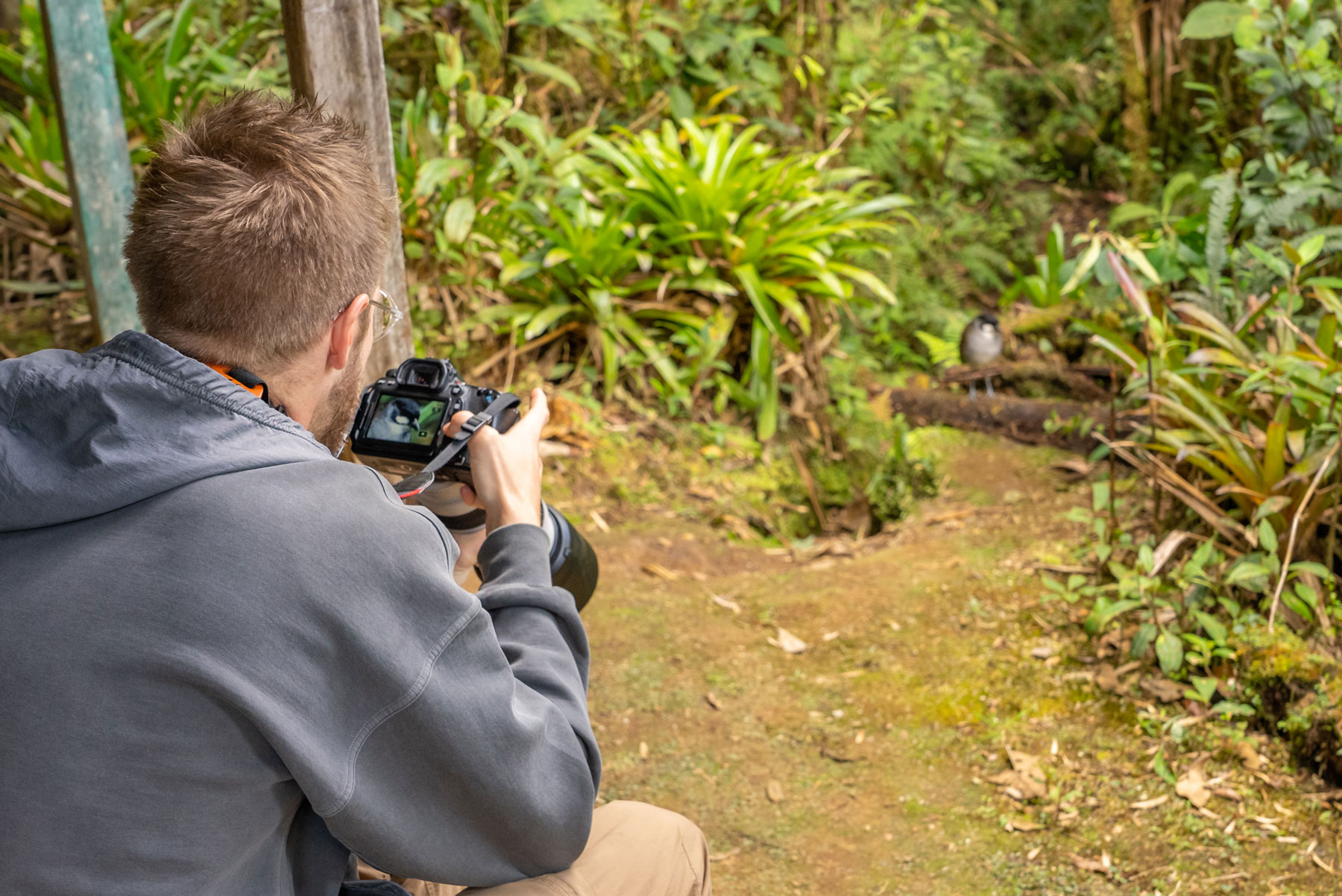
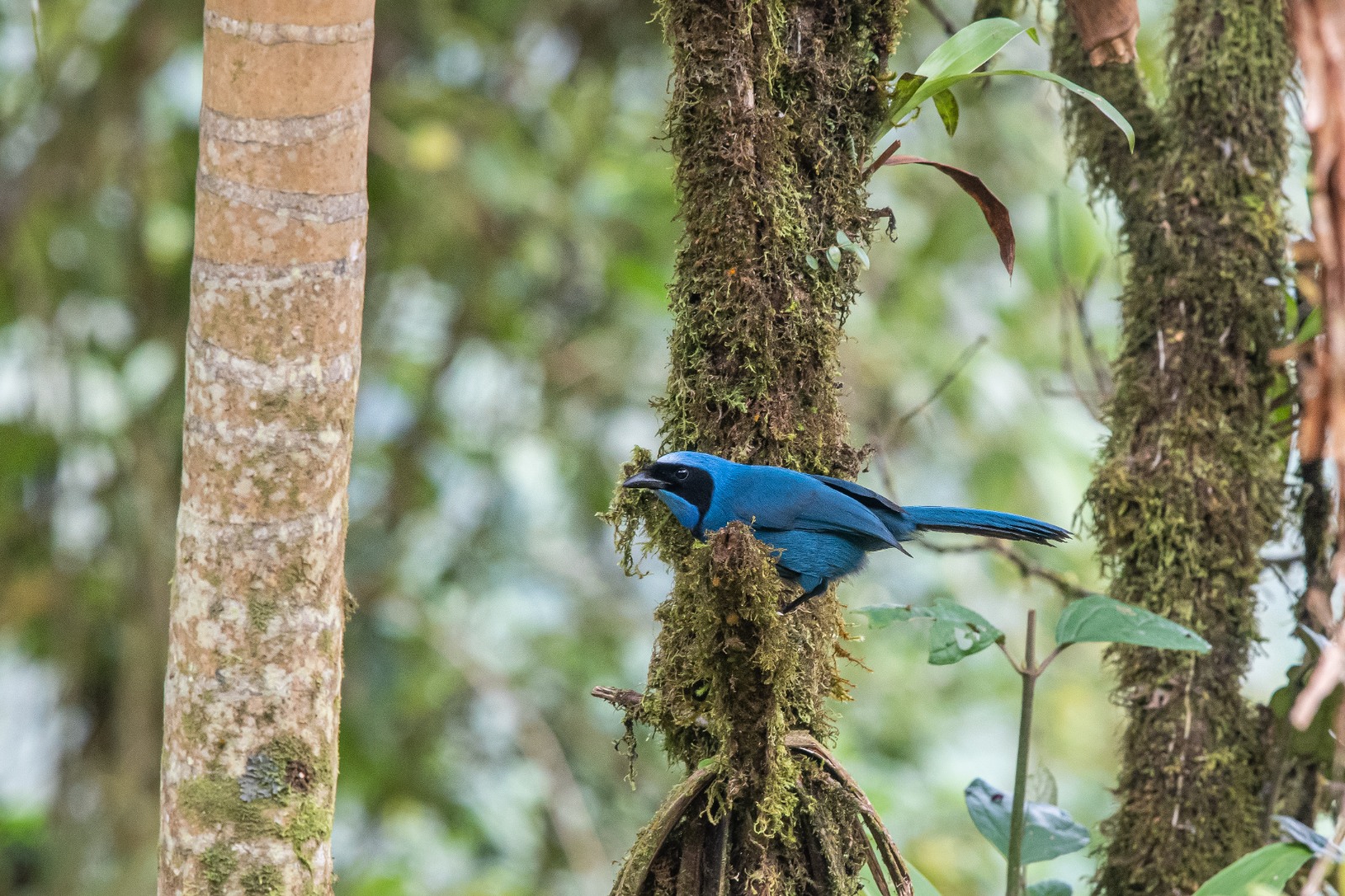
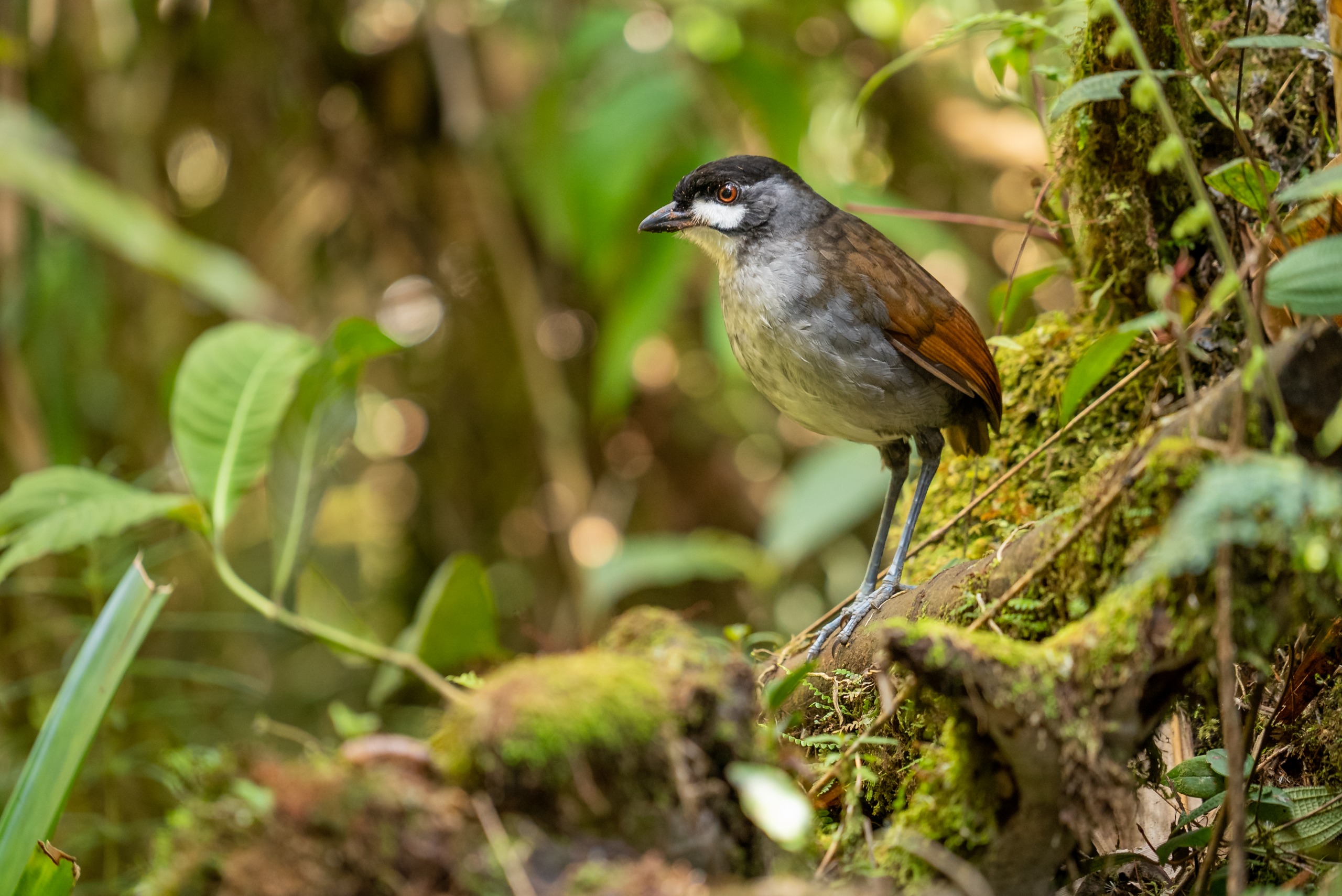
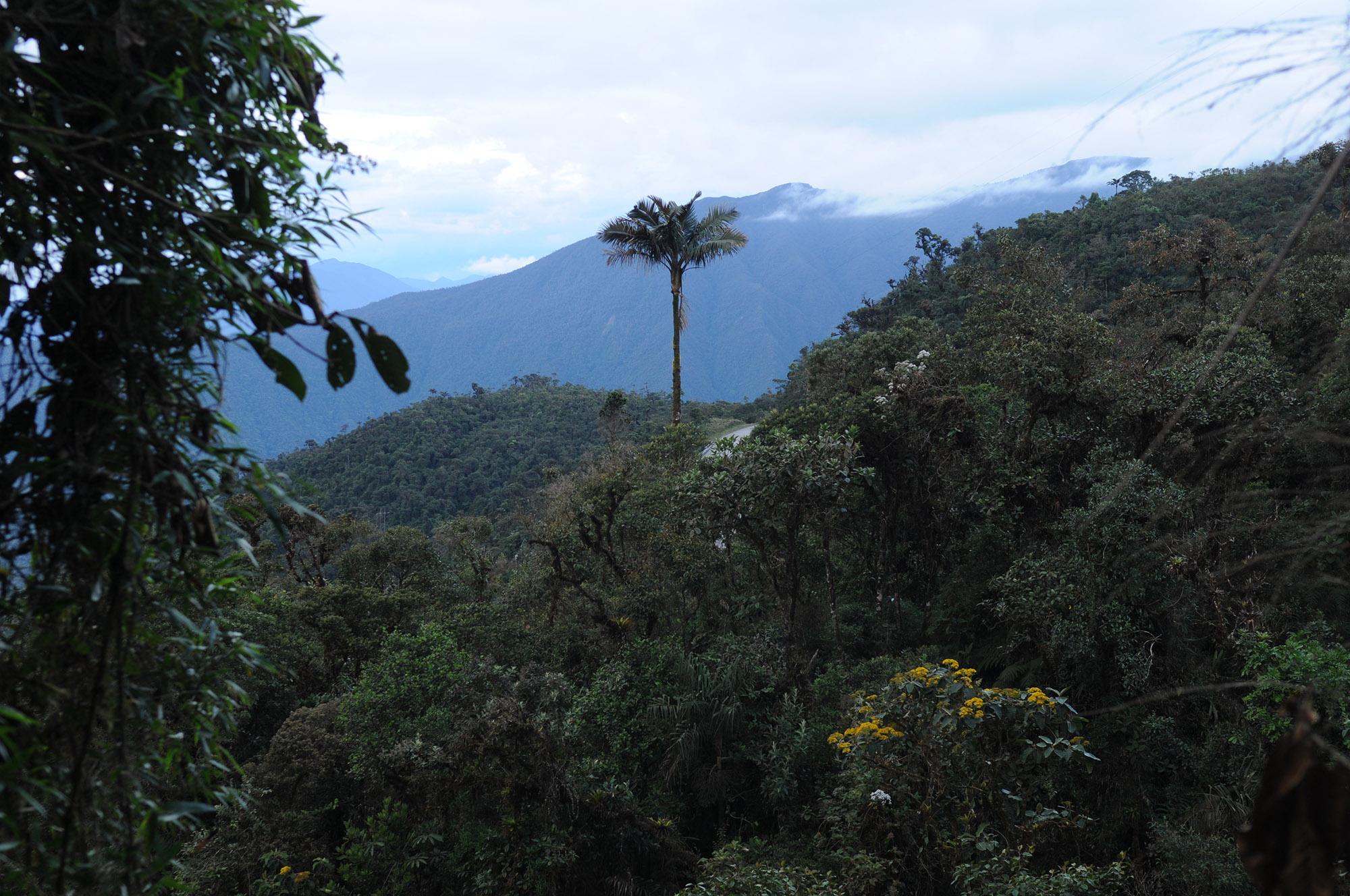
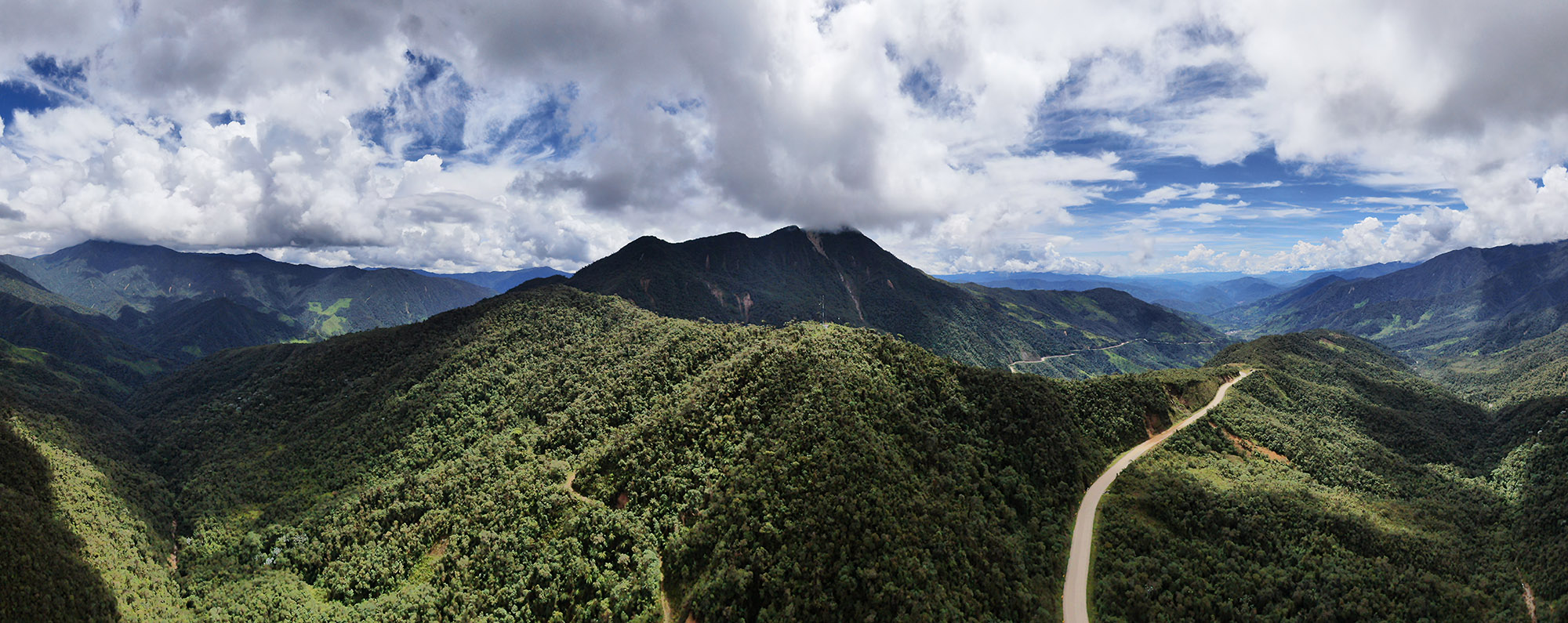
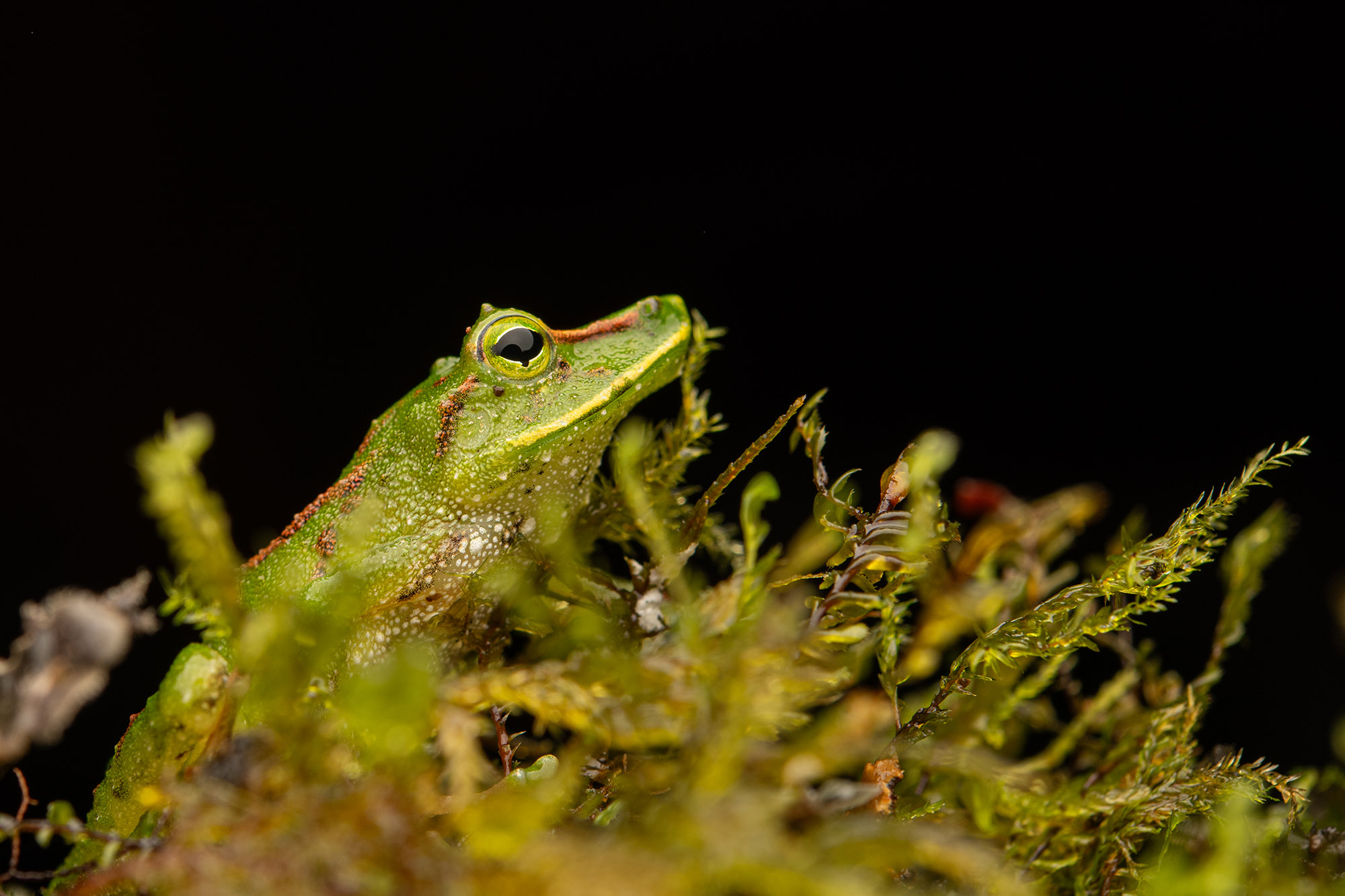
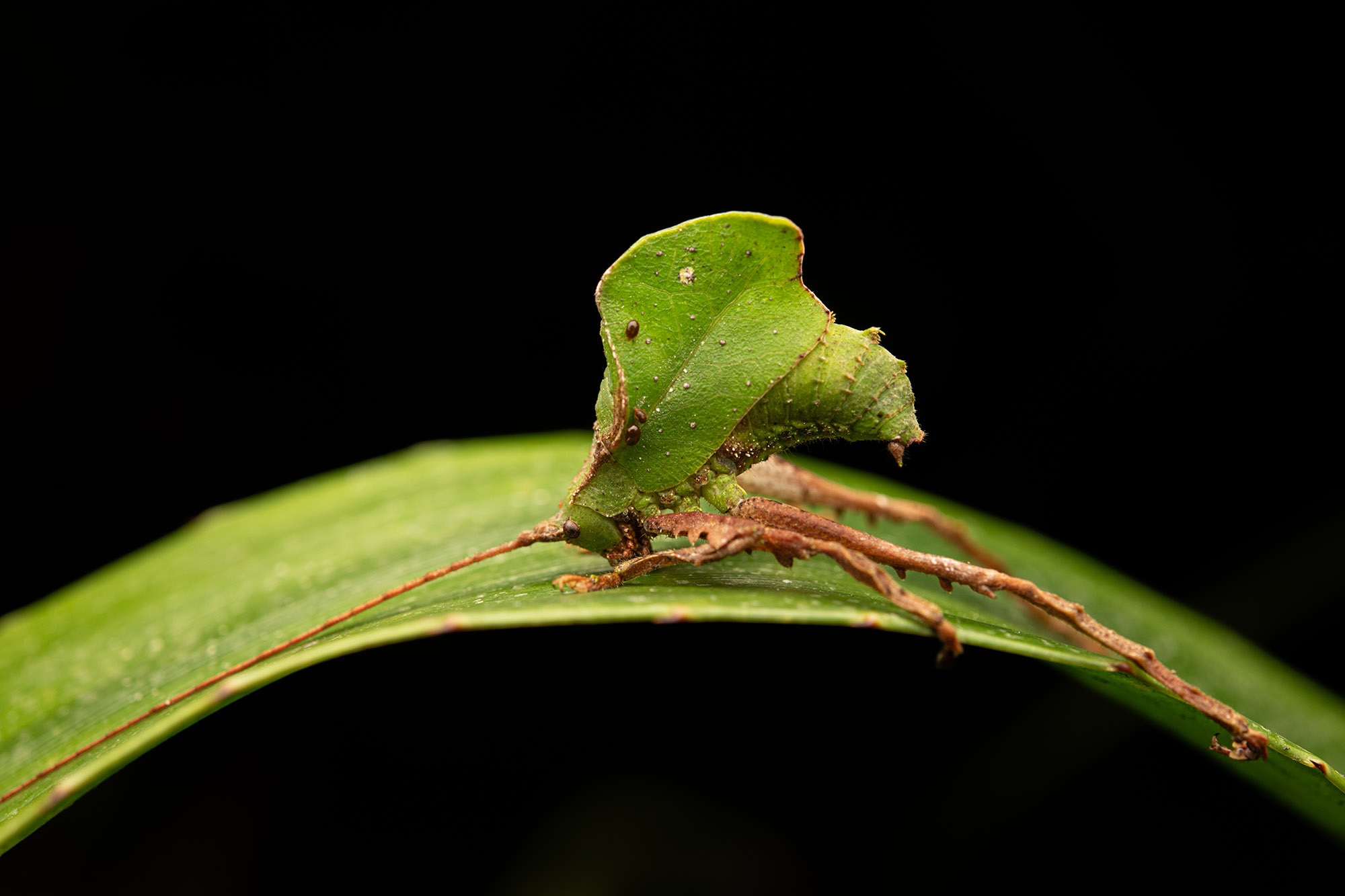
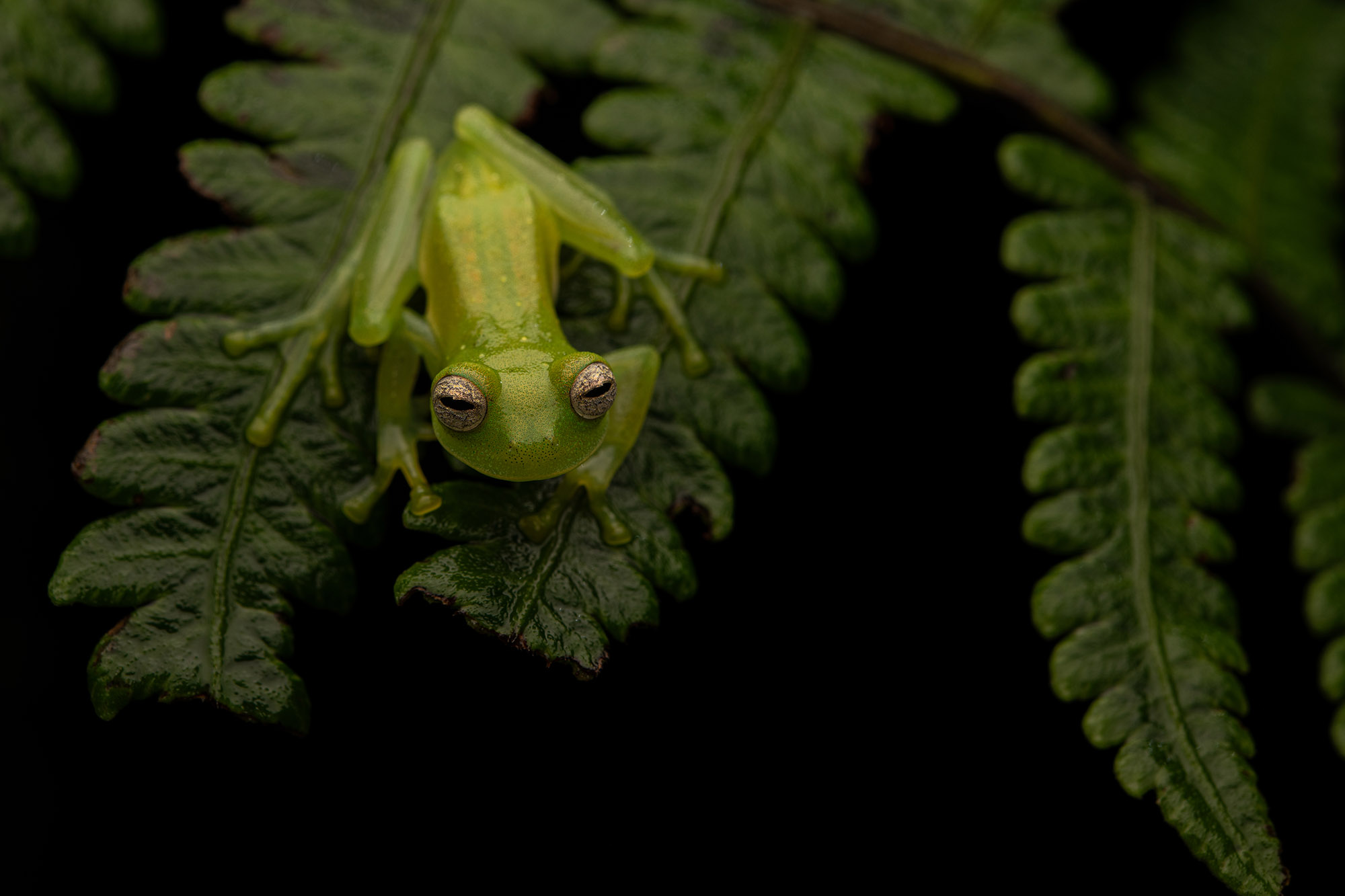
The Tapichalaca Reserve is home to an extraordinary diversity of mammals, birds, reptiles, amphibians, and plants. Notable is the Tapichalaca treefrog (Hyloscirtus tapichalaca), which is found only here. The biological richness is especially focused on birds, with over 300 species recorded both in the reserve and the surrounding areas.
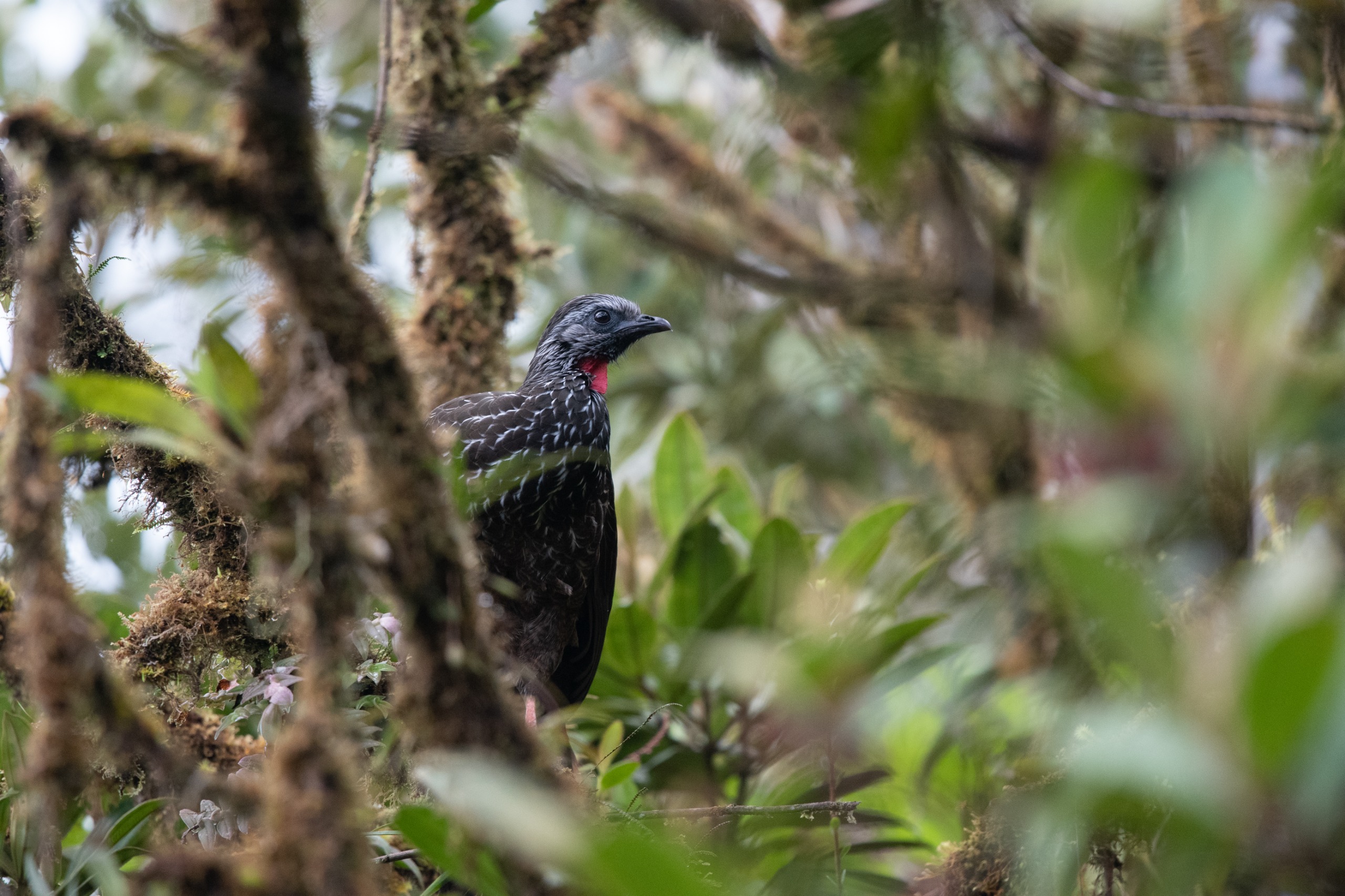
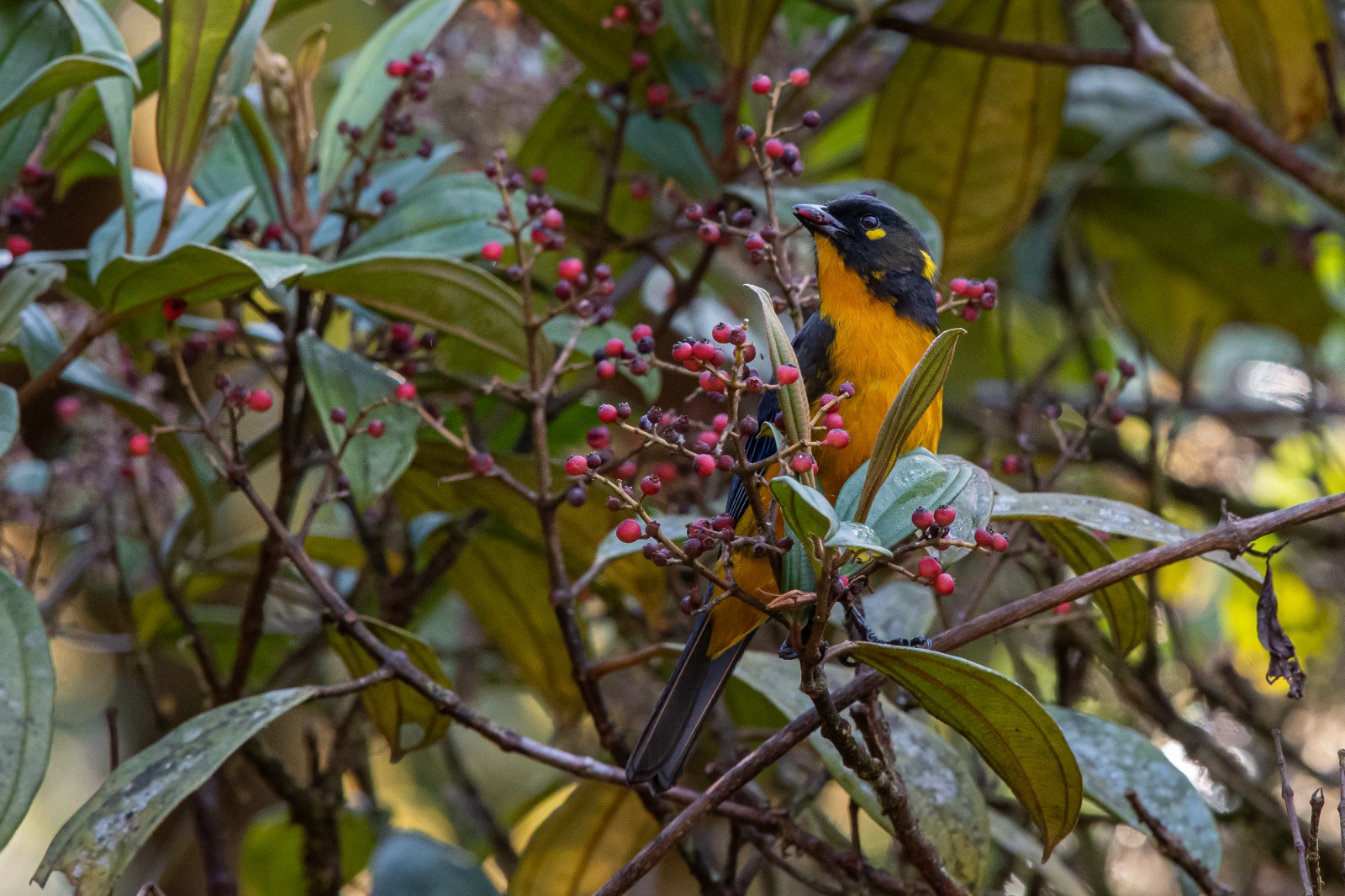
It is home to globally threatened birds such as the Jocotoco Antpitta (Grallaria ridgelyi), the Golden-cheeked Parakeet (Leptosittaca branickii), the White-necked Parakeet (Pyrrhura albipectus), the Bearded Guan (Penelope barbata), the Coppery-chested Jacamar (Galbula pastazae), and the Masked Mountain Tanager (Buthraupis wetmorei). It also protects near-threatened birds, such as the Imperial Snipe (Gallinago imperialis), the Gray-breasted Mountain Toucan (Andigena hypoglauca), the Brown-billed Scythebill (Campylorhamphus pusillus), the Neblina Metaltail (Metallura odomae), the Orange-banded Flycatcher (Nephelomyias lintoni), and the Masked Saltator (Saltator cinctus).
The reserve is part of a strategic biological corridor that connects the Podocarpus and Yacuri National Parks, providing protection for iconic species such as the Andean Tapir (Tapirus pinchaque), the Spectacled Bear (Tremarctos ornatus), the Puma (Puma concolor), the Mountain Paca (Cuniculus taczanowskii), the Northern Pudu (Pudu mephistophiles), the Little Red Brocket (Mazama rufina), and the South American Coati (Nasua nasua).
The flora of the reserve includes more than 130 plant species endemic to Ecuador, of which 114 are listed as threatened according to the Red Book of Plants. Of these, approximately 50 are exclusive to the region. Hundreds of orchids have been recorded, 30 of which are local, and the vine Bomarea longipes was rediscovered.
Additionally, the reserve has a mini-laboratory for the study and propagation of threatened and endemic plant species.