Yanacocha Reserve – Café del Zamarrito

Guardians of the Black-breasted Puffleg

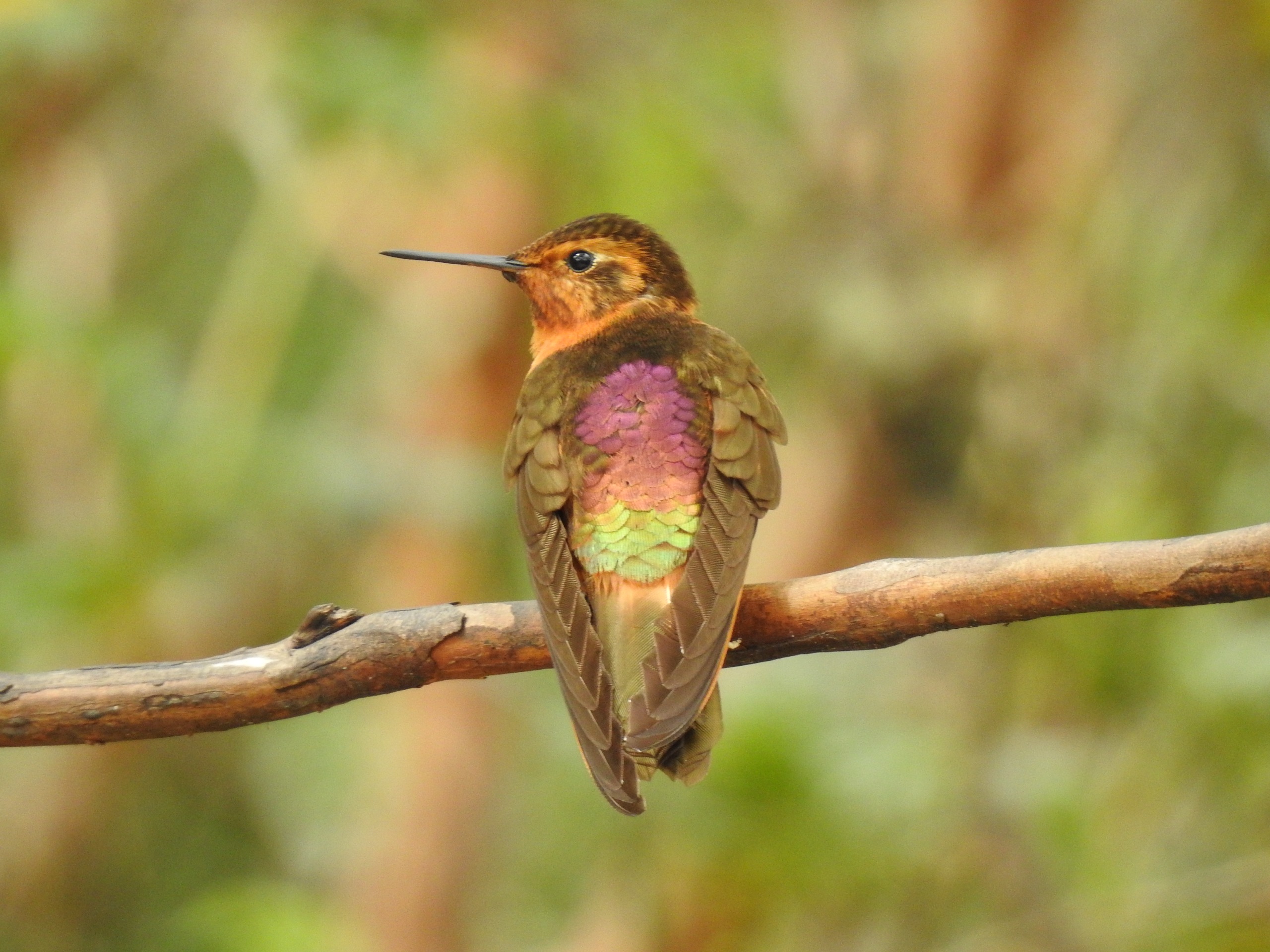
Yanacocha was created to protect the Black-breasted Puffleg (Eriocnemis nigrivestis), a critically endangered hummingbird with a very limited range. Studies concluded that it was necessary to preserve a large area of forest to safeguard this species.

As part of the habitat protection and restoration projects for the Black-breasted Puffleg, we have planted a forest of Polylepis pauta, along with native plants that grew in the reserve’s nursery or were acquired from the women’s community nursery in Alambi. These actions enrich the reserve´s ecosystem and ensure its long-term conservation.

General information

  • icono_ubicacion
    Province: Pichincha
  • icon_fecha_creacion
    Creation date: 2001
  • icon_area1
    Area: Approx. 2971 acres
  • icon_temperatura
    Temperature: 8 – 19 °C
  • icono_ecosistema-
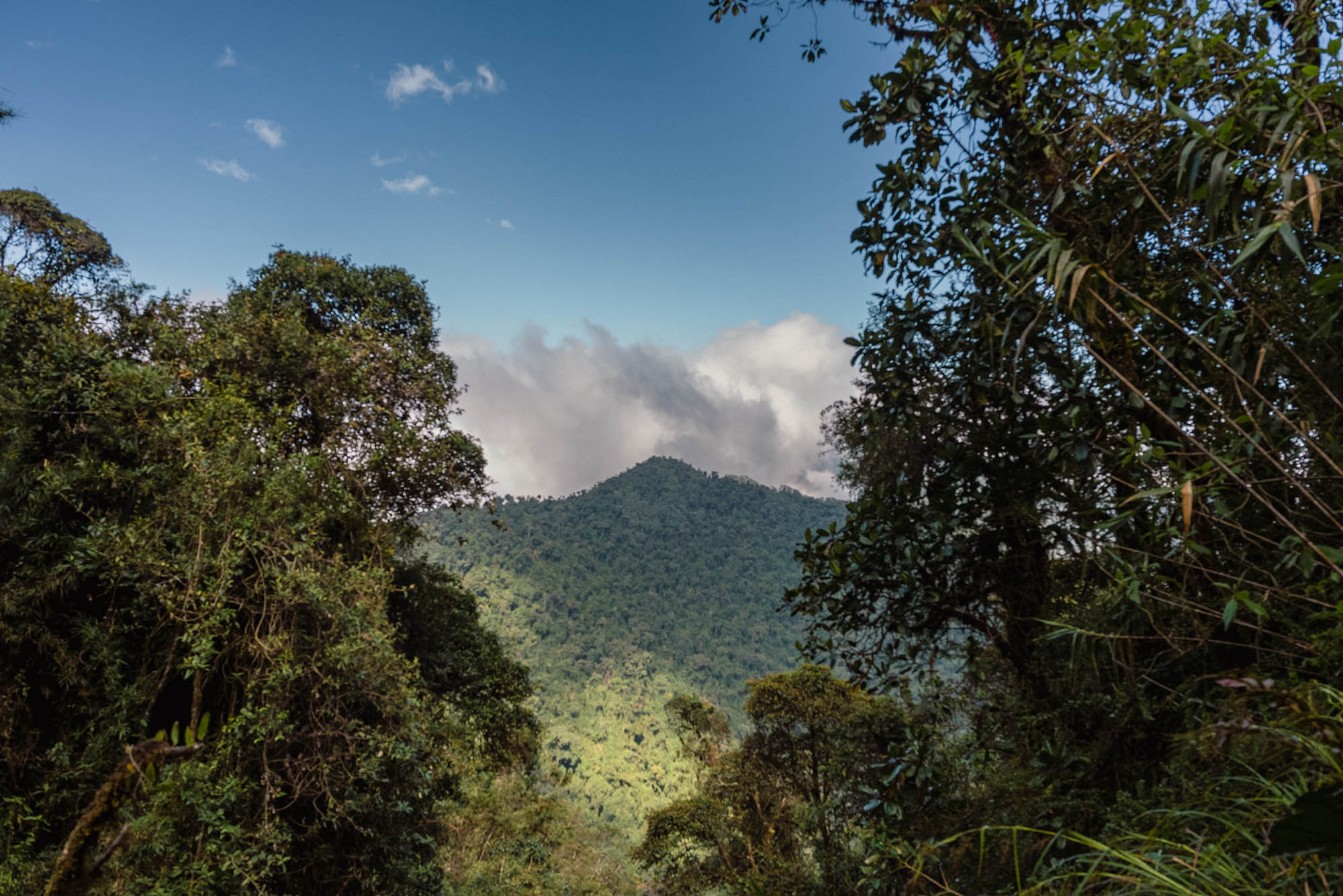
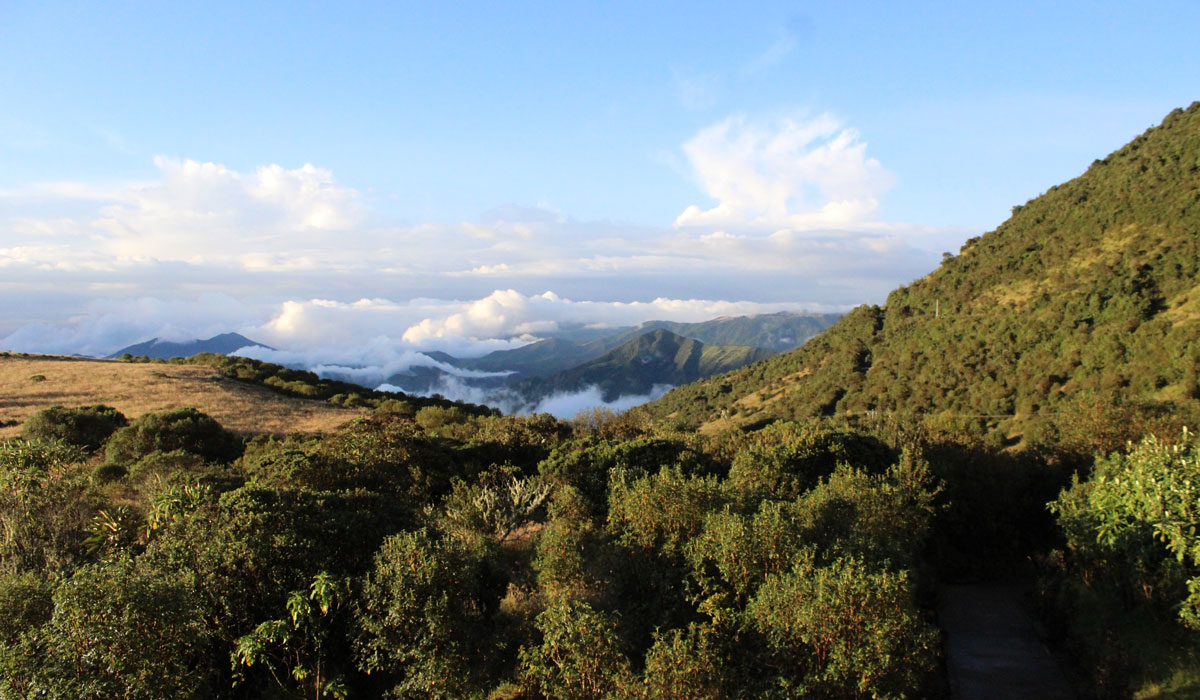
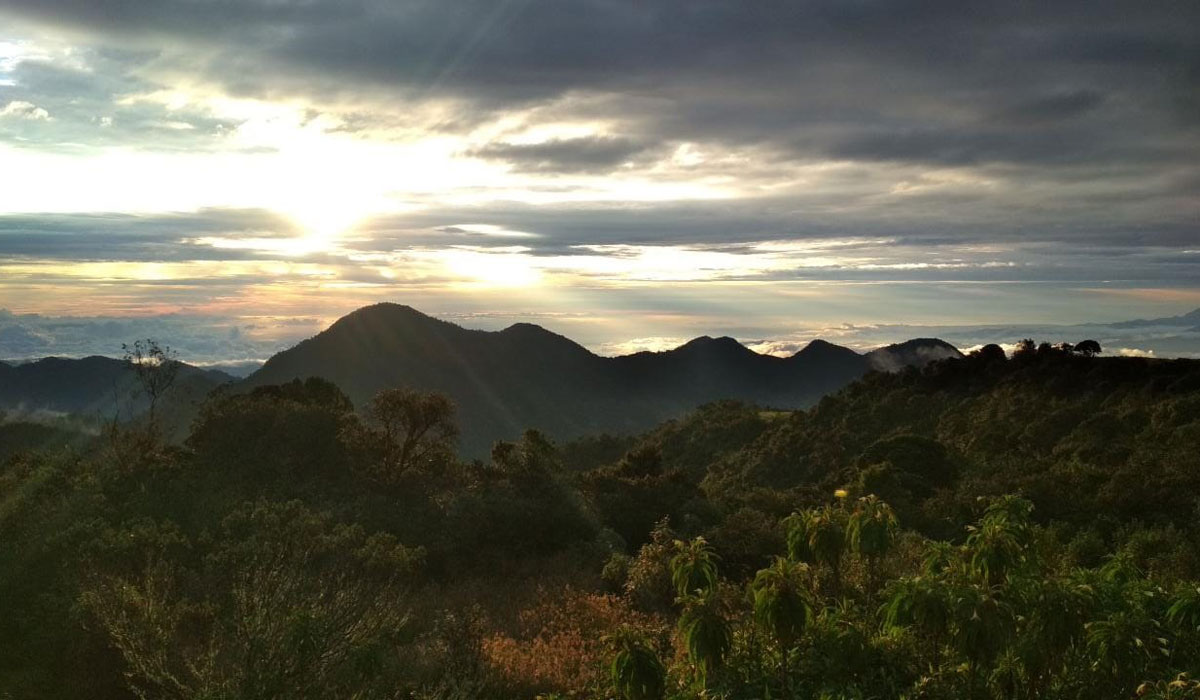
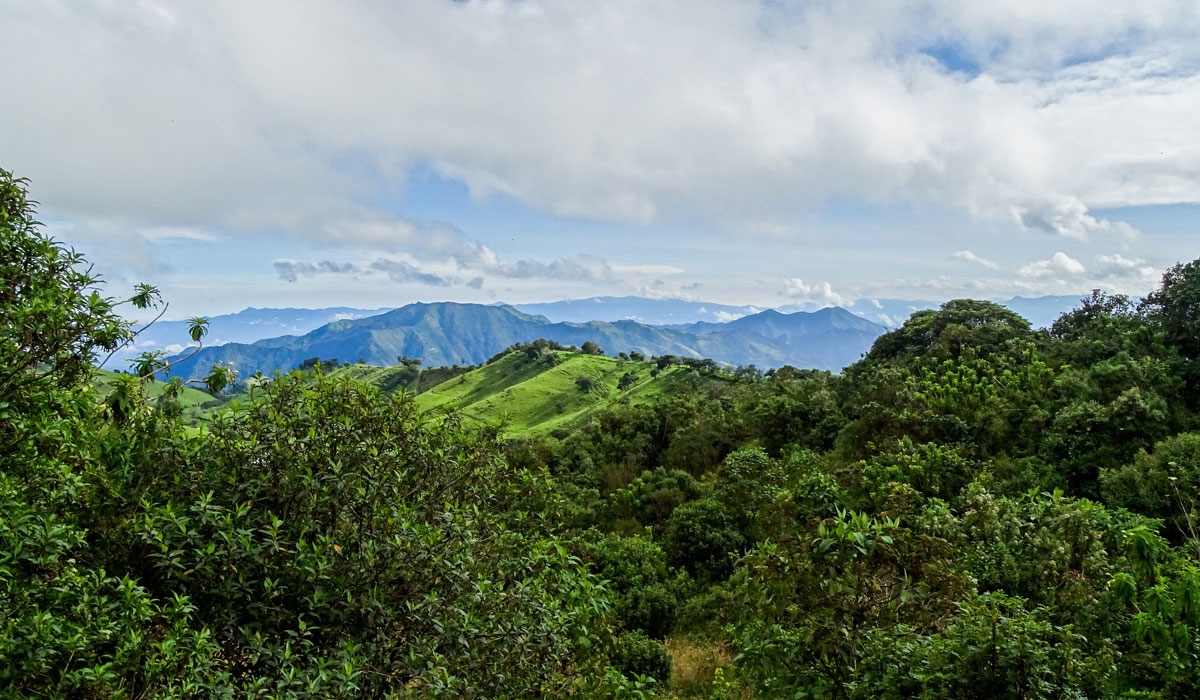
    Ecosystem: High Andean Cloud forest and páramo
  • icon_clima
    Climate: Temperate and cold
  • icon_altitud
    Altitude range: 3200 – 4400 meters above sea level
  • Facility: Café del Zamarrito

Facilities and services

iconos-jocotours-Camping area

Camping area

iconos-jocotours-Restaurant-

Restaurant

iconos-jocotours-Interpretation center

Interpretation center

iconos-jocotours-Self-guided trails

Self-guided trails

iconos-jocotours-Hummingbird Garden

Hummingbird Garden

iconos-jocotours-Bird feeders

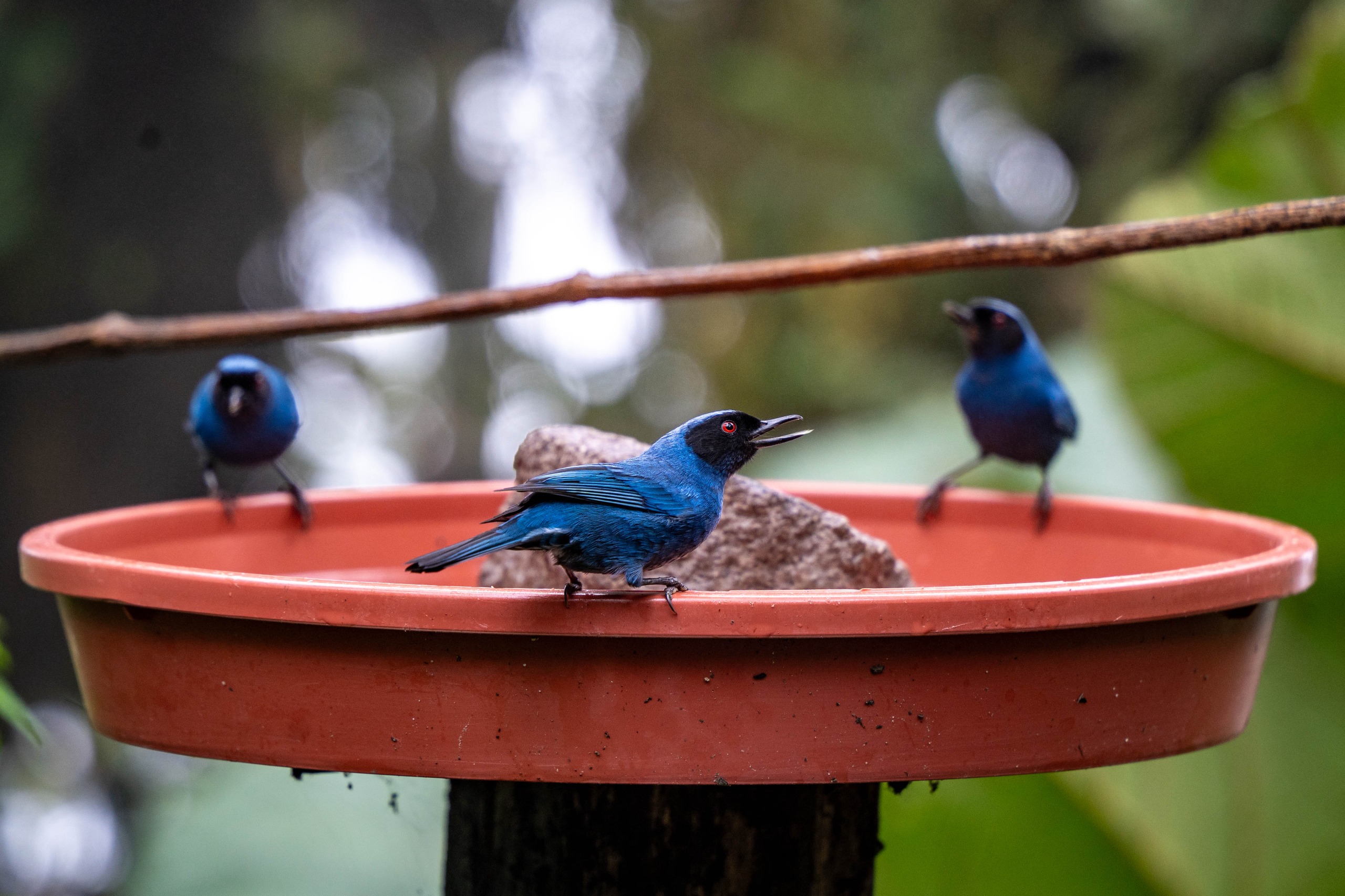
Bird feeders

iconos-jocotours-Souvenir sales

Souvenirs

iconos-jocotours-Park ranger escort available

Park ranger escort available

iconos-jocotours-Parking lot

Parking lot

Biological importance

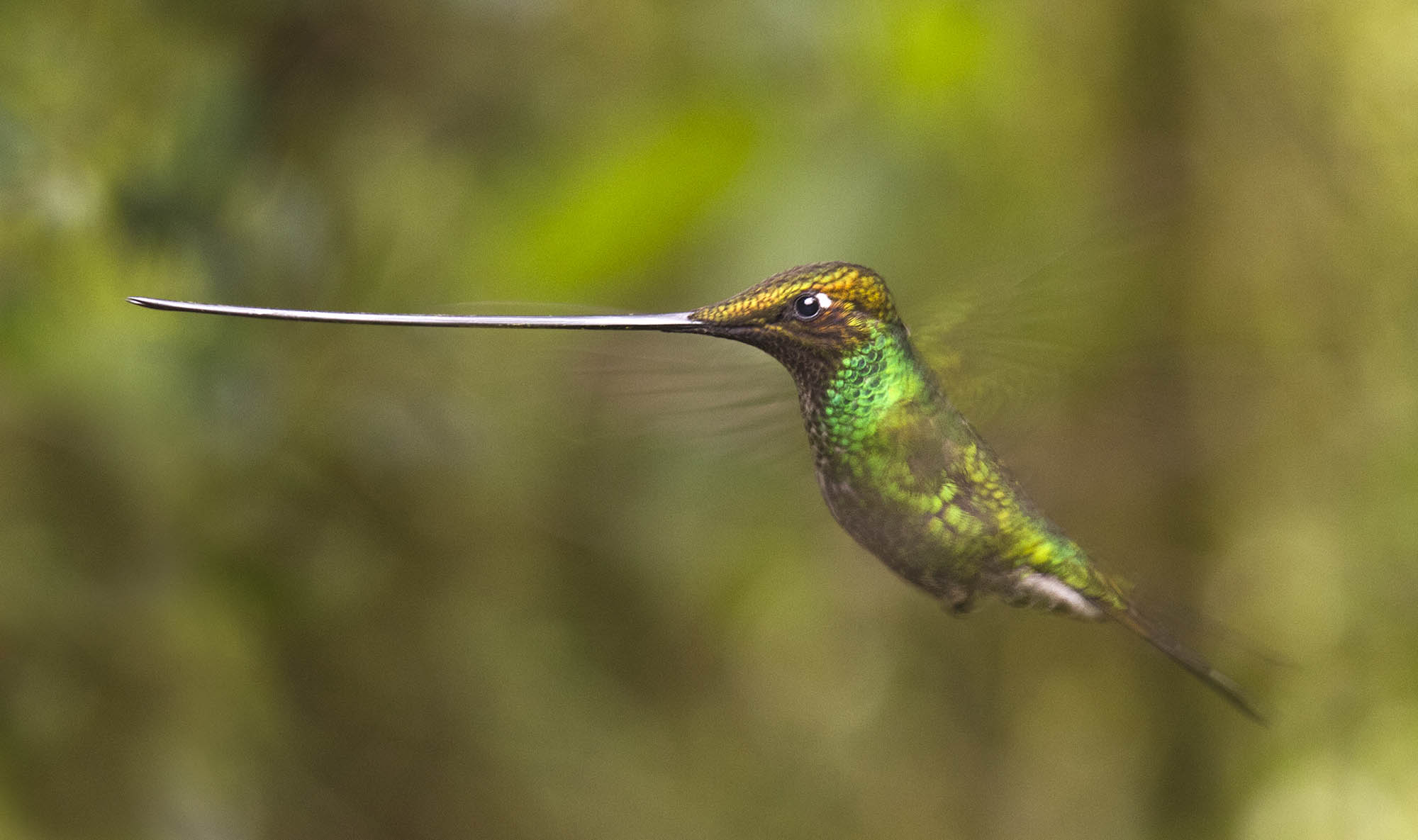
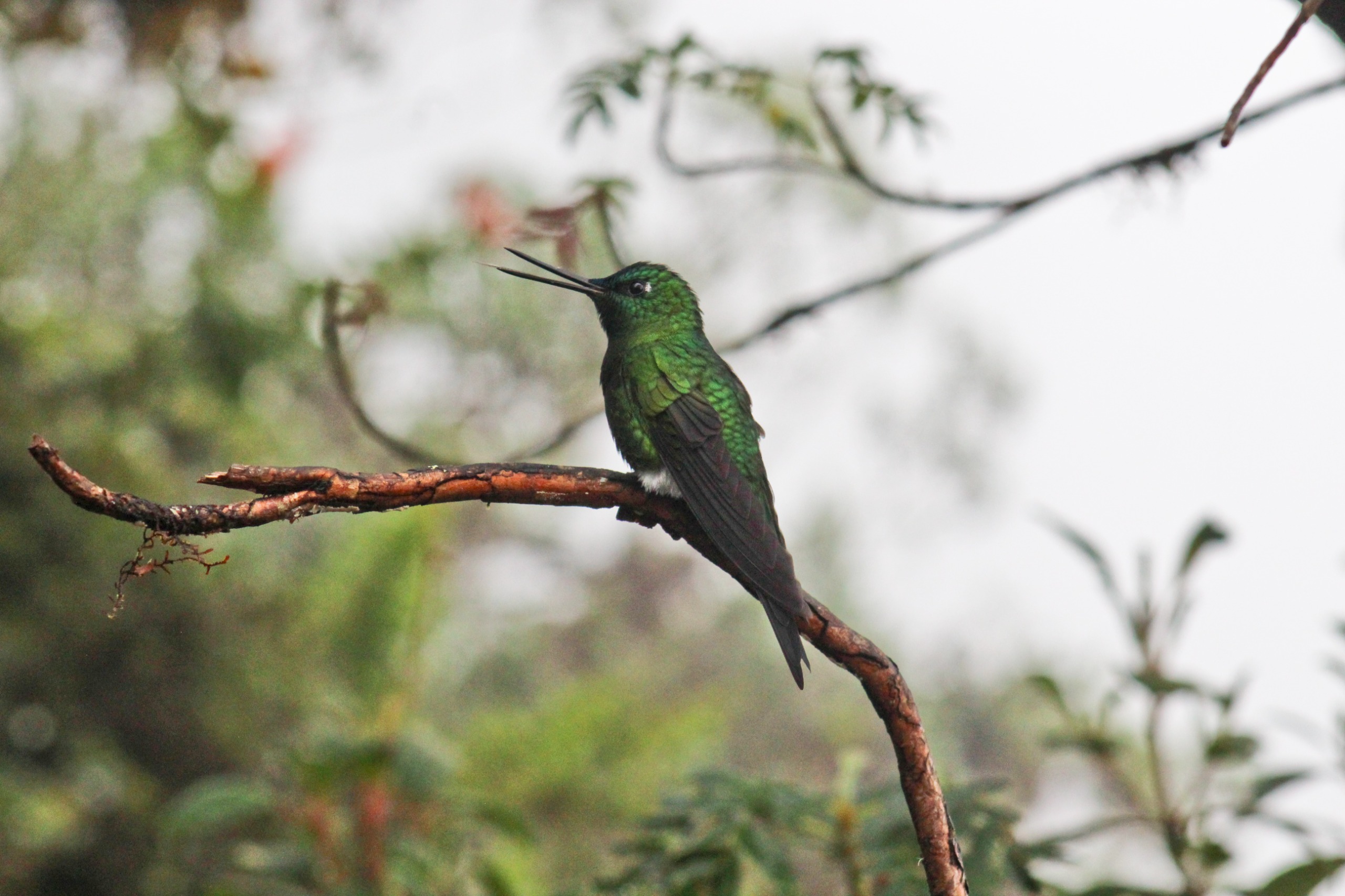
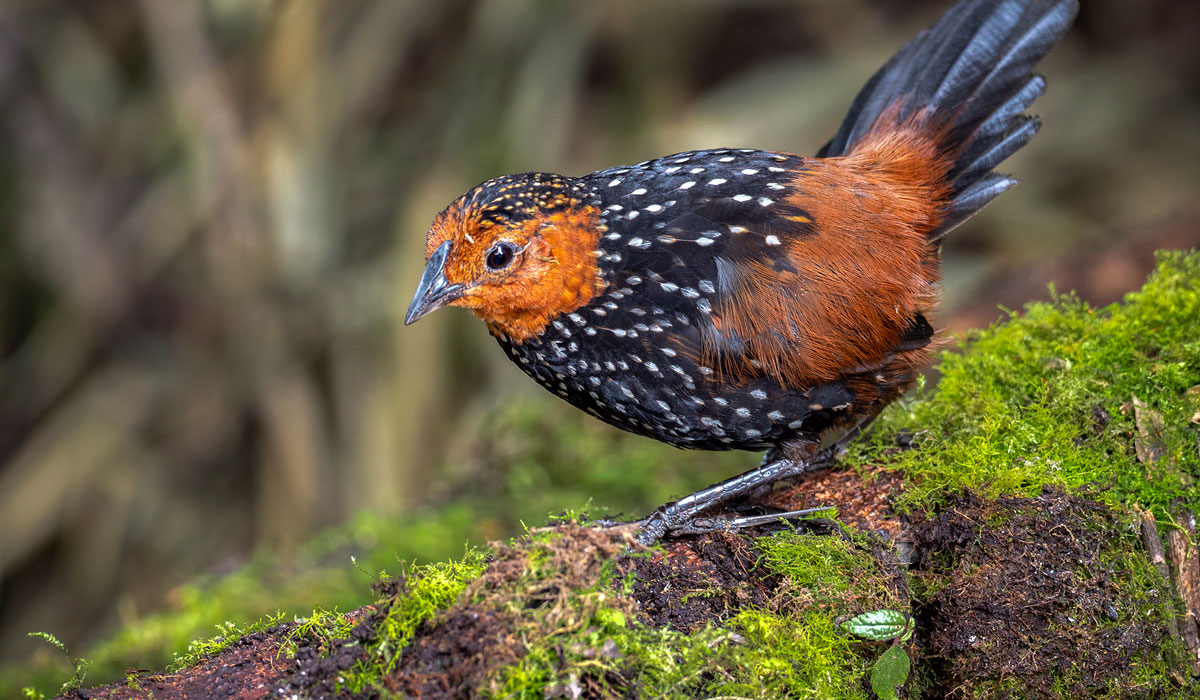
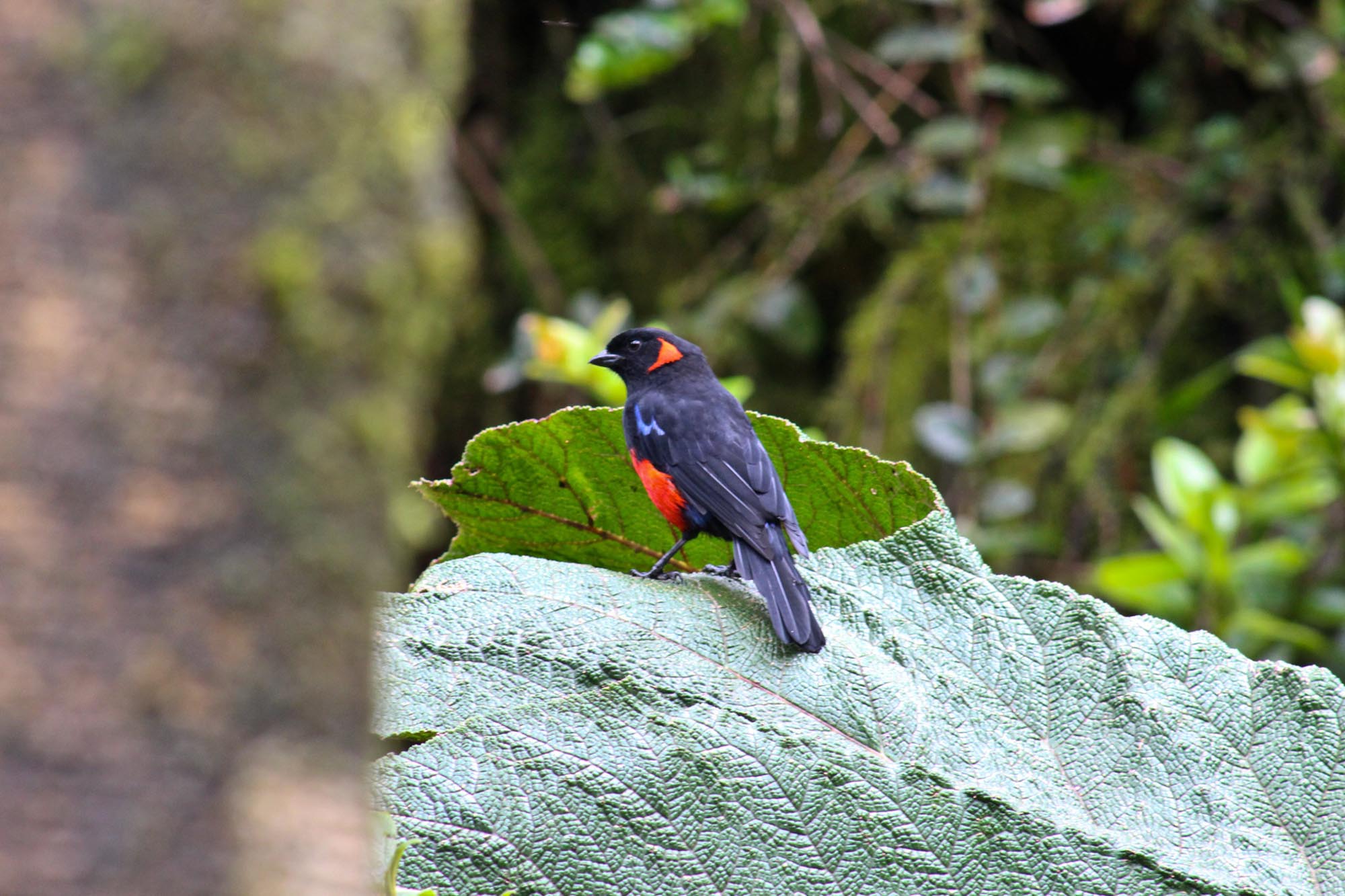
In addition to the Black-breasted Puffleg, the reserve is home to other threatened bird species such as the Andean Guan (Penelope montagnii), the Andean Condor (Vultur gryphus), the Imperial Snipe (Gallinago imperialis), and the Giant Conebill (Conirostrum binghami). Other notable birds that can be observed: the Tawny Antpitta (Grallaria quitensis), Rufous Antpitta (Grallaria rufula), Undulated Antpitta  (Grallaria squamigera), Chestnut-crowned Antpitta ( (Grallaria ruficapilla), as well as the Ocellated Tapaculo  (Acropternis orthonyx), Sword-billed Hummingbird (Ensifera ensifera), Rainbow-bearded Thornbill (Chalcostigma herrani) and Great Sapphirewing  (Pterophanes cyanopterus).

Among the mammals, emblematic species such as the Spectacled Bear (​​Tremarctos ornatus), Culpeo (Lycalopex culpaeus), Western Mountain Coati  (Nasua olivacea), Mountain Paca (Cuniculus taczanowskii), Northern Pudu (Pudu mephistophiles), Little Red Brocket (Mazama rufina), Ocelot  (Leopardus pardalis), and Puma (Puma concolor).

Additionally, five species of frogs and one reptile have been identified within the reserve.

The reserve’s flora includes genera such as Bomarea, Centropogon, Fuchsia, Macleania, and Palicourea, all of which are vital for the biodiversity and sustainability of this unique habitat.


Café Yanacocha

Located at the entrance of the reserve, it offers a variety of delicious traditional dishes.

How to get there?

Yanacocha is located 45 minutes from Quito, on the western slope of the Pichincha Volcano. From Av. Occidental, take the Machala Avenue overpass and enter the Mena del Hierro neighborhood, heading toward Nono. Approximately 9 km into the route, after passing the Rundupamba Church, you’ll see a sign for the Yanacocha Reserve and a stone road that begins on the left side of the main road. Follow this road for 8 kilometers until you reach the Quito Municipal Drinking Water and Sanitation Company (EPMAPS) facilities, then continue for another 2 kilometers to reach the entrance of the reserve.

Hours of Operation

Every day: 8:00 AM – 3:00 PM
Last visitor entry: 1:00 PM

Entrance Fee

All rates are in U.S. dollars

Type of visitors

Rate (per person)

Foreign

$15

National*

$5

Elderly adults and children**

$2.50

* Special rates for national tourists, residents, and the Andean community.

** Children from 5 to 11 years old

Tips for your visit
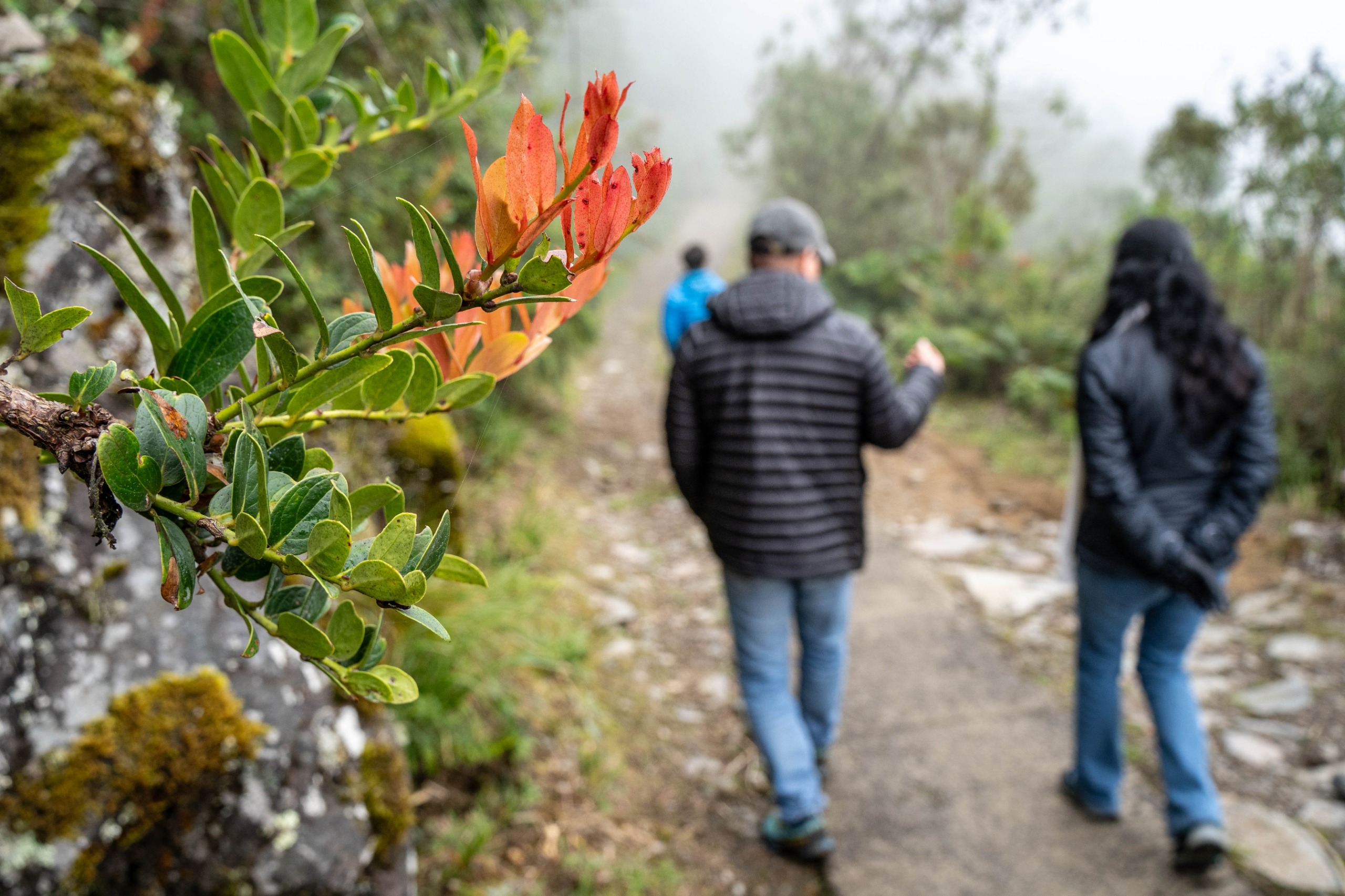
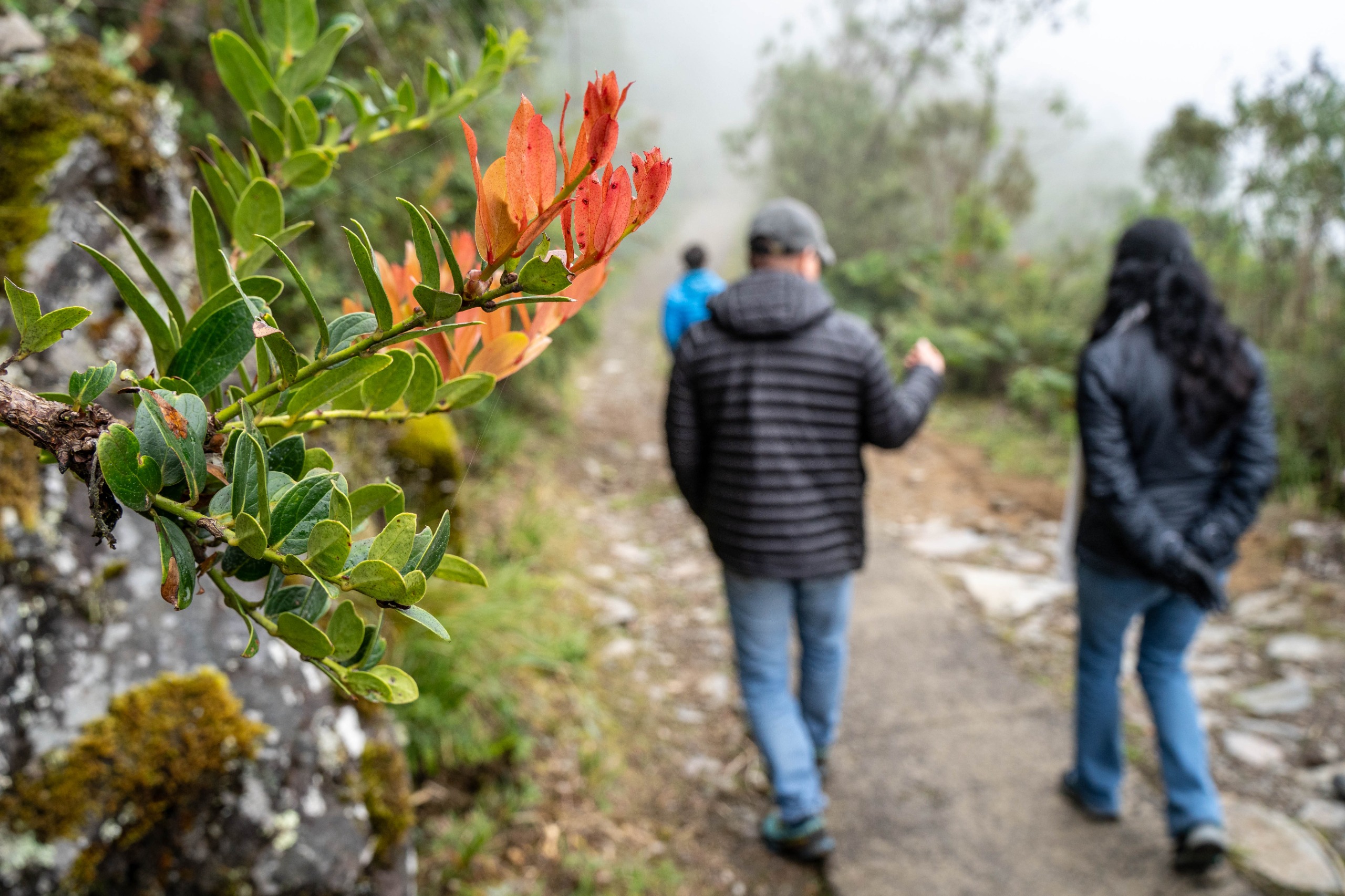
  • Bring warm, waterproof clothing — the weather can be cold, damp, and frequently rainy.
  • Wear sturdy footwear suitable for muddy and slippery trails.
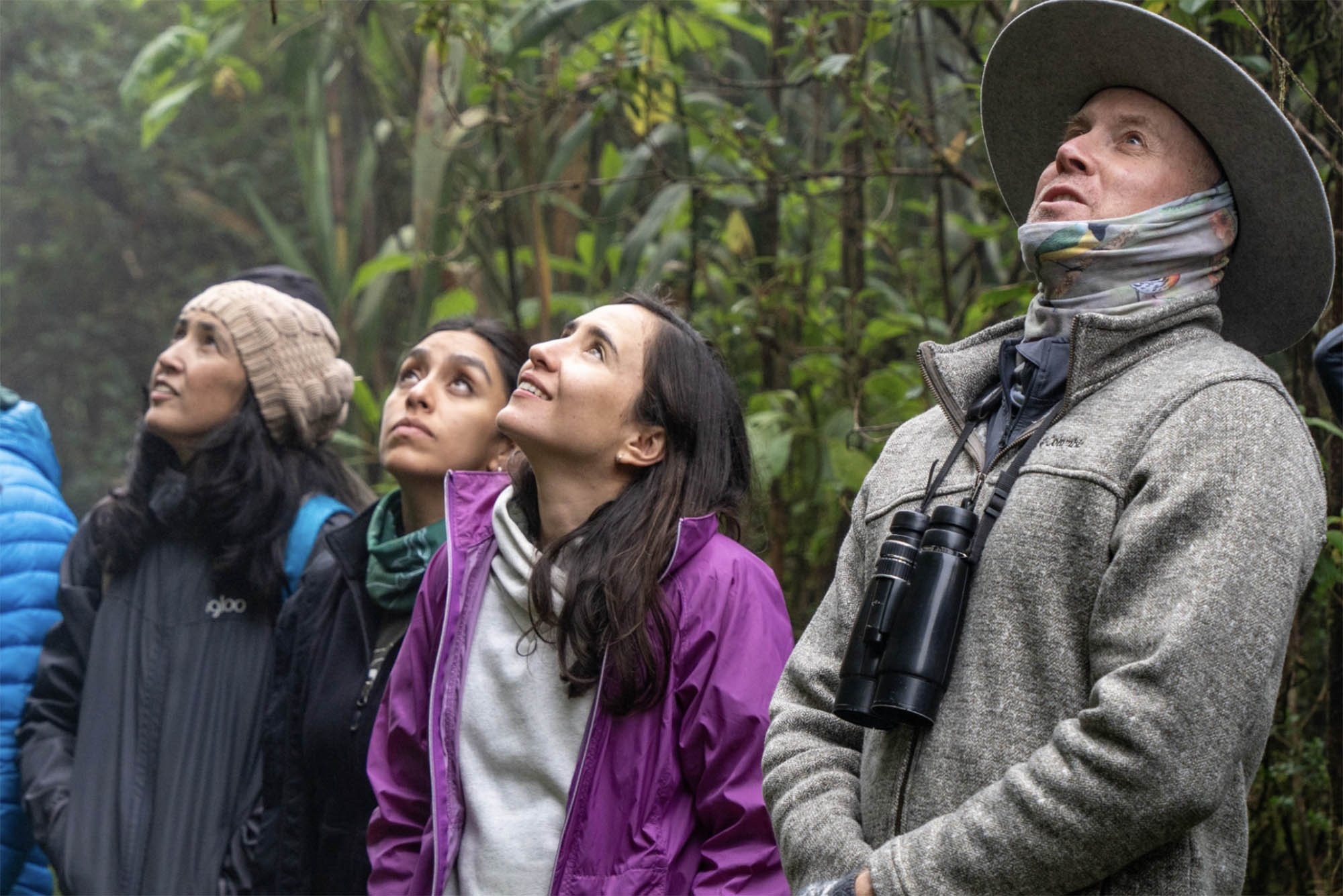
  • Binoculars are essential for spotting hummingbirds and other high-Andean bird species.
  • Arriving early in the morning is ideal for the best birdwatching opportunities.
  • If you feel affected by the altitude, take precautions: stay well hydrated, avoid intense physical activity, and rest as needed. This will help you enjoy the experience safely.
  • Please remember to take all your trash with you. We greatly appreciate your help in keeping the reserve clean.
General Guidelines
  • Please refrain from bringing pets — this helps protect the native wildlife and plants.
  • Do not touch or feed wild animals — this is the best way to protect them and respect their natural habitat.
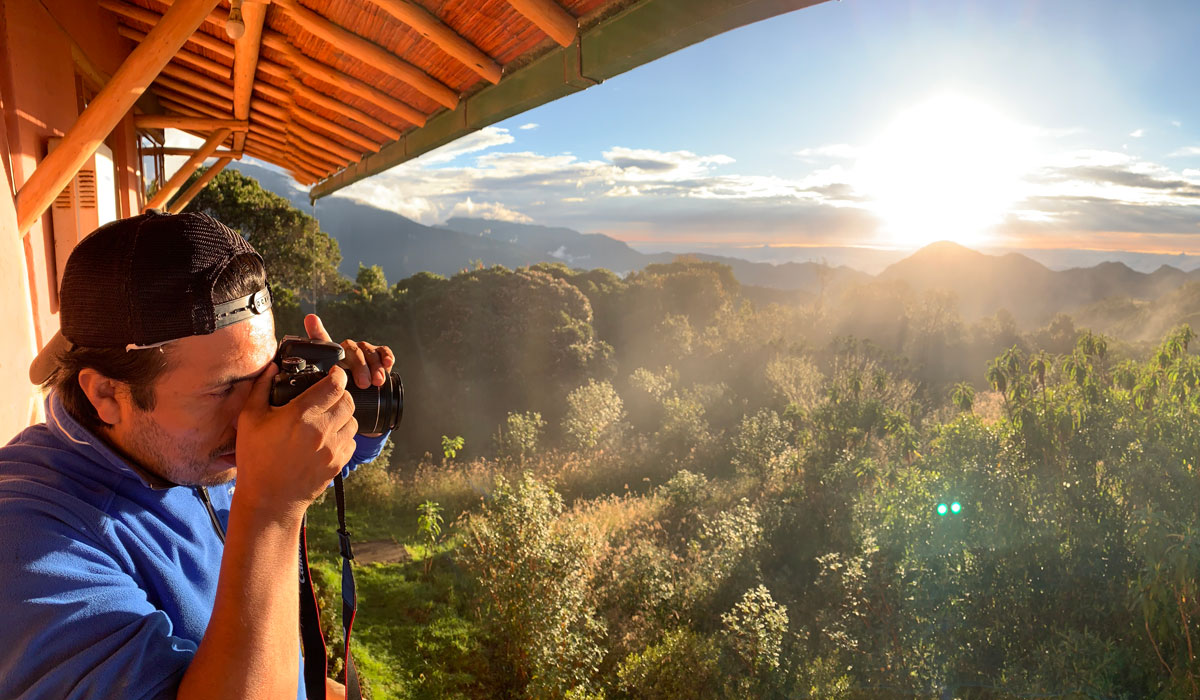
  • Always follow the instructions of our park rangers — they are here to ensure your safety and the protection of the reserve.
  • We kindly ask that you refrain from using bicycles within the reserve — this helps preserve the trails, which are designed for foot traffic only.

Fill out the form and we’ll get in touch