Yunguilla Reserve

Home to Nearly 90% of the Pale-headed Brushfinch Population

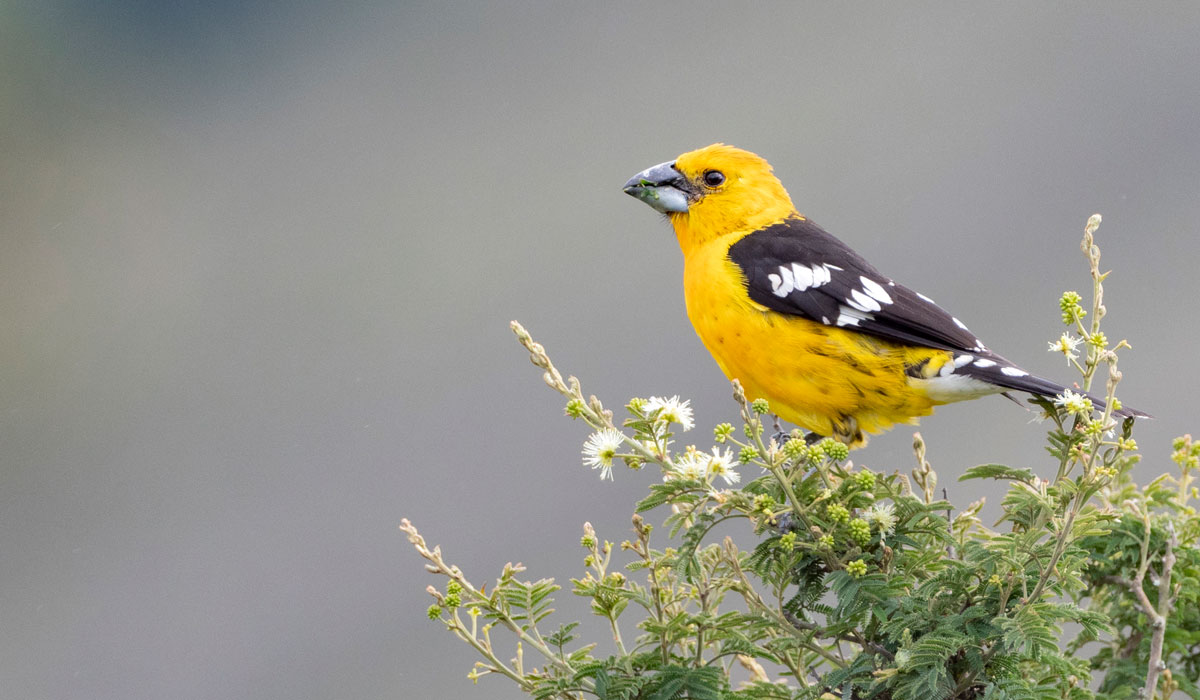
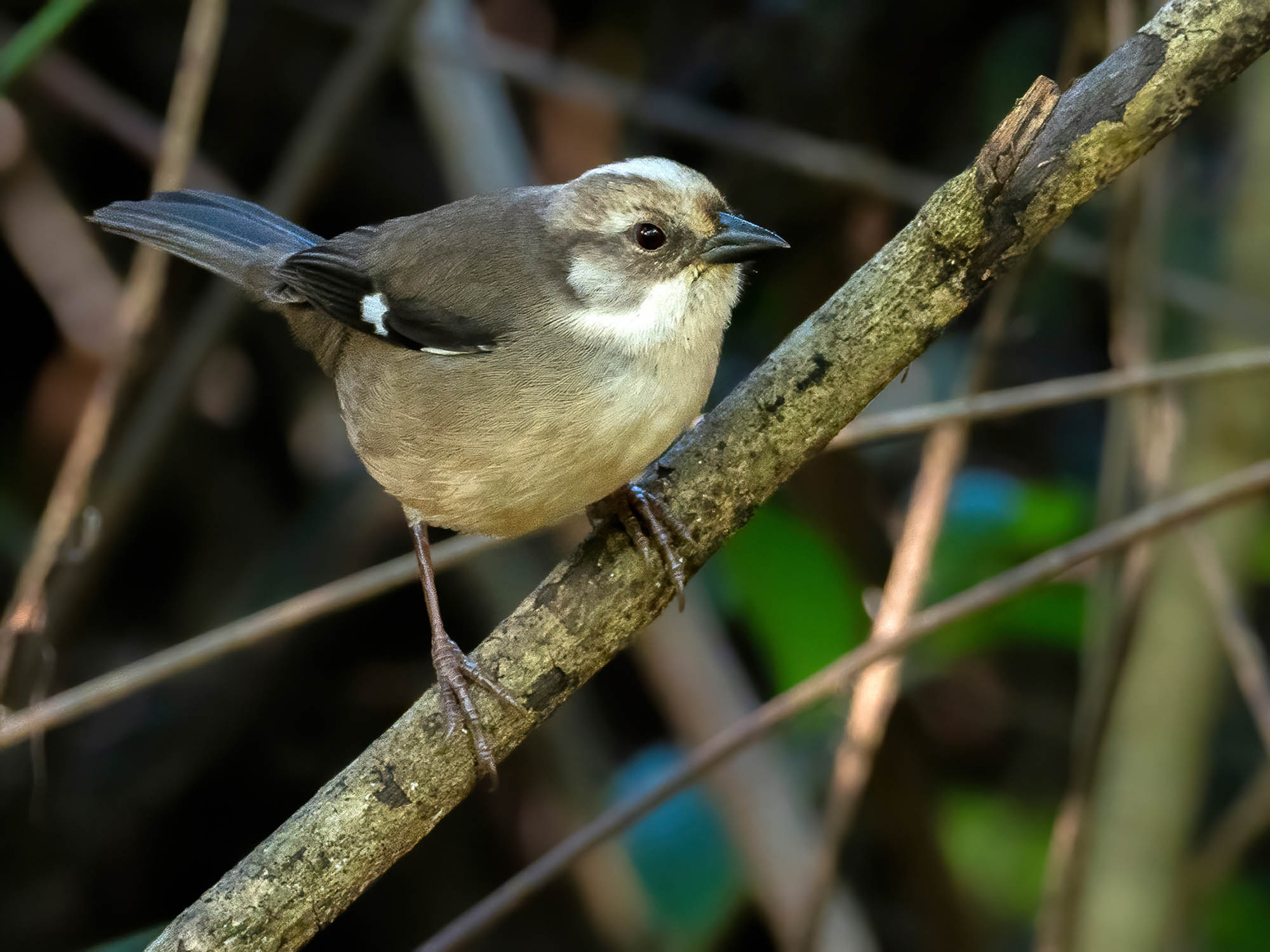
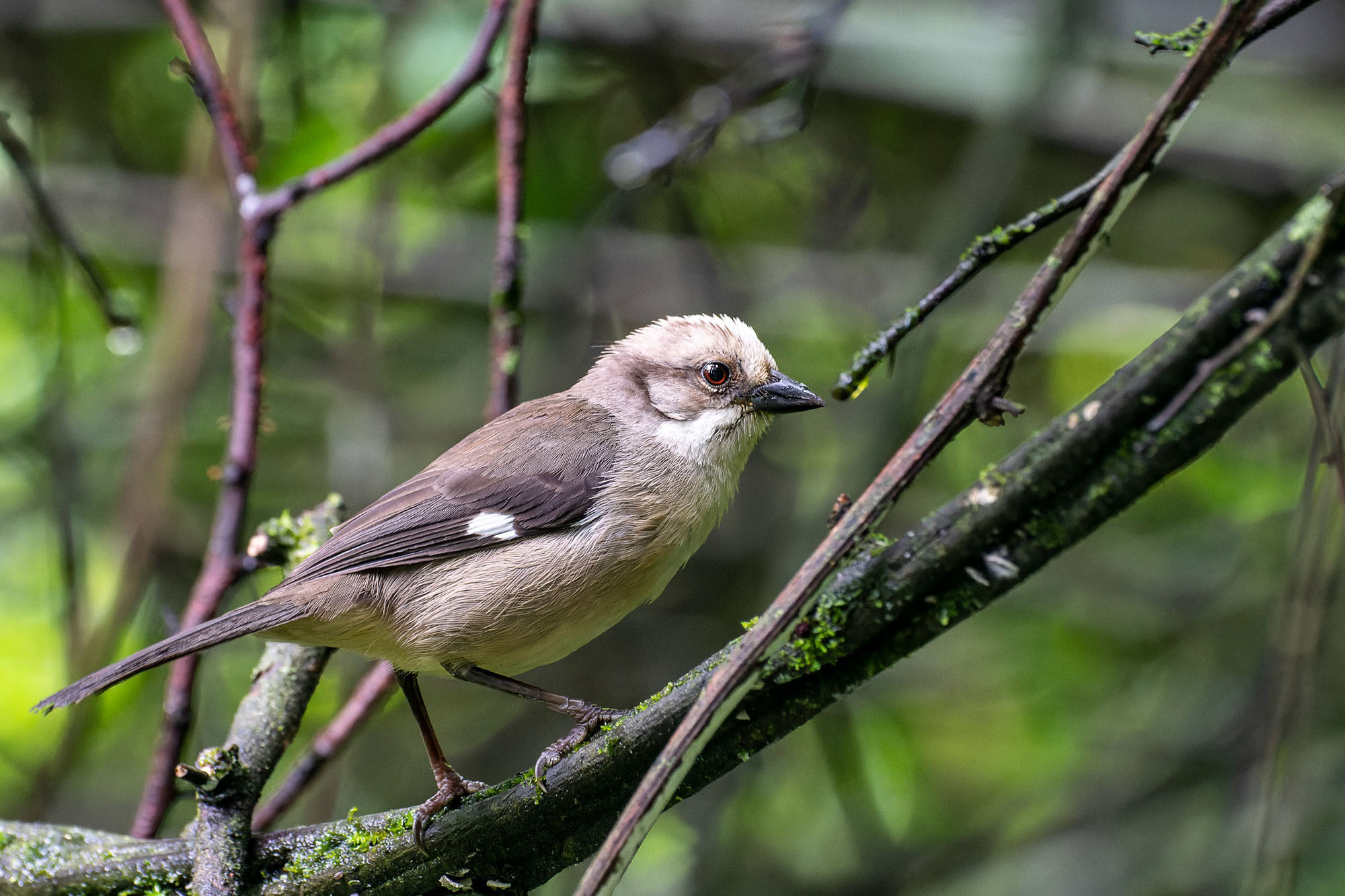
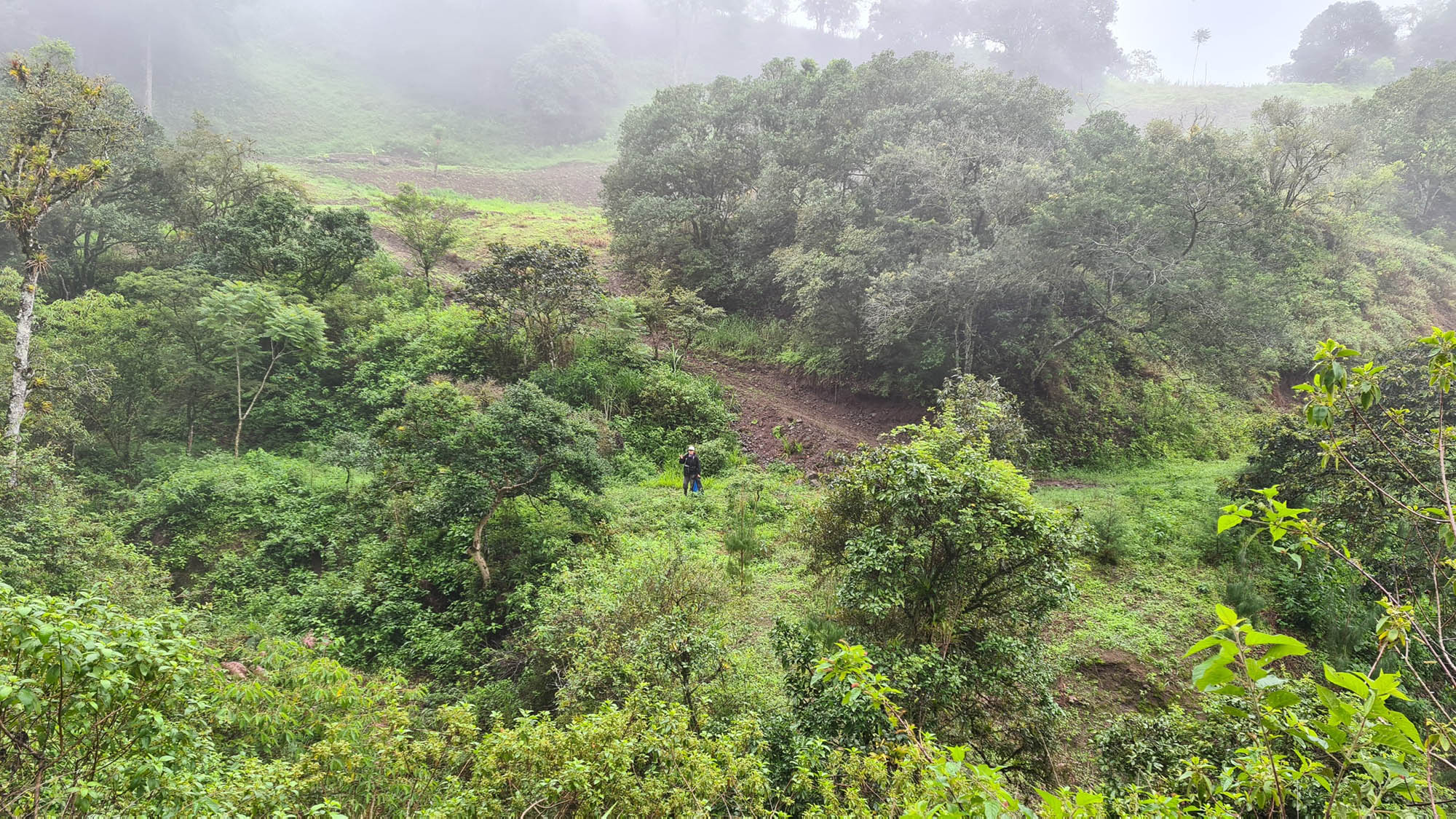
This reserve was established to protect the Pale-headed Brushfinch (Atlapetes pallidiceps), a bird thought extinct for over 20 years until it was rediscovered in 1998. Thanks to ongoing conservation efforts, its population has quintupled, and its threat status has improved to Endangered. Today, nearly 90% of the global population lives in Yunguilla, making the reserve essential for the species’ survival.

General information

  • icono_ubicacion
    Province: Azuay
  • icon_fecha_creacion
    Creation date: 1998
  • icon_area1
    Area: Approx. 454 acres
  • icon_temperatura
    Temperature: 20 – 25 °C
  • icono_ecosistema-
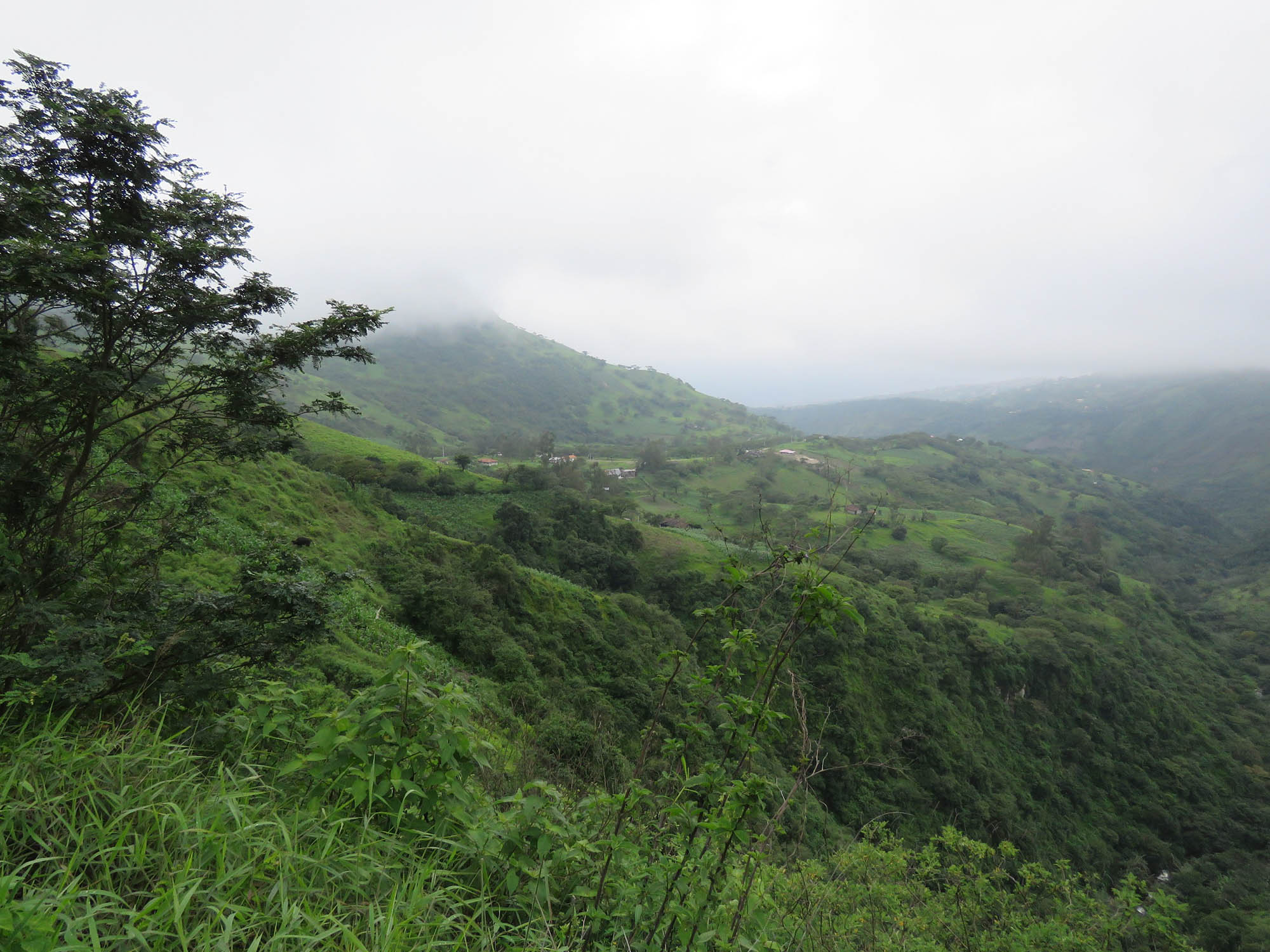
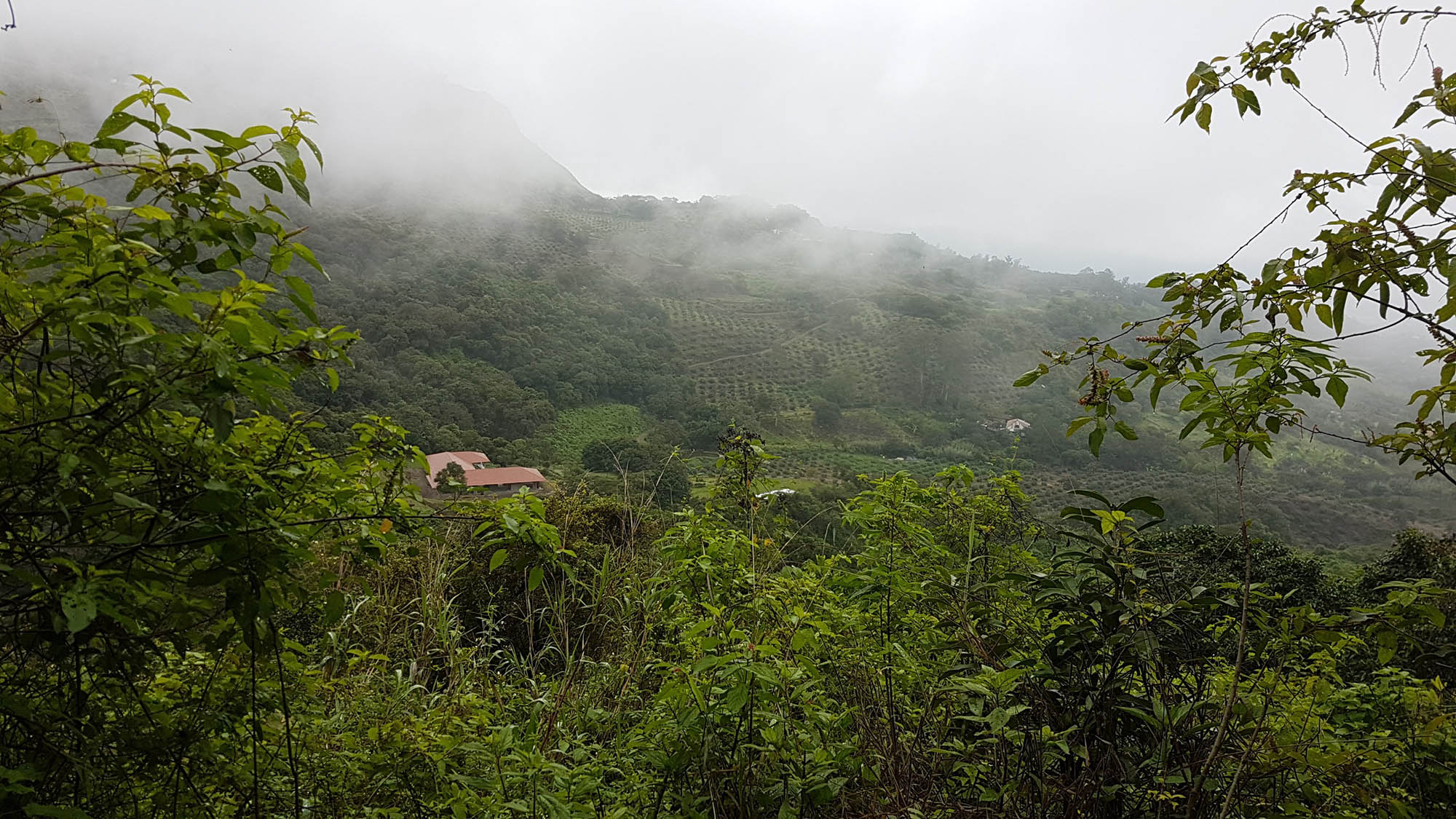
    Ecosystem: Andean dry forest
  • icon_clima
    Climate: Dry, low levels of humidity and precipitation
  • icon_altitud
    Altitude range: 1200 – 2000 meters above sea level

Facilities and services

iconos-jocotours-Bird feeders

Bird feeder where you can see the Pale-headed Brushfinch

iconos-jocotours-Self-guided trails

Low-difficulty trail, which can be covered in 15 minutes

iconos-jocotours-Birding

Birdwatching and nature tours

iconos-jocotours-Photography-

Excellent photo opportunities

iconos-jocotours-Park ranger escort available

Park ranger escort available

iconos-jocotours-Parking lot

Parking lot

Biological importance

The Yunguilla Reserve is home to a remarkable diversity of birds, including the Pale-headed Brushfinch (Atlapetes pallidiceps), the Gorgeted Woodstar(Chaetocercus heliodor), the Rainbow Starfrontlet (Coeligena iris), the Buff-fronted Owl (Aegolius harrisii) and  the Andean Tinamou (Nothoprocta pentlandii), and the Black-and-white Tanager (Conothraupis speculigera), which migrates from the Amazon.


Among reptiles, the Peter´s Ameiva or Blue tailed Lizard (Holcosus orcesi), stands out as it is endemic to the Yunguilla Valley and classified as Critically Endangered. Thought to be extinct for over 50 years, it was rediscovered in 2021, with 30 individuals identified in 13 locations, 9 of which are juveniles.


The reserve also protects two amphibian species from the genera Gastrotheca and Pristimantis, which have yet to be described. These species underscore the importance of Yunguilla as a unique biodiversity refuge, not only for birds and reptiles but also for amphibians that may be new to science.

The shrublands and patches of humid forest on the reserve’s slopes provide crucial habitats for these species.

The conservation of this reserve is vital, as the small population of Pale-headed Brushfinches (Atlapetes pallidiceps) in Yunguilla is the only surviving one, and its existence depends directly on the continued protection of this unique habitat.

How to get there?

The reserve is located two hours southwest of Cuenca. Take the Girón – Santa Isabel – Pasaje road. When you reach the town of La Unión, on the right side, you’ll see the «Monumento al Caballo» (Horse Monument), and you should head towards the town center. Continue along this road until you cross a small bridge, then 50 meters further, take the left turn and drive uphill until you reach the Yunguilla reserve.

Hours of Operation

Every day: Visits by reservation only.

Entrance Fee

Rates are in US dollars

Type of visitors

Rate (per person)

Foreign

$15

National*

$5

Older adults and children**

$2.50

* Special rates for national visitors, residents, and the Andean community.

** Children from 5 to 11 years old

Tips for your visit
  • Bring water, sunscreen, a hat and sunglasses, as the climate is dry and generally sunny.
  • This is the only known place to observe the Pale-headed Brushfinch, so enjoy this unique experience.
  • We suggest visiting the reserve early in the morning, when bird activity is higher.
  • Please take all your trash with you. With your help, we keep the reserve clean. Thank you for your cooperation!
General Guidelines
  • Please refrain from bringing pets — this helps protect the native wildlife and plants.
  • Do not touch or feed wild animals — this is the best way to protect them and respect their natural habitat.
  • Always follow the instructions of our park rangers — they are here to ensure your safety and the protection of the reserve.

Fill out the form and we’ll get in touch